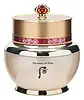
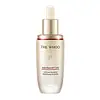
The History of Whoo Bichup Royal Anti-Aging Cream Versus The History of Whoo Bichup Ultimate Recovery NAD Power Ampoule
This anti-aging moisturizer is formulated around Squalane and Panax Ginseng Root Extract to soften the look of wrinkles and hydrate skin.
This barrier-repair ampoule is formulated around Niacinamide and Panthenol to strengthen the skin barrier and soften the look of wrinkles.

What's inside
What's inside
 Key Ingredients
Benefits
Concerns
Ingredients Side-by-side
Water
Skin ConditioningGlycerin
Humectant


Dipropylene Glycol
HumectantSqualane
Emollient
Isostearyl Isostearate
Emollient




Cyclopentasiloxane
Emollient
Butylene Glycol
Humectant
Dimethicone
Emollient
Sucrose Polystearate
EmollientAlgae Extract
Emollient
Glyceryl Stearate
Emollient
1,2-Hexanediol
Skin Conditioning
Caprylic/Capric Triglyceride
Masking
Panthenol
Skin Conditioning

Perfluorononylethyl Stearyl Dimethicone
Skin Conditioning
PEG-100 Stearate
Surfactant
Velvet Extract
HumectantCetearyl Alcohol
Emollient
C14-22 Alcohols
Emulsion Stabilising
Dimethicone/PEG-10/15 Crosspolymer
Phytosteryl/Octyldodecyl Lauroyl Glutamate
Skin ConditioningStearic Acid
Cleansing
Cordyceps Sinensis Extract
Antioxidant
Hydrolyzed Collagen
Emollient
Panax Ginseng Root Extract
Emollient
Polyacrylate-13
Ophiopogon Japonicus Root Extract
Skin ConditioningHydrogenated Lecithin
Emulsifying
Hydrogenated Polyisobutene
EmollientCedrol
EmollientTriethylhexanoin
MaskingMacadamia Ternifolia Seed Oil
Emollient
Rehmannia Glutinosa Root Extract
Skin ConditioningAngelica Acutiloba Root Extract
Skin ConditioningCornus Officinalis Fruit Extract
Skin ConditioningThymus Vulgaris Extract
Perfuming
Ceramide NP
Skin Conditioning
Arachidyl Glucoside
EmulsifyingButyrospermum Parkii Butter
Skin Conditioning
Hydroxyethylpiperazine Ethane Sulfonic Acid
BufferingPolyisobutene
Parfum
Masking

Dioscorea Japonica Root Extract
Skin Conditioning
Glycyrrhiza Glabra Root Extract
Bleaching

Lauryl PEG-9 Polydimethylsiloxyethyl Dimethicone
Skin Conditioning
Typha Angustifolia Spike Extract
Skin ConditioningDimethicone/Vinyl Dimethicone Crosspolymer
Skin Conditioning
Sodium Hyaluronate
Humectant
Cinnamomum Cassia Bark Extract
Masking
Paeonia Albiflora Root Extract
Skin ConditioningEclipta Prostrata Extract
Skin Conditioning
Mica
Cosmetic ColorantCI 77891
Cosmetic ColorantScutellaria Baicalensis Root Extract
Astringent
Atractylodes Japonica Rhizome Extract
Skin ConditioningSaposhnikovia Divaricata Root Extract
AntimicrobialZingiber Officinale Root Extract
Masking
Zizyphus Jujuba Fruit Extract
Glycereth-20
HumectantSodium Polyacrylate
Absorbent
Polysorbate 20
Emulsifying
Cholesterol
Emollient
Angelica Gigas Root Extract
Skin ConditioningCarbomer
Emulsion StabilisingTromethamine
BufferingPEG-10 Rapeseed Sterol
CleansingPoria Cocos Extract
Skin ConditioningTrisodium EDTA
ChelatingMelia Azadirachta Leaf Extract
Skin ConditioningCI 77491
Cosmetic ColorantTheobroma Cacao Extract
Skin ConditioningHydrogenated Polydecene
EmollientPotassium C12-13 Alkyl Phosphate
SurfactantMoringa Oleifera Seed Oil
Emollient
Ceramide Ng
Skin Conditioning
Phytosphingosine
Skin Conditioning
Coptis Chinensis Root Extract
Antioxidant
Arbutin
Antioxidant
Oligopeptide-1
Skin Conditioning

Oligopeptide-4
Skin Conditioning
Acetyl Hexapeptide-8
Humectant
Copper Tripeptide-1
Skin Conditioning
Hydrolyzed Soy Protein
Humectant
Oligopeptide-2
Skin Conditioning
Histidine Hcl
Skin ConditioningArginine
Masking
Lysine
Skin ConditioningValine
MaskingThreonine
Leucine
Skin ConditioningMethionine
Skin ConditioningIsoleucine
Skin ConditioningPhenylalanine
Masking
Tyrosine
MaskingInositol
Humectant
Cystine
MaskingTryptophan
MaskingFolic Acid
Skin ConditioningNiacinamide
Smoothing



Pyridoxine Hcl
Skin ConditioningThiamine Hcl
MaskingCalcium Pantothenate
Biotin
AntiseborrhoeicRiboflavin
Cosmetic ColorantCyanocobalamin
Skin ConditioningWater, Glycerin, Dipropylene Glycol, Squalane, Isostearyl Isostearate, Cyclopentasiloxane, Butylene Glycol, Dimethicone, Sucrose Polystearate, Algae Extract, Glyceryl Stearate, 1,2-Hexanediol, Caprylic/Capric Triglyceride, Panthenol, Perfluorononylethyl Stearyl Dimethicone, PEG-100 Stearate, Velvet Extract, Cetearyl Alcohol, C14-22 Alcohols, Dimethicone/PEG-10/15 Crosspolymer, Phytosteryl/Octyldodecyl Lauroyl Glutamate, Stearic Acid, Cordyceps Sinensis Extract, Hydrolyzed Collagen, Panax Ginseng Root Extract, Polyacrylate-13, Ophiopogon Japonicus Root Extract, Hydrogenated Lecithin, Hydrogenated Polyisobutene, Cedrol, Triethylhexanoin, Macadamia Ternifolia Seed Oil, Rehmannia Glutinosa Root Extract, Angelica Acutiloba Root Extract, Cornus Officinalis Fruit Extract, Thymus Vulgaris Extract, Ceramide NP, Arachidyl Glucoside, Butyrospermum Parkii Butter, Hydroxyethylpiperazine Ethane Sulfonic Acid, Polyisobutene, Parfum, Dioscorea Japonica Root Extract, Glycyrrhiza Glabra Root Extract, Lauryl PEG-9 Polydimethylsiloxyethyl Dimethicone, Typha Angustifolia Spike Extract, Dimethicone/Vinyl Dimethicone Crosspolymer, Sodium Hyaluronate, Cinnamomum Cassia Bark Extract, Paeonia Albiflora Root Extract, Eclipta Prostrata Extract, Mica, CI 77891, Scutellaria Baicalensis Root Extract, Atractylodes Japonica Rhizome Extract, Saposhnikovia Divaricata Root Extract, Zingiber Officinale Root Extract, Zizyphus Jujuba Fruit Extract, Glycereth-20, Sodium Polyacrylate, Polysorbate 20, Cholesterol, Angelica Gigas Root Extract, Carbomer, Tromethamine, PEG-10 Rapeseed Sterol, Poria Cocos Extract, Trisodium EDTA, Melia Azadirachta Leaf Extract, CI 77491, Theobroma Cacao Extract, Hydrogenated Polydecene, Potassium C12-13 Alkyl Phosphate, Moringa Oleifera Seed Oil, Ceramide Ng, Phytosphingosine, Coptis Chinensis Root Extract, Arbutin, Oligopeptide-1, Oligopeptide-4, Acetyl Hexapeptide-8, Copper Tripeptide-1, Hydrolyzed Soy Protein, Oligopeptide-2, Histidine Hcl, Arginine, Lysine, Valine, Threonine, Leucine, Methionine, Isoleucine, Phenylalanine, Tyrosine, Inositol, Cystine, Tryptophan, Folic Acid, Niacinamide, Pyridoxine Hcl, Thiamine Hcl, Calcium Pantothenate, Biotin, Riboflavin, Cyanocobalamin
Water
Skin ConditioningDipropylene Glycol
HumectantButylene Glycol
Humectant
Glycerin
Humectant
Niacinamide
Smoothing
PEG/PPG/Polybutylene Glycol-8/5/3 Glycerin
Humectant1,2-Hexanediol
Skin Conditioning
Bis-PEG-18 Methyl Ether Dimethyl Silane
EmollientPanthenol
Skin Conditioning
Bis-Hydroxyethoxypropyl Dimethicone
Emollient
PEG-11 Methyl Ether Dimethicone
Emulsifying
Polyacrylate Crosspolymer-6
Emulsion StabilisingPolymethylsilsesquioxane
PEG-150
HumectantPropanediol
Solvent
Dimethicone
Emollient
Allantoin
Skin Conditioning
Lactobacillus/Soybean Ferment Extract
Skin ConditioningTrehalose
Humectant
Xanthan Gum
EmulsifyingSaccharomyces/Potato Extract Ferment Filtrate
Humectant
Glycolic Acid
Buffering

Saccharomyces/Barley Seed Ferment Filtrate
HumectantAmmonium Polyacryloyldimethyl Taurate
Emulsion StabilisingNicotinamide Adenine Dinucleotide
Skin ConditioningSodium Citrate
BufferingEmpetrum Nigrum Fruit Juice
Skin ConditioningAdenosine
Skin Conditioning
Tocopherol
Antioxidant
Citric Acid
Buffering
Hydrogenated Lecithin
Emulsifying
Pentylene Glycol
Skin Conditioning
Biosaccharide Gum-1
Humectant
Glycine Soja Oil
Emollient
Beta-Glucan
Skin Conditioning
Dimethicone/Vinyl Dimethicone Crosspolymer
Skin Conditioning
Sodium Hyaluronate
Humectant
Sodium Stearoyl Glutamate
CleansingCholesterol
Emollient
Sorbitan Oleate
Emulsifying
Carbomer
Emulsion StabilisingEthylhexylglycerin
Skin ConditioningAmodimethicone
Sodium Hydroxide
BufferingArginine
Masking
Arginine/Lysine Polypeptide
Skin Conditioning
Nicotinamide Mononucleotide
Antioxidant
Phytosterols
Skin Conditioning
Sodium Lactate
Buffering
Maltodextrin
Absorbent
PEG-8 Caprylic/Capric Glycerides
EmulsifyingSuccinic Acid
BufferingPolysorbate 20
Emulsifying
Glycyrrhetinic Acid
Skin Conditioning
Potassium Sorbate
Preservative
Quercetin
Antioxidant
Ammonium Acryloyldimethyltaurate/Vp Copolymer
Asparagus Cochinchinensis Root Extract
Skin ConditioningAsparagus Lucidus Root Extract
HumectantPalmitoyl Tripeptide-1
Skin Conditioning
Helianthus Annuus Sprout Extract
Skin ConditioningPalmitoyl Tetrapeptide-7
Skin Conditioning
Sorbic Acid
Preservative
Sorbitan Stearate
Emulsifying
Glycoproteins
Skin Conditioning
Cornus Officinalis Fruit Extract
Skin ConditioningAngelica Gigas Root Extract
Skin ConditioningThymus Vulgaris Extract
Perfuming
Oligopeptide-1
Skin Conditioning
Oligopeptide-2
Skin Conditioning
Oligopeptide-3
Skin Conditioning
Glutamic Acid
Humectant
Oligopeptide-6
Skin Conditioning
Ganoderma Lucidum Extract
Skin Protecting
Oligopeptide-4
Skin Conditioning
Dextrin
AbsorbentTheobroma Cacao Seed Extract
Antioxidant
CI 77491
Cosmetic ColorantMica
Cosmetic ColorantDisodium EDTA
ChelatingTrisodium EDTA
ChelatingParfum
Masking
Geraniol
Perfuming
Linalool
Perfuming
Limonene
Perfuming
Benzyl Benzoate
Antimicrobial
Hydroxycitronellal
Perfuming
Citronellol
Perfuming
Water, Dipropylene Glycol, Butylene Glycol, Glycerin, Niacinamide, PEG/PPG/Polybutylene Glycol-8/5/3 Glycerin, 1,2-Hexanediol, Bis-PEG-18 Methyl Ether Dimethyl Silane, Panthenol, Bis-Hydroxyethoxypropyl Dimethicone, PEG-11 Methyl Ether Dimethicone, Polyacrylate Crosspolymer-6, Polymethylsilsesquioxane, PEG-150, Propanediol, Dimethicone, Allantoin, Lactobacillus/Soybean Ferment Extract, Trehalose, Xanthan Gum, Saccharomyces/Potato Extract Ferment Filtrate, Glycolic Acid, Saccharomyces/Barley Seed Ferment Filtrate, Ammonium Polyacryloyldimethyl Taurate, Nicotinamide Adenine Dinucleotide, Sodium Citrate, Empetrum Nigrum Fruit Juice, Adenosine, Tocopherol, Citric Acid, Hydrogenated Lecithin, Pentylene Glycol, Biosaccharide Gum-1, Glycine Soja Oil, Beta-Glucan, Dimethicone/Vinyl Dimethicone Crosspolymer, Sodium Hyaluronate, Sodium Stearoyl Glutamate, Cholesterol, Sorbitan Oleate, Carbomer, Ethylhexylglycerin, Amodimethicone, Sodium Hydroxide, Arginine, Arginine/Lysine Polypeptide, Nicotinamide Mononucleotide, Phytosterols, Sodium Lactate, Maltodextrin, PEG-8 Caprylic/Capric Glycerides, Succinic Acid, Polysorbate 20, Glycyrrhetinic Acid, Potassium Sorbate, Quercetin, Ammonium Acryloyldimethyltaurate/Vp Copolymer, Asparagus Cochinchinensis Root Extract, Asparagus Lucidus Root Extract, Palmitoyl Tripeptide-1, Helianthus Annuus Sprout Extract, Palmitoyl Tetrapeptide-7, Sorbic Acid, Sorbitan Stearate, Glycoproteins, Cornus Officinalis Fruit Extract, Angelica Gigas Root Extract, Thymus Vulgaris Extract, Oligopeptide-1, Oligopeptide-2, Oligopeptide-3, Glutamic Acid, Oligopeptide-6, Ganoderma Lucidum Extract, Oligopeptide-4, Dextrin, Theobroma Cacao Seed Extract, CI 77491, Mica, Disodium EDTA, Trisodium EDTA, Parfum, Geraniol, Linalool, Limonene, Benzyl Benzoate, Hydroxycitronellal, Citronellol
Ingredients Explained
These ingredients are found in both products.
Ingredients higher up in an ingredient list are typically present in a larger amount.
1,2-Hexanediol is a synthetic liquid and another multi-functional powerhouse.
It is a:
- Humectant, drawing moisture into the skin
- Emollient, helping to soften skin
- Solvent, dispersing and stabilizing formulas
- Preservative booster, enhancing the antimicrobial activity of other preservatives
We don't have a description for Angelica Gigas Root Extract yet.
Arginine is a semi-essential amino acid. This just means our bodies can product a bit on its own, but sometimes needs a little boost from food sources.
It is a part of your skin's natural moisturizing factor (NMF), or the water-loving molecules in your outermost layer of skin (stratum corneum) that keeps everything hydrated and happy.
Here's an interesting thing about Arginine: your skin converts it into urea through the Krebs-Henseleit urea cycle. Urea is one of the most effective humectants your skin naturally produces.
A clinical study showed applying 2.5% arginine hydrochloride to atopic dermatitis skin showed significant urea levels in the stratum corneum and improved moisture in just four weeks.
Arginine is also a precursor to nitric oxide; nitric oxide improves microcirculation and supports wound healing and collagen synthesis.
One study found that an amino acid complex containing Arginine reduced skin irritation, improved hydration, and accelerated skin repair in clinical / in-vivo studies.
Arginine itself is an amino acid and not a fatty acid, oil, or ester. On its own, it's not a direct food source for Malassezia, or the yeast that causes fungal acne.
Learn more about ArginineButylene Glycol (or BG) is used within cosmetic products for a few different reasons:
Overall, Butylene Glycol is a safe and well-rounded ingredient that works well with other ingredients.
Though this ingredient works well with most skin types, some people with sensitive skin may experience a reaction such as allergic rashes, closed comedones, or itchiness.
Learn more about Butylene GlycolCarbomer is a synthetic thickening and gelling agent. It's basically the ingredient that gives a lot of serums, gels, creams, and sunscreens their smooth, non-sticky texture.
Although legally permitted at very high levels, carbomers are normally used at concentrations below 1%.
It also needs to be neutralized to actually thicken, and because it is a large molecule, it doesn't really penetrate the skin barrier.
Allergy-wise, the risk is very low. Clinical studies show carbomers have low potential for skin irritation/sensitization even at concentrations up to 100%.
A 2024 UK study patch-tested 1,302 patients and found true allergy to the parent group of carbomer to be rare with no confirmed relevant reactions.
Learn more about CarbomerCholesterol is a lipid that is naturally found in human skin and is one of the three key components of your skin barrier. In skincare, it is an emollient and barrier-repairing ingredient.
It works by fitting directly into the lipid layers of skin to help restore structure and reduce transepidermal water loss (TEWL).
This is a great ingredient for dry, compromised, or aging skin; our skin starts to produce less cholesterol with age.
Research shows cholesterol works best in combination with ceramides and fatty acids, the other two major components in your skin barrier.
Cholesterol is also a well-establish penetration enhancer and can help other actives absorb more effectively.
Cosmetic-grade cholesterol is usually derived from lanolin but plant and synthetic options also exist. We recommend reaching out to the brand if you have questions about their source of cholesterol.
Learn more about CholesterolCi 77491 is also hydrated iron III oxide. It's sole purpose is to give a red/pink hue to products.
Iron III oxides are classified as inorganic chemicals for coloring.
Synthetically created Ci 77491 is considered safer than those naturally found. This is because the synthetically created version may contain less impurities. Iron oxides are generally non-toxic and non-allergenic.
Learn more about CI 77491We don't have a description for Cornus Officinalis Fruit Extract yet.
Dimethicone is a type of synthetic silicone created from natural materials such as quartz. It is also known as polydimethylsiloxane.
What it does:
Dimethicone comes in different viscosities:
Depending on the viscosity, dimethicone has different properties.
Ingredients lists don't always show which type is used, so we recommend reaching out to the brand if you have questions about the viscosity.
This ingredient is unlikely to cause irritation because it does not get absorbed into skin. However, people with silicone allergies should be careful about using this ingredient.
Note: Dimethicone may contribute to pilling. This is because it is not oil or water soluble, so pilling may occur when layered with products. When mixed with heavy oils in a formula, the outcome is also quite greasy.
Learn more about DimethiconeThis ingredient is a silicone elastomer that works as a texture enhancer, adds a silky slip, and also helps absorb excess oil.
Because it's a large macromolecule that's insoluble in water and chemically inert, it's not expected to penetrate or be absorbed into skin.
Human patch tests with a facial lotion containing 1% of this ingredient found no sensitization.
Learn more about Dimethicone/Vinyl Dimethicone CrosspolymerDipropylene Glycol is a synthetically created humectant, stabilizer, and solvent.
This ingredient helps:
Dipropylene glycol is technically an alcohol, but it belongs to the glycol family (often considered part of the ‘good’ alcohols). This means it is hydrating and gentle on skin unlike drying solvent alcohols like denatured alcohol.
As a masking agent, Dipropylene Glycol can be used to cover the smell of other ingredients. However, it does not have a scent.
Studies show Dipropylene Glycol is considered safe to use in skincare.
Learn more about Dipropylene GlycolGlycerin (or glycerol) is a compound naturally found in your skin. It's a powerhouse humectant that pulls water into the stratum corneum.
Topically, glycerin does several things at once:
Your skin makes glycerin on its own (mostly from sebaceous oil breakdown) and shuttles it to your outermost layer of skin, or your epidermis, via aquaporin-3.
Aquaporin-3 is a transporter that is essential for normal skin hydration, elasticity, and repair. Interestingly, mice lacking in AQP3 have dry and less elastic skin that can be fully corrected with glycerin.
This ingredient is non-irritating, plays well with almost every ingredient, and works across all skin types. Typical use is anywhere between 3-10% but can go up to 79% in some leave-on products.
Just know very high concentrations (>40%) can feel tacky in low humidity.
Glycerin is the name for this ingredient in American English. British English uses Glycerol/Glycerine.
Learn more about GlycerinHydrogenated Lecithin is a more stable version of lecithin.
It's made by taking lecithin (a phospholipid commonly found in soybeans and egg yolks) and hydrogenating it. This just means the unsaturated fatty acids are turned into saturated ones so they don't go bad as easily.
This ingredient is an emollient, emulsifier, and penetration enhancer. As an emollient, it helps soften and hydrate skin by trapping moisture within. As an emulsifier, it prevents oil and water ingredients from separating.
Hydrogenated Lecithin can form tiny spherical structures made of phospholipid bilayers called liposomes. These liposomes are able to capture compounds inside their structure and deliver them through the skin barrier.
Because phospholipids are a natural component of our cell membranes, this ingredient is inherently compatible with skin.
A 2021 study found lecithin-based surfactants were less harsh and more tolerable comared to Sodium Lauryl Sulfate (SLS).
Learn more about Hydrogenated LecithinMica is a naturally occurring mineral used to add shimmer and color in cosmetics. It can also help improve the texture of a product or give it an opaque, white/silver color.
Serecite is the name for very fine but ragged grains of mica.
This ingredient is often coated with metal oxides like titanium dioxide. Trace amounts of heavy metals may be found in mica, but these metals are not harmful in our personal products.
Mica has been used since prehistoric times throughout the world. Ancient Egyptian, Indian, Greek, Roman, Aztec, and Chinese civilizations have used mica.
Learn more about MicaNiacinamide is a multitasking form of vitamin B3 that strengthens the skin barrier, reduces pores and dark spots, regulates oil, and improves signs of aging.
And the best part? It's gentle and well-tolerated by most skin types, including sensitive and reactive skin.
You might have heard of "niacin flush", or the reddening of skin that causes itchiness. Niacinamide has not been found to cause this.
In very rare cases, some individuals may not be able to tolerate niacinamide at all or experience an allergic reaction to it.
If you are experiencing flaking, irritation, and dryness with this ingredient, be sure to double check all your products as this ingredient can be found in all categories of skincare.
When incorporating niacinamide into your routine, look out for concentration amounts. Typically, 5% niacinamide provides benefits such as fading dark spots. However, if you have sensitive skin, it is better to begin with a smaller concentration.
When you apply niacinamide to your skin, your body converts it into nicotinamide adenine dinucleotide (NAD). NAD is an essential coenzyme that is already found in your cells as "fuel" and powers countless biological processes.
In your skin, NAD helps repair cell damage, produce new healthy cells, support collagen production, strengthen the skin barrier, and fight environmental stressors (like UV and pollution).
Our natural NAD levels start to decline with age, leading to slower skin repair, visible aging, and a weaker skin barrier. By providing your skin niacinamide, you're recharging your skin's NAD levels. This leads to stronger, healthier, and younger looking skin.
Another name for vitamin B3 is nicotinamide. This vitamin is water-soluble and our bodies don't store it. We obtain Vitamin B3 from either food or skincare. Meat, fish, wheat, yeast, and leafy greens contain vitamin B3.
The type of niacinamide used in skincare is synthetically created.
Learn more about NiacinamideOligopeptide-1 is another name for Epidermal Growth Factor (EGF). In a formula, EGF works as a signaling ingredient.
EGF binds to receptors on your skin cells and tells keratinocytes/fibroblasts to divide, move, and rebuild the skin's support structure.
A 2012 open-label study on a barley-derived EGF serum reported statistically significant improvements in fine-lines, skin texture, pore size, and uneven skin tone, with changes showing up within the first month of 2x/daily use.
And a 2023 review found generally positive but modest results for growth factor products while pointing out that most trials are small, often industry-funded, and rarely test EGF on its own.
So, a fair summary of this ingredient would be "promising with real mechanistic backing, but not yet large-scale proof".
Concentration-wise, EGF is biologically active at very tiny amounts so finished products use it at low levels (think parts per million).
Raw material supplies usually sell a pre-diluted EGF solution and recommend adding roughly 1-5% of that solution to a formula.
Another practical catch: EGF is a fragile protein so it reacts badly to heat and the wrong pH. This just means it relies heavily on good packaging and a solid delivery system to stay active in a bottle.
Oligopeptide-1 and Sh-Oligopeptide-1. The "sh-" prefix just means "synthetic human" and it tells you that it's the lab grown version.
Learn more about Oligopeptide-1Oligopeptide-4 is a peptide.
Panthenol is a common ingredient that helps hydrate and soothe the skin. It is found naturally in our skin and hair.
There are two forms of panthenol: D and L.
D-panthenol is also known as dexpanthenol. Most cosmetics use dexpanthenol or a mixture of D and L-panthenol.
Panthenol is famous due to its ability to go deeper into the skin's layers. Using this ingredient has numerous pros (and no cons):
Like hyaluronic acid, panthenol is a humectant. Humectants are able to bind and hold large amounts of water to keep skin hydrated.
This ingredient works well for wound healing. It works by increasing tissue in the wound and helps close open wounds.
Once oxidized, panthenol converts to pantothenic acid. Panthothenic acid is found in all living cells.
This ingredient is also referred to as pro-vitamin B5.
Learn more about PanthenolParfum is a catch-all term for an ingredient or more that is used to give a scent to products.
Also called "fragrance", this ingredient can be a blend of hundreds of chemicals or plant oils. This means every product with "fragrance" or "parfum" in the ingredients list is a different mixture.
For instance, Habanolide is a proprietary trade name for a specific aroma chemical. When used as a fragrance ingredient in cosmetics, most aroma chemicals fall under the broad labeling category of “FRAGRANCE” or “PARFUM” according to EU and US regulations.
The term 'parfum' or 'fragrance' is not regulated in many countries. In many cases, it is up to the brand to define this term.
For instance, many brands choose to label themselves as "fragrance-free" because they are not using synthetic fragrances. However, their products may still contain ingredients such as essential oils that are considered a fragrance by INCI standards.
One example is Calendula flower extract. Calendula is an essential oil that still imparts a scent or 'fragrance'.
Depending on the blend, the ingredients in the mixture can cause allergies and sensitivities on the skin. Some ingredients that are known EU allergens include linalool and citronellol.
Parfum can also be used to mask or cover an unpleasant scent.
The bottom line is: not all fragrances/parfum/ingredients are created equally. If you are worried about fragrances, we recommend taking a closer look at an ingredient. And of course, we always recommend speaking with a professional.
Learn more about ParfumPolysorbate 20 is a gentle, water-soluble emulsifier and mild surfactant. It stops oil and water from separating to keep your formulas blended and stable.
It also acts as a mild penetration enhancer by helping active ingredients absorb slightly better.
The common safety discussion around this ingredient involves a manufacturing byproduct called 1,4-dioxane.
Trace amounts can form during production but the EU's Scientific Committee on Consumer Safety has concluded that levels at/below 10 ppm in finished products are safe (commercial products consistently fall within acceptable margins).
True allergic reactions are uncommon and the CIR Expert Panel has confirmed this ingredient to be safe as used in cosmetics.
Because it is derived from lauric acid, it may not be fungal acne safe.
Learn more about Polysorbate 20Sodium Hyaluronate is the salt form of hyaluronic acid. It is a long sugar chain that is naturally found in your skin, joints, and connective tissue that maintains hydration and elasticity.
In skincare, it works as a humectant. It pulls water from the environment and deeper layers of skin and binds it to the surface.
Interestingly, the size of the molecule affects its behavior:
Some clinical evidence links low molecular weight versions to improved wrinkle depth, elasticity, anti-inflammatory effects, and barrier repair.
Many serums use a blend of both weights so you can get surface hydration plus longer-lasting and deeper effects.
You'll typically see concentrations between 0.1-2% for this ingredient.
Learn more about Sodium HyaluronateThis ingredient comes form the common thyme plant. It has skin conditioning and perfuming ingredients.
In-vitro studies show strong antioxidant activity due to the high phenolic content of thyme.
Studies also demonstrate it has antimicrobial activity against acne-related bacteria. A 2017 study found this extract exhibited anti-inflammatory effects.
However, this ingredient does have sensitization potential due to its terpene content. Terpenes are among the most common causes of contact dermatitis.
This is kind of a double-edged sword situation where the same compounds that give it antimicrobial power can also irritate reactive skin.
Learn more about Thymus Vulgaris ExtractTrisodium EDTA is one of those quietly essential helper ingredients that most people have never heard of. You'll most likely spot it near the end of ingredient lists in almost every category of skincare.
So what does it actually do?
Its main job is chelation; this is a fancy word to say it grabs onto metal ions and neutralizes them. This is because even purified water in cosmetics contains trace amounts of metals that can cause big problems in a formula.
These trace metals can break down actives faster, cause discoloration, promote rancidity in oils, and make preservatives less effective. Trisodium EDTA binds to these metals and takes them out of the equation so your products can stay stable and effective for longer.
There's also an added bonus: by neutralizing the metals ions that bacteria need to thrive, this ingredient also acts as a preservative booster.
The Cosmetic Ingredient Review has concluded this ingredient to be safe as used in cosmetic formulations. It is not considered an irritant, sensitizer, and is barely absorbed through the skin.
Learn more about Trisodium EDTAWater. It's the most common cosmetic ingredient of all. You'll usually see it at the top of ingredient lists, meaning that it makes up the largest part of the product.
So why is it so popular? Water most often acts as a solvent - this means that it helps dissolve other ingredients into the formulation.
You'll also recognize water as that liquid we all need to stay alive. If you see this, drink a glass of water. Remember to stay hydrated!
Learn more about Water

