
What's inside
What's inside
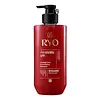 Key Ingredients
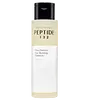
Benefits
Concerns
Ingredients Side-by-side
Water
Skin ConditioningSodium C14-16 Olefin Sulfonate
Cleansing

Cocamidopropyl Betaine
Cleansing

Sodium Chloride
MaskingDisodium Laureth Sulfosuccinate
CleansingDimethicone
Emollient

Lauryl Glucoside
CleansingParfum
Masking

Citric Acid
Buffering

Sorbitol
Humectant

Caffeine
Skin Conditioning

Guar Hydroxypropyltrimonium Chloride
Skin ConditioningCetyl Alcohol
Emollient

Sodium Cocoamphoacetate
CleansingCaprylic/Capric Triglyceride
Masking
Trihydroxystearin
Skin Conditioning
Maltitol
HumectantSodium Benzoate
Masking
Dipropylene Glycol
HumectantSodium Salicylate
Preservative
Sodium Citrate
BufferingSodium Metaphosphate
BufferingDicaprylyl Ether
Emollient
Polyquaternium-7
Benzyl Salicylate
Perfuming
Linalool
Perfuming
Climbazole
Antimicrobial
Ethylhexylglycerin
Skin ConditioningBenzyl Benzoate
Antimicrobial
Hexyl Cinnamal
Perfuming
Laureth-23
Cleansing
Laureth-3
EmulsifyingGlyceryl Stearate
Emollient
Citronellol
Perfuming
Limonene
Perfuming
Caprylyl Glycol
Emollient
Glycerin
Humectant
Dehydroacetic Acid
Preservative
Carbomer
Emulsion StabilisingButylene Glycol
Humectant
Tetrasodium EDTA
ChelatingAlcohol
Antimicrobial

Hydrolyzed Extensin
Skin ConditioningDextrin
AbsorbentArginine
Masking
Vitis Vinifera Seed Oil
Emollient

Panax Ginseng Root Extract
Emollient
1,2-Hexanediol
Skin Conditioning
Zingiber Officinale Root Extract
Masking
Lactic Acid
Buffering


Rosa Damascena Flower Extract
Masking
Propanediol
Solvent
Punica Granatum Fruit Extract
Antioxidant
Macadamia Ternifolia Seed Oil
Emollient
Tocopherol
Antioxidant
Sodium Hyaluronate
Humectant
Hydrolyzed Hyaluronic Acid
Humectant
Oleic Acid
Emollient
Sodium Hyaluronate Crosspolymer
Humectant
Hyaluronic Acid
Humectant
Simmondsia Chinensis Seed Oil
Emollient
Hydroxypropyl Bispalmitamide Mea
Emollient
Cholesterol
Emollient
Camellia Japonica Seed Oil
Emollient
Melaleuca Alternifolia Leaf Oil
Antioxidant

Camellia Sinensis Seed Oil
Humectant
Stearic Acid
Cleansing
Linoleic Acid
Cleansing
Glycyrrhiza Glabra Root Extract
Bleaching
Xylitylglucoside
Humectant
Punica Granatum Flower Extract
Skin Conditioning
Anhydroxylitol
Humectant
Sodium Acetylated Hyaluronate
Humectant
Xylitol
Humectant
Water, Sodium C14-16 Olefin Sulfonate, Cocamidopropyl Betaine, Sodium Chloride, Disodium Laureth Sulfosuccinate, Dimethicone, Lauryl Glucoside, Parfum, Citric Acid, Sorbitol, Caffeine, Guar Hydroxypropyltrimonium Chloride, Cetyl Alcohol, Sodium Cocoamphoacetate, Caprylic/Capric Triglyceride, Trihydroxystearin, Maltitol, Sodium Benzoate, Dipropylene Glycol, Sodium Salicylate, Sodium Citrate, Sodium Metaphosphate, Dicaprylyl Ether, Polyquaternium-7, Benzyl Salicylate, Linalool, Climbazole, Ethylhexylglycerin, Benzyl Benzoate, Hexyl Cinnamal, Laureth-23, Laureth-3, Glyceryl Stearate, Citronellol, Limonene, Caprylyl Glycol, Glycerin, Dehydroacetic Acid, Carbomer, Butylene Glycol, Tetrasodium EDTA, Alcohol, Hydrolyzed Extensin, Dextrin, Arginine, Vitis Vinifera Seed Oil, Panax Ginseng Root Extract, 1,2-Hexanediol, Zingiber Officinale Root Extract, Lactic Acid, Rosa Damascena Flower Extract, Propanediol, Punica Granatum Fruit Extract, Macadamia Ternifolia Seed Oil, Tocopherol, Sodium Hyaluronate, Hydrolyzed Hyaluronic Acid, Oleic Acid, Sodium Hyaluronate Crosspolymer, Hyaluronic Acid, Simmondsia Chinensis Seed Oil, Hydroxypropyl Bispalmitamide Mea, Cholesterol, Camellia Japonica Seed Oil, Melaleuca Alternifolia Leaf Oil, Camellia Sinensis Seed Oil, Stearic Acid, Linoleic Acid, Glycyrrhiza Glabra Root Extract, Xylitylglucoside, Punica Granatum Flower Extract, Anhydroxylitol, Sodium Acetylated Hyaluronate, Xylitol
Water
Skin ConditioningSodium C14-16 Olefin Sulfonate
Cleansing
Glycerin
Humectant
Disodium Laureth Sulfosuccinate
CleansingCocamidopropyl Betaine
Cleansing
Caprylyl/Capryl Glucoside
CleansingLauryl Hydroxysultaine
CleansingDisodium Cocoyl Glutamate
Cleansing
Sodium Cocoyl Alaninate
Surfactant
Lauryl Betaine
CleansingSodium Chloride
MaskingCetyl Alcohol
Emollient
Polyquaternium-10
Citric Acid
Buffering
Sodium Salicylate
Preservative
Pvp
Emulsion StabilisingParfum
Masking
Caprylyl Glycol
Emollient
Trihydroxystearin
Skin Conditioning
Caprylic/Capric Triglyceride
Masking
Polyquaternium-6
Sodium Citrate
BufferingPPG-3 Caprylyl Ether
Foam BoostingC10-18 Triglycerides
Emollient
Vitis Vinifera Seed Oil
Emollient
Dicaprylyl Ether
Emollient
Sodium Metaphosphate
BufferingEthylhexylglycerin
Skin ConditioningPiroctone Olamine
Preservative
Anthemis Nobilis Flower Water
Masking
Glyceryl Stearate
Emollient
Guar Hydroxypropyltrimonium Chloride
Skin ConditioningSodium Benzoate
Masking
Macadamia Ternifolia Seed Oil
Emollient
Dehydroacetic Acid
Preservative
Hexyl Cinnamal
Perfuming
Propanediol
Solvent
Zinc PCA
Humectant
1,2-Hexanediol
Skin Conditioning
Biotin
AntiseborrhoeicTripeptide-13
Skin Conditioning
Tocopherol
Antioxidant
Sodium Hyaluronate
Humectant
Laminaria Japonica Extract
Skin Protecting
Avena Sativa Peptide
Skin Conditioning
Arginine
Masking
Serine
Masking
Glutamic Acid
Humectant
Threonine
Leucine
Skin ConditioningProline
Skin Conditioning
Aspartic Acid
Masking
Isoleucine
Skin ConditioningGlycine
Buffering
Soluble Collagen
Humectant
Hydrolyzed Hyaluronic Acid
Humectant
Phenylalanine
Masking
Alanine
Masking
Tyrosine
MaskingLysine
Skin ConditioningSodium Hyaluronate Crosspolymer
Humectant
Histidine
Humectant
Hyaluronic Acid
Humectant
Caffeine
Skin Conditioning
Panthenol
Skin Conditioning
Niacinamide
Smoothing
Alcohol Denat.
Antimicrobial
PEG-150 Pentaerythrityl Tetrastearate
Emulsifying
Hydrogenated Lecithin
Emulsifying
Butylene Glycol
Humectant
Cetearyl Alcohol
Emollient
Valine
MaskingPPG-2 Hydroxyethyl Cocamide
Emulsifying
Stearic Acid
Cleansing
Sodium Acetylated Hyaluronate
Humectant
Ceramide NP
Skin Conditioning
Phytosphingosine
Skin Conditioning
Cholesterol
Emollient
Hydrolyzed Vegetable Protein
Skin ConditioningMethionine
Skin ConditioningCeramide Ns
Skin Conditioning
Cystine
MaskingCeramide AP
Skin Conditioning
Ceramide EOP
Skin Conditioning
Tryptophan
MaskingCeramide As
Skin Conditioning
Water, Sodium C14-16 Olefin Sulfonate, Glycerin, Disodium Laureth Sulfosuccinate, Cocamidopropyl Betaine, Caprylyl/Capryl Glucoside, Lauryl Hydroxysultaine, Disodium Cocoyl Glutamate, Sodium Cocoyl Alaninate, Lauryl Betaine, Sodium Chloride, Cetyl Alcohol, Polyquaternium-10, Citric Acid, Sodium Salicylate, Pvp, Parfum, Caprylyl Glycol, Trihydroxystearin, Caprylic/Capric Triglyceride, Polyquaternium-6, Sodium Citrate, PPG-3 Caprylyl Ether, C10-18 Triglycerides, Vitis Vinifera Seed Oil, Dicaprylyl Ether, Sodium Metaphosphate, Ethylhexylglycerin, Piroctone Olamine, Anthemis Nobilis Flower Water, Glyceryl Stearate, Guar Hydroxypropyltrimonium Chloride, Sodium Benzoate, Macadamia Ternifolia Seed Oil, Dehydroacetic Acid, Hexyl Cinnamal, Propanediol, Zinc PCA, 1,2-Hexanediol, Biotin, Tripeptide-13, Tocopherol, Sodium Hyaluronate, Laminaria Japonica Extract, Avena Sativa Peptide, Arginine, Serine, Glutamic Acid, Threonine, Leucine, Proline, Aspartic Acid, Isoleucine, Glycine, Soluble Collagen, Hydrolyzed Hyaluronic Acid, Phenylalanine, Alanine, Tyrosine, Lysine, Sodium Hyaluronate Crosspolymer, Histidine, Hyaluronic Acid, Caffeine, Panthenol, Niacinamide, Alcohol Denat., PEG-150 Pentaerythrityl Tetrastearate, Hydrogenated Lecithin, Butylene Glycol, Cetearyl Alcohol, Valine, PPG-2 Hydroxyethyl Cocamide, Stearic Acid, Sodium Acetylated Hyaluronate, Ceramide NP, Phytosphingosine, Cholesterol, Hydrolyzed Vegetable Protein, Methionine, Ceramide Ns, Cystine, Ceramide AP, Ceramide EOP, Tryptophan, Ceramide As
Reviews
Ingredients Explained
These ingredients are found in both products.
Ingredients higher up in an ingredient list are typically present in a larger amount.
1,2-Hexanediol is a synthetic liquid and another multi-functional powerhouse.
It is a:
- Humectant, drawing moisture into the skin
- Emollient, helping to soften skin
- Solvent, dispersing and stabilizing formulas
- Preservative booster, enhancing the antimicrobial activity of other preservatives
Arginine is a semi-essential amino acid. This just means our bodies can product a bit on its own, but sometimes needs a little boost from food sources.
It is a part of your skin's natural moisturizing factor (NMF), or the water-loving molecules in your outermost layer of skin (stratum corneum) that keeps everything hydrated and happy.
Here's an interesting thing about Arginine: your skin converts it into urea through the Krebs-Henseleit urea cycle. Urea is one of the most effective humectants your skin naturally produces.
A clinical study showed applying 2.5% arginine hydrochloride to atopic dermatitis skin showed significant urea levels in the stratum corneum and improved moisture in just four weeks.
Arginine is also a precursor to nitric oxide; nitric oxide improves microcirculation and supports wound healing and collagen synthesis.
One study found that an amino acid complex containing Arginine reduced skin irritation, improved hydration, and accelerated skin repair in clinical / in-vivo studies.
Arginine itself is an amino acid and not a fatty acid, oil, or ester. On its own, it's not a direct food source for Malassezia, or the yeast that causes fungal acne.
Learn more about ArginineButylene Glycol (or BG) is used within cosmetic products for a few different reasons:
Overall, Butylene Glycol is a safe and well-rounded ingredient that works well with other ingredients.
Though this ingredient works well with most skin types, some people with sensitive skin may experience a reaction such as allergic rashes, closed comedones, or itchiness.
Learn more about Butylene GlycolCaffeine is a naturally occurring plant compound found in coffee beans, tea leaves, cocoa pods, and guarana.
As an antioxidant, caffeine protects your skin from free radical damage caused by UV exposure and envionrmnetal stressors.
Early research also shows that caffeine can help calm redness, soothe irritated skin, and support hair growth by stimulating microcirculation in the scalp.
You might have seen eye creams marketing caffeine as a depuffing ingredient. This is because it is a vasoconstrictor meaning it can temporarily constrict blood vessels, though clinical evidence for this specific use is still limited.
Most skincare products contain this ingredient at concentrations between 1-6%. It is able to penetrate skin easily regardless of skin type or thickness.
Just so you know, a very small number of case reports describe caffeine-induced allergy. This ingredient is generally well-tolerated, non-irritating, and non-sensitizing for the majority of people.
Learn more about CaffeineCaprylic/Capric Triglyceride (aka MCT Oil) is a lightweight emollient, solvent, and texture enhancer. It is considered a skin-softener by helping to prevent moisture loss.
Though it behaves like an oil, it is not technically one due to its chemical composition. One perk of this ingredient is that it is very stable, resistant to oxidation, and unlikely to go rancid.
In practice, that translates to a long shelf life and a consistently elegant skin feel.
While there is an assumption Caprylic Triglyceride can clog pores due to it being derived from coconut oil, there is no research supporting this. Just patch test if you have concerns.
Fractionated coconut oil and MCT Oil are both listed as Caprylic/Capric Triglyceride according to INCI. This is because INCI names are based on the ingredient’s final chemical composition and not its marketing name or source.
This ingredient is treated as the gold standard fungal acne safe oil. Even though it is coconut derived, the problematic lauric acid is stripped out.
This leaves just caprylic (C8) and capric (C10) acid. These chain lengths actually trend antifungal; a 2020 study found caprylic acid was enough to disrupt Malassezia furfur cell membrane, with a caprylic acid derivative damaging membrane structures at concentrations as low as 0.2%.
Learn more about Caprylic/Capric TriglycerideCaprylyl Glycol is a humectant, skin conditioner, emollient, and preservative booster derived from either caprylic acid or synthetically created.
Typical use levels vary from 0.3-1% as a preservative booster and go up to 2% to condition skin.
Because it is not a free-fatty acid, this ingredient is fungal acne safe (there's nothing for Malassezia to feed on).
Learn more about Caprylyl GlycolCetyl Alcohol is a fatty alcohol. Fatty Alcohols are most often used as an emollient or to thicken a product.
Its main roles are:
Though it has "alcohol" in the name, it is not related to denatured alcohol or ethyl alcohol.
The FDA allows products labeled "alcohol-free" to have fatty alcohols.
This ingredient may not be fungal acne safe. It is a primary fatty alcohol with a chain length above 12 carbons. A study from 2019 show Malassezia can feed on fatty alcohols in this range, so it may trigger fungal acne in those prone to it.
Learn more about Cetyl AlcoholCholesterol is a lipid that is naturally found in human skin and is one of the three key components of your skin barrier. In skincare, it is an emollient and barrier-repairing ingredient.
It works by fitting directly into the lipid layers of skin to help restore structure and reduce transepidermal water loss (TEWL).
This is a great ingredient for dry, compromised, or aging skin; our skin starts to produce less cholesterol with age.
Research shows cholesterol works best in combination with ceramides and fatty acids, the other two major components in your skin barrier.
Cholesterol is also a well-establish penetration enhancer and can help other actives absorb more effectively.
Cosmetic-grade cholesterol is usually derived from lanolin but plant and synthetic options also exist. We recommend reaching out to the brand if you have questions about their source of cholesterol.
Learn more about CholesterolCitric Acid is an alpha hydroxy acid (AHA) naturally found in citrus fruits like oranges, lemons, and limes.
Like other AHAs, citric acid can exfoliate skin by breaking down the bonds that hold dead skin cells together. This helps reveal smoother and brighter skin underneath.
However, this exfoliating effect only happens at high concentrations (20%) which can be hard to find in cosmetic products.
Due to this, citric acid is usually included in small amounts as a pH adjuster. This helps keep products slightly more acidic and compatible with skin's natural pH.
In skincare formulas, citric acid can:
While it can provide some skin benefits, research shows lactic acid and glycolic acid are generally more effective and less irritating exfoliants.
Most citric acid used in skincare today is made by fermenting sugars (usually from molasses). This synthetic version is identical to the natural citrus form but easier to stabilize and use in formulations.
Rosacea skin has a lower threshold for acids generally, with 62.5% of rosacea subjects in one study reacting to lactic acid in a sting test. This is why we mark citric acid as a potential rosacea trigger.
However, this ingredient shows up as a pH adjuster or chelator at roughly 0.1-1% in many products. These low levels are unlikely to be an issue for rosacea skin and becomes a potential trigger at exfoliating concentrations (20%). Because everybody's skin is unique, we recommend a patch test if you are unsure.
Learn more about Citric AcidCocamidopropyl Betaine is a fatty acid created by mixing similar compounds in coconut oil and dimethylaminopropylamine, a compound with two amino groups.
This ingredient is a surfactant and cleanser. It helps gather the dirt, pollutants, and other impurities in your skin to be washed away. It also helps thicken a product and make the texture more creamy.
Being created from coconut oil means Cocamidopropyl Betaine is hydrating for the skin.
While Cocamidopropyl Betaine was believed to be an allergen, a study from 2012 disproved this. It found two compounds in unpure Cocamidopropyl Betaine to be the irritants: aminoamide and 3-dimethylaminopropylamine. High-grade and pure Cocamidopropyl Betaine did not induce allergic reactions during this study.
Learn more about Cocamidopropyl BetaineDehydroacetic Acid is a synthetic preservative that keeps your products safe from microbes.
As an organic acid, it penetrates microbial cell walls and disrupts cellular metabolism. This makes it effective against bacteria, yeast, and mold.
It is effective at low concentrations (<0.6%). Clinical studies have found it to be non-irritating, non-sensitizing, and non-photosensitizing.
Learn more about Dehydroacetic AcidDicaprylyl Ether is created from caprylic acid. It is a texture-enhancer and emollient.
As an emollient, Dicaprylyl Ether is non-comedogenic. It helps soften and smooth the skin by creating a barrier on top. This barrier helps trap moisture in, helping to hydrate the skin.
Dicaprylyl Ether gives a non-greasy feel and better spreadability to products.
Learn more about Dicaprylyl EtherThis ingredient is a cleansing agent, surfactant, and foam booster. It considered an alternative to traditional sulfates (Sulfosuccinate) and is allowed in "sulfate-free" products.
According to a manufacturer, this ingredient is mild and can be used in baby and bath options.
Ethylhexylglycerin is created from glycerin. It is a multitasker ingredient that:
The CIR Expert Panel found minimal skin absorption or sensitization of any kind in a safety assessment. Though this ingredient is considered well-tolerated, a small number of cases of allergic dermatitis have been published since 2002. Just be sure to patch test if you are unsure.
Industry-reported use ranges from 8% in rinse-off products and 2% in leave-on formulations.
Learn more about EthylhexylglycerinGlycerin (or glycerol) is a compound naturally found in your skin. It's a powerhouse humectant that pulls water into the stratum corneum.
Topically, glycerin does several things at once:
Your skin makes glycerin on its own (mostly from sebaceous oil breakdown) and shuttles it to your outermost layer of skin, or your epidermis, via aquaporin-3.
Aquaporin-3 is a transporter that is essential for normal skin hydration, elasticity, and repair. Interestingly, mice lacking in AQP3 have dry and less elastic skin that can be fully corrected with glycerin.
This ingredient is non-irritating, plays well with almost every ingredient, and works across all skin types. Typical use is anywhere between 3-10% but can go up to 79% in some leave-on products.
Just know very high concentrations (>40%) can feel tacky in low humidity.
Glycerin is the name for this ingredient in American English. British English uses Glycerol/Glycerine.
Learn more about GlycerinGlyceryl Stearate is made by reacting glycerin with stearic acid (typically sourced from plant oils like palm or coconut). It's an emulsifier, emollient, and mild occlusive.
Emulsifiers help ingredients like oil and water stay mixed so your formula stays nicely blended and uniform in texture.
This ingredient is typically used in concentrations between 1-10%. Studies have found it to be non-sensitizing, non-phototoxic, and non-photoallergenic.
A close cousin of this ingredient is Glyceryl Stearate SE ("self-emulsifying"). This just has a small amount of sodium or potassium stearate added so it can emulsify without a co-emulsifier.
Since this ingredient is an ester of a C18 fatty acid, it may not be fungal acne safe. The Malassezia yeast can potentially metabolize within the C11-C24 range.
Fun fact: The human body also creates Glyceryl Stearate naturally.
Learn more about Glyceryl StearateThis ingredient is derived from guar gum. It is a skin conditioning agent that creates a thin, breathable film to reduce water loss during cleansing.
This leaves the skin feeling soft rather than stripped and also contributes to a creamier lather.
Due to the large molecule size, this ingredient is unlikely to penetrate skin.
Learn more about Guar Hydroxypropyltrimonium ChlorideHexyl Cinnamal is a fragrance ingredient with a similar scent to jasmine. It can be naturally found in chamomile essential oil.
This ingredient is a known EU allergen and may sensitize the skin. The EU requires this ingredient to be listed separately on an ingredients list.
Hexyl Cinnamal is not water soluble but is soluble in oils.
Learn more about Hexyl CinnamalHyaluronic acid (HA) is a glycosaminoglycan (basically a long sugar chain) that your skin already makes on its own. In your skin, HA lives in the extracellular matrix and acts as the body's moisture reservoir.
Topically, HA is a humectant that binds water and helps skin look more plump, smooth, and hydrated.
The only catch is that HA isn't a single thing; it actually comes in a wide range of molecular weights (~50 - 2,000+ kDA) and size matters.
Some clinical evidence links low molecular weight versions to improved wrinkle depth, elasticity, anti-inflammatory effects, and barrier repair.
This is why the best HA serums blend the two sizes together so you get the best of both worlds.
The majority of cosmetic HA is produced by bacterial fermentation, typically using Streptococcus or Bacillus strains. Typical use levels in skincare sit around 0.1-2%.
A clinical study using a 0.2% low-molecular weight HA gel showed improvement in facial seborrheic dermatitis with excellent tolerance.
These are some other common types of Hyaluronic Acid:
Learn more about Hyaluronic AcidHydrolyzed Hyaluronic Acid is hyaluronic acid (HA) that is broken down into lower molecular weight fragments.
It's a humectant that pulls and holds water in the skin to help with hydration, plumpness, and reduce transepidermal water loss.
Because hydrolyzed hyaluronic acid is smaller in size, it can slip past your outermost layer of skin more easily than full-sized HA.
Most formulations will combine all sizes to get the best of both worlds.
Typical usage levels range from 0.01-1%. Any percentage higher than 2% might become goopy and tacky.
Learn more about Hydrolyzed Hyaluronic AcidThis ingredient is also known as Macadamia Seed Oil. It's an emollient with a fatty acid profile that closely mirrors the skin's own lipid makeup.
The palmitoleic acid content is especially notable as it's somewhat rare in plant oils. Palmitoleic acid is something your skin already makes naturally. It helps keep cell membranes structured and plays a role in fighting off harmful microbes.
This palmitoleic content is also part of why macademia seed oil absorbs quickly and doesn't leave much of a greasy residue.
It also contains oleic acid, linoleic acid, and phytosterols that can help reduce redness.
In vitro research has shown the oil to have meaningful antioxidant activity, protect fats in the skin from oxidative damage, and slow down the enzyme that breaks down hyaluronic acid.
A 2024 clinical study found it effective at improving skin hydratino and reducing wrinkle appearance when formulated into nanoemulsions.
Because it carries oleic acid (C18) and palmitic acid (C16), this ingredient may not be fungal acne safe. This is because the Malassezia yeast metabolizes in the C11-24 chain length range.
You'll also see this ingredient listed as: Macadamia Integrifolia Seed Oil .
These two oils are identical in composition and M. ternifolia is an older INCI naming convention for the edible macadamia nut while M. integrifolia is the species actually cultivated for oil production. Both names refer to the same oil.
Learn more about Macadamia Ternifolia Seed OilParfum is a catch-all term for an ingredient or more that is used to give a scent to products.
Also called "fragrance", this ingredient can be a blend of hundreds of chemicals or plant oils. This means every product with "fragrance" or "parfum" in the ingredients list is a different mixture.
For instance, Habanolide is a proprietary trade name for a specific aroma chemical. When used as a fragrance ingredient in cosmetics, most aroma chemicals fall under the broad labeling category of “FRAGRANCE” or “PARFUM” according to EU and US regulations.
The term 'parfum' or 'fragrance' is not regulated in many countries. In many cases, it is up to the brand to define this term.
For instance, many brands choose to label themselves as "fragrance-free" because they are not using synthetic fragrances. However, their products may still contain ingredients such as essential oils that are considered a fragrance by INCI standards.
One example is Calendula flower extract. Calendula is an essential oil that still imparts a scent or 'fragrance'.
Depending on the blend, the ingredients in the mixture can cause allergies and sensitivities on the skin. Some ingredients that are known EU allergens include linalool and citronellol.
Parfum can also be used to mask or cover an unpleasant scent.
The bottom line is: not all fragrances/parfum/ingredients are created equally. If you are worried about fragrances, we recommend taking a closer look at an ingredient. And of course, we always recommend speaking with a professional.
Learn more about ParfumPropanediol is an all-star ingredient. It softens, hydrates, and smooths the skin.
It’s often used to:
Propanediol is not likely to cause sensitivity and considered safe to use. It is derived from corn or petroleum with a clear color and no scent.
Learn more about PropanediolSodium Acetylated Hyaluronate is a type of Hyaluronic Acid.
Hyaluronic Acids help moisturize, soothe, and protect the skin.
Read about common types of Hyaluronic Acid here:
Learn more about Sodium Acetylated HyaluronateSodium Benzoate is a preservative. It's used in both cosmetic and food products to inhibit the growth of mold and bacteria. It is typically produced synthetically.
Both the US FDA and EU Health Committee have approved the use of sodium benzoate. In the US, levels of 0.1% (of the total product) are allowed.
Sodium benzoate works as a preservative by inhibiting the growth of bacteria inside of cells. It prevents the cell from fermenting a type of sugar using an enzyme called phosphofructokinase.
It is the salt of benzoic acid. Foods containing sodium benzoate include soda, salad dressings, condiments, fruit juices, wines, and snack foods.
Studies for using ascorbic acid and sodium benzoate in cosmetics are lacking, especially in skincare routines with multiple steps.
We always recommend speaking with a professional, such as a dermatologist, if you have any concerns.
Learn more about Sodium BenzoateSodium C14-16 Olefin Sulfonate is a surfactant that helps water and oil mix so that dirt, sweat, sebum, and sunscreen can rinse away easily. It's not technically a sulfate, but behaves similarly in formulas.
What it does:
Sodium C14-16 Olefin Sulfonate is a strong cleansing surfactant and is much stronger than many mild cleansers. Because it works deeply, it can disrupt the skin's barrier. This can lead to dryness or irritation for those with sensitive skin.
Compared to gentler surfactants, it's effective but more likely to dry or irritate if not balanced with soothing ingredients.
CIR considers sodium α-olefin sulfonates (including C14-16) to be safe for use in rinse-off products when properly formulated. It is poorly absorbed through normal skin but absorption increases if the skin barrier is already damaged.
Learn more about Sodium C14-16 Olefin SulfonateChances are, you eat sodium chloride every day. Sodium Chloride is also known as table salt. This ingredient has many purposes in skincare: thickener, emulsifier, and exfoliator.
You'll most likely find this ingredient in cleansers where it is used to create a gel-like texture. As an emulsifier, it also prevents ingredients from separating.
You might see people debate whether Sodium Chloride is comedogenic, but there actually haven't been any comedogenic tests done on it. Either way, the overall formulation of a product matters a lot more than any single ingredient.
You might see this ingredient used in scrubs as a primary exfoliating ingredient.
Learn more about Sodium ChlorideSodium Citrate is the sodium salts of citric acid. In skincare, it is used to alter pH levels and acts as a preservative.
Its main functions are to maintain the pH of a product and neutralize metal ions.
The acidity of our skin is maintained by our glands and skin biome; normal pH level of skin is slightly acidic (~4.75-5.5).
Being slightly acidic allows our skin to create an "acid mantle". This acid mantle is a thin barrier that protects our skin from bacteria and contaminants.
Learn more about Sodium CitrateSodium Hyaluronate is the salt form of hyaluronic acid. It is a long sugar chain that is naturally found in your skin, joints, and connective tissue that maintains hydration and elasticity.
In skincare, it works as a humectant. It pulls water from the environment and deeper layers of skin and binds it to the surface.
Interestingly, the size of the molecule affects its behavior:
Some clinical evidence links low molecular weight versions to improved wrinkle depth, elasticity, anti-inflammatory effects, and barrier repair.
Many serums use a blend of both weights so you can get surface hydration plus longer-lasting and deeper effects.
You'll typically see concentrations between 0.1-2% for this ingredient.
Learn more about Sodium HyaluronateSodium Hyaluronate Crosspolymer is a crosslinked version of sodium hyaluronate. This just means it's linked into a 3D mesh network that lets it be more stable and sit on skin as a cohesive, gel-like film rather than sinking into skin.
A 2016 human skin study found crosslinked HA increased epidermal water content by 7.6% over the control group and reduced transepidermal water loss by 27.8%.
A follow-up clinical trial found that a topical crosslinked HA serum applied after fillers, microneedling, or chemical peels was well-tolerated and enhanced skin quality at 14 / 28 days.
More recent research suggests that concentrations as low as 0.03% can act as a penetration enhancer for other skincare actives.
Learn more about Sodium Hyaluronate CrosspolymerWe don't have a description for Sodium Metaphosphate yet.
This ingredient is the sodium salt of salicylic acid, the famous anti-acne ingredient.
Officially, this ingredient is used as a preservative. However, some studies found Sodium Salicylate to have exfoliating properties. Further studies are needed.
Stearic Acid is a fatty acid that is already found in your skin. It's one of the free fatty acids that works alongside ceramides and cholesterols to maintain your barrier.
In cosmetics, it is a multitasker:
Safety-wise, the CIR Expert Panel has concluded it to be safe in cosmetics when formulated to be non-irritating and non-sensitizing.
Free stearic acid is a C18 fatty acid that the Malassezia yeast can substrate, so this ingredient may not be fungal acne safe.
This ingredient does have a comedogenic rating of 2-3, but this doesn't mean a formula with this ingredient will clog pores.
Human testing has proved that any finished product with this ingredient won't automatically make you break out; it really comes down to concentration, formula, and your skin.
Learn more about Stearic AcidTocopherol is a fat-soluble antioxidant known as Vitamin E.
You'll find this ingredient in the vast majority of skincare (for good reason). It works to neutralize free radicals, or unstable molecules generated by UV exposure, pollution, and other environmental stressors, before they can cause oxidative damage to your skin cells.
Topically applied tocopherol has been shown to protect against UV damage by ramping up the skin's own natural defense enzymes.
It also acts as a skin conditioning agent; some studies show that regular topical use can improve the skin's water-binding capacity over 2-4 weeks.
This ingredient is especially loved for being a team player. When combined with Vitamin C, the photoprotective effect of both ingredients roughly doubles and the combo also helps reduce UV-induced DNA damage.
This ingredient has some brightening potential but it's more of a prevention ingredient than spot-fader. Cell studies show it can slow down melanin production but it's worth noting that it's not the most powerful brightener out there.
In formulations, it also serves as a stabilizer that helps protect other oxidation-prone ingredients from degrading.
Concentrations usually range from 0.1-1% in most leave-on products.
Learn more about TocopherolTrihydroxystearin is what you get when you fully hydrogenate castor oil into a waxy, fine powder.
It's mostly a behind-the-scenes texture enhancer that's especially good at "thixotropic" thing where the product stays thick but applies nicely.
Because of its structure, it also acts as a mild skin conditioning emollient that helps soften skin while preventing moisture loss.
Safety studies show it to be safe and non-irritation in clinical tests. It's typically used in concentrations up to 5%.
Since its an ester of a C18 fatty acid, it falls into the C11-24 range that Malassezia can potentially feed on. This makes it not fungal-acne safe.
Learn more about TrihydroxystearinVitis Vinifera Seed Oil comes from the grape vine. Grape seeds are a byproduct of creating grape juice or wine.
The components of grape seeds have many skin benefits. Research has found it to be antimicrobial and anti-inflammatory. It also contains many potent antioxidants such as Vitamin E , Vitamin C, proanthocyanidins, polyphenols, flavonoids, and anthocyanins. Proanthocyanidin has been shown to help even out skin tone.
Antioxidants help fight free-radical molecules. Free-radical molecules are capable of damaging our cells and other genetic material. Antioxidants help stabilize free-radicals by donating extra electrons. Grape seed extract may help reduce the signs of aging.
The antimicrobial properties of grape seed may help treat acne. However, more research is needed to support this claim.
Grape seed has also been found to help absorb UV rays. Grape seed extract should not replace your sunscreen.
The fatty acids of grape seed oil give it emollient properties. Emollients help soothe and soften your skin by creating a film. This film traps moisture within, keeping your skin hydrated.
Learn more about Vitis Vinifera Seed OilWater. It's the most common cosmetic ingredient of all. You'll usually see it at the top of ingredient lists, meaning that it makes up the largest part of the product.
So why is it so popular? Water most often acts as a solvent - this means that it helps dissolve other ingredients into the formulation.
You'll also recognize water as that liquid we all need to stay alive. If you see this, drink a glass of water. Remember to stay hydrated!
Learn more about Water

