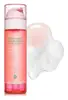
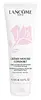
MAXCLINIC Rose Vitamin Brightening Oil Foam Versus Lancôme Crème Mousse Confort Creamy Foaming Cleanser
This foaming makeup remover is made to dissolve makeup, sunscreen, and daily buildup.


What's inside
What's inside
 Key Ingredients
Benefits
Concerns
Ingredients Side-by-side
Water
Skin ConditioningGlycerin
Humectant


Cocamidopropyl Betaine
Cleansing



Olea Europaea Fruit Oil
Masking



Potassium Cocoate
Emulsifying
PEG-6 Caprylic/Capric Glycerides
EmulsifyingAcrylates Copolymer
Potassium Cocoyl Glycinate
Surfactant
1,2-Hexanediol
Skin Conditioning
Sodium Chloride
MaskingSodium Hydroxide
BufferingSodium Cocoyl Glycinate
Cleansing
Tromethamine
BufferingSucrose
Humectant
Stearic Acid
Cleansing
Sodium Cocoyl Apple Amino Acids
Foam Boosting
Butylene Glycol
Humectant
Cocos Nucifera Oil
Masking
Phenoxyethanol
Preservative
Sodium Lauroyl Oat Amino Acids
CleansingSimmondsia Chinensis Seed Oil
Emollient
Hexylene Glycol
EmulsifyingCaprylic/Capric Triglyceride
Masking
Squalane
Emollient
Camellia Sinensis Leaf Extract
Antimicrobial





Babassuamidopropyl Betaine
CleansingGelatin
Hydrogenated Lecithin
Emulsifying
Disodium EDTA
ChelatingRubus Chamaemorus Seed Oil
Skin Conditioning
Tetrasodium EDTA
ChelatingCamellia Oleifera Seed Extract
AstringentCarica Papaya Fruit Extract
Skin ConditioningGypsophila Paniculata Root Extract
Skin ConditioningRosa Damascena Flower Water
Masking
Polyglyceryl-10 Stearate
Skin Conditioning
Portulaca Oleracea Extract
Skin Conditioning
Dioscorea Villosa Root Extract
Skin Conditioning
Pyrus Malus Seed Oil
Emollient
Pentylene Glycol
Skin Conditioning
Tropaeolum Majus Flower/Leaf/Stem Extract
Skin ConditioningCarthamus Tinctorius Seed Oil
Masking
Panthenol
Skin Conditioning
Rosa Damascena Flower Oil
Masking

Vigna Radiata Seed Extract
Skin ConditioningChlorphenesin
Antimicrobial
Vaccinium Myrtillus Fruit Extract
Skin ConditioningVaccinium Angustifolium Fruit Extract
Skin Protecting
Aronia Arbutifolia Fruit Extract
Skin ConditioningTocopheryl Acetate
Antioxidant
Sodium Ascorbyl Phosphate
Antioxidant

Quillaja Saponaria Bark Extract
CleansingHydrolyzed Ginseng Saponins
Skin ConditioningSaponaria Officinalis Leaf Extract
AntimicrobialFreesia Refracta Extract
Skin ConditioningAcacia Senegal Gum
MaskingBHT
Antioxidant
Terminalia Ferdinandiana Seed Oil
Antioxidant
Argania Spinosa Kernel Oil
Emollient
Morinda Citrifolia Leaf Extract
Skin ConditioningCellulose Gum
Emulsion StabilisingNiacinamide
Smoothing

Carbomer
Emulsion StabilisingSodium Hyaluronate
Humectant
Yucca Vera Leaf/Root Extract
MaskingMoringa Oleifera Seed Oil
Emollient
Glyceryl Linolenate
Emollient
Glyceryl Arachidonate
Emollient
Panax Ginseng Fruit Extract
Acer Saccharum Extract
Skin ConditioningSolanum Lycopersicum Fruit Extract
Antioxidant
Citric Acid
Buffering
Sodium Benzoate
Masking
Sapindus Trifoliatus Fruit Extract
Skin ConditioningPotassium Sorbate
Preservative
Caprylyl Glycol
Emollient
Thiamine Hcl
MaskingRetinyl Palmitate
Skin Conditioning
Pyridoxine
Skin ConditioningFolic Acid
Skin ConditioningBiotin
AntiseborrhoeicPrunus Domestica Fruit Extract
MoisturisingMaltodextrin
Absorbent
Triticum Vulgare Germ Extract
Skin ConditioningPrunus Armeniaca Fruit Extract
Skin ConditioningHippophae Rhamnoides Fruit Oil
Skin Protecting
Brassica Oleracea Italica Extract
AstringentBrassica Oleracea Capitata Leaf Extract
Skin ConditioningRaphanus Sativus Root Extract
AstringentBrassica Napus Extract
Skin ConditioningCyanocobalamin
Skin ConditioningMenadione
MaskingUlmus Davidiana Root Extract
Skin Conditioning
Maranta Arundinacea Root Extract
SmoothingPinus Palustris Leaf Extract
TonicOenothera Biennis Flower Extract
AstringentTropolone
Skin ConditioningAscorbyl Propyl Hyaluronate
Skin Conditioning
Sodium Citrate
BufferingCeramide NP
Skin Conditioning
Camellia Seed Oil
Pseudoalteromonas Ferment Extract
Humectant
Xanthan Gum
EmulsifyingLinoleic Acid
Cleansing
Ethylhexylglycerin
Skin ConditioningSerine
Masking
Proline
Skin Conditioning
Alanine
Masking
Sodium Phosphate
BufferingParfum
Masking
Water, Glycerin, Cocamidopropyl Betaine, Olea Europaea Fruit Oil, Potassium Cocoate, PEG-6 Caprylic/Capric Glycerides, Acrylates Copolymer, Potassium Cocoyl Glycinate, 1,2-Hexanediol, Sodium Chloride, Sodium Hydroxide, Sodium Cocoyl Glycinate, Tromethamine, Sucrose, Stearic Acid, Sodium Cocoyl Apple Amino Acids, Butylene Glycol, Cocos Nucifera Oil, Phenoxyethanol, Sodium Lauroyl Oat Amino Acids, Simmondsia Chinensis Seed Oil, Hexylene Glycol, Caprylic/Capric Triglyceride, Squalane, Camellia Sinensis Leaf Extract, Babassuamidopropyl Betaine, Gelatin, Hydrogenated Lecithin, Disodium EDTA, Rubus Chamaemorus Seed Oil, Tetrasodium EDTA, Camellia Oleifera Seed Extract, Carica Papaya Fruit Extract, Gypsophila Paniculata Root Extract, Rosa Damascena Flower Water, Polyglyceryl-10 Stearate, Portulaca Oleracea Extract, Dioscorea Villosa Root Extract, Pyrus Malus Seed Oil, Pentylene Glycol, Tropaeolum Majus Flower/Leaf/Stem Extract, Carthamus Tinctorius Seed Oil, Panthenol, Rosa Damascena Flower Oil, Vigna Radiata Seed Extract, Chlorphenesin, Vaccinium Myrtillus Fruit Extract, Vaccinium Angustifolium Fruit Extract, Aronia Arbutifolia Fruit Extract, Tocopheryl Acetate, Sodium Ascorbyl Phosphate, Quillaja Saponaria Bark Extract, Hydrolyzed Ginseng Saponins, Saponaria Officinalis Leaf Extract, Freesia Refracta Extract, Acacia Senegal Gum, BHT, Terminalia Ferdinandiana Seed Oil, Argania Spinosa Kernel Oil, Morinda Citrifolia Leaf Extract, Cellulose Gum, Niacinamide, Carbomer, Sodium Hyaluronate, Yucca Vera Leaf/Root Extract, Moringa Oleifera Seed Oil, Glyceryl Linolenate, Glyceryl Arachidonate, Panax Ginseng Fruit Extract, Acer Saccharum Extract, Solanum Lycopersicum Fruit Extract, Citric Acid, Sodium Benzoate, Sapindus Trifoliatus Fruit Extract, Potassium Sorbate, Caprylyl Glycol, Thiamine Hcl, Retinyl Palmitate, Pyridoxine, Folic Acid, Biotin, Prunus Domestica Fruit Extract, Maltodextrin, Triticum Vulgare Germ Extract, Prunus Armeniaca Fruit Extract, Hippophae Rhamnoides Fruit Oil, Brassica Oleracea Italica Extract, Brassica Oleracea Capitata Leaf Extract, Raphanus Sativus Root Extract, Brassica Napus Extract, Cyanocobalamin, Menadione, Ulmus Davidiana Root Extract, Maranta Arundinacea Root Extract, Pinus Palustris Leaf Extract, Oenothera Biennis Flower Extract, Tropolone, Ascorbyl Propyl Hyaluronate, Sodium Citrate, Ceramide NP, Camellia Seed Oil, Pseudoalteromonas Ferment Extract, Xanthan Gum, Linoleic Acid, Ethylhexylglycerin, Serine, Proline, Alanine, Sodium Phosphate, Parfum
Water
Skin ConditioningGlycerin
Humectant
Sodium Cocoyl Glycinate
Cleansing
Myristic Acid
Cleansing
Montmorillonite
AbsorbentButylene Glycol
Humectant
Palmitic Acid
Emollient
Glycol Stearate
Emollient
Lauric Acid
Cleansing
Stearic Acid
Cleansing
CI 77891
Cosmetic ColorantPotassium Hydroxide
BufferingParfum
Masking
Butyrospermum Parkii Butter
Skin Conditioning
Phenoxyethanol
Preservative
Sodium Hydroxide
BufferingSodium Hexametaphosphate
ChelatingButylparaben
Masking

Salicylic Acid
Masking
Tetrasodium EDTA
ChelatingPropylparaben
Preservative
P-Anisic Acid
MaskingO-Cymen-5-Ol
Antimicrobial
Rosa Canina Fruit Oil
Emollient
Hexyl Cinnamal
Perfuming
Tocopherol
Antioxidant
Propylene Glycol
Humectant
Alpha-Isomethyl Ionone
Perfuming
Geraniol
Perfuming
Farnesol
Perfuming
Rosa Gallica Flower Extract
AstringentCI 17200
Cosmetic ColorantNelumbium Speciosum Flower Extract
Skin ConditioningCI 14700
Cosmetic ColorantWater, Glycerin, Sodium Cocoyl Glycinate, Myristic Acid, Montmorillonite, Butylene Glycol, Palmitic Acid, Glycol Stearate, Lauric Acid, Stearic Acid, CI 77891, Potassium Hydroxide, Parfum, Butyrospermum Parkii Butter, Phenoxyethanol, Sodium Hydroxide, Sodium Hexametaphosphate, Butylparaben, Salicylic Acid, Tetrasodium EDTA, Propylparaben, P-Anisic Acid, O-Cymen-5-Ol, Rosa Canina Fruit Oil, Hexyl Cinnamal, Tocopherol, Propylene Glycol, Alpha-Isomethyl Ionone, Geraniol, Farnesol, Rosa Gallica Flower Extract, CI 17200, Nelumbium Speciosum Flower Extract, CI 14700
Reviews
Alternatives
Ingredients Explained
These ingredients are found in both products.
Ingredients higher up in an ingredient list are typically present in a larger amount.
Butylene Glycol (or BG) is used within cosmetic products for a few different reasons:
Overall, Butylene Glycol is a safe and well-rounded ingredient that works well with other ingredients.
Though this ingredient works well with most skin types, some people with sensitive skin may experience a reaction such as allergic rashes, closed comedones, or itchiness.
Learn more about Butylene GlycolGlycerin (or glycerol) is a compound naturally found in your skin. It's a powerhouse humectant that pulls water into the stratum corneum.
Topically, glycerin does several things at once:
Your skin makes glycerin on its own (mostly from sebaceous oil breakdown) and shuttles it to your outermost layer of skin, or your epidermis, via aquaporin-3.
Aquaporin-3 is a transporter that is essential for normal skin hydration, elasticity, and repair. Interestingly, mice lacking in AQP3 have dry and less elastic skin that can be fully corrected with glycerin.
This ingredient is non-irritating, plays well with almost every ingredient, and works across all skin types. Typical use is anywhere between 3-10% but can go up to 79% in some leave-on products.
Just know very high concentrations (>40%) can feel tacky in low humidity.
Glycerin is the name for this ingredient in American English. British English uses Glycerol/Glycerine.
Learn more about GlycerinParfum is a catch-all term for an ingredient or more that is used to give a scent to products.
Also called "fragrance", this ingredient can be a blend of hundreds of chemicals or plant oils. This means every product with "fragrance" or "parfum" in the ingredients list is a different mixture.
For instance, Habanolide is a proprietary trade name for a specific aroma chemical. When used as a fragrance ingredient in cosmetics, most aroma chemicals fall under the broad labeling category of “FRAGRANCE” or “PARFUM” according to EU and US regulations.
The term 'parfum' or 'fragrance' is not regulated in many countries. In many cases, it is up to the brand to define this term.
For instance, many brands choose to label themselves as "fragrance-free" because they are not using synthetic fragrances. However, their products may still contain ingredients such as essential oils that are considered a fragrance by INCI standards.
One example is Calendula flower extract. Calendula is an essential oil that still imparts a scent or 'fragrance'.
Depending on the blend, the ingredients in the mixture can cause allergies and sensitivities on the skin. Some ingredients that are known EU allergens include linalool and citronellol.
Parfum can also be used to mask or cover an unpleasant scent.
The bottom line is: not all fragrances/parfum/ingredients are created equally. If you are worried about fragrances, we recommend taking a closer look at an ingredient. And of course, we always recommend speaking with a professional.
Learn more about ParfumPhenoxyethanol is one of the most widely used preservatives in skincare (and for good reason!).
It has a large spectrum of antimicrobial activity and especially effective bacteria, yeast, and mold while only having a weak effect on your skin's natural microbiome.
On a cellular level, it disrupts the cell membranes of microbes by poking holes that make the cell leak. This shuts down the chemical reactions the microbe needs to make energy so it can no longer survive.
Another perk of this ingredient is that it stays functional across a wide pH range (3-10).
You'll often see it paired with boosters like Ethylhexylglycerin; one study showed that a 1:9 ratio of Ethylhexylglycerin to Phenoxyethanol damages bacterial membranes as effectively as doubling the Phenoxyethanol concentration on its own.
Typical use concentrations range from 0.3-1% depending on the formula, and this ingredient is capped at 1% int the EU.
Safety-wise, the fear mongering does not hold up to the evidence. The EU's Scientific Committee on Consumer Safety and FDA consider it safe as a preservative at up to 1%, including for children of all ages.
Adverse systemic effects only showed up in animal studies at exposures roughly 200x higher than what people get from cosmetics. And despite its very widespread use, this ingredient is a rare sensitizer and allergic reactions are uncommon.
Learn more about PhenoxyethanolSodium Cocoyl Glycinate is a cleansing agent. It can be naturally derived or synthetically-created.
As a surfactant, it helps clean your skin by gathering dirt, oil, and other pollutants to be rinsed away more easily.
Sodium Hydroxide is also known as lye or caustic soda. It is used to adjust the pH of products; many ingredients require a specific pH to be effective.
In small amounts, sodium hydroxide is considered safe to use. However, large amounts may cause chemical burns due to its high alkaline.
Your skin has a natural pH and acid mantle. This acid mantle helps prevent harmful bacteria from breaking through. The acid mantle also helps keep your skin hydrated.
"Alkaline" refers to a high pH level. A low pH level would be considered acidic.
Learn more about Sodium HydroxideStearic Acid is a fatty acid that is already found in your skin. It's one of the free fatty acids that works alongside ceramides and cholesterols to maintain your barrier.
In cosmetics, it is a multitasker:
Safety-wise, the CIR Expert Panel has concluded it to be safe in cosmetics when formulated to be non-irritating and non-sensitizing.
Free stearic acid is a C18 fatty acid that the Malassezia yeast can substrate, so this ingredient may not be fungal acne safe.
This ingredient does have a comedogenic rating of 2-3, but this doesn't mean a formula with this ingredient will clog pores.
Human testing has proved that any finished product with this ingredient won't automatically make you break out; it really comes down to concentration, formula, and your skin.
Learn more about Stearic AcidTetrasodium EDTA is the salt formed from neutralizing ethylenediamine tetraacetic acid with sodium hydroxide. It is a chelating agent and used to prevent metal ions from binding to other ingredients. This helps keep the product and ingredients stable.
Tetrasodium EDTA comes as a white solid and is soluble in water.
Water. It's the most common cosmetic ingredient of all. You'll usually see it at the top of ingredient lists, meaning that it makes up the largest part of the product.
So why is it so popular? Water most often acts as a solvent - this means that it helps dissolve other ingredients into the formulation.
You'll also recognize water as that liquid we all need to stay alive. If you see this, drink a glass of water. Remember to stay hydrated!
Learn more about Water

