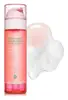
This foaming makeup remover is made to dissolve makeup, sunscreen, and daily buildup.
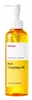
This oil-based makeup remover is made to dissolve makeup, sunscreen, and daily buildup.

What's inside
What's inside
 Key Ingredients
Benefits
Concerns
Ingredients Side-by-side
Water
Skin ConditioningGlycerin
Humectant


Cocamidopropyl Betaine
Cleansing



Olea Europaea Fruit Oil
Masking



Potassium Cocoate
Emulsifying
PEG-6 Caprylic/Capric Glycerides
EmulsifyingAcrylates Copolymer
Potassium Cocoyl Glycinate
Surfactant
1,2-Hexanediol
Skin Conditioning
Sodium Chloride
MaskingSodium Hydroxide
BufferingSodium Cocoyl Glycinate
Cleansing
Tromethamine
BufferingSucrose
Humectant
Stearic Acid
Cleansing
Sodium Cocoyl Apple Amino Acids
Foam Boosting
Butylene Glycol
Humectant
Cocos Nucifera Oil
Masking
Phenoxyethanol
Preservative
Sodium Lauroyl Oat Amino Acids
CleansingSimmondsia Chinensis Seed Oil
Emollient
Hexylene Glycol
EmulsifyingCaprylic/Capric Triglyceride
Masking
Squalane
Emollient
Camellia Sinensis Leaf Extract
Antimicrobial





Babassuamidopropyl Betaine
CleansingGelatin
Hydrogenated Lecithin
Emulsifying
Disodium EDTA
ChelatingRubus Chamaemorus Seed Oil
Skin Conditioning
Tetrasodium EDTA
ChelatingCamellia Oleifera Seed Extract
AstringentCarica Papaya Fruit Extract
Skin ConditioningGypsophila Paniculata Root Extract
Skin ConditioningRosa Damascena Flower Water
Masking
Polyglyceryl-10 Stearate
Skin Conditioning
Portulaca Oleracea Extract
Skin Conditioning
Dioscorea Villosa Root Extract
Skin Conditioning
Pyrus Malus Seed Oil
Emollient
Pentylene Glycol
Skin Conditioning
Tropaeolum Majus Flower/Leaf/Stem Extract
Skin ConditioningCarthamus Tinctorius Seed Oil
Masking
Panthenol
Skin Conditioning
Rosa Damascena Flower Oil
Masking

Vigna Radiata Seed Extract
Skin ConditioningChlorphenesin
Antimicrobial
Vaccinium Myrtillus Fruit Extract
Skin ConditioningVaccinium Angustifolium Fruit Extract
Skin Protecting
Aronia Arbutifolia Fruit Extract
Skin ConditioningTocopheryl Acetate
Antioxidant
Sodium Ascorbyl Phosphate
Antioxidant

Quillaja Saponaria Bark Extract
CleansingHydrolyzed Ginseng Saponins
Skin ConditioningSaponaria Officinalis Leaf Extract
AntimicrobialFreesia Refracta Extract
Skin ConditioningAcacia Senegal Gum
MaskingBHT
Antioxidant
Terminalia Ferdinandiana Seed Oil
Antioxidant
Argania Spinosa Kernel Oil
Emollient
Morinda Citrifolia Leaf Extract
Skin ConditioningCellulose Gum
Emulsion StabilisingNiacinamide
Smoothing

Carbomer
Emulsion StabilisingSodium Hyaluronate
Humectant
Yucca Vera Leaf/Root Extract
MaskingMoringa Oleifera Seed Oil
Emollient
Glyceryl Linolenate
Emollient
Glyceryl Arachidonate
Emollient
Panax Ginseng Fruit Extract
Acer Saccharum Extract
Skin ConditioningSolanum Lycopersicum Fruit Extract
Antioxidant
Citric Acid
Buffering
Sodium Benzoate
Masking
Sapindus Trifoliatus Fruit Extract
Skin ConditioningPotassium Sorbate
Preservative
Caprylyl Glycol
Emollient
Thiamine Hcl
MaskingRetinyl Palmitate
Skin Conditioning
Pyridoxine
Skin ConditioningFolic Acid
Skin ConditioningBiotin
AntiseborrhoeicPrunus Domestica Fruit Extract
MoisturisingMaltodextrin
Absorbent
Triticum Vulgare Germ Extract
Skin ConditioningPrunus Armeniaca Fruit Extract
Skin ConditioningHippophae Rhamnoides Fruit Oil
Skin Protecting
Brassica Oleracea Italica Extract
AstringentBrassica Oleracea Capitata Leaf Extract
Skin ConditioningRaphanus Sativus Root Extract
AstringentBrassica Napus Extract
Skin ConditioningCyanocobalamin
Skin ConditioningMenadione
MaskingUlmus Davidiana Root Extract
Skin Conditioning
Maranta Arundinacea Root Extract
SmoothingPinus Palustris Leaf Extract
TonicOenothera Biennis Flower Extract
AstringentTropolone
Skin ConditioningAscorbyl Propyl Hyaluronate
Skin Conditioning
Sodium Citrate
BufferingCeramide NP
Skin Conditioning
Camellia Seed Oil
Pseudoalteromonas Ferment Extract
Humectant
Xanthan Gum
EmulsifyingLinoleic Acid
Cleansing
Ethylhexylglycerin
Skin ConditioningSerine
Masking
Proline
Skin Conditioning
Alanine
Masking
Sodium Phosphate
BufferingParfum
Masking
Water, Glycerin, Cocamidopropyl Betaine, Olea Europaea Fruit Oil, Potassium Cocoate, PEG-6 Caprylic/Capric Glycerides, Acrylates Copolymer, Potassium Cocoyl Glycinate, 1,2-Hexanediol, Sodium Chloride, Sodium Hydroxide, Sodium Cocoyl Glycinate, Tromethamine, Sucrose, Stearic Acid, Sodium Cocoyl Apple Amino Acids, Butylene Glycol, Cocos Nucifera Oil, Phenoxyethanol, Sodium Lauroyl Oat Amino Acids, Simmondsia Chinensis Seed Oil, Hexylene Glycol, Caprylic/Capric Triglyceride, Squalane, Camellia Sinensis Leaf Extract, Babassuamidopropyl Betaine, Gelatin, Hydrogenated Lecithin, Disodium EDTA, Rubus Chamaemorus Seed Oil, Tetrasodium EDTA, Camellia Oleifera Seed Extract, Carica Papaya Fruit Extract, Gypsophila Paniculata Root Extract, Rosa Damascena Flower Water, Polyglyceryl-10 Stearate, Portulaca Oleracea Extract, Dioscorea Villosa Root Extract, Pyrus Malus Seed Oil, Pentylene Glycol, Tropaeolum Majus Flower/Leaf/Stem Extract, Carthamus Tinctorius Seed Oil, Panthenol, Rosa Damascena Flower Oil, Vigna Radiata Seed Extract, Chlorphenesin, Vaccinium Myrtillus Fruit Extract, Vaccinium Angustifolium Fruit Extract, Aronia Arbutifolia Fruit Extract, Tocopheryl Acetate, Sodium Ascorbyl Phosphate, Quillaja Saponaria Bark Extract, Hydrolyzed Ginseng Saponins, Saponaria Officinalis Leaf Extract, Freesia Refracta Extract, Acacia Senegal Gum, BHT, Terminalia Ferdinandiana Seed Oil, Argania Spinosa Kernel Oil, Morinda Citrifolia Leaf Extract, Cellulose Gum, Niacinamide, Carbomer, Sodium Hyaluronate, Yucca Vera Leaf/Root Extract, Moringa Oleifera Seed Oil, Glyceryl Linolenate, Glyceryl Arachidonate, Panax Ginseng Fruit Extract, Acer Saccharum Extract, Solanum Lycopersicum Fruit Extract, Citric Acid, Sodium Benzoate, Sapindus Trifoliatus Fruit Extract, Potassium Sorbate, Caprylyl Glycol, Thiamine Hcl, Retinyl Palmitate, Pyridoxine, Folic Acid, Biotin, Prunus Domestica Fruit Extract, Maltodextrin, Triticum Vulgare Germ Extract, Prunus Armeniaca Fruit Extract, Hippophae Rhamnoides Fruit Oil, Brassica Oleracea Italica Extract, Brassica Oleracea Capitata Leaf Extract, Raphanus Sativus Root Extract, Brassica Napus Extract, Cyanocobalamin, Menadione, Ulmus Davidiana Root Extract, Maranta Arundinacea Root Extract, Pinus Palustris Leaf Extract, Oenothera Biennis Flower Extract, Tropolone, Ascorbyl Propyl Hyaluronate, Sodium Citrate, Ceramide NP, Camellia Seed Oil, Pseudoalteromonas Ferment Extract, Xanthan Gum, Linoleic Acid, Ethylhexylglycerin, Serine, Proline, Alanine, Sodium Phosphate, Parfum
Glycine Soja Oil
Emollient
Corylus Avellana Seed Oil
Emollient
Sorbeth-30 Tetraoleate
Emulsifying
Vitis Vinifera Seed Oil
Emollient
Olea Europaea Fruit Oil
Masking
Caprylic/Capric Triglyceride
Masking
Squalane
Emollient
Isoamyl Laurate
Emollient
Camellia Japonica Seed Oil
Emollient
Oenothera Biennis Oil
Emollient
Simmondsia Chinensis Seed Oil
Emollient
Helianthus Annuus Seed Oil
Emollient
Argania Spinosa Kernel Oil
Emollient
Orbignya Oleifera Seed Oil
Emollient
Saponaria Officinalis Leaf Extract
AntimicrobialCamellia Sinensis Leaf Extract
Antimicrobial
Oryza Sativa Bran Oil
Emollient
Rice Ferment Filtrate
Skin Conditioning
Decyl Glucoside
Cleansing
Ginkgo Biloba Leaf Extract
Skin Conditioning
Lavandula Angustifolia Oil
Masking
Aloe Barbadensis Leaf Extract
Emollient
Citrus Aurantium Dulcis Oil
Masking
Melaleuca Alternifolia Leaf Oil
Antioxidant
Tocopherol
Antioxidant
Glycine Soja Oil, Corylus Avellana Seed Oil, Sorbeth-30 Tetraoleate, Vitis Vinifera Seed Oil, Olea Europaea Fruit Oil, Caprylic/Capric Triglyceride, Squalane, Isoamyl Laurate, Camellia Japonica Seed Oil, Oenothera Biennis Oil, Simmondsia Chinensis Seed Oil, Helianthus Annuus Seed Oil, Argania Spinosa Kernel Oil, Orbignya Oleifera Seed Oil, Saponaria Officinalis Leaf Extract, Camellia Sinensis Leaf Extract, Oryza Sativa Bran Oil, Rice Ferment Filtrate, Decyl Glucoside, Ginkgo Biloba Leaf Extract, Lavandula Angustifolia Oil, Aloe Barbadensis Leaf Extract, Citrus Aurantium Dulcis Oil, Melaleuca Alternifolia Leaf Oil, Tocopherol
Reviews
Alternatives
Ingredients Explained
These ingredients are found in both products.
Ingredients higher up in an ingredient list are typically present in a larger amount.
You may know this ingredient as argan oil. It has emollient and skin conditioning properties that help soften skin and reinforce the lipid barrier.
The fatty acid profile of argan oil is roughly 45-55% oleic acid, 28-36% linoleic acid, 10-15% palmitic acid, and 5-7% stearic acid. It also contains vitamin E, sterols, squalene, and polyphenols like ferulic acid.
Two clinical studies in postmenopausal women found that applying argan oil for 60 days significantly improved skin elasticity and moisturization (reduced transepidermal water loss and increased epidermal water content).
Since it is high in oleic and linoleic acid, this ingredient may not be fungal acne safe. Both of these fall in the C11-C24 range that Malassezia yeast can metabolize.
Learn more about Argania Spinosa Kernel OilCamellia Sinensis Leaf Extract (tea extract) is one of the most well-researched plant extracts in skincare with an impressive resume.
Black tea, green tea, and oolong tea are all harvested from the Camellia Sinensis plant.
Studies show green tea extract and its catechins (like epigallocatechin gallate (EGCG)) help your skin cells product energy more efficiently and reducing the number of free-radicals that can damage your skin from the inside.
In lab-grown skin models, this translated to younger, healthier, and stronger skin.
There's also good sun protection data; researchers saw less DNA damage and redness on human skin when green tea was applied before UVB exposure. And the more they applied, the better the protection.
Needless to say, this ingredient shouldn't replace your sunscreen. But it is a great supportive ingredient that you can already find in many sunscreens and antioxidant serums.
A 2009 study found a 2% green tea lotion was effective for mild-to-moderate acne thanks to its anti-inflammatory and mild antimicrobial activity.
The quality of the extract matters a lot here:
Good extracts contain 50-90% catechins while lower quality ones are mostly there for marketing. We recommend reaching out to the brand if you have questions about the quality or source of their ingredients.
Human Repeated Insult Patch Testing showed no irritation or sensitization at use concentrations (0.86% in leave-on products and up to 30% as leaf water).
Learn more about Camellia Sinensis Leaf ExtractCaprylic/Capric Triglyceride (aka MCT Oil) is a lightweight emollient, solvent, and texture enhancer. It is considered a skin-softener by helping to prevent moisture loss.
Though it behaves like an oil, it is not technically one due to its chemical composition. One perk of this ingredient is that it is very stable, resistant to oxidation, and unlikely to go rancid.
In practice, that translates to a long shelf life and a consistently elegant skin feel.
While there is an assumption Caprylic Triglyceride can clog pores due to it being derived from coconut oil, there is no research supporting this. Just patch test if you have concerns.
Fractionated coconut oil and MCT Oil are both listed as Caprylic/Capric Triglyceride according to INCI. This is because INCI names are based on the ingredient’s final chemical composition and not its marketing name or source.
This ingredient is treated as the gold standard fungal acne safe oil. Even though it is coconut derived, the problematic lauric acid is stripped out.
This leaves just caprylic (C8) and capric (C10) acid. These chain lengths actually trend antifungal; a 2020 study found caprylic acid was enough to disrupt Malassezia furfur cell membrane, with a caprylic acid derivative damaging membrane structures at concentrations as low as 0.2%.
Learn more about Caprylic/Capric TriglycerideThis ingredient is also known as olive oil. It has been used in skincare for centuries and science largely backs up its reputation as a nourishing emollient.
The main components of olive oil are oleic acid (55-83%), linoleic acid (3.5-20%), and palmitic acid (7-20%). Oleic acid promotes skin regeneration and helps regulate inflammatory responses.
Squalene is also naturally present in olive oil and exhibits moisturizing and antioxidant properties.
The polyphenols in olive oil also show anti-aging promise; one clinical study found a measurable improvement in skin appearance after 30 days of topical serum use.
Just be aware that applying olive oil directly to skin can weaken the barrier and cause redness. One study with volunteers found even people without sensitive skin experienced a significant reduction in stratum corneum integrity and induced mild erythema.
It's best to use this ingredient as part of a carefully crafted formula (instead of putting it on skin directly from the bottle).
Because it has a 0-2 on the comedogenic scale, it is low risk for acne-prone skin. Just remember the overall formulation of a product matters more than a few ingredients with comedogenic ratings.
This ingredient may not be fungal acne safe because of the oleic and palmitic acid content. These fall within the C11-24 fatty acid range that the Malassezia yeast can metabolize to grow.
Overall, olive oil is a well-studied and nourishing skincare ingredient.
Learn more about Olea Europaea Fruit OilWe don't have a description for Saponaria Officinalis Leaf Extract yet.
Jojoba oil is one of the most well-studied plant-derived ingredients in cosmetics. It is an emollient with a special structure.
Because it is made up of 97-98% wax esters, it closely mirrors the linear monoesters found in human sebum. This makes it skin compatible, non-greasy, and lightweight.
Unlike other plant oils, jojoba wax doesn't easily penetrate skin. It mostly works in the uppermost layers as an emollient. This just means it forms a light barrier on the skin to help retain moisture.
Formulations with jojoba esters up to 90% reduced transepidermal water loss (TEWL) and increased barrier recovery by 81% (outperforming bisabolol at 47%).
Besides barrier support, the science also suggests jojoba to have anti-inflammatory effects and potential applications for skin infections, aging, and wound healing.
Fun fact: Indigenous cultures have used jojoba as a moisturizer and to help treat burns for centuries.
Fungal acne: The Malassezia yeast is known to metabolize fatty acids in the C11-24 range and jojoba's dominant fatty acid components fall into this range. This ingredient may not be fungal acne safe.
Learn more about Simmondsia Chinensis Seed OilSqualane is the hydrogenated and shelf-stable form of squalene (a lipid that naturally occurs in human sebum).
It is an emollient and skin conditioning agent that is able to integrate seamlessly into the skin's lipid barrier without clogging pores.
This is due to how structurally similar it is to what your skin already produces.
Though it is mostly an emollient that helps soften and hydrate skin, it also has some humectant and occlusive action. Humectants help the skin retain moisture while occlusives seal it in, making squalane a triple-threat moisturizer.
Research shows it has antioxidant capabilities that help protect against stressors like UV exposure, specifically UVA induced oxidative stress. This study also found that it supports collagen biosynthesis in human dermal fibroblasts.
No clinical study has reported significant adverse effects and irritation reactions are very rare from this ingredient (even at 100% concentration).
Overall, it's a fantastic ingredient for hydration and is suitable for all skin types.
This depends on the source. Squalane can be derived from both plants and animals. Most squalane used in skincare comes from plants.
Please note: the source of squalane is only known if disclosed by the brand. We recommend reaching out to the brand if you have any questions about their squalane.
Read more about squalene with an "e".
Though squalane is often called an oil, it’s technically not one. It is a hydrocarbon, meaning it is only made of carbon and hydrogen. True oils are triglycerides and made of fatty acids and glycerol.
The term “oil-free” isn’t regulated so companies can define it however they want. Some exclude all oils, while others just avoid mineral oil or comedogenic oils.
Squalane has a comedogenic rating of 1 from the original 1972 study that tested raw ingredients under occlusion on rabbit ears. This system is not standardized or peer-reviewed, and using the raw ingredients is very different from how diluted cosmetic formulations are used on human skin.
A comedogenic rating of 1 means it is "unlikely to clog pores" according to the original rating system.
The overall formula of a product matters more than the individual ingredients on whether or not it will cause clogged pores.
Learn more about Squalane

