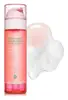
This foaming makeup remover is made to dissolve makeup, sunscreen, and daily buildup.
This foaming cleanser uses mild cleansing ingredients, but contains alcohol that may feel drying for some.

What's inside
What's inside
 Key Ingredients

Benefits
Concerns
Ingredients Side-by-side
Water
Skin ConditioningGlycerin
Humectant


Cocamidopropyl Betaine
Cleansing



Olea Europaea Fruit Oil
Masking



Potassium Cocoate
Emulsifying
PEG-6 Caprylic/Capric Glycerides
EmulsifyingAcrylates Copolymer
Potassium Cocoyl Glycinate
Surfactant
1,2-Hexanediol
Skin Conditioning
Sodium Chloride
MaskingSodium Hydroxide
BufferingSodium Cocoyl Glycinate
Cleansing
Tromethamine
BufferingSucrose
Humectant
Stearic Acid
Cleansing
Sodium Cocoyl Apple Amino Acids
Foam Boosting
Butylene Glycol
Humectant
Cocos Nucifera Oil
Masking
Phenoxyethanol
Preservative
Sodium Lauroyl Oat Amino Acids
CleansingSimmondsia Chinensis Seed Oil
Emollient
Hexylene Glycol
EmulsifyingCaprylic/Capric Triglyceride
Masking
Squalane
Emollient
Camellia Sinensis Leaf Extract
Antimicrobial





Babassuamidopropyl Betaine
CleansingGelatin
Hydrogenated Lecithin
Emulsifying
Disodium EDTA
ChelatingRubus Chamaemorus Seed Oil
Skin Conditioning
Tetrasodium EDTA
ChelatingCamellia Oleifera Seed Extract
AstringentCarica Papaya Fruit Extract
Skin ConditioningGypsophila Paniculata Root Extract
Skin ConditioningRosa Damascena Flower Water
Masking
Polyglyceryl-10 Stearate
Skin Conditioning
Portulaca Oleracea Extract
Skin Conditioning
Dioscorea Villosa Root Extract
Skin Conditioning
Pyrus Malus Seed Oil
Emollient
Pentylene Glycol
Skin Conditioning
Tropaeolum Majus Flower/Leaf/Stem Extract
Skin ConditioningCarthamus Tinctorius Seed Oil
Masking
Panthenol
Skin Conditioning
Rosa Damascena Flower Oil
Masking

Vigna Radiata Seed Extract
Skin ConditioningChlorphenesin
Antimicrobial
Vaccinium Myrtillus Fruit Extract
Skin ConditioningVaccinium Angustifolium Fruit Extract
Skin Protecting
Aronia Arbutifolia Fruit Extract
Skin ConditioningTocopheryl Acetate
Antioxidant
Sodium Ascorbyl Phosphate
Antioxidant

Quillaja Saponaria Bark Extract
CleansingHydrolyzed Ginseng Saponins
Skin ConditioningSaponaria Officinalis Leaf Extract
AntimicrobialFreesia Refracta Extract
Skin ConditioningAcacia Senegal Gum
MaskingBHT
Antioxidant
Terminalia Ferdinandiana Seed Oil
Antioxidant
Argania Spinosa Kernel Oil
Emollient
Morinda Citrifolia Leaf Extract
Skin ConditioningCellulose Gum
Emulsion StabilisingNiacinamide
Smoothing

Carbomer
Emulsion StabilisingSodium Hyaluronate
Humectant
Yucca Vera Leaf/Root Extract
MaskingMoringa Oleifera Seed Oil
Emollient
Glyceryl Linolenate
Emollient
Glyceryl Arachidonate
Emollient
Panax Ginseng Fruit Extract
Acer Saccharum Extract
Skin ConditioningSolanum Lycopersicum Fruit Extract
Antioxidant
Citric Acid
Buffering
Sodium Benzoate
Masking
Sapindus Trifoliatus Fruit Extract
Skin ConditioningPotassium Sorbate
Preservative
Caprylyl Glycol
Emollient
Thiamine Hcl
MaskingRetinyl Palmitate
Skin Conditioning
Pyridoxine
Skin ConditioningFolic Acid
Skin ConditioningBiotin
AntiseborrhoeicPrunus Domestica Fruit Extract
MoisturisingMaltodextrin
Absorbent
Triticum Vulgare Germ Extract
Skin ConditioningPrunus Armeniaca Fruit Extract
Skin ConditioningHippophae Rhamnoides Fruit Oil
Skin Protecting
Brassica Oleracea Italica Extract
AstringentBrassica Oleracea Capitata Leaf Extract
Skin ConditioningRaphanus Sativus Root Extract
AstringentBrassica Napus Extract
Skin ConditioningCyanocobalamin
Skin ConditioningMenadione
MaskingUlmus Davidiana Root Extract
Skin Conditioning
Maranta Arundinacea Root Extract
SmoothingPinus Palustris Leaf Extract
TonicOenothera Biennis Flower Extract
AstringentTropolone
Skin ConditioningAscorbyl Propyl Hyaluronate
Skin Conditioning
Sodium Citrate
BufferingCeramide NP
Skin Conditioning
Camellia Seed Oil
Pseudoalteromonas Ferment Extract
Humectant
Xanthan Gum
EmulsifyingLinoleic Acid
Cleansing
Ethylhexylglycerin
Skin ConditioningSerine
Masking
Proline
Skin Conditioning
Alanine
Masking
Sodium Phosphate
BufferingParfum
Masking
Water, Glycerin, Cocamidopropyl Betaine, Olea Europaea Fruit Oil, Potassium Cocoate, PEG-6 Caprylic/Capric Glycerides, Acrylates Copolymer, Potassium Cocoyl Glycinate, 1,2-Hexanediol, Sodium Chloride, Sodium Hydroxide, Sodium Cocoyl Glycinate, Tromethamine, Sucrose, Stearic Acid, Sodium Cocoyl Apple Amino Acids, Butylene Glycol, Cocos Nucifera Oil, Phenoxyethanol, Sodium Lauroyl Oat Amino Acids, Simmondsia Chinensis Seed Oil, Hexylene Glycol, Caprylic/Capric Triglyceride, Squalane, Camellia Sinensis Leaf Extract, Babassuamidopropyl Betaine, Gelatin, Hydrogenated Lecithin, Disodium EDTA, Rubus Chamaemorus Seed Oil, Tetrasodium EDTA, Camellia Oleifera Seed Extract, Carica Papaya Fruit Extract, Gypsophila Paniculata Root Extract, Rosa Damascena Flower Water, Polyglyceryl-10 Stearate, Portulaca Oleracea Extract, Dioscorea Villosa Root Extract, Pyrus Malus Seed Oil, Pentylene Glycol, Tropaeolum Majus Flower/Leaf/Stem Extract, Carthamus Tinctorius Seed Oil, Panthenol, Rosa Damascena Flower Oil, Vigna Radiata Seed Extract, Chlorphenesin, Vaccinium Myrtillus Fruit Extract, Vaccinium Angustifolium Fruit Extract, Aronia Arbutifolia Fruit Extract, Tocopheryl Acetate, Sodium Ascorbyl Phosphate, Quillaja Saponaria Bark Extract, Hydrolyzed Ginseng Saponins, Saponaria Officinalis Leaf Extract, Freesia Refracta Extract, Acacia Senegal Gum, BHT, Terminalia Ferdinandiana Seed Oil, Argania Spinosa Kernel Oil, Morinda Citrifolia Leaf Extract, Cellulose Gum, Niacinamide, Carbomer, Sodium Hyaluronate, Yucca Vera Leaf/Root Extract, Moringa Oleifera Seed Oil, Glyceryl Linolenate, Glyceryl Arachidonate, Panax Ginseng Fruit Extract, Acer Saccharum Extract, Solanum Lycopersicum Fruit Extract, Citric Acid, Sodium Benzoate, Sapindus Trifoliatus Fruit Extract, Potassium Sorbate, Caprylyl Glycol, Thiamine Hcl, Retinyl Palmitate, Pyridoxine, Folic Acid, Biotin, Prunus Domestica Fruit Extract, Maltodextrin, Triticum Vulgare Germ Extract, Prunus Armeniaca Fruit Extract, Hippophae Rhamnoides Fruit Oil, Brassica Oleracea Italica Extract, Brassica Oleracea Capitata Leaf Extract, Raphanus Sativus Root Extract, Brassica Napus Extract, Cyanocobalamin, Menadione, Ulmus Davidiana Root Extract, Maranta Arundinacea Root Extract, Pinus Palustris Leaf Extract, Oenothera Biennis Flower Extract, Tropolone, Ascorbyl Propyl Hyaluronate, Sodium Citrate, Ceramide NP, Camellia Seed Oil, Pseudoalteromonas Ferment Extract, Xanthan Gum, Linoleic Acid, Ethylhexylglycerin, Serine, Proline, Alanine, Sodium Phosphate, Parfum
Glycerin
Humectant
Water
Skin ConditioningSodium Cocoyl Glycinate
Cleansing
Sodium Lauroyl Glutamate
Surfactant1,2-Hexanediol
Skin Conditioning
Hydroxypropyl Starch Phosphate
Butylene Glycol
Humectant
Phaseolus Radiatus Seed Powder
Lauryl Betaine
CleansingHydroxyacetophenone
Antioxidant
Vigna Radiata Seed Extract
Skin ConditioningEthylhexylglycerin
Skin ConditioningSodium Chloride
MaskingAlcohol
Antimicrobial
Betaine
Humectant
Polyquaternium-39
Melia Azadirachta Leaf Extract
Skin ConditioningMelia Azadirachta Flower Extract
Skin ConditioningDextrin
AbsorbentTheobroma Cacao Seed Extract
Antioxidant
Coccinia Indica Fruit Extract
Skin Conditioning
Allantoin
Skin Conditioning
Phellodendron Amurense Bark Extract
Skin ConditioningAloe Barbadensis Flower Extract
EmollientSolanum Melongena Fruit Extract
Skin ConditioningSodium Benzoate
Masking
Ocimum Sanctum Leaf Extract
Skin ConditioningCorallina Officinalis Extract
Skin Conditioning
Curcuma Longa Root Extract
Antioxidant
Anthemis Nobilis Flower Extract
Masking
Tocopherol
Antioxidant
Hydrogenated Lecithin
Emulsifying
Centella Asiatica Extract
Cleansing
Ficus Carica Fruit Extract
Humectant
Ceramide NP
Skin Conditioning
Sodium Hyaluronate
Humectant
Camellia Sinensis Leaf Powder
Glycerin, Water, Sodium Cocoyl Glycinate, Sodium Lauroyl Glutamate, 1,2-Hexanediol, Hydroxypropyl Starch Phosphate, Butylene Glycol, Phaseolus Radiatus Seed Powder, Lauryl Betaine, Hydroxyacetophenone, Vigna Radiata Seed Extract, Ethylhexylglycerin, Sodium Chloride, Alcohol, Betaine, Polyquaternium-39, Melia Azadirachta Leaf Extract, Melia Azadirachta Flower Extract, Dextrin, Theobroma Cacao Seed Extract, Coccinia Indica Fruit Extract, Allantoin, Phellodendron Amurense Bark Extract, Aloe Barbadensis Flower Extract, Solanum Melongena Fruit Extract, Sodium Benzoate, Ocimum Sanctum Leaf Extract, Corallina Officinalis Extract, Curcuma Longa Root Extract, Anthemis Nobilis Flower Extract, Tocopherol, Hydrogenated Lecithin, Centella Asiatica Extract, Ficus Carica Fruit Extract, Ceramide NP, Sodium Hyaluronate, Camellia Sinensis Leaf Powder
Reviews
Alternatives
Ingredients Explained
These ingredients are found in both products.
Ingredients higher up in an ingredient list are typically present in a larger amount.
1,2-Hexanediol is a synthetic liquid and another multi-functional powerhouse.
It is a:
- Humectant, drawing moisture into the skin
- Emollient, helping to soften skin
- Solvent, dispersing and stabilizing formulas
- Preservative booster, enhancing the antimicrobial activity of other preservatives
Butylene Glycol (or BG) is used within cosmetic products for a few different reasons:
Overall, Butylene Glycol is a safe and well-rounded ingredient that works well with other ingredients.
Though this ingredient works well with most skin types, some people with sensitive skin may experience a reaction such as allergic rashes, closed comedones, or itchiness.
Learn more about Butylene GlycolCeramide NP (formerly known as Ceramide 3) is one of the skin's naturally occurring lipids.
Since ceramides are the major lipid components of the skin, they are crucial for maintaining skin barrier and hydration. Ceramide NP most closely mirrors the dominant kind in human skin amongst ceramide subtypes.
This ceramide works by slotting into gaps within the stratum corneum's lipid matrix to limit trans-epidermal water loss (TEWL) and shield the skin against external irritants.
A study with 312 patients found that using a ceramide-containing routine for 4 weeks reduced the severity of atopic dermatitis by over 61%.
Another clinical study in subjects aged 60 and older found that a ceramide body wash and moisturizer improved skin dryness and itchy skin in 15 days.
Overall, ceramides are considered non-irritating and safety tests have found little to no observable adverse effects from using this ingredient.
Ceramide NP is usually sourced from plants (like soybean or rice bran), or produced synthetically.
Learn more about Ceramide NPEthylhexylglycerin is created from glycerin. It is a multitasker ingredient that:
The CIR Expert Panel found minimal skin absorption or sensitization of any kind in a safety assessment. Though this ingredient is considered well-tolerated, a small number of cases of allergic dermatitis have been published since 2002. Just be sure to patch test if you are unsure.
Industry-reported use ranges from 8% in rinse-off products and 2% in leave-on formulations.
Learn more about EthylhexylglycerinGlycerin (or glycerol) is a compound naturally found in your skin. It's a powerhouse humectant that pulls water into the stratum corneum.
Topically, glycerin does several things at once:
Your skin makes glycerin on its own (mostly from sebaceous oil breakdown) and shuttles it to your outermost layer of skin, or your epidermis, via aquaporin-3.
Aquaporin-3 is a transporter that is essential for normal skin hydration, elasticity, and repair. Interestingly, mice lacking in AQP3 have dry and less elastic skin that can be fully corrected with glycerin.
This ingredient is non-irritating, plays well with almost every ingredient, and works across all skin types. Typical use is anywhere between 3-10% but can go up to 79% in some leave-on products.
Just know very high concentrations (>40%) can feel tacky in low humidity.
Glycerin is the name for this ingredient in American English. British English uses Glycerol/Glycerine.
Learn more about GlycerinHydrogenated Lecithin is a more stable version of lecithin.
It's made by taking lecithin (a phospholipid commonly found in soybeans and egg yolks) and hydrogenating it. This just means the unsaturated fatty acids are turned into saturated ones so they don't go bad as easily.
This ingredient is an emollient, emulsifier, and penetration enhancer. As an emollient, it helps soften and hydrate skin by trapping moisture within. As an emulsifier, it prevents oil and water ingredients from separating.
Hydrogenated Lecithin can form tiny spherical structures made of phospholipid bilayers called liposomes. These liposomes are able to capture compounds inside their structure and deliver them through the skin barrier.
Because phospholipids are a natural component of our cell membranes, this ingredient is inherently compatible with skin.
A 2021 study found lecithin-based surfactants were less harsh and more tolerable comared to Sodium Lauryl Sulfate (SLS).
Learn more about Hydrogenated LecithinSodium Benzoate is a preservative. It's used in both cosmetic and food products to inhibit the growth of mold and bacteria. It is typically produced synthetically.
Both the US FDA and EU Health Committee have approved the use of sodium benzoate. In the US, levels of 0.1% (of the total product) are allowed.
Sodium benzoate works as a preservative by inhibiting the growth of bacteria inside of cells. It prevents the cell from fermenting a type of sugar using an enzyme called phosphofructokinase.
It is the salt of benzoic acid. Foods containing sodium benzoate include soda, salad dressings, condiments, fruit juices, wines, and snack foods.
Studies for using ascorbic acid and sodium benzoate in cosmetics are lacking, especially in skincare routines with multiple steps.
We always recommend speaking with a professional, such as a dermatologist, if you have any concerns.
Learn more about Sodium BenzoateChances are, you eat sodium chloride every day. Sodium Chloride is also known as table salt. This ingredient has many purposes in skincare: thickener, emulsifier, and exfoliator.
You'll most likely find this ingredient in cleansers where it is used to create a gel-like texture. As an emulsifier, it also prevents ingredients from separating.
You might see people debate whether Sodium Chloride is comedogenic, but there actually haven't been any comedogenic tests done on it. Either way, the overall formulation of a product matters a lot more than any single ingredient.
You might see this ingredient used in scrubs as a primary exfoliating ingredient.
Learn more about Sodium ChlorideSodium Cocoyl Glycinate is a cleansing agent. It can be naturally derived or synthetically-created.
As a surfactant, it helps clean your skin by gathering dirt, oil, and other pollutants to be rinsed away more easily.
Sodium Hyaluronate is the salt form of hyaluronic acid. It is a long sugar chain that is naturally found in your skin, joints, and connective tissue that maintains hydration and elasticity.
In skincare, it works as a humectant. It pulls water from the environment and deeper layers of skin and binds it to the surface.
Interestingly, the size of the molecule affects its behavior:
Some clinical evidence links low molecular weight versions to improved wrinkle depth, elasticity, anti-inflammatory effects, and barrier repair.
Many serums use a blend of both weights so you can get surface hydration plus longer-lasting and deeper effects.
You'll typically see concentrations between 0.1-2% for this ingredient.
Learn more about Sodium HyaluronateVigna Radiata Seed Extract is also known as mung bean extract. It's a plant-derived ingredient with skin conditioning properties.
The seeds and sprouts are naturally rich in phenolic acids and flavonoids that give the extract solid free-radical scavenging activity.
Interestingly, it has some brightening research behind it too; the purified fraction of sprouted mung bean extract was better than arbutin at reducing melanin production in cells. Sprouted extracts also blocked tyrosinase (the enzyme that triggers pigment production) and this effect is mostly credited to a compound called vitexin.
In a separate study, researchers packaged mung been seed coat extract into tiny delivery particles called niosomes (similar idea to liposomes) and found it protected skin cells from UV damage in lab testing + boosted collagen production.
Another study tested creams with 10-25% mung bean seed coat extract and the version with the highest amount (25%) had the strongest antioxidant activity.
It's worth noting most of this evidence is in-vitro and early-stage formulation work rather than the large clinical trials on humans.
Learn more about Vigna Radiata Seed ExtractWater. It's the most common cosmetic ingredient of all. You'll usually see it at the top of ingredient lists, meaning that it makes up the largest part of the product.
So why is it so popular? Water most often acts as a solvent - this means that it helps dissolve other ingredients into the formulation.
You'll also recognize water as that liquid we all need to stay alive. If you see this, drink a glass of water. Remember to stay hydrated!
Learn more about Water

