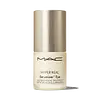
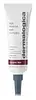
Mac Cosmetics Hyper Real Serumizer Eye 360° Bright Eye Treatment Versus Dermalogica Age Reversal Eye Complex
This brightening eye moisturizer is formulated around Niacinamide and Caffeine to brighten dull-looking skin and soften the look of wrinkles.
This anti-aging eye moisturizer is formulated around Niacinamide and Palmitoyl Tetrapeptide-7 to soften the look of wrinkles and refine skin texture.

What's inside
What's inside
 Key Ingredients
Benefits
Concerns
Ingredients Side-by-side
Water
Skin ConditioningGlycerin
Humectant


Dimethicone
Emollient
Butylene Glycol
Humectant
Isohexadecane
EmollientOctyldodecanol
Emollient
Alcohol Denat.
Antimicrobial




Squalane
Emollient
Glyceryl Stearate
Emollient
PEG-100 Stearate
Surfactant
Sodium Polyaspartate
HumectantNiacinamide
Smoothing








Algae Extract
Emollient
Paeonia Albiflora Flower Extract
TonicCaffeine
Skin Conditioning
Trametes Versicolor Extract
Ascorbyl Glucoside
Antioxidant

Acetyl Hexapeptide-8
Humectant
Trehalose
Humectant
Cholesterol
Emollient
Linoleic Acid
Cleansing
Sorbitol
Humectant
Aleurites Moluccanus Seed Oil
Skin Conditioning
Mangifera Indica Seed Butter
Skin Conditioning
Butyrospermum Parkii Butter
Skin Conditioning
Polybutene
Whey Protein
Skin ConditioningCeramide Ng
Skin Conditioning
Dimethiconol
Emollient
Dipotassium Glycyrrhizate
Humectant
Laminaria Digitata Extract
Skin Protecting
Cera Alba
Emollient
Sodium Hyaluronate
Humectant
Caprylyl Glycol
Emollient
Ethylhexylglycerin
Skin ConditioningSilica
Abrasive
Citric Acid
Buffering
Polyacrylate Crosspolymer-6
Emulsion StabilisingHdi/Trimethylol Hexyllactone Crosspolymer
Cetyl Alcohol
Emollient
Behenyl Alcohol
Emollient
Oleic/Linoleic/Linolenic Polyglycerides
Emollient
Hydroxyethyl Acrylate/Sodium Acryloyldimethyl Taurate Copolymer
Emulsion StabilisingHydrogenated Lecithin
Emulsifying
Sodium Hydroxide
BufferingSodium Phytate
ChelatingPolysorbate 60
Emulsifying
Sorbitan Isostearate
Emulsifying
Disodium EDTA
ChelatingTocopheryl Acetate
Antioxidant
Hydroxyacetophenone
Antioxidant
Tetrahexyldecyl Ascorbate
Antioxidant
Tocopherol
Antioxidant
Phenoxyethanol
Preservative
Potassium Sorbate
Preservative
Water, Glycerin, Dimethicone, Butylene Glycol, Isohexadecane, Octyldodecanol, Alcohol Denat., Squalane, Glyceryl Stearate, PEG-100 Stearate, Sodium Polyaspartate, Niacinamide, Algae Extract, Paeonia Albiflora Flower Extract, Caffeine, Trametes Versicolor Extract, Ascorbyl Glucoside, Acetyl Hexapeptide-8, Trehalose, Cholesterol, Linoleic Acid, Sorbitol, Aleurites Moluccanus Seed Oil, Mangifera Indica Seed Butter, Butyrospermum Parkii Butter, Polybutene, Whey Protein, Ceramide Ng, Dimethiconol, Dipotassium Glycyrrhizate, Laminaria Digitata Extract, Cera Alba, Sodium Hyaluronate, Caprylyl Glycol, Ethylhexylglycerin, Silica, Citric Acid, Polyacrylate Crosspolymer-6, Hdi/Trimethylol Hexyllactone Crosspolymer, Cetyl Alcohol, Behenyl Alcohol, Oleic/Linoleic/Linolenic Polyglycerides, Hydroxyethyl Acrylate/Sodium Acryloyldimethyl Taurate Copolymer, Hydrogenated Lecithin, Sodium Hydroxide, Sodium Phytate, Polysorbate 60, Sorbitan Isostearate, Disodium EDTA, Tocopheryl Acetate, Hydroxyacetophenone, Tetrahexyldecyl Ascorbate, Tocopherol, Phenoxyethanol, Potassium Sorbate
Water
Skin ConditioningMethylheptyl Isostearate
Skin ConditioningCyclopentasiloxane
Emollient
Cetyl Alcohol
Emollient
Diglycerin
Humectant
Dimethicone
Emollient
Pentylene Glycol
Skin Conditioning
Prunus Armeniaca Kernel Oil
Masking
Glyceryl Stearate
Emollient
PEG-100 Stearate
Surfactant
Isohexadecane
EmollientPropanediol
Solvent
Glycerin
Humectant
Niacinamide
Smoothing
Palmitoyl Tetrapeptide-7
Skin Conditioning
Sodium Ascorbyl Phosphate
Antioxidant
Algae Extract
Emollient
Retinol
Skin Conditioning
Saccharomyces Lysate Extract
Humectant
Palmitoyl Tripeptide-5
Skin Conditioning
Avena Sativa Kernel Extract
Abrasive
Dunaliella Salina Extract
Skin ConditioningPanthenol
Skin Conditioning
Hydrolyzed Lupine Protein
Skin ConditioningDipeptide-2
Skin Conditioning
Ascorbyl Palmitate
Antioxidant
Sodium Hyaluronate
Humectant
Medicago Sativa Seed Extract
Skin ConditioningHydrolyzed Soy Protein
Humectant
Glycyrrhiza Glabra Root Extract
Bleaching
Bisabolol
Antioxidant
Caffeine
Skin Conditioning
Glucosamine Hcl
Aleurites Moluccanus Seed Oil
Skin Conditioning
Fraxinus Excelsior Bark Extract
Skin ConditioningTocopherol
Antioxidant
Silanetriol
Palmitoyl Tripeptide-1
Skin Conditioning
Ceramide NP
Skin Conditioning
Lecithin
Emollient
Arginine/Lysine Polypeptide
Skin Conditioning
Tremella Fuciformis Polysaccharide
Emulsion Stabilising
Camellia Sinensis Leaf Extract
Antimicrobial
Cucumis Sativus Fruit Extract
Emollient
Tocopheryl Acetate
Antioxidant
Corallina Officinalis Extract
Skin Conditioning
Dimethiconol
Emollient
Hesperidin Methyl Chalcone
Antioxidant
Pantolactone
Humectant
Sodium Lactate
Buffering
Leuconostoc/Radish Root Ferment Filtrate
Antimicrobial
Acrylates/C10-30 Alkyl Acrylate Crosspolymer
Emulsion StabilisingLaureth-23
Cleansing
Oryza Sativa Bran Extract
Skin Conditioning
Urea
Buffering
Polyglycerin-3
Humectant
Helianthus Annuus Seed Oil
Emollient
Cetyl Palmitate
Emollient
Trideceth-6 Phosphate
EmulsifyingButylene Glycol
Humectant
Carbomer
Emulsion StabilisingPotassium Sorbate
Preservative
Oleth-20
CleansingSodium Acrylates Copolymer
Isostearic Acid
Cleansing
Steareth-20
CleansingPolysorbate 20
Emulsifying
Caprylic/Capric Triglyceride
Masking
Disodium EDTA
ChelatingSodium Benzoate
Masking
BHA
Antioxidant
Potassium Citrate
BufferingCitric Acid
Buffering
BHT
Antioxidant
Sodium Hydroxide
BufferingAminomethyl Propanol
BufferingEthylhexylglycerin
Skin ConditioningPhenoxyethanol
Preservative
Water, Methylheptyl Isostearate, Cyclopentasiloxane, Cetyl Alcohol, Diglycerin, Dimethicone, Pentylene Glycol, Prunus Armeniaca Kernel Oil, Glyceryl Stearate, PEG-100 Stearate, Isohexadecane, Propanediol, Glycerin, Niacinamide, Palmitoyl Tetrapeptide-7, Sodium Ascorbyl Phosphate, Algae Extract, Retinol, Saccharomyces Lysate Extract, Palmitoyl Tripeptide-5, Avena Sativa Kernel Extract, Dunaliella Salina Extract, Panthenol, Hydrolyzed Lupine Protein, Dipeptide-2, Ascorbyl Palmitate, Sodium Hyaluronate, Medicago Sativa Seed Extract, Hydrolyzed Soy Protein, Glycyrrhiza Glabra Root Extract, Bisabolol, Caffeine, Glucosamine Hcl, Aleurites Moluccanus Seed Oil, Fraxinus Excelsior Bark Extract, Tocopherol, Silanetriol, Palmitoyl Tripeptide-1, Ceramide NP, Lecithin, Arginine/Lysine Polypeptide, Tremella Fuciformis Polysaccharide, Camellia Sinensis Leaf Extract, Cucumis Sativus Fruit Extract, Tocopheryl Acetate, Corallina Officinalis Extract, Dimethiconol, Hesperidin Methyl Chalcone, Pantolactone, Sodium Lactate, Leuconostoc/Radish Root Ferment Filtrate, Acrylates/C10-30 Alkyl Acrylate Crosspolymer, Laureth-23, Oryza Sativa Bran Extract, Urea, Polyglycerin-3, Helianthus Annuus Seed Oil, Cetyl Palmitate, Trideceth-6 Phosphate, Butylene Glycol, Carbomer, Potassium Sorbate, Oleth-20, Sodium Acrylates Copolymer, Isostearic Acid, Steareth-20, Polysorbate 20, Caprylic/Capric Triglyceride, Disodium EDTA, Sodium Benzoate, BHA, Potassium Citrate, Citric Acid, BHT, Sodium Hydroxide, Aminomethyl Propanol, Ethylhexylglycerin, Phenoxyethanol
Reviews
Ingredients Explained
These ingredients are found in both products.
Ingredients higher up in an ingredient list are typically present in a larger amount.
Aleurites Moluccanus Seed Oil is oil from the Kukui nut and native to Hawaii.
Aleurites Moluccanus Seed Oil helps soften the skin as an emollient. It also provides antioxidants. Antioxidants help fight free-radicals. Free-radicals are molecules that may damage your skin cells, such as pollution.
Aleurites Moluccanus Seed Oil can also help soothe the skin.
This nut has been used by many cultures for curing illnesses, such as headache and fever.
Learn more about Aleurites Moluccanus Seed OilAlgae Extract is one of the vaguest names on any label because it just means "extract of some alga" (and there are thousands of species and dozens of ways to extract them). This just means two products listing it can contain completely different things.
This ingredient name was actually officially retired in the INCI dictionary in 2015 and brands were pushed toward species-specific names instead (like Laminaria Digitata Extract or Chondrus Crispus Extract).
Generally, it is used to hold water and soften skin in a formula. Algae are rich in polysaccharides, pigments, and amino-acids that act as humectants, emollients, and skin-conditioning agents.
It isn't on standard cosmetic-patch test panels and "seaweed dermatitis" is actually an acute irritant reaction to algal toxins in seawater and not the cosmetic ingredient.
You'll see algae listed as a 5/5 on a lot of pore-clogging charts and that number doesn't come from anywhere; it's not in the original rabbit-ear studies that most comedogenic ratings trace back to.
The reasoning behind the reputation is that seaweed is high in iodine and iodine can trigger acne-like breakouts when eaten. This traces back to a 1976 letter in Archives of Dermatology describing two women whose breakouts cleared after they stopped taking high-dose kelp supplements orally.
And the reaction of these two women wasn't clogged pores at all: it was an iodine-triggered pustular rash. Later research found normal dietary iodine doesn't meaningfully affect acne either and nobody has shown topical algae delivers enough iodine to matter.
What we do have is dozens of brown and red algae ingredients found to be non-irritating and non-sensitizing, and a handful of studies that found algae compounds may actually help acne.
However, plenty of people do report breaking out from algae-containing products. Skin is individual and it's worth avoiding if yours has reacted to algae before.
Learn more about Algae ExtractButylene Glycol (or BG) is used within cosmetic products for a few different reasons:
Overall, Butylene Glycol is a safe and well-rounded ingredient that works well with other ingredients.
Though this ingredient works well with most skin types, some people with sensitive skin may experience a reaction such as allergic rashes, closed comedones, or itchiness.
Learn more about Butylene GlycolCaffeine is a naturally occurring plant compound found in coffee beans, tea leaves, cocoa pods, and guarana.
As an antioxidant, caffeine protects your skin from free radical damage caused by UV exposure and envionrmnetal stressors.
Early research also shows that caffeine can help calm redness, soothe irritated skin, and support hair growth by stimulating microcirculation in the scalp.
You might have seen eye creams marketing caffeine as a depuffing ingredient. This is because it is a vasoconstrictor meaning it can temporarily constrict blood vessels, though clinical evidence for this specific use is still limited.
Most skincare products contain this ingredient at concentrations between 1-6%. It is able to penetrate skin easily regardless of skin type or thickness.
Just so you know, a very small number of case reports describe caffeine-induced allergy. This ingredient is generally well-tolerated, non-irritating, and non-sensitizing for the majority of people.
Learn more about CaffeineCetyl Alcohol is a fatty alcohol. Fatty Alcohols are most often used as an emollient or to thicken a product.
Its main roles are:
Though it has "alcohol" in the name, it is not related to denatured alcohol or ethyl alcohol.
The FDA allows products labeled "alcohol-free" to have fatty alcohols.
This ingredient may not be fungal acne safe. It is a primary fatty alcohol with a chain length above 12 carbons. A study from 2019 show Malassezia can feed on fatty alcohols in this range, so it may trigger fungal acne in those prone to it.
Learn more about Cetyl AlcoholCitric Acid is an alpha hydroxy acid (AHA) naturally found in citrus fruits like oranges, lemons, and limes.
Like other AHAs, citric acid can exfoliate skin by breaking down the bonds that hold dead skin cells together. This helps reveal smoother and brighter skin underneath.
However, this exfoliating effect only happens at high concentrations (20%) which can be hard to find in cosmetic products.
Due to this, citric acid is usually included in small amounts as a pH adjuster. This helps keep products slightly more acidic and compatible with skin's natural pH.
In skincare formulas, citric acid can:
While it can provide some skin benefits, research shows lactic acid and glycolic acid are generally more effective and less irritating exfoliants.
Most citric acid used in skincare today is made by fermenting sugars (usually from molasses). This synthetic version is identical to the natural citrus form but easier to stabilize and use in formulations.
Rosacea skin has a lower threshold for acids generally, with 62.5% of rosacea subjects in one study reacting to lactic acid in a sting test. This is why we mark citric acid as a potential rosacea trigger.
However, this ingredient shows up as a pH adjuster or chelator at roughly 0.1-1% in many products. These low levels are unlikely to be an issue for rosacea skin and becomes a potential trigger at exfoliating concentrations (20%). Because everybody's skin is unique, we recommend a patch test if you are unsure.
Learn more about Citric AcidDimethicone is a type of synthetic silicone created from natural materials such as quartz. It is also known as polydimethylsiloxane.
What it does:
Dimethicone comes in different viscosities:
Depending on the viscosity, dimethicone has different properties.
Ingredients lists don't always show which type is used, so we recommend reaching out to the brand if you have questions about the viscosity.
This ingredient is unlikely to cause irritation because it does not get absorbed into skin. However, people with silicone allergies should be careful about using this ingredient.
Note: Dimethicone may contribute to pilling. This is because it is not oil or water soluble, so pilling may occur when layered with products. When mixed with heavy oils in a formula, the outcome is also quite greasy.
Learn more about DimethiconeDimethiconol is a silicone that resembles the popular dimethicone. Like other silicones, it is an emollient. Emollients create a thin film on skin to prevent moisture from escaping.
This ingredient helps to create a silky texture and improve spreadability. Due to its high molecular weight and thickness, it is often combined with cyclopentasiloxane.
Disodium EDTA is a chelating agent. It grabs onto and deactivates metal ions that sneak into your products from water, packaging, or air.
This ingredient mainly works behind the scenes and helps with:
On top of that, this ingredient can counteract the effects of hard water by binding to the minerals in it.
One thing worth knowing is that Disodium EDTA has been shown to be a mild penetration enhancer. It can help other ingredients absorb into skin more effectively which can be a double-edged sword (great for actives, but can also make the active too strong if you have sensitive skin).
Clinical patch testing showed no significant skin irritation at typical use concentrations and minimal dermal absorption.
You'll most likely see this ingredient near the end of an ingredient list. It's typically found in concentrations less than 1%.
Learn more about Disodium EDTAEthylhexylglycerin is created from glycerin. It is a multitasker ingredient that:
The CIR Expert Panel found minimal skin absorption or sensitization of any kind in a safety assessment. Though this ingredient is considered well-tolerated, a small number of cases of allergic dermatitis have been published since 2002. Just be sure to patch test if you are unsure.
Industry-reported use ranges from 8% in rinse-off products and 2% in leave-on formulations.
Learn more about EthylhexylglycerinGlycerin (or glycerol) is a compound naturally found in your skin. It's a powerhouse humectant that pulls water into the stratum corneum.
Topically, glycerin does several things at once:
Your skin makes glycerin on its own (mostly from sebaceous oil breakdown) and shuttles it to your outermost layer of skin, or your epidermis, via aquaporin-3.
Aquaporin-3 is a transporter that is essential for normal skin hydration, elasticity, and repair. Interestingly, mice lacking in AQP3 have dry and less elastic skin that can be fully corrected with glycerin.
This ingredient is non-irritating, plays well with almost every ingredient, and works across all skin types. Typical use is anywhere between 3-10% but can go up to 79% in some leave-on products.
Just know very high concentrations (>40%) can feel tacky in low humidity.
Glycerin is the name for this ingredient in American English. British English uses Glycerol/Glycerine.
Learn more about GlycerinGlyceryl Stearate is made by reacting glycerin with stearic acid (typically sourced from plant oils like palm or coconut). It's an emulsifier, emollient, and mild occlusive.
Emulsifiers help ingredients like oil and water stay mixed so your formula stays nicely blended and uniform in texture.
This ingredient is typically used in concentrations between 1-10%. Studies have found it to be non-sensitizing, non-phototoxic, and non-photoallergenic.
A close cousin of this ingredient is Glyceryl Stearate SE ("self-emulsifying"). This just has a small amount of sodium or potassium stearate added so it can emulsify without a co-emulsifier.
Since this ingredient is an ester of a C18 fatty acid, it may not be fungal acne safe. The Malassezia yeast can potentially metabolize within the C11-C24 range.
Fun fact: The human body also creates Glyceryl Stearate naturally.
Learn more about Glyceryl StearateIsohexadecane is added to enhance texture, emulsify, and to help cleanse. It is an isoparrafin. It is a component of petrolatum.
Due to its large size, Isohexadecane is not absorbed by the skin. Instead, it sits on top and acts as an emollient. Emollients help keep your skin soft and smooth by trapping moisture within.
Isohexadecane is often used in products designed to help oily skin. It is lightweight and non-greasy while helping to moisturize. When mixed with silicones, it gives a product a silky feel.
Learn more about IsohexadecaneNiacinamide is a multitasking form of vitamin B3 that strengthens the skin barrier, reduces pores and dark spots, regulates oil, and improves signs of aging.
And the best part? It's gentle and well-tolerated by most skin types, including sensitive and reactive skin.
You might have heard of "niacin flush", or the reddening of skin that causes itchiness. Niacinamide has not been found to cause this.
In very rare cases, some individuals may not be able to tolerate niacinamide at all or experience an allergic reaction to it.
If you are experiencing flaking, irritation, and dryness with this ingredient, be sure to double check all your products as this ingredient can be found in all categories of skincare.
When incorporating niacinamide into your routine, look out for concentration amounts. Typically, 5% niacinamide provides benefits such as fading dark spots. However, if you have sensitive skin, it is better to begin with a smaller concentration.
When you apply niacinamide to your skin, your body converts it into nicotinamide adenine dinucleotide (NAD). NAD is an essential coenzyme that is already found in your cells as "fuel" and powers countless biological processes.
In your skin, NAD helps repair cell damage, produce new healthy cells, support collagen production, strengthen the skin barrier, and fight environmental stressors (like UV and pollution).
Our natural NAD levels start to decline with age, leading to slower skin repair, visible aging, and a weaker skin barrier. By providing your skin niacinamide, you're recharging your skin's NAD levels. This leads to stronger, healthier, and younger looking skin.
Another name for vitamin B3 is nicotinamide. This vitamin is water-soluble and our bodies don't store it. We obtain Vitamin B3 from either food or skincare. Meat, fish, wheat, yeast, and leafy greens contain vitamin B3.
The type of niacinamide used in skincare is synthetically created.
Learn more about NiacinamidePeg-100 Stearate is an emollient and emulsifier. As an emollient, it helps keep skin soft by trapping moisture in. On the other hand, emulsifiers help prevent oil and water from separating in a product.
PEGS are a hydrophilic polyether compound . There are 100 ethylene oxide monomers in Peg-100 Stearate. Peg-100 Stearate is polyethylene glycol ester of stearic acid.
Phenoxyethanol is one of the most widely used preservatives in skincare (and for good reason!).
It has a large spectrum of antimicrobial activity and especially effective bacteria, yeast, and mold while only having a weak effect on your skin's natural microbiome.
On a cellular level, it disrupts the cell membranes of microbes by poking holes that make the cell leak. This shuts down the chemical reactions the microbe needs to make energy so it can no longer survive.
Another perk of this ingredient is that it stays functional across a wide pH range (3-10).
You'll often see it paired with boosters like Ethylhexylglycerin; one study showed that a 1:9 ratio of Ethylhexylglycerin to Phenoxyethanol damages bacterial membranes as effectively as doubling the Phenoxyethanol concentration on its own.
Typical use concentrations range from 0.3-1% depending on the formula, and this ingredient is capped at 1% int the EU.
Safety-wise, the fear mongering does not hold up to the evidence. The EU's Scientific Committee on Consumer Safety and FDA consider it safe as a preservative at up to 1%, including for children of all ages.
Adverse systemic effects only showed up in animal studies at exposures roughly 200x higher than what people get from cosmetics. And despite its very widespread use, this ingredient is a rare sensitizer and allergic reactions are uncommon.
Learn more about PhenoxyethanolPotassium Sorbate is a preservative used to prevent yeast and mold in products. It is commonly found in both cosmetic and food products.
This ingredient comes from potassium salt derived from sorbic acid. Sorbic acid is a natural antibiotic and effective against fungus.
Both potassium sorbate and sorbic acid can be found in baked goods, cheeses, dried meats, dried fruit, ice cream, pickles, wine, yogurt, and more.
You'll often find this ingredient used with other preservatives.
Learn more about Potassium SorbateSodium Hyaluronate is the salt form of hyaluronic acid. It is a long sugar chain that is naturally found in your skin, joints, and connective tissue that maintains hydration and elasticity.
In skincare, it works as a humectant. It pulls water from the environment and deeper layers of skin and binds it to the surface.
Interestingly, the size of the molecule affects its behavior:
Some clinical evidence links low molecular weight versions to improved wrinkle depth, elasticity, anti-inflammatory effects, and barrier repair.
Many serums use a blend of both weights so you can get surface hydration plus longer-lasting and deeper effects.
You'll typically see concentrations between 0.1-2% for this ingredient.
Learn more about Sodium HyaluronateSodium Hydroxide is also known as lye or caustic soda. It is used to adjust the pH of products; many ingredients require a specific pH to be effective.
In small amounts, sodium hydroxide is considered safe to use. However, large amounts may cause chemical burns due to its high alkaline.
Your skin has a natural pH and acid mantle. This acid mantle helps prevent harmful bacteria from breaking through. The acid mantle also helps keep your skin hydrated.
"Alkaline" refers to a high pH level. A low pH level would be considered acidic.
Learn more about Sodium HydroxideTocopherol is a fat-soluble antioxidant known as Vitamin E.
You'll find this ingredient in the vast majority of skincare (for good reason). It works to neutralize free radicals, or unstable molecules generated by UV exposure, pollution, and other environmental stressors, before they can cause oxidative damage to your skin cells.
Topically applied tocopherol has been shown to protect against UV damage by ramping up the skin's own natural defense enzymes.
It also acts as a skin conditioning agent; some studies show that regular topical use can improve the skin's water-binding capacity over 2-4 weeks.
This ingredient is especially loved for being a team player. When combined with Vitamin C, the photoprotective effect of both ingredients roughly doubles and the combo also helps reduce UV-induced DNA damage.
This ingredient has some brightening potential but it's more of a prevention ingredient than spot-fader. Cell studies show it can slow down melanin production but it's worth noting that it's not the most powerful brightener out there.
In formulations, it also serves as a stabilizer that helps protect other oxidation-prone ingredients from degrading.
Concentrations usually range from 0.1-1% in most leave-on products.
Learn more about TocopherolTocopheryl Acetate is a stable, shelf-friendly form of vitamin E.
Formulators love it because plain vitamin E oxidizes quickly once it hits air. This acetate version stays stable and resists going off, helping to extend a product's shelf life.
It's actually inactive on its own and works like a slow-release "storage" form; the enzymes in your skin called esterases gradually convert it into active vitamin E over time.
One in vivo study showed 5% of the acetate in the living layer of the epidermis converted to vitamin E after 5 days of application. This study also found the skin gained protection against UV damage even though the conversion was slow and small.
Once converted, vitamin E acts as a skin's main fat-soluble antioxidant that fights free radicals to protect skin from damage.
Topical vitamin E generally boosts the skin's photoprotection, and it reduced UV-damage in animal models.
This ingredient has some brightening potential but it's more of a prevention ingredient than spot-fader. Cell studies show it can slow down melanin production but it's worth noting that it's not the most powerful brightener out there.
Overall, it has a pretty solid safety profile and has been found to be non-irritating and non-comedogenic. Allergic reactions may happen but stay rare due to how widely the ingredient gets used.
The concentration will vary depending on the formula; industry data shows 0.1% in baby lotions, 3% in lipsticks, and 5% in foot powders. You can also find this ingredient at 100% in a pure vitamin E oil.
Most leave-on skincare keeps it at the lower end, often between 0.5-1%.
Learn more about Tocopheryl AcetateWater. It's the most common cosmetic ingredient of all. You'll usually see it at the top of ingredient lists, meaning that it makes up the largest part of the product.
So why is it so popular? Water most often acts as a solvent - this means that it helps dissolve other ingredients into the formulation.
You'll also recognize water as that liquid we all need to stay alive. If you see this, drink a glass of water. Remember to stay hydrated!
Learn more about Water

