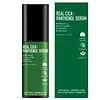
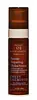
For the Skin by Lab Real Cica: Panthenol Serum Versus Sweet Chemistry O3 Barrier Repairing Hydra-Serum
This calming serum is formulated around Panthenol and Niacinamide to calm redness and strengthen the skin barrier.
This barrier-repair serum is formulated around Niacinamide and Ceramide NP to strengthen the skin barrier and hydrate skin.


What's inside
What's inside
 Key Ingredients
Benefits
Concerns
Ingredients Side-by-side
Water
Skin ConditioningButylene Glycol
Humectant

Glycerin
Humectant
Dipropylene Glycol
HumectantPanthenol
Skin Conditioning

Niacinamide
Smoothing







1,2-Hexanediol
Skin Conditioning
Propanediol
Solvent
C12-14 Pareth-12
EmulsifyingCarbomer
Emulsion StabilisingTromethamine
BufferingEthylhexylglycerin
Skin ConditioningAdenosine
Skin Conditioning
Caprylic/Capric Triglyceride
Masking
Butyrospermum Parkii Butter
Skin Conditioning




Olea Europaea Fruit Oil
Masking

Hydrogenated Lecithin
Emulsifying
Centella Asiatica Extract
Cleansing
Parfum
Masking

Disodium EDTA
ChelatingSqualane
Emollient
Melia Azadirachta Leaf Extract
Skin ConditioningSodium Hyaluronate
Humectant
Tocopherol
Antioxidant

Melia Azadirachta Flower Extract
Skin ConditioningCetearyl Alcohol
Emollient
Stearic Acid
Cleansing
Ceramide NP
Skin Conditioning
Portulaca Oleracea Extract
Skin Conditioning
Cholesterol
Emollient
Chamomilla Recutita Flower Extract
Masking
Vitex Agnus Castus Extract
AstringentPolygonum Cuspidatum Root Extract
Antioxidant
Scutellaria Baicalensis Root Extract
Astringent
Phytosphingosine
Skin Conditioning
Gynostemma Pentaphyllum Leaf/Stem Extract
Antioxidant
Lonicera Japonica Flower Extract
Skin ConditioningHizikia Fusiforme Extract
Skin Conditioning
Gelidium Cartilagineum Extract
Skin ProtectingSasa Quelpaertensis Extract
Skin ConditioningEclipta Prostrata Extract
Skin Conditioning
Chrysanthemum Zawadskii Extract
Skin ConditioningEuterpe Oleracea Fruit Extract
Fragaria Chiloensis Fruit Extract
Skin Conditioning
Morus Alba Fruit Extract
Antioxidant
Vaccinium Myrtillus Fruit Extract
Skin ConditioningVaccinium Macrocarpon Fruit Extract
AstringentRibes Nigrum Fruit Extract
Astringent
Camellia Sinensis Leaf Extract
Antimicrobial
Glycyrrhiza Glabra Root Extract
Bleaching
Rubus Fruticosus Fruit Extract
AstringentPrunus Amygdalus Dulcis Seed Extract
Skin ConditioningPersea Gratissima Fruit Extract
EmollientLycium Chinense Fruit Extract
Antioxidant
Rubus Idaeus Fruit Extract
AstringentFucus Vesiculosus Extract
Emollient
Prunella Vulgaris Extract
Antioxidant
Rosmarinus Officinalis Leaf Extract
AntimicrobialHydrogenated Phosphatidylcholine
Emulsifying
Ceramide Ns
Skin Conditioning
Sucrose Stearate
EmollientHydroxypropyltrimonium Hyaluronate
Ceramide As
Skin Conditioning
Ceramide AP
Skin Conditioning
Sodium Acetylated Hyaluronate
Humectant
Hydrolyzed Hyaluronic Acid
Humectant
Hyaluronic Acid
Humectant
Madecassic Acid
Skin Conditioning
Sodium Hyaluronate Crosspolymer
Humectant
Asiaticoside
Antioxidant
Madecassoside
Antioxidant
Asiatic Acid
Skin Conditioning
Potassium Hyaluronate
Skin ConditioningCeramide EOP
Skin Conditioning
Water, Butylene Glycol, Glycerin, Dipropylene Glycol, Panthenol, Niacinamide, 1,2-Hexanediol, Propanediol, C12-14 Pareth-12, Carbomer, Tromethamine, Ethylhexylglycerin, Adenosine, Caprylic/Capric Triglyceride, Butyrospermum Parkii Butter, Olea Europaea Fruit Oil, Hydrogenated Lecithin, Centella Asiatica Extract, Parfum, Disodium EDTA, Squalane, Melia Azadirachta Leaf Extract, Sodium Hyaluronate, Tocopherol, Melia Azadirachta Flower Extract, Cetearyl Alcohol, Stearic Acid, Ceramide NP, Portulaca Oleracea Extract, Cholesterol, Chamomilla Recutita Flower Extract, Vitex Agnus Castus Extract, Polygonum Cuspidatum Root Extract, Scutellaria Baicalensis Root Extract, Phytosphingosine, Gynostemma Pentaphyllum Leaf/Stem Extract, Lonicera Japonica Flower Extract, Hizikia Fusiforme Extract, Gelidium Cartilagineum Extract, Sasa Quelpaertensis Extract, Eclipta Prostrata Extract, Chrysanthemum Zawadskii Extract, Euterpe Oleracea Fruit Extract, Fragaria Chiloensis Fruit Extract, Morus Alba Fruit Extract, Vaccinium Myrtillus Fruit Extract, Vaccinium Macrocarpon Fruit Extract, Ribes Nigrum Fruit Extract, Camellia Sinensis Leaf Extract, Glycyrrhiza Glabra Root Extract, Rubus Fruticosus Fruit Extract, Prunus Amygdalus Dulcis Seed Extract, Persea Gratissima Fruit Extract, Lycium Chinense Fruit Extract, Rubus Idaeus Fruit Extract, Fucus Vesiculosus Extract, Prunella Vulgaris Extract, Rosmarinus Officinalis Leaf Extract, Hydrogenated Phosphatidylcholine, Ceramide Ns, Sucrose Stearate, Hydroxypropyltrimonium Hyaluronate, Ceramide As, Ceramide AP, Sodium Acetylated Hyaluronate, Hydrolyzed Hyaluronic Acid, Hyaluronic Acid, Madecassic Acid, Sodium Hyaluronate Crosspolymer, Asiaticoside, Madecassoside, Asiatic Acid, Potassium Hyaluronate, Ceramide EOP
Water
Skin ConditioningGlycerin
Humectant
Niacinamide
Smoothing
Caprylic/Capric Triglyceride
Masking
Hydrolyzed Cow Bone Extract
Ceramide NP
Skin Conditioning
Tetrahexyldecyl Ascorbate
Antioxidant
Laminaria Saccharina Extract
Skin Protecting
Cholesterol
Emollient
Propanediol
Solvent
Rosa Rubiginosa Seed Oil
Emollient
Camellia Sinensis Leaf Extract
Antimicrobial
Vaccinium Macrocarpon Fruit Extract
AstringentVaccinium Myrtillus Fruit Extract
Skin ConditioningRubus Fruticosus Fruit Extract
AstringentRubus Idaeus Fruit Extract
AstringentSambucus Nigra Fruit Extract
AstringentPyrus Malus Fruit Extract
Skin Conditioning
Euterpe Oleracea Fruit Extract
Emblica Officinalis Fruit Extract
Skin ConditioningPalmitoyl Hexapeptide-52
Skin Conditioning
Palmitoyl Tetrapeptide-50
Skin Conditioning
Heptapeptide-15
Skin Conditioning
Palmitoyl Heptapeptide-18
Skin Conditioning
Palmitoyl Pentapeptide-4
Skin Conditioning
Copper Palmitoyl Heptapeptide-14
Skin Conditioning
Copper Lysinate/Prolinate
Skin ConditioningLactic Acid/Glycolic Acid Copolymer
Skin ConditioningCeramide AP
Skin Conditioning
Phytosphingosine
Skin Conditioning
Colloidal Oatmeal
Absorbent
Sodium Hyaluronate
Humectant
Sodium Hyaluronate Crosspolymer
Humectant
Hydrolyzed Sodium Hyaluronate
Skin Conditioning
Sodium Acetylated Hyaluronate
Humectant
Beta-Glucan
Skin Conditioning
Linolenic Acid
Cleansing
Linoleic Acid
Cleansing
Panthenol
Skin Conditioning
Sodium PCA
Humectant
Sodium Lactate
Buffering
PCA
Humectant
Pentylene Glycol
Skin Conditioning
Arginine
Masking
Aspartic Acid
Masking
Glycine
Buffering
Alanine
Masking
Serine
Masking
Valine
MaskingHistidine
Humectant
Phenylalanine
Masking
Isoleucine
Skin ConditioningProline
Skin Conditioning
Threonine
Thioctic Acid
Antioxidant
Ubiquinone
Antioxidant
Resveratrol
Antioxidant
Tocopheryl Acetate
Antioxidant
Bisabolol
Antioxidant
Allantoin
Skin Conditioning
C12-15 Alkyl Benzoate
AntimicrobialMethylglucoside Phosphate
Skin ConditioningBiosaccharide Gum-1
Humectant
Myristyl Glucoside
CleansingLauryl Glucoside
CleansingPolyglyceryl-6 Laurate
Emulsifying
Hydroxyethyl Acrylate/Sodium Acryloyldimethyl Taurate Copolymer
Emulsion StabilisingHexylene Glycol
EmulsifyingXanthan Gum
EmulsifyingPolyvinyl Alcohol
Trisodium Ethylenediamine Disuccinate
ChelatingPhenoxyethanol
Preservative
Ethylhexylglycerin
Skin ConditioningCaprylyl Glycol
Emollient
Water, Glycerin, Niacinamide, Caprylic/Capric Triglyceride, Hydrolyzed Cow Bone Extract, Ceramide NP, Tetrahexyldecyl Ascorbate, Laminaria Saccharina Extract, Cholesterol, Propanediol, Rosa Rubiginosa Seed Oil, Camellia Sinensis Leaf Extract, Vaccinium Macrocarpon Fruit Extract, Vaccinium Myrtillus Fruit Extract, Rubus Fruticosus Fruit Extract, Rubus Idaeus Fruit Extract, Sambucus Nigra Fruit Extract, Pyrus Malus Fruit Extract, Euterpe Oleracea Fruit Extract, Emblica Officinalis Fruit Extract, Palmitoyl Hexapeptide-52, Palmitoyl Tetrapeptide-50, Heptapeptide-15, Palmitoyl Heptapeptide-18, Palmitoyl Pentapeptide-4, Copper Palmitoyl Heptapeptide-14, Copper Lysinate/Prolinate, Lactic Acid/Glycolic Acid Copolymer, Ceramide AP, Phytosphingosine, Colloidal Oatmeal, Sodium Hyaluronate, Sodium Hyaluronate Crosspolymer, Hydrolyzed Sodium Hyaluronate, Sodium Acetylated Hyaluronate, Beta-Glucan, Linolenic Acid, Linoleic Acid, Panthenol, Sodium PCA, Sodium Lactate, PCA, Pentylene Glycol, Arginine, Aspartic Acid, Glycine, Alanine, Serine, Valine, Histidine, Phenylalanine, Isoleucine, Proline, Threonine, Thioctic Acid, Ubiquinone, Resveratrol, Tocopheryl Acetate, Bisabolol, Allantoin, C12-15 Alkyl Benzoate, Methylglucoside Phosphate, Biosaccharide Gum-1, Myristyl Glucoside, Lauryl Glucoside, Polyglyceryl-6 Laurate, Hydroxyethyl Acrylate/Sodium Acryloyldimethyl Taurate Copolymer, Hexylene Glycol, Xanthan Gum, Polyvinyl Alcohol, Trisodium Ethylenediamine Disuccinate, Phenoxyethanol, Ethylhexylglycerin, Caprylyl Glycol
Ingredients Explained
These ingredients are found in both products.
Ingredients higher up in an ingredient list are typically present in a larger amount.
Camellia Sinensis Leaf Extract (tea extract) is one of the most well-researched plant extracts in skincare with an impressive resume.
Black tea, green tea, and oolong tea are all harvested from the Camellia Sinensis plant.
Studies show green tea extract and its catechins (like epigallocatechin gallate (EGCG)) help your skin cells product energy more efficiently and reducing the number of free-radicals that can damage your skin from the inside.
In lab-grown skin models, this translated to younger, healthier, and stronger skin.
There's also good sun protection data; researchers saw less DNA damage and redness on human skin when green tea was applied before UVB exposure. And the more they applied, the better the protection.
Needless to say, this ingredient shouldn't replace your sunscreen. But it is a great supportive ingredient that you can already find in many sunscreens and antioxidant serums.
A 2009 study found a 2% green tea lotion was effective for mild-to-moderate acne thanks to its anti-inflammatory and mild antimicrobial activity.
The quality of the extract matters a lot here:
Good extracts contain 50-90% catechins while lower quality ones are mostly there for marketing. We recommend reaching out to the brand if you have questions about the quality or source of their ingredients.
Human Repeated Insult Patch Testing showed no irritation or sensitization at use concentrations (0.86% in leave-on products and up to 30% as leaf water).
Learn more about Camellia Sinensis Leaf ExtractCaprylic/Capric Triglyceride (aka MCT Oil) is a lightweight emollient, solvent, and texture enhancer. It is considered a skin-softener by helping to prevent moisture loss.
Though it behaves like an oil, it is not technically one due to its chemical composition. One perk of this ingredient is that it is very stable, resistant to oxidation, and unlikely to go rancid.
In practice, that translates to a long shelf life and a consistently elegant skin feel.
While there is an assumption Caprylic Triglyceride can clog pores due to it being derived from coconut oil, there is no research supporting this. Just patch test if you have concerns.
Fractionated coconut oil and MCT Oil are both listed as Caprylic/Capric Triglyceride according to INCI. This is because INCI names are based on the ingredient’s final chemical composition and not its marketing name or source.
This ingredient is treated as the gold standard fungal acne safe oil. Even though it is coconut derived, the problematic lauric acid is stripped out.
This leaves just caprylic (C8) and capric (C10) acid. These chain lengths actually trend antifungal; a 2020 study found caprylic acid was enough to disrupt Malassezia furfur cell membrane, with a caprylic acid derivative damaging membrane structures at concentrations as low as 0.2%.
Learn more about Caprylic/Capric TriglycerideCeramide AP is is a skin-identical lipid that mimics what your skin already makes naturally. Ceramides help maintain epidermal integrity and barrier function.
You'll often see this ingredient paired with other ceramides (like ceramide NP), cholesterol, or fatty acids because this combination best mimics the natural lipid mix your skin already has.
The skin's ability to produce ceramides gets disrupted in skin conditions like eczema. This in turn weakens the skin barrier and applying ceramides topically has been shown to replenish what's been lost to restore barrier function.
Most of the studies with Ceramide AP test it as part of a multi-ceramide complex; studies reinforce ceramide AP's role in rebalancing ceramides in skin and improving skin hydration.
Learn more about Ceramide APCeramide NP (formerly known as Ceramide 3) is one of the skin's naturally occurring lipids.
Since ceramides are the major lipid components of the skin, they are crucial for maintaining skin barrier and hydration. Ceramide NP most closely mirrors the dominant kind in human skin amongst ceramide subtypes.
This ceramide works by slotting into gaps within the stratum corneum's lipid matrix to limit trans-epidermal water loss (TEWL) and shield the skin against external irritants.
A study with 312 patients found that using a ceramide-containing routine for 4 weeks reduced the severity of atopic dermatitis by over 61%.
Another clinical study in subjects aged 60 and older found that a ceramide body wash and moisturizer improved skin dryness and itchy skin in 15 days.
Overall, ceramides are considered non-irritating and safety tests have found little to no observable adverse effects from using this ingredient.
Ceramide NP is usually sourced from plants (like soybean or rice bran), or produced synthetically.
Learn more about Ceramide NPCholesterol is a lipid that is naturally found in human skin and is one of the three key components of your skin barrier. In skincare, it is an emollient and barrier-repairing ingredient.
It works by fitting directly into the lipid layers of skin to help restore structure and reduce transepidermal water loss (TEWL).
This is a great ingredient for dry, compromised, or aging skin; our skin starts to produce less cholesterol with age.
Research shows cholesterol works best in combination with ceramides and fatty acids, the other two major components in your skin barrier.
Cholesterol is also a well-establish penetration enhancer and can help other actives absorb more effectively.
Cosmetic-grade cholesterol is usually derived from lanolin but plant and synthetic options also exist. We recommend reaching out to the brand if you have questions about their source of cholesterol.
Learn more about CholesterolEthylhexylglycerin is created from glycerin. It is a multitasker ingredient that:
The CIR Expert Panel found minimal skin absorption or sensitization of any kind in a safety assessment. Though this ingredient is considered well-tolerated, a small number of cases of allergic dermatitis have been published since 2002. Just be sure to patch test if you are unsure.
Industry-reported use ranges from 8% in rinse-off products and 2% in leave-on formulations.
Learn more about EthylhexylglycerinThis extract comes from the Cabbage Palm, AKA the Açaí berry! It has skin soothing and antioxidant properties.
Acai berries are rich in antioxidants, including ferulic acid (The famous vitamin C stabilizer). Antioxidants protect your skin against damaging free-radical molecules.
You can also find carbohydrates, lipids, proteins, minerals, vitamin A, and Vitamin C in these berries.
Learn more about Euterpe Oleracea Fruit ExtractGlycerin (or glycerol) is a compound naturally found in your skin. It's a powerhouse humectant that pulls water into the stratum corneum.
Topically, glycerin does several things at once:
Your skin makes glycerin on its own (mostly from sebaceous oil breakdown) and shuttles it to your outermost layer of skin, or your epidermis, via aquaporin-3.
Aquaporin-3 is a transporter that is essential for normal skin hydration, elasticity, and repair. Interestingly, mice lacking in AQP3 have dry and less elastic skin that can be fully corrected with glycerin.
This ingredient is non-irritating, plays well with almost every ingredient, and works across all skin types. Typical use is anywhere between 3-10% but can go up to 79% in some leave-on products.
Just know very high concentrations (>40%) can feel tacky in low humidity.
Glycerin is the name for this ingredient in American English. British English uses Glycerol/Glycerine.
Learn more about GlycerinNiacinamide is a multitasking form of vitamin B3 that strengthens the skin barrier, reduces pores and dark spots, regulates oil, and improves signs of aging.
And the best part? It's gentle and well-tolerated by most skin types, including sensitive and reactive skin.
You might have heard of "niacin flush", or the reddening of skin that causes itchiness. Niacinamide has not been found to cause this.
In very rare cases, some individuals may not be able to tolerate niacinamide at all or experience an allergic reaction to it.
If you are experiencing flaking, irritation, and dryness with this ingredient, be sure to double check all your products as this ingredient can be found in all categories of skincare.
When incorporating niacinamide into your routine, look out for concentration amounts. Typically, 5% niacinamide provides benefits such as fading dark spots. However, if you have sensitive skin, it is better to begin with a smaller concentration.
When you apply niacinamide to your skin, your body converts it into nicotinamide adenine dinucleotide (NAD). NAD is an essential coenzyme that is already found in your cells as "fuel" and powers countless biological processes.
In your skin, NAD helps repair cell damage, produce new healthy cells, support collagen production, strengthen the skin barrier, and fight environmental stressors (like UV and pollution).
Our natural NAD levels start to decline with age, leading to slower skin repair, visible aging, and a weaker skin barrier. By providing your skin niacinamide, you're recharging your skin's NAD levels. This leads to stronger, healthier, and younger looking skin.
Another name for vitamin B3 is nicotinamide. This vitamin is water-soluble and our bodies don't store it. We obtain Vitamin B3 from either food or skincare. Meat, fish, wheat, yeast, and leafy greens contain vitamin B3.
The type of niacinamide used in skincare is synthetically created.
Learn more about NiacinamidePanthenol is a common ingredient that helps hydrate and soothe the skin. It is found naturally in our skin and hair.
There are two forms of panthenol: D and L.
D-panthenol is also known as dexpanthenol. Most cosmetics use dexpanthenol or a mixture of D and L-panthenol.
Panthenol is famous due to its ability to go deeper into the skin's layers. Using this ingredient has numerous pros (and no cons):
Like hyaluronic acid, panthenol is a humectant. Humectants are able to bind and hold large amounts of water to keep skin hydrated.
This ingredient works well for wound healing. It works by increasing tissue in the wound and helps close open wounds.
Once oxidized, panthenol converts to pantothenic acid. Panthothenic acid is found in all living cells.
This ingredient is also referred to as pro-vitamin B5.
Learn more about PanthenolPhytosphingosine is a phospholipid naturally found in our skin as a building block for ceramides.. It helps moisturize, soothe, and protect skin.
Phytosphingosine contributes to your skin's natural moisturizing factor (NMF). The NMF is responsible for hydration, a strong barrier, and plasticity. Our NMF decreases with age. Increasing NMF leads to more healthy and hydrated skin.
Studies show products formulated with NMF ingredients help strengthen our skin's barrier. Having a healthy skin barrier reduces irritation and increases hydration. Our skin barrier is responsible for having plump and firm skin. It also helps protect our skin against infection, allergies, and inflammation.
Fun fact: Phytosphingosine is abundant in plants and fungi.
More ingredients that help boost collagen in skin:
Learn more about PhytosphingosinePropanediol is an all-star ingredient. It softens, hydrates, and smooths the skin.
It’s often used to:
Propanediol is not likely to cause sensitivity and considered safe to use. It is derived from corn or petroleum with a clear color and no scent.
Learn more about PropanediolBlackberry extract is rich in antioxidants and Vitamin C. The majority of antioxidants include flavonoid, phenolic, and anthocyanins.
Antioxidants help fight free-radicals. Free-radicals are molecules that may damage your skin cells, such as pollution. This may help reduce the symptoms related to aging.
Vitamin C contains many skin benefits.
Learn more about Rubus Fruticosus Fruit ExtractWe don't have a description for Rubus Idaeus Fruit Extract yet.
Sodium Acetylated Hyaluronate is a type of Hyaluronic Acid.
Hyaluronic Acids help moisturize, soothe, and protect the skin.
Read about common types of Hyaluronic Acid here:
Learn more about Sodium Acetylated HyaluronateSodium Hyaluronate is the salt form of hyaluronic acid. It is a long sugar chain that is naturally found in your skin, joints, and connective tissue that maintains hydration and elasticity.
In skincare, it works as a humectant. It pulls water from the environment and deeper layers of skin and binds it to the surface.
Interestingly, the size of the molecule affects its behavior:
Some clinical evidence links low molecular weight versions to improved wrinkle depth, elasticity, anti-inflammatory effects, and barrier repair.
Many serums use a blend of both weights so you can get surface hydration plus longer-lasting and deeper effects.
You'll typically see concentrations between 0.1-2% for this ingredient.
Learn more about Sodium HyaluronateSodium Hyaluronate Crosspolymer is a crosslinked version of sodium hyaluronate. This just means it's linked into a 3D mesh network that lets it be more stable and sit on skin as a cohesive, gel-like film rather than sinking into skin.
A 2016 human skin study found crosslinked HA increased epidermal water content by 7.6% over the control group and reduced transepidermal water loss by 27.8%.
A follow-up clinical trial found that a topical crosslinked HA serum applied after fillers, microneedling, or chemical peels was well-tolerated and enhanced skin quality at 14 / 28 days.
More recent research suggests that concentrations as low as 0.03% can act as a penetration enhancer for other skincare actives.
Learn more about Sodium Hyaluronate CrosspolymerVaccinium Macrocarpon Fruit Extract comes from the cranberry fruit. Vaccinium Macrocarpon is the North American species of cranberries native to eastern Canada.
As an astringent, cranberry extract helps tighten the pores by constricting the cells.
Cranberries contain Vitamin E and Vitamin C, both potent antioxidants. It also contains minerals such as manganese and copper.
Learn more about Vaccinium Macrocarpon Fruit ExtractVaccinium Myrtillus Fruit Extract comes from the bilberry plant. This plant is native to Eurasia.
Bilberry contains antioxidant compounds called anthocyanins. Anthocyanins help fight free-radicals. Free-radicals are molecules that may damage your skin cells. Fighting off these molecules can help reduce signs of aging.
Vaccinium Myrtillus Fruit Extract also helps reduce irritation.
Learn more about Vaccinium Myrtillus Fruit ExtractWater. It's the most common cosmetic ingredient of all. You'll usually see it at the top of ingredient lists, meaning that it makes up the largest part of the product.
So why is it so popular? Water most often acts as a solvent - this means that it helps dissolve other ingredients into the formulation.
You'll also recognize water as that liquid we all need to stay alive. If you see this, drink a glass of water. Remember to stay hydrated!
Learn more about Water

