This oil-control moisturizer is formulated around Cellulose and Squalane to balance excess oil and hydrate skin.
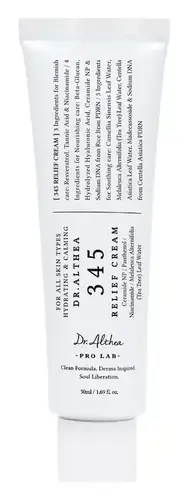
This barrier-repair serum is formulated around Niacinamide and Ceramide NP to strengthen the skin barrier and hydrate skin.


What's inside
What's inside
 Key Ingredients
Benefits
Concerns
Ingredients Side-by-side
Water
Skin ConditioningGlycerin
Humectant


Maris Aqua
HumectantSodium Acrylates Copolymer
1,2-Hexanediol
Skin Conditioning
Cellulose
Absorbent
Microcrystalline Cellulose
AbsorbentPropanediol
Solvent
Glyceryl Glucoside
Humectant
Ethylhexyl Polyhydroxystearate
EmollientOryza Sativa Bran Oil
Emollient




Squalane
Emollient
Lecithin
Emollient
Sodium Phytate
ChelatingCitric Acid
Buffering

Sodium Hyaluronate
Humectant
O-Cymen-5-Ol
Antimicrobial
Hydrolyzed Rice Protein
Skin ConditioningMaltodextrin
Absorbent
Sodium Citrate
BufferingSodium Hydroxide
BufferingHydrolyzed Adansonia Digitata Extract
EmollientPorphyridium Cruentum Extract
Skin ConditioningPhragmites Communis Extract
Skin ConditioningPoria Cocos Extract
Skin ConditioningBackhousia Citriodora Leaf Extract
AstringentSodium Benzoate
Masking
Aloe Barbadensis Leaf Juice Powder
Skin Conditioning
Camellia Sinensis Leaf Extract
Antimicrobial

Hydrogenated Lecithin
Emulsifying
Tocopheryl Acetate
Antioxidant
Xanthan Gum
EmulsifyingAlanyl Glutamine
HumectantArginine
Masking
Oligopeptide-177

Phenylalanine
Masking
Potassium Sorbate
Preservative
Sisymbrium Irio Seed Oil
Masking
Sodium Chloride
MaskingEpigallocatechin Gallatyl Glucoside
Antioxidant
Water, Glycerin, Maris Aqua, Sodium Acrylates Copolymer, 1,2-Hexanediol, Cellulose, Microcrystalline Cellulose, Propanediol, Glyceryl Glucoside, Ethylhexyl Polyhydroxystearate, Oryza Sativa Bran Oil, Squalane, Lecithin, Sodium Phytate, Citric Acid, Sodium Hyaluronate, O-Cymen-5-Ol, Hydrolyzed Rice Protein, Maltodextrin, Sodium Citrate, Sodium Hydroxide, Hydrolyzed Adansonia Digitata Extract, Porphyridium Cruentum Extract, Phragmites Communis Extract, Poria Cocos Extract, Backhousia Citriodora Leaf Extract, Sodium Benzoate, Aloe Barbadensis Leaf Juice Powder, Camellia Sinensis Leaf Extract, Hydrogenated Lecithin, Tocopheryl Acetate, Xanthan Gum, Alanyl Glutamine, Arginine, Oligopeptide-177, Phenylalanine, Potassium Sorbate, Sisymbrium Irio Seed Oil, Sodium Chloride, Epigallocatechin Gallatyl Glucoside
Water
Skin ConditioningGlycerin
Humectant
Niacinamide
Smoothing



Caprylic/Capric Triglyceride
Masking
Hydrolyzed Cow Bone Extract
Ceramide NP
Skin Conditioning
Tetrahexyldecyl Ascorbate
Antioxidant
Laminaria Saccharina Extract
Skin Protecting

Cholesterol
Emollient
Propanediol
Solvent
Rosa Rubiginosa Seed Oil
Emollient
Camellia Sinensis Leaf Extract
Antimicrobial
Vaccinium Macrocarpon Fruit Extract
AstringentVaccinium Myrtillus Fruit Extract
Skin ConditioningRubus Fruticosus Fruit Extract
AstringentRubus Idaeus Fruit Extract
AstringentSambucus Nigra Fruit Extract
AstringentPyrus Malus Fruit Extract
Skin Conditioning
Euterpe Oleracea Fruit Extract
Emblica Officinalis Fruit Extract
Skin ConditioningPalmitoyl Hexapeptide-52
Skin Conditioning
Palmitoyl Tetrapeptide-50
Skin Conditioning
Heptapeptide-15
Skin Conditioning
Palmitoyl Heptapeptide-18
Skin Conditioning
Palmitoyl Pentapeptide-4
Skin Conditioning
Copper Palmitoyl Heptapeptide-14
Skin Conditioning
Copper Lysinate/Prolinate
Skin ConditioningLactic Acid/Glycolic Acid Copolymer
Skin ConditioningCeramide AP
Skin Conditioning
Phytosphingosine
Skin Conditioning
Colloidal Oatmeal
Absorbent
Sodium Hyaluronate
Humectant
Sodium Hyaluronate Crosspolymer
Humectant
Hydrolyzed Sodium Hyaluronate
Skin Conditioning
Sodium Acetylated Hyaluronate
Humectant
Beta-Glucan
Skin Conditioning
Linolenic Acid
Cleansing

Linoleic Acid
Cleansing
Panthenol
Skin Conditioning
Sodium PCA
Humectant
Sodium Lactate
Buffering
PCA
Humectant
Pentylene Glycol
Skin Conditioning
Arginine
Masking
Aspartic Acid
Masking
Glycine
Buffering
Alanine
Masking
Serine
Masking
Valine
MaskingHistidine
Humectant
Phenylalanine
Masking
Isoleucine
Skin ConditioningProline
Skin Conditioning
Threonine
Thioctic Acid
Antioxidant
Ubiquinone
Antioxidant
Resveratrol
Antioxidant
Tocopheryl Acetate
Antioxidant
Bisabolol
Antioxidant
Allantoin
Skin Conditioning
C12-15 Alkyl Benzoate
AntimicrobialMethylglucoside Phosphate
Skin ConditioningBiosaccharide Gum-1
Humectant
Myristyl Glucoside
CleansingLauryl Glucoside
CleansingPolyglyceryl-6 Laurate
Emulsifying
Hydroxyethyl Acrylate/Sodium Acryloyldimethyl Taurate Copolymer
Emulsion StabilisingHexylene Glycol
EmulsifyingXanthan Gum
EmulsifyingPolyvinyl Alcohol
Trisodium Ethylenediamine Disuccinate
ChelatingPhenoxyethanol
Preservative
Ethylhexylglycerin
Skin ConditioningCaprylyl Glycol
Emollient
Water, Glycerin, Niacinamide, Caprylic/Capric Triglyceride, Hydrolyzed Cow Bone Extract, Ceramide NP, Tetrahexyldecyl Ascorbate, Laminaria Saccharina Extract, Cholesterol, Propanediol, Rosa Rubiginosa Seed Oil, Camellia Sinensis Leaf Extract, Vaccinium Macrocarpon Fruit Extract, Vaccinium Myrtillus Fruit Extract, Rubus Fruticosus Fruit Extract, Rubus Idaeus Fruit Extract, Sambucus Nigra Fruit Extract, Pyrus Malus Fruit Extract, Euterpe Oleracea Fruit Extract, Emblica Officinalis Fruit Extract, Palmitoyl Hexapeptide-52, Palmitoyl Tetrapeptide-50, Heptapeptide-15, Palmitoyl Heptapeptide-18, Palmitoyl Pentapeptide-4, Copper Palmitoyl Heptapeptide-14, Copper Lysinate/Prolinate, Lactic Acid/Glycolic Acid Copolymer, Ceramide AP, Phytosphingosine, Colloidal Oatmeal, Sodium Hyaluronate, Sodium Hyaluronate Crosspolymer, Hydrolyzed Sodium Hyaluronate, Sodium Acetylated Hyaluronate, Beta-Glucan, Linolenic Acid, Linoleic Acid, Panthenol, Sodium PCA, Sodium Lactate, PCA, Pentylene Glycol, Arginine, Aspartic Acid, Glycine, Alanine, Serine, Valine, Histidine, Phenylalanine, Isoleucine, Proline, Threonine, Thioctic Acid, Ubiquinone, Resveratrol, Tocopheryl Acetate, Bisabolol, Allantoin, C12-15 Alkyl Benzoate, Methylglucoside Phosphate, Biosaccharide Gum-1, Myristyl Glucoside, Lauryl Glucoside, Polyglyceryl-6 Laurate, Hydroxyethyl Acrylate/Sodium Acryloyldimethyl Taurate Copolymer, Hexylene Glycol, Xanthan Gum, Polyvinyl Alcohol, Trisodium Ethylenediamine Disuccinate, Phenoxyethanol, Ethylhexylglycerin, Caprylyl Glycol
Ingredients Explained
These ingredients are found in both products.
Ingredients higher up in an ingredient list are typically present in a larger amount.
Arginine is a semi-essential amino acid. This just means our bodies can product a bit on its own, but sometimes needs a little boost from food sources.
It is a part of your skin's natural moisturizing factor (NMF), or the water-loving molecules in your outermost layer of skin (stratum corneum) that keeps everything hydrated and happy.
Here's an interesting thing about Arginine: your skin converts it into urea through the Krebs-Henseleit urea cycle. Urea is one of the most effective humectants your skin naturally produces.
A clinical study showed applying 2.5% arginine hydrochloride to atopic dermatitis skin showed significant urea levels in the stratum corneum and improved moisture in just four weeks.
Arginine is also a precursor to nitric oxide; nitric oxide improves microcirculation and supports wound healing and collagen synthesis.
One study found that an amino acid complex containing Arginine reduced skin irritation, improved hydration, and accelerated skin repair in clinical / in-vivo studies.
Arginine itself is an amino acid and not a fatty acid, oil, or ester. On its own, it's not a direct food source for Malassezia, or the yeast that causes fungal acne.
Learn more about ArginineCamellia Sinensis Leaf Extract (tea extract) is one of the most well-researched plant extracts in skincare with an impressive resume.
Black tea, green tea, and oolong tea are all harvested from the Camellia Sinensis plant.
Studies show green tea extract and its catechins (like epigallocatechin gallate (EGCG)) help your skin cells product energy more efficiently and reducing the number of free-radicals that can damage your skin from the inside.
In lab-grown skin models, this translated to younger, healthier, and stronger skin.
There's also good sun protection data; researchers saw less DNA damage and redness on human skin when green tea was applied before UVB exposure. And the more they applied, the better the protection.
Needless to say, this ingredient shouldn't replace your sunscreen. But it is a great supportive ingredient that you can already find in many sunscreens and antioxidant serums.
A 2009 study found a 2% green tea lotion was effective for mild-to-moderate acne thanks to its anti-inflammatory and mild antimicrobial activity.
The quality of the extract matters a lot here:
Good extracts contain 50-90% catechins while lower quality ones are mostly there for marketing. We recommend reaching out to the brand if you have questions about the quality or source of their ingredients.
Human Repeated Insult Patch Testing showed no irritation or sensitization at use concentrations (0.86% in leave-on products and up to 30% as leaf water).
Learn more about Camellia Sinensis Leaf ExtractGlycerin (or glycerol) is a compound naturally found in your skin. It's a powerhouse humectant that pulls water into the stratum corneum.
Topically, glycerin does several things at once:
Your skin makes glycerin on its own (mostly from sebaceous oil breakdown) and shuttles it to your outermost layer of skin, or your epidermis, via aquaporin-3.
Aquaporin-3 is a transporter that is essential for normal skin hydration, elasticity, and repair. Interestingly, mice lacking in AQP3 have dry and less elastic skin that can be fully corrected with glycerin.
This ingredient is non-irritating, plays well with almost every ingredient, and works across all skin types. Typical use is anywhere between 3-10% but can go up to 79% in some leave-on products.
Just know very high concentrations (>40%) can feel tacky in low humidity.
Glycerin is the name for this ingredient in American English. British English uses Glycerol/Glycerine.
Learn more about GlycerinPhenylalanine is an amino acid. It is a skin soothing and hydrating ingredient. Amino acids play a crucial role in wound healing and skin hydration.
This ingredient is also used to help even out skin tone due to its ability to disrupt the melanin production process.
Two structures of phenylalanine exist: L-phenylalanine and D-phenylalanine. L-phenylalanine is essential, this means our bodies cannot produce it naturally and we must get it from foods. Our bodies convert D-phenylalanine to neurotransmitters, and D-phenylalanine is found in our bodies naturally.
Some foods that contain L-phenylalanine include eggs, soybeans, beef, milk.
Learn more about PhenylalaninePropanediol is an all-star ingredient. It softens, hydrates, and smooths the skin.
It’s often used to:
Propanediol is not likely to cause sensitivity and considered safe to use. It is derived from corn or petroleum with a clear color and no scent.
Learn more about PropanediolSodium Hyaluronate is the salt form of hyaluronic acid. It is a long sugar chain that is naturally found in your skin, joints, and connective tissue that maintains hydration and elasticity.
In skincare, it works as a humectant. It pulls water from the environment and deeper layers of skin and binds it to the surface.
Interestingly, the size of the molecule affects its behavior:
Some clinical evidence links low molecular weight versions to improved wrinkle depth, elasticity, anti-inflammatory effects, and barrier repair.
Many serums use a blend of both weights so you can get surface hydration plus longer-lasting and deeper effects.
You'll typically see concentrations between 0.1-2% for this ingredient.
Learn more about Sodium HyaluronateTocopheryl Acetate is a stable, shelf-friendly form of vitamin E.
Formulators love it because plain vitamin E oxidizes quickly once it hits air. This acetate version stays stable and resists going off, helping to extend a product's shelf life.
It's actually inactive on its own and works like a slow-release "storage" form; the enzymes in your skin called esterases gradually convert it into active vitamin E over time.
One in vivo study showed 5% of the acetate in the living layer of the epidermis converted to vitamin E after 5 days of application. This study also found the skin gained protection against UV damage even though the conversion was slow and small.
Once converted, vitamin E acts as a skin's main fat-soluble antioxidant that fights free radicals to protect skin from damage.
Topical vitamin E generally boosts the skin's photoprotection, and it reduced UV-damage in animal models.
This ingredient has some brightening potential but it's more of a prevention ingredient than spot-fader. Cell studies show it can slow down melanin production but it's worth noting that it's not the most powerful brightener out there.
Overall, it has a pretty solid safety profile and has been found to be non-irritating and non-comedogenic. Allergic reactions may happen but stay rare due to how widely the ingredient gets used.
The concentration will vary depending on the formula; industry data shows 0.1% in baby lotions, 3% in lipsticks, and 5% in foot powders. You can also find this ingredient at 100% in a pure vitamin E oil.
Most leave-on skincare keeps it at the lower end, often between 0.5-1%.
Learn more about Tocopheryl AcetateWater. It's the most common cosmetic ingredient of all. You'll usually see it at the top of ingredient lists, meaning that it makes up the largest part of the product.
So why is it so popular? Water most often acts as a solvent - this means that it helps dissolve other ingredients into the formulation.
You'll also recognize water as that liquid we all need to stay alive. If you see this, drink a glass of water. Remember to stay hydrated!
Learn more about WaterXanthan gum is used as a stabilizer and thickener within cosmetic products. It helps give products a sticky, thick feeling - preventing them from being too runny.
On the technical side of things, xanthan gum is a polysaccharide - a combination consisting of multiple sugar molecules bonded together.
Xanthan gum is a pretty common and great ingredient. It is a natural, non-toxic, non-irritating ingredient that is also commonly used in food products.
Learn more about Xanthan Gum