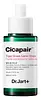
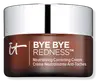
Dr. Jart+ Cicapair Tiger Grass Camo Drops Color Corrector SPF 35 Versus IT Cosmetics Bye Bye Redness Neutralizing Correcting Cream
This sunscreen offers SPF 35 protection with a matte finish that helps control shine.


What's inside
What's inside
 Key Ingredients
Benefits
Concerns
Ingredients Side-by-side
Water
Skin ConditioningCyclopentasiloxane
Emollient
Isononyl Isononanoate
EmollientPentaerythrityl Tetraisostearate
Emollient

Butyloctyl Salicylate
Skin Conditioning

Methyl Trimethicone
Skin Conditioning
Isododecane
EmollientDipropylene Glycol
HumectantDiphenylsiloxy Phenyl Trimethicone
Skin Conditioning
Lauryl PEG-10 Tris(Trimethylsiloxy)Silylethyl Dimethicone
Emulsifying
Methyl Methacrylate Crosspolymer

Acrylates/Dimethicone Copolymer
Skin Conditioning
Niacinamide
Smoothing










Polymethylsilsesquioxane
Disteardimonium Hectorite
StabilisingPolyglyceryl-4 Isostearate
Emulsifying
Magnesium Sulfate
Dipentaerythrityl Hexahydroxystearate/Hexastearate/Hexarosinate
Skin ConditioningCera Alba
Emollient



1,2-Hexanediol
Skin Conditioning
Triethoxycaprylylsilane
Centella Asiatica Extract
Cleansing
Caprylyl Glycol
Emollient
Synthetic Fluorphlogopite
Glyceryl Caprylate
EmollientZein
Skin ConditioningEthylhexylglycerin
Skin ConditioningSilica Dimethyl Silylate
EmollientAluminum Hydroxide
EmollientAdenosine
Skin Conditioning
Lavandula Angustifolia Oil
Masking




Zea Mays Starch
Absorbent
Citrus Paradisi Peel Oil
Masking
Hydrogenated Lecithin
Emulsifying
Rosmarinus Officinalis Leaf Oil
Masking
Caprylic/Capric Triglyceride
Masking
Helianthus Annuus Seed Oil
Emollient
Sodium Chloride
MaskingDipotassium Phosphate
BufferingCalcium Stearate
Cosmetic ColorantGossypium Herbaceum Seed Oil
Skin Conditioning
Anthemis Nobilis Flower Oil
Masking
Panthenol
Skin Conditioning
Butylene Glycol
Humectant
Anastatica Hierochuntica Extract
AstringentHouttuynia Cordata Extract
Skin Conditioning
Aniba Rosaeodora Wood Oil
Astringent
Citral
Perfuming
Pentylene Glycol
Skin Conditioning
Zinc Gluconate
Skin Conditioning
Magnesium Aspartate
Skin ConditioningLecithin
Emollient
Glycerin
Humectant
Brassica Campestris Sterols
EmollientAlcohol
Antimicrobial
Sucrose Laurate
Emollient
Polyglyceryl-2 Caprate
EmulsifyingLeuconostoc/Radish Root Ferment Filtrate
Antimicrobial
Arnica Montana Flower Extract
Masking
Centella Asiatica Leaf Extract
Skin Conditioning
Fragaria Vesca Fruit Extract
AstringentCopper Gluconate
Skin Conditioning
Lysolecithin
EmulsifyingCeramide NP
Skin Conditioning
Limonene
Perfuming
Linalool
Perfuming
Caprylhydroxamic Acid
ChelatingMadecassoside
Antioxidant
Tocopherol
Antioxidant
Sodium Ascorbyl Phosphate
Antioxidant
Phenoxyethanol
Preservative
CI 77891
Cosmetic ColorantCI 77491
Cosmetic ColorantCI 77492
Cosmetic ColorantCI 77288
Cosmetic ColorantWater, Cyclopentasiloxane, Isononyl Isononanoate, Pentaerythrityl Tetraisostearate, Butyloctyl Salicylate, Methyl Trimethicone, Isododecane, Dipropylene Glycol, Diphenylsiloxy Phenyl Trimethicone, Lauryl PEG-10 Tris(Trimethylsiloxy)Silylethyl Dimethicone, Methyl Methacrylate Crosspolymer, Acrylates/Dimethicone Copolymer, Niacinamide, Polymethylsilsesquioxane, Disteardimonium Hectorite, Polyglyceryl-4 Isostearate, Magnesium Sulfate, Dipentaerythrityl Hexahydroxystearate/Hexastearate/Hexarosinate, Cera Alba, 1,2-Hexanediol, Triethoxycaprylylsilane, Centella Asiatica Extract, Caprylyl Glycol, Synthetic Fluorphlogopite, Glyceryl Caprylate, Zein, Ethylhexylglycerin, Silica Dimethyl Silylate, Aluminum Hydroxide, Adenosine, Lavandula Angustifolia Oil, Zea Mays Starch, Citrus Paradisi Peel Oil, Hydrogenated Lecithin, Rosmarinus Officinalis Leaf Oil, Caprylic/Capric Triglyceride, Helianthus Annuus Seed Oil, Sodium Chloride, Dipotassium Phosphate, Calcium Stearate, Gossypium Herbaceum Seed Oil, Anthemis Nobilis Flower Oil, Panthenol, Butylene Glycol, Anastatica Hierochuntica Extract, Houttuynia Cordata Extract, Aniba Rosaeodora Wood Oil, Citral, Pentylene Glycol, Zinc Gluconate, Magnesium Aspartate, Lecithin, Glycerin, Brassica Campestris Sterols, Alcohol, Sucrose Laurate, Polyglyceryl-2 Caprate, Leuconostoc/Radish Root Ferment Filtrate, Arnica Montana Flower Extract, Centella Asiatica Leaf Extract, Fragaria Vesca Fruit Extract, Copper Gluconate, Lysolecithin, Ceramide NP, Limonene, Linalool, Caprylhydroxamic Acid, Madecassoside, Tocopherol, Sodium Ascorbyl Phosphate, Phenoxyethanol, CI 77891, CI 77491, CI 77492, CI 77288
Cyclopentasiloxane
Emollient
Water
Skin ConditioningSilica
Abrasive
PEG/PPG-18/18 Dimethicone
Emulsifying
Dimethicone/Vinyl Dimethicone Crosspolymer
Skin Conditioning
Isododecane
EmollientPropanediol
Solvent
Dimethicone
Emollient
Polysilicone-11
Lauryl PEG/PPG-18/18 Methicone
Skin Conditioning
PEG-10 Dimethicone
Skin Conditioning
Magnesium Aluminum Silicate
Absorbent
Sodium Chloride
MaskingPolyglyceryl-4 Isostearate
Emulsifying
Butylene Glycol
Humectant
Decyl Glucoside
Cleansing
Disteardimonium Hectorite
StabilisingCetyl PEG/PPG-10/1 Dimethicone
Emulsifying
Methicone
Emollient
Hexyl Laurate
Emollient
Retinyl Palmitate
Skin Conditioning
Ascorbyl Palmitate
Antioxidant
Tocopheryl Acetate
Antioxidant
Hydrolyzed Collagen
Emollient
Hydrolyzed Silk
Humectant
Acetyl Octapeptide-3
Humectant
Dipeptide Diaminobutyroyl Benzylamide Diacetate
Skin Conditioning
Acetyl Hexapeptide-8
Humectant
Camellia Sinensis Leaf Extract
Antimicrobial
Caprylic/Capric Triglyceride
Masking
Aloe Barbadensis Leaf Extract
Emollient
Olea Europaea Leaf Extract
Perfuming
Punica Granatum Extract
AstringentGlycyrrhiza Glabra Root Extract
Bleaching
Carthamus Tinctorius Seed Oil
Masking
Vitis Vinifera Seed Extract
Antimicrobial
Chamomilla Recutita Flower Extract
Masking
Prunus Domestica Seed Oil
Skin Conditioning
Persea Gratissima Oil
Skin Conditioning
Perfluorodecalin
Skin ConditioningNiacinamide
Smoothing
Glycerin
Humectant
Carbomer
Emulsion StabilisingPolysorbate 20
Emulsifying
Palmitoyl Oligopeptide
Cleansing
Palmitoyl Tetrapeptide-7
Skin Conditioning
Ethylhexyl Palmitate
Emollient
Silica Dimethyl Silylate
EmollientHyaluronic Acid
Humectant
Cholesteryl Nonanoate
EmollientCholesteryl Oleyl Carbonate
Skin ConditioningCholesteryl Chloride
Skin ConditioningColloidal Oatmeal
Absorbent
Magnolia Acuminata Bark Extract
Skin ConditioningChrysanthemum Parthenium Extract
Skin ConditioningCitrus Grandis Peel Oil
Masking
Lithospermum Officinale Extract
MaskingAgaricus Bisporus Extract
Skin ConditioningGlycine Soja Seed Extract
Skin Conditioning
Curcuma Longa Root Extract
Antioxidant
Phenoxyethanol
Preservative
Ethylhexylglycerin
Skin ConditioningCI 77891
Cosmetic ColorantIron Oxides
Cyclopentasiloxane, Water, Silica, PEG/PPG-18/18 Dimethicone, Dimethicone/Vinyl Dimethicone Crosspolymer, Isododecane, Propanediol, Dimethicone, Polysilicone-11, Lauryl PEG/PPG-18/18 Methicone, PEG-10 Dimethicone, Magnesium Aluminum Silicate, Sodium Chloride, Polyglyceryl-4 Isostearate, Butylene Glycol, Decyl Glucoside, Disteardimonium Hectorite, Cetyl PEG/PPG-10/1 Dimethicone, Methicone, Hexyl Laurate, Retinyl Palmitate, Ascorbyl Palmitate, Tocopheryl Acetate, Hydrolyzed Collagen, Hydrolyzed Silk, Acetyl Octapeptide-3, Dipeptide Diaminobutyroyl Benzylamide Diacetate, Acetyl Hexapeptide-8, Camellia Sinensis Leaf Extract, Caprylic/Capric Triglyceride, Aloe Barbadensis Leaf Extract, Olea Europaea Leaf Extract, Punica Granatum Extract, Glycyrrhiza Glabra Root Extract, Carthamus Tinctorius Seed Oil, Vitis Vinifera Seed Extract, Chamomilla Recutita Flower Extract, Prunus Domestica Seed Oil, Persea Gratissima Oil, Perfluorodecalin, Niacinamide, Glycerin, Carbomer, Polysorbate 20, Palmitoyl Oligopeptide, Palmitoyl Tetrapeptide-7, Ethylhexyl Palmitate, Silica Dimethyl Silylate, Hyaluronic Acid, Cholesteryl Nonanoate, Cholesteryl Oleyl Carbonate, Cholesteryl Chloride, Colloidal Oatmeal, Magnolia Acuminata Bark Extract, Chrysanthemum Parthenium Extract, Citrus Grandis Peel Oil, Lithospermum Officinale Extract, Agaricus Bisporus Extract, Glycine Soja Seed Extract, Curcuma Longa Root Extract, Phenoxyethanol, Ethylhexylglycerin, CI 77891, Iron Oxides
Reviews
Ingredients Explained
These ingredients are found in both products.
Ingredients higher up in an ingredient list are typically present in a larger amount.
Butylene Glycol (or BG) is used within cosmetic products for a few different reasons:
Overall, Butylene Glycol is a safe and well-rounded ingredient that works well with other ingredients.
Though this ingredient works well with most skin types, some people with sensitive skin may experience a reaction such as allergic rashes, closed comedones, or itchiness.
Learn more about Butylene GlycolCaprylic/Capric Triglyceride (aka MCT Oil) is a lightweight emollient, solvent, and texture enhancer. It is considered a skin-softener by helping to prevent moisture loss.
Though it behaves like an oil, it is not technically one due to its chemical composition. One perk of this ingredient is that it is very stable, resistant to oxidation, and unlikely to go rancid.
In practice, that translates to a long shelf life and a consistently elegant skin feel.
While there is an assumption Caprylic Triglyceride can clog pores due to it being derived from coconut oil, there is no research supporting this. Just patch test if you have concerns.
Fractionated coconut oil and MCT Oil are both listed as Caprylic/Capric Triglyceride according to INCI. This is because INCI names are based on the ingredient’s final chemical composition and not its marketing name or source.
This ingredient is treated as the gold standard fungal acne safe oil. Even though it is coconut derived, the problematic lauric acid is stripped out.
This leaves just caprylic (C8) and capric (C10) acid. These chain lengths actually trend antifungal; a 2020 study found caprylic acid was enough to disrupt Malassezia furfur cell membrane, with a caprylic acid derivative damaging membrane structures at concentrations as low as 0.2%.
Learn more about Caprylic/Capric TriglycerideCi 77891 is a white pigment from Titanium dioxide. It is naturally found in minerals such as rutile and ilmenite.
It's main function is to add a white color to cosmetics. It can also be mixed with other colors to create different shades.
Ci 77891 is commonly found in sunscreens due to its ability to block UV rays.
Learn more about CI 77891Cyclopentasiloxane (D5) is a lightweight silicone that mostly acts as an emollient and solvent in cosmetics. Its the reason your products feel silky, fast-spreading, and non-greasy.
Since D5 is volatile, it does its thing and then evaporates off the skin quickly.
The safety profile of this ingredient is reassuring; the US CIR Expert Panel concluded D5 is safe as used in cosmetics and Health Canada concluded that D5 is not harmful to human health or the environment as currently used in cosmetics
There's a study that people mention about D5 in a rat study showing tumors. This study is related to long-term inhalation of high D5 levels.
Regulatory bodies have judged this study to be not applicable in topical skincare since skin absorption of D5 is very low and we're not really inhaling huge amounts of D5.
The only restriction for this ingredient is environmental. The European Chemicals Agency (ECHA) restricted D5 in wash-off cosmetics at or above 0.1% due to their persistence in water.
Learn more about CyclopentasiloxaneDisteardimonium Hectorite comes from the clay mineral named hectorite. It is used to add thickness to a product.
It can also help stabilize a product by helping to disperse other ingredients.
Hectorite is a rare, white clay mineral.
Learn more about Disteardimonium HectoriteEthylhexylglycerin is created from glycerin. It is a multitasker ingredient that:
The CIR Expert Panel found minimal skin absorption or sensitization of any kind in a safety assessment. Though this ingredient is considered well-tolerated, a small number of cases of allergic dermatitis have been published since 2002. Just be sure to patch test if you are unsure.
Industry-reported use ranges from 8% in rinse-off products and 2% in leave-on formulations.
Learn more about EthylhexylglycerinGlycerin (or glycerol) is a compound naturally found in your skin. It's a powerhouse humectant that pulls water into the stratum corneum.
Topically, glycerin does several things at once:
Your skin makes glycerin on its own (mostly from sebaceous oil breakdown) and shuttles it to your outermost layer of skin, or your epidermis, via aquaporin-3.
Aquaporin-3 is a transporter that is essential for normal skin hydration, elasticity, and repair. Interestingly, mice lacking in AQP3 have dry and less elastic skin that can be fully corrected with glycerin.
This ingredient is non-irritating, plays well with almost every ingredient, and works across all skin types. Typical use is anywhere between 3-10% but can go up to 79% in some leave-on products.
Just know very high concentrations (>40%) can feel tacky in low humidity.
Glycerin is the name for this ingredient in American English. British English uses Glycerol/Glycerine.
Learn more about GlycerinIsododecane is a fragrance, emollient, and solvent.
As an emollient, it helps your skin stay soft and hydrated. Emollients help trap moisture into your skin.
Isododecane's role as a solvent makes it a great texture enhancer. It spreads smoothly on skin and does not leave a sticky feeling behind. Isododecane also helps prevent color transfer in makeup products.
Isododecane is not absorbed into skin.
The chemical name for this ingredient is 2,2,4,6,6-PENTAMETHYLHEPTANE.
Learn more about IsododecaneNiacinamide is a multitasking form of vitamin B3 that strengthens the skin barrier, reduces pores and dark spots, regulates oil, and improves signs of aging.
And the best part? It's gentle and well-tolerated by most skin types, including sensitive and reactive skin.
You might have heard of "niacin flush", or the reddening of skin that causes itchiness. Niacinamide has not been found to cause this.
In very rare cases, some individuals may not be able to tolerate niacinamide at all or experience an allergic reaction to it.
If you are experiencing flaking, irritation, and dryness with this ingredient, be sure to double check all your products as this ingredient can be found in all categories of skincare.
When incorporating niacinamide into your routine, look out for concentration amounts. Typically, 5% niacinamide provides benefits such as fading dark spots. However, if you have sensitive skin, it is better to begin with a smaller concentration.
When you apply niacinamide to your skin, your body converts it into nicotinamide adenine dinucleotide (NAD). NAD is an essential coenzyme that is already found in your cells as "fuel" and powers countless biological processes.
In your skin, NAD helps repair cell damage, produce new healthy cells, support collagen production, strengthen the skin barrier, and fight environmental stressors (like UV and pollution).
Our natural NAD levels start to decline with age, leading to slower skin repair, visible aging, and a weaker skin barrier. By providing your skin niacinamide, you're recharging your skin's NAD levels. This leads to stronger, healthier, and younger looking skin.
Another name for vitamin B3 is nicotinamide. This vitamin is water-soluble and our bodies don't store it. We obtain Vitamin B3 from either food or skincare. Meat, fish, wheat, yeast, and leafy greens contain vitamin B3.
The type of niacinamide used in skincare is synthetically created.
Learn more about NiacinamidePhenoxyethanol is one of the most widely used preservatives in skincare (and for good reason!).
It has a large spectrum of antimicrobial activity and especially effective bacteria, yeast, and mold while only having a weak effect on your skin's natural microbiome.
On a cellular level, it disrupts the cell membranes of microbes by poking holes that make the cell leak. This shuts down the chemical reactions the microbe needs to make energy so it can no longer survive.
Another perk of this ingredient is that it stays functional across a wide pH range (3-10).
You'll often see it paired with boosters like Ethylhexylglycerin; one study showed that a 1:9 ratio of Ethylhexylglycerin to Phenoxyethanol damages bacterial membranes as effectively as doubling the Phenoxyethanol concentration on its own.
Typical use concentrations range from 0.3-1% depending on the formula, and this ingredient is capped at 1% int the EU.
Safety-wise, the fear mongering does not hold up to the evidence. The EU's Scientific Committee on Consumer Safety and FDA consider it safe as a preservative at up to 1%, including for children of all ages.
Adverse systemic effects only showed up in animal studies at exposures roughly 200x higher than what people get from cosmetics. And despite its very widespread use, this ingredient is a rare sensitizer and allergic reactions are uncommon.
Learn more about PhenoxyethanolPolyglyceryl-4 Isostearate is a plant-derived, PEG-free emulsifier.
It's made by hooking isostearic acid onto a chain of glycerin units to give it a water-loving "head" and oil-loving "tail". This allows it to keep the oil and water mixed in a formula.
The highest reported concentration is about 24% in eye makeup but most suppliers recommend a level below 10%.
It has a clean track record for safety and found to be non-irritating.
Because it is an ester of a C18 fatty acid, Malassezia can potentially metabolize it (it sits in the C11-24 range that Malassezia likes). Therefore, this ingredient may not be fungal acne safe.
Learn more about Polyglyceryl-4 IsostearateThis silica is mainly used to thicken oils and suspend particles in oils. It is not water soluble.
According to the manufacturer, it:
The manufacturer also claims this ingredient to be useful in makeup.
In lipstick formulations, this ingredient improves color payoff, reduces pigment settling, and reduces oil bleeding. This ingredient also improves the grip of powder products such as dry shampoos.
Learn more about Silica Dimethyl SilylateChances are, you eat sodium chloride every day. Sodium Chloride is also known as table salt. This ingredient has many purposes in skincare: thickener, emulsifier, and exfoliator.
You'll most likely find this ingredient in cleansers where it is used to create a gel-like texture. As an emulsifier, it also prevents ingredients from separating.
You might see people debate whether Sodium Chloride is comedogenic, but there actually haven't been any comedogenic tests done on it. Either way, the overall formulation of a product matters a lot more than any single ingredient.
You might see this ingredient used in scrubs as a primary exfoliating ingredient.
Learn more about Sodium ChlorideWater. It's the most common cosmetic ingredient of all. You'll usually see it at the top of ingredient lists, meaning that it makes up the largest part of the product.
So why is it so popular? Water most often acts as a solvent - this means that it helps dissolve other ingredients into the formulation.
You'll also recognize water as that liquid we all need to stay alive. If you see this, drink a glass of water. Remember to stay hydrated!
Learn more about Water

