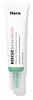
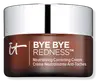
Hero Cosmetics Rescue Balm Color Correcting Green Cream Versus IT Cosmetics Bye Bye Redness Neutralizing Correcting Cream

What's inside
What's inside
 Key Ingredients
Benefits
Concerns
Ingredients Side-by-side
Water
Skin ConditioningDipropylene Glycol
HumectantIsononyl Isononanoate
EmollientButylene Glycol
Humectant

Octyldodecanol
Emollient
Diethylhexyl Carbonate
EmollientButyloctyl Salicylate
Skin Conditioning

Butyrospermum Parkii Butter
Skin Conditioning




Polyglyceryl-3 Polyricinoleate
Emulsifying
Silica
Abrasive


Panthenol
Skin Conditioning


Sodium Chloride
MaskingDisteardimonium Hectorite
StabilisingMica
Cosmetic ColorantHydrogenated Poly(C6-14 Olefin)
EmollientHydrogenated Polydecene
EmollientHydrogenated Polyisobutene
EmollientPolyglyceryl-4 Diisostearate/Polyhydroxystearate/Sebacate
Emulsifying
Beta-Glucan
Skin Conditioning
Tocopheryl Acetate
Antioxidant


Spirulina Platensis Powder
Skin ProtectingTheobroma Cacao Fruit Powder
Skin ConditioningRh-Polypeptide-1
Skin Conditioning
Sh-Oligopeptide-1
Skin Conditioning
Sh-Oligopeptide-2
Skin Conditioning
Rh-Polypeptide-62
Skin Conditioning
Rh-Polypeptide-3
Skin Conditioning
Allantoin
Skin Conditioning
Glycerin
Humectant
Synthetic Beeswax
Emulsion Stabilising
Polyglyceryl-2 Triisostearate
Emulsifying
Propylene Carbonate
SolventSorbitan Isostearate
Emulsifying
Acrylates/Ammonium Methacrylate Copolymer
Xanthan Gum
EmulsifyingCaprylyl Glycol
Emollient
Triethoxycaprylylsilane

Diglycerin
Humectant
Aluminum Hydroxide
EmollientBoron Nitride
Absorbent
1,2-Hexanediol
Skin Conditioning
Sodium Benzoate
Masking
Potassium Sorbate
Preservative
Ethylhexylglycerin
Skin ConditioningCI 77891
Cosmetic ColorantCI 77491
Cosmetic ColorantCI 77492
Cosmetic ColorantCI 77499
Cosmetic ColorantCI 77288
Cosmetic ColorantWater, Dipropylene Glycol, Isononyl Isononanoate, Butylene Glycol, Octyldodecanol, Diethylhexyl Carbonate, Butyloctyl Salicylate, Butyrospermum Parkii Butter, Polyglyceryl-3 Polyricinoleate, Silica, Panthenol, Sodium Chloride, Disteardimonium Hectorite, Mica, Hydrogenated Poly(C6-14 Olefin), Hydrogenated Polydecene, Hydrogenated Polyisobutene, Polyglyceryl-4 Diisostearate/Polyhydroxystearate/Sebacate, Beta-Glucan, Tocopheryl Acetate, Spirulina Platensis Powder, Theobroma Cacao Fruit Powder, Rh-Polypeptide-1, Sh-Oligopeptide-1, Sh-Oligopeptide-2, Rh-Polypeptide-62, Rh-Polypeptide-3, Allantoin, Glycerin, Synthetic Beeswax, Polyglyceryl-2 Triisostearate, Propylene Carbonate, Sorbitan Isostearate, Acrylates/Ammonium Methacrylate Copolymer, Xanthan Gum, Caprylyl Glycol, Triethoxycaprylylsilane, Diglycerin, Aluminum Hydroxide, Boron Nitride, 1,2-Hexanediol, Sodium Benzoate, Potassium Sorbate, Ethylhexylglycerin, CI 77891, CI 77491, CI 77492, CI 77499, CI 77288
Cyclopentasiloxane
Emollient
Water
Skin ConditioningSilica
Abrasive
PEG/PPG-18/18 Dimethicone
Emulsifying
Dimethicone/Vinyl Dimethicone Crosspolymer
Skin Conditioning
Isododecane
EmollientPropanediol
Solvent
Dimethicone
Emollient
Polysilicone-11
Lauryl PEG/PPG-18/18 Methicone
Skin Conditioning
PEG-10 Dimethicone
Skin Conditioning
Magnesium Aluminum Silicate
Absorbent
Sodium Chloride
MaskingPolyglyceryl-4 Isostearate
Emulsifying
Butylene Glycol
Humectant
Decyl Glucoside
Cleansing
Disteardimonium Hectorite
StabilisingCetyl PEG/PPG-10/1 Dimethicone
Emulsifying
Methicone
Emollient
Hexyl Laurate
Emollient
Retinyl Palmitate
Skin Conditioning

Ascorbyl Palmitate
Antioxidant
Tocopheryl Acetate
Antioxidant
Hydrolyzed Collagen
Emollient
Hydrolyzed Silk
Humectant
Acetyl Octapeptide-3
Humectant
Dipeptide Diaminobutyroyl Benzylamide Diacetate
Skin Conditioning
Acetyl Hexapeptide-8
Humectant
Camellia Sinensis Leaf Extract
Antimicrobial
Caprylic/Capric Triglyceride
Masking
Aloe Barbadensis Leaf Extract
Emollient
Olea Europaea Leaf Extract
Perfuming
Punica Granatum Extract
AstringentGlycyrrhiza Glabra Root Extract
Bleaching
Carthamus Tinctorius Seed Oil
Masking
Vitis Vinifera Seed Extract
Antimicrobial
Chamomilla Recutita Flower Extract
Masking
Prunus Domestica Seed Oil
Skin Conditioning
Persea Gratissima Oil
Skin Conditioning
Perfluorodecalin
Skin ConditioningNiacinamide
Smoothing


Glycerin
Humectant
Carbomer
Emulsion StabilisingPolysorbate 20
Emulsifying
Palmitoyl Oligopeptide
Cleansing
Palmitoyl Tetrapeptide-7
Skin Conditioning
Ethylhexyl Palmitate
Emollient
Silica Dimethyl Silylate
EmollientHyaluronic Acid
Humectant
Cholesteryl Nonanoate
EmollientCholesteryl Oleyl Carbonate
Skin ConditioningCholesteryl Chloride
Skin ConditioningColloidal Oatmeal
Absorbent
Magnolia Acuminata Bark Extract
Skin ConditioningChrysanthemum Parthenium Extract
Skin ConditioningCitrus Grandis Peel Oil
Masking


Lithospermum Officinale Extract
MaskingAgaricus Bisporus Extract
Skin ConditioningGlycine Soja Seed Extract
Skin Conditioning
Curcuma Longa Root Extract
Antioxidant
Phenoxyethanol
Preservative
Ethylhexylglycerin
Skin ConditioningCI 77891
Cosmetic ColorantIron Oxides
Cyclopentasiloxane, Water, Silica, PEG/PPG-18/18 Dimethicone, Dimethicone/Vinyl Dimethicone Crosspolymer, Isododecane, Propanediol, Dimethicone, Polysilicone-11, Lauryl PEG/PPG-18/18 Methicone, PEG-10 Dimethicone, Magnesium Aluminum Silicate, Sodium Chloride, Polyglyceryl-4 Isostearate, Butylene Glycol, Decyl Glucoside, Disteardimonium Hectorite, Cetyl PEG/PPG-10/1 Dimethicone, Methicone, Hexyl Laurate, Retinyl Palmitate, Ascorbyl Palmitate, Tocopheryl Acetate, Hydrolyzed Collagen, Hydrolyzed Silk, Acetyl Octapeptide-3, Dipeptide Diaminobutyroyl Benzylamide Diacetate, Acetyl Hexapeptide-8, Camellia Sinensis Leaf Extract, Caprylic/Capric Triglyceride, Aloe Barbadensis Leaf Extract, Olea Europaea Leaf Extract, Punica Granatum Extract, Glycyrrhiza Glabra Root Extract, Carthamus Tinctorius Seed Oil, Vitis Vinifera Seed Extract, Chamomilla Recutita Flower Extract, Prunus Domestica Seed Oil, Persea Gratissima Oil, Perfluorodecalin, Niacinamide, Glycerin, Carbomer, Polysorbate 20, Palmitoyl Oligopeptide, Palmitoyl Tetrapeptide-7, Ethylhexyl Palmitate, Silica Dimethyl Silylate, Hyaluronic Acid, Cholesteryl Nonanoate, Cholesteryl Oleyl Carbonate, Cholesteryl Chloride, Colloidal Oatmeal, Magnolia Acuminata Bark Extract, Chrysanthemum Parthenium Extract, Citrus Grandis Peel Oil, Lithospermum Officinale Extract, Agaricus Bisporus Extract, Glycine Soja Seed Extract, Curcuma Longa Root Extract, Phenoxyethanol, Ethylhexylglycerin, CI 77891, Iron Oxides
Reviews
Ingredients Explained
These ingredients are found in both products.
Ingredients higher up in an ingredient list are typically present in a larger amount.
Butylene Glycol (or BG) is used within cosmetic products for a few different reasons:
Overall, Butylene Glycol is a safe and well-rounded ingredient that works well with other ingredients.
Though this ingredient works well with most skin types, some people with sensitive skin may experience a reaction such as allergic rashes, closed comedones, or itchiness.
Learn more about Butylene GlycolCi 77891 is a white pigment from Titanium dioxide. It is naturally found in minerals such as rutile and ilmenite.
It's main function is to add a white color to cosmetics. It can also be mixed with other colors to create different shades.
Ci 77891 is commonly found in sunscreens due to its ability to block UV rays.
Learn more about CI 77891Disteardimonium Hectorite comes from the clay mineral named hectorite. It is used to add thickness to a product.
It can also help stabilize a product by helping to disperse other ingredients.
Hectorite is a rare, white clay mineral.
Learn more about Disteardimonium HectoriteEthylhexylglycerin is created from glycerin. It is a multitasker ingredient that:
The CIR Expert Panel found minimal skin absorption or sensitization of any kind in a safety assessment. Though this ingredient is considered well-tolerated, a small number of cases of allergic dermatitis have been published since 2002. Just be sure to patch test if you are unsure.
Industry-reported use ranges from 8% in rinse-off products and 2% in leave-on formulations.
Learn more about EthylhexylglycerinGlycerin (or glycerol) is a compound naturally found in your skin. It's a powerhouse humectant that pulls water into the stratum corneum.
Topically, glycerin does several things at once:
Your skin makes glycerin on its own (mostly from sebaceous oil breakdown) and shuttles it to your outermost layer of skin, or your epidermis, via aquaporin-3.
Aquaporin-3 is a transporter that is essential for normal skin hydration, elasticity, and repair. Interestingly, mice lacking in AQP3 have dry and less elastic skin that can be fully corrected with glycerin.
This ingredient is non-irritating, plays well with almost every ingredient, and works across all skin types. Typical use is anywhere between 3-10% but can go up to 79% in some leave-on products.
Just know very high concentrations (>40%) can feel tacky in low humidity.
Glycerin is the name for this ingredient in American English. British English uses Glycerol/Glycerine.
Learn more about GlycerinSilica, also known as silicon dioxide, is a naturally occurring mineral. It is used as a fine, spherical, and porous powder in cosmetics.
Though it has exfoliant properties, the function of silica varies depending on the product.
The unique structure of silica enhances the spreadability and adds smoothness, making it a great texture enhancer.
It is also used as an active carrier, emulsifier, and mattifier due to its ability to absorb excess oil.
In some products, tiny microneedles called spicules are made from silica or hydrolyzed sponge. When you rub them in, they lightly polish away dead skin layers and enhance the penetration of active ingredients.
Learn more about SilicaChances are, you eat sodium chloride every day. Sodium Chloride is also known as table salt. This ingredient has many purposes in skincare: thickener, emulsifier, and exfoliator.
You'll most likely find this ingredient in cleansers where it is used to create a gel-like texture. As an emulsifier, it also prevents ingredients from separating.
You might see people debate whether Sodium Chloride is comedogenic, but there actually haven't been any comedogenic tests done on it. Either way, the overall formulation of a product matters a lot more than any single ingredient.
You might see this ingredient used in scrubs as a primary exfoliating ingredient.
Learn more about Sodium ChlorideTocopheryl Acetate is a stable, shelf-friendly form of vitamin E.
Formulators love it because plain vitamin E oxidizes quickly once it hits air. This acetate version stays stable and resists going off, helping to extend a product's shelf life.
It's actually inactive on its own and works like a slow-release "storage" form; the enzymes in your skin called esterases gradually convert it into active vitamin E over time.
One in vivo study showed 5% of the acetate in the living layer of the epidermis converted to vitamin E after 5 days of application. This study also found the skin gained protection against UV damage even though the conversion was slow and small.
Once converted, vitamin E acts as a skin's main fat-soluble antioxidant that fights free radicals to protect skin from damage.
Topical vitamin E generally boosts the skin's photoprotection, and it reduced UV-damage in animal models.
This ingredient has some brightening potential but it's more of a prevention ingredient than spot-fader. Cell studies show it can slow down melanin production but it's worth noting that it's not the most powerful brightener out there.
Overall, it has a pretty solid safety profile and has been found to be non-irritating and non-comedogenic. Allergic reactions may happen but stay rare due to how widely the ingredient gets used.
The concentration will vary depending on the formula; industry data shows 0.1% in baby lotions, 3% in lipsticks, and 5% in foot powders. You can also find this ingredient at 100% in a pure vitamin E oil.
Most leave-on skincare keeps it at the lower end, often between 0.5-1%.
Learn more about Tocopheryl AcetateWater. It's the most common cosmetic ingredient of all. You'll usually see it at the top of ingredient lists, meaning that it makes up the largest part of the product.
So why is it so popular? Water most often acts as a solvent - this means that it helps dissolve other ingredients into the formulation.
You'll also recognize water as that liquid we all need to stay alive. If you see this, drink a glass of water. Remember to stay hydrated!
Learn more about Water

