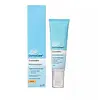
This barrier-repair day moisturizer is formulated around Niacinamide and Ceramide NP to strengthen the skin barrier and hydrate skin.
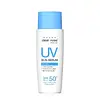
This hybrid sunscreen covers the full UV range and blocks ~98% of UVB at SPF 50.


What's inside
What's inside
 Key Ingredients
Benefits
Concerns
Ingredients Side-by-side
Water
Skin ConditioningEthylhexyl Methoxycinnamate
UV Absorber


Dipropylene Glycol
HumectantEthylhexyl Salicylate
UV Absorber
Dimethicone
Emollient

Diethylamino Hydroxybenzoyl Hexyl Benzoate
UV Filter
C14-22 Alcohols
Emulsion Stabilising
Isoamyl P-Methoxycinnamate
UV Absorber
Bis-Ethylhexyloxyphenol Methoxyphenyl Triazine
UV Absorber
Vp/Eicosene Copolymer
Dibutyl Adipate
EmollientTapioca Starch
Phenoxyethanol
Preservative
C12-20 Alkyl Glucoside
EmulsifyingSilica
Abrasive


Niacinamide
Smoothing








Acrylates/C12-22 Alkyl Methacrylate Copolymer
Polymethylsilsesquioxane
Potassium Cetyl Phosphate
EmulsifyingHdi/Trimethylol Hexyllactone Crosspolymer
Ammonium Acryloyldimethyltaurate/Vp Copolymer
PEG-100 Stearate
Surfactant

Glyceryl Stearate
Emollient
Allantoin
Skin Conditioning
Bisabolol
Antioxidant
Aloe Barbadensis Leaf Juice
Skin Conditioning
Xanthan Gum
EmulsifyingSodium Hyaluronate
Humectant
Ethylhexylglycerin
Skin ConditioningCaprylyl Glycol
Emollient
Arginine
Masking
Coco-Glucoside
Cleansing
Disodium EDTA
ChelatingDipotassium Glycyrrhizate
Humectant
Tocopherol
Antioxidant
Glycerin
Humectant
Disodium Lauryl Sulfosuccinate
CleansingOctyldodecanol
Emollient
1,2-Hexanediol
Skin Conditioning
Carnosine
Skin Conditioning
Hydroxyacetophenone
Antioxidant
Hydrogenated Lecithin
Emulsifying
BHT
Antioxidant
Ceramide NP
Skin Conditioning
Polyglyceryl-10 Stearate
Skin Conditioning
Sucrose Stearate
EmollientLinoleic Acid
Cleansing
Phytosphingosine
Skin Conditioning
Cholesterol
Emollient
Phospholipids
Skin Conditioning
Ceramide Ns
Skin Conditioning
Ceramide Ng
Skin Conditioning
Ceramide As
Skin Conditioning
Ceramide AP
Skin Conditioning
Ceramide EOP
Skin Conditioning
Water, Ethylhexyl Methoxycinnamate, Dipropylene Glycol, Ethylhexyl Salicylate, Dimethicone, Diethylamino Hydroxybenzoyl Hexyl Benzoate, C14-22 Alcohols, Isoamyl P-Methoxycinnamate, Bis-Ethylhexyloxyphenol Methoxyphenyl Triazine, Vp/Eicosene Copolymer, Dibutyl Adipate, Tapioca Starch, Phenoxyethanol, C12-20 Alkyl Glucoside, Silica, Niacinamide, Acrylates/C12-22 Alkyl Methacrylate Copolymer, Polymethylsilsesquioxane, Potassium Cetyl Phosphate, Hdi/Trimethylol Hexyllactone Crosspolymer, Ammonium Acryloyldimethyltaurate/Vp Copolymer, PEG-100 Stearate, Glyceryl Stearate, Allantoin, Bisabolol, Aloe Barbadensis Leaf Juice, Xanthan Gum, Sodium Hyaluronate, Ethylhexylglycerin, Caprylyl Glycol, Arginine, Coco-Glucoside, Disodium EDTA, Dipotassium Glycyrrhizate, Tocopherol, Glycerin, Disodium Lauryl Sulfosuccinate, Octyldodecanol, 1,2-Hexanediol, Carnosine, Hydroxyacetophenone, Hydrogenated Lecithin, BHT, Ceramide NP, Polyglyceryl-10 Stearate, Sucrose Stearate, Linoleic Acid, Phytosphingosine, Cholesterol, Phospholipids, Ceramide Ns, Ceramide Ng, Ceramide As, Ceramide AP, Ceramide EOP
Water
Skin ConditioningCyclopentasiloxane
Emollient
Ethylhexyl Salicylate
UV Absorber
Octocrylene
UV Absorber
Butyl Methoxydibenzoylmethane
UV Absorber
Propylene Glycol
Humectant
Cetyl Alcohol
Emollient
C12-15 Alkyl Benzoate
AntimicrobialSilica
Abrasive
Titanium Dioxide
Cosmetic Colorant
Zinc Oxide
Cosmetic Colorant
Dicaprylyl Carbonate
EmollientVp/Hexadecene Copolymer
Glyceryl Stearate
Emollient
PEG-100 Stearate
Surfactant
Phenoxyethanol
Preservative
Ethylhexyl Triazone
UV Absorber
Polyacrylamide
Chlorphenesin
Antimicrobial
Niacinamide
Smoothing
C13-14 Isoparaffin
Emollient
Cetearyl Olivate
Cetearyl Alcohol
Emollient
Sorbitan Olivate
Emulsifying
Acacia Senegal Gum
MaskingPotassium Cetyl Phosphate
EmulsifyingTocopheryl Acetate
Antioxidant
Disodium EDTA
ChelatingXanthan Gum
EmulsifyingCoco-Glucoside
Cleansing
Ethylhexylglycerin
Skin ConditioningLaureth-7
EmulsifyingGlycerin
Humectant
Butylene Glycol
Humectant
Allantoin
Skin Conditioning
Bisabolol
Antioxidant
Aloe Barbadensis Leaf Juice
Skin Conditioning
Salix Nigra Bark Extract
Skin ProtectingHamamelis Virginiana Leaf Extract
Skin Conditioning
Camellia Sinensis Leaf Extract
Antimicrobial
Betaine
Humectant
Palmaria Palmata Extract
Skin Protecting
Tocopherol
Antioxidant
Centella Asiatica Extract
Cleansing
Methicone
Emollient
1,2-Hexanediol
Skin Conditioning
Terminalia Ferdinandiana Fruit Extract
Antioxidant
Vitis Vinifera Seed Extract
Antimicrobial
Sodium Benzoate
Masking
Potassium Sorbate
Preservative
Calendula Officinalis Flower Extract
Masking
Polyglutamic Acid
Skin Conditioning
Melaleuca Alternifolia Leaf Extract
Perfuming
Saccharide Isomerate
Humectant
Geranium Robertianum Extract
AstringentScutellaria Baicalensis Root Extract
Astringent
Houttuynia Cordata Extract
Skin Conditioning
Citrus Reticulata Peel Extract
Skin ConditioningCentaurea Cyanus Flower Extract
Astringent
Aspalathus Linearis Extract
Skin ConditioningEisenia Arborea Extract
Skin ConditioningPorphyra Yezoensis Extract
Skin ConditioningPhaseolus Radiatus Sprout Extract
HumectantMagnesium PCA
Humectant
Sodium Lactate
Buffering
Copper Tripeptide-1
Skin Conditioning
Serine
Masking
Sucrose
Humectant
Urea
Buffering
Glycine
Buffering
Calcium Chloride
AstringentPotassium Hydroxide
BufferingOrnithine
Skin ConditioningSea Salt
Abrasive
Alanine
Masking
Magnesium Chloride
Threonine
Histidine
Humectant
Aspartic Acid
Masking
Valine
MaskingProline
Skin Conditioning
Dipotassium Phosphate
BufferingLysine
Skin ConditioningLeucine
Skin ConditioningTyrosine
MaskingIsoleucine
Skin ConditioningMagnesium Citrate
Skin ConditioningGlucosamine Hcl
Glutamic Acid
Humectant
Phenylalanine
Masking
Arginine
Masking
1-Methylhydantoin-2-Imide
Skin ConditioningAsparagine
MaskingCitrulline
Skin ConditioningUric Acid
BufferingMethionine
Skin ConditioningTaurine
BufferingTryptophan
MaskingFormic Acid
Preservative
Ammonia
Buffering
Cysteine
Antioxidant
Glutamine
Skin ConditioningWater, Cyclopentasiloxane, Ethylhexyl Salicylate, Octocrylene, Butyl Methoxydibenzoylmethane, Propylene Glycol, Cetyl Alcohol, C12-15 Alkyl Benzoate, Silica, Titanium Dioxide, Zinc Oxide, Dicaprylyl Carbonate, Vp/Hexadecene Copolymer, Glyceryl Stearate, PEG-100 Stearate, Phenoxyethanol, Ethylhexyl Triazone, Polyacrylamide, Chlorphenesin, Niacinamide, C13-14 Isoparaffin, Cetearyl Olivate, Cetearyl Alcohol, Sorbitan Olivate, Acacia Senegal Gum, Potassium Cetyl Phosphate, Tocopheryl Acetate, Disodium EDTA, Xanthan Gum, Coco-Glucoside, Ethylhexylglycerin, Laureth-7, Glycerin, Butylene Glycol, Allantoin, Bisabolol, Aloe Barbadensis Leaf Juice, Salix Nigra Bark Extract, Hamamelis Virginiana Leaf Extract, Camellia Sinensis Leaf Extract, Betaine, Palmaria Palmata Extract, Tocopherol, Centella Asiatica Extract, Methicone, 1,2-Hexanediol, Terminalia Ferdinandiana Fruit Extract, Vitis Vinifera Seed Extract, Sodium Benzoate, Potassium Sorbate, Calendula Officinalis Flower Extract, Polyglutamic Acid, Melaleuca Alternifolia Leaf Extract, Saccharide Isomerate, Geranium Robertianum Extract, Scutellaria Baicalensis Root Extract, Houttuynia Cordata Extract, Citrus Reticulata Peel Extract, Centaurea Cyanus Flower Extract, Aspalathus Linearis Extract, Eisenia Arborea Extract, Porphyra Yezoensis Extract, Phaseolus Radiatus Sprout Extract, Magnesium PCA, Sodium Lactate, Copper Tripeptide-1, Serine, Sucrose, Urea, Glycine, Calcium Chloride, Potassium Hydroxide, Ornithine, Sea Salt, Alanine, Magnesium Chloride, Threonine, Histidine, Aspartic Acid, Valine, Proline, Dipotassium Phosphate, Lysine, Leucine, Tyrosine, Isoleucine, Magnesium Citrate, Glucosamine Hcl, Glutamic Acid, Phenylalanine, Arginine, 1-Methylhydantoin-2-Imide, Asparagine, Citrulline, Uric Acid, Methionine, Taurine, Tryptophan, Formic Acid, Ammonia, Cysteine, Glutamine
Ingredients Explained
These ingredients are found in both products.
Ingredients higher up in an ingredient list are typically present in a larger amount.
1,2-Hexanediol is a synthetic liquid and another multi-functional powerhouse.
It is a:
- Humectant, drawing moisture into the skin
- Emollient, helping to soften skin
- Solvent, dispersing and stabilizing formulas
- Preservative booster, enhancing the antimicrobial activity of other preservatives
Allantoin is a soothing ingredient known for its protective and moisturizing properties; it's basically a quiet workhorse ingredient you can find in a huge range of cosmetics.
Though it can be derived from the comfrey plant, allantoin is produced synthetically for cosmetic products to ensure purity.
Research shows it can encourage your skin cells to turn over and renew by stimulating keratinocyte and fibroblast proliferation.
It also has mild keratolytic properties to help loosen and shed dead skin cells without being harsh.
Studies also suggest allantoin can help calm inflammation by dialing down some of the chemical signals your skin sends out when it is irritated.
This ingredient is typically used in the 0.1-0.5% range, and the FDA recognizes it as a skin protectant in OTC products up to 2%.
Overall, allantoin is a wonderful addition to most routines; it is stable across a wide pH range (~4-8), works well with other ingredients, and is considered non-sensitizing/non-irritating.
Fun fact: Allantoin is naturally occurring in comfrey root, beets, chamomile, and wheat sprouts. Our bodies even produce it as a byproduct of uric acid metabolism.
Learn more about AllantoinAloe Barbadensis Leaf Juice is the filtered, stabilized liquid pressed from the inner gel of the aloe vera leaf.
In cosmetics, it shows up as either soothing active or a water-replacement base. It is roughly 98-99% water and the last 1-2% is an interesting mix of polysaccharides, amino acids, vitamins, minerals, and enzymes.
The polysaccharides do most of the work: they bind water at the skin surface for a light, non-greasy hydration boost. And one of the polysaccharides, glycomannan, is linked to fibroblast stimulation + collagen synthesis. This is also why aloe has such a long track record in wound and burn healing.
This ingredient is also calming with anti-inflammatory and mild antimicrobial activity, making it a great pick for sensitive, irritated, or post-sun skin.
Realistic expectations matter though; the solid evidence is mostly limited to hydration, soothing, and wound support. Deeper claims about anti-aging or sun protection are not well backed, and science reviews note it does not prevent radiation-induced skin injury.
Because it plays well with almost everything, it's commonly used as a base alongside other actives like niacinamide or vitamin C.
Typical usage concentrations range from 0.5% (where hydration benefits already show up) all the way to 90%+ (where it replaces water as the main base).
The safety for this ingredient is well-establish as well. Overall, this is a great supporting ingredient for those who want a boost in hydration.
Learn more about Aloe Barbadensis Leaf JuiceArginine is a semi-essential amino acid. This just means our bodies can product a bit on its own, but sometimes needs a little boost from food sources.
It is a part of your skin's natural moisturizing factor (NMF), or the water-loving molecules in your outermost layer of skin (stratum corneum) that keeps everything hydrated and happy.
Here's an interesting thing about Arginine: your skin converts it into urea through the Krebs-Henseleit urea cycle. Urea is one of the most effective humectants your skin naturally produces.
A clinical study showed applying 2.5% arginine hydrochloride to atopic dermatitis skin showed significant urea levels in the stratum corneum and improved moisture in just four weeks.
Arginine is also a precursor to nitric oxide; nitric oxide improves microcirculation and supports wound healing and collagen synthesis.
One study found that an amino acid complex containing Arginine reduced skin irritation, improved hydration, and accelerated skin repair in clinical / in-vivo studies.
Arginine itself is an amino acid and not a fatty acid, oil, or ester. On its own, it's not a direct food source for Malassezia, or the yeast that causes fungal acne.
Learn more about ArginineBisabolol is a gentle skin conditioner, antioxidant, and soothing ingredient.
It's primary claim to fame is soothing and research shows topically applied bisabolol can quiet the chemical messengers that cause your skin to become inflamed, helping to sooth any irritation.
A clinical study found that applying 0.5% bisabolol daily for 8 weeks produced an average 9% decrease in skin pigmentation. Researchers found it can also suppress the process that leads to excess melanin production in skin.
In vitro studies found that bisabolol combined with propylene glycol significantly increased skin permeability by increasing lipid fluidity in the stratum corneum.
You'll likely see use concentrations quite low, usually 0.1-0.2%.
Overall, this is a well-tolerated ingredient that works well in formulas designed for sensitive, reactive, or post-procedure skin.
Learn more about BisabololCoco-Glucoside is a surfactant, or a cleansing ingredient. It is made from glucose and coconut oil.
Surfactants help gather dirt, oil, and other pollutants from your skin to be rinsed away.
This ingredient is considered gentle and non-comedogenic. However, it may still be irritating for some.
Learn more about Coco-GlucosideDisodium EDTA is a chelating agent. It grabs onto and deactivates metal ions that sneak into your products from water, packaging, or air.
This ingredient mainly works behind the scenes and helps with:
On top of that, this ingredient can counteract the effects of hard water by binding to the minerals in it.
One thing worth knowing is that Disodium EDTA has been shown to be a mild penetration enhancer. It can help other ingredients absorb into skin more effectively which can be a double-edged sword (great for actives, but can also make the active too strong if you have sensitive skin).
Clinical patch testing showed no significant skin irritation at typical use concentrations and minimal dermal absorption.
You'll most likely see this ingredient near the end of an ingredient list. It's typically found in concentrations less than 1%.
Learn more about Disodium EDTAEthylhexyl Salicylate (also called Octisalate or Octyl Salicylate) is an oil-soluble organic UV filter that's been used in sunscreen since the 1950's.
It absorbs UVB light in the 280-320 nm range with a peak absorbance around 306 nm.
You'll often see it paired with other UV filters to boost overall SPF because octisalate is a fairly week filter on its own.
The reason you'll see it so often is because it can help solubilize and stabilize the trickier filters like oxybenzone and avobenzone.
Unlike these filters, octisalate has pretty good photostability and doesn't create skin-damaging free radicals when exposed to sunlight.
The fatty-alcohol part of the molecule also gives it a light, emollient feel so it doubles as a nice texture enhancer.
Usage levels vary around the world:
Safety-wise, this ingredient has a pretty reassuring track record. The EU's Scientific Committee on Consumer Products (SCCP) found very low skin penetration in human skin tests and negative results for irritation, phototoxicity, and photoallergy.
The real-world allergy risk is pretty low too; a 2012 European study of 1,031 people recorded only 2 reactions to it (a rate of 0.19%).
You might have seen scary headlines about sunscreen getting into your blood.
In 2019, the FDA found that several chemical filters can absorb through the skin and show up in the bloodstream at small but measurable levels.
Here's the important part: these tiny levels are just a cutoff the FDA uses to decide which ingredients need more testing and doesn't mean anything harmful was found.
The researchers were clear that the results are no reason to stop wearing sunscreen.
Learn more about Ethylhexyl SalicylateEthylhexylglycerin is created from glycerin. It is a multitasker ingredient that:
The CIR Expert Panel found minimal skin absorption or sensitization of any kind in a safety assessment. Though this ingredient is considered well-tolerated, a small number of cases of allergic dermatitis have been published since 2002. Just be sure to patch test if you are unsure.
Industry-reported use ranges from 8% in rinse-off products and 2% in leave-on formulations.
Learn more about EthylhexylglycerinGlycerin (or glycerol) is a compound naturally found in your skin. It's a powerhouse humectant that pulls water into the stratum corneum.
Topically, glycerin does several things at once:
Your skin makes glycerin on its own (mostly from sebaceous oil breakdown) and shuttles it to your outermost layer of skin, or your epidermis, via aquaporin-3.
Aquaporin-3 is a transporter that is essential for normal skin hydration, elasticity, and repair. Interestingly, mice lacking in AQP3 have dry and less elastic skin that can be fully corrected with glycerin.
This ingredient is non-irritating, plays well with almost every ingredient, and works across all skin types. Typical use is anywhere between 3-10% but can go up to 79% in some leave-on products.
Just know very high concentrations (>40%) can feel tacky in low humidity.
Glycerin is the name for this ingredient in American English. British English uses Glycerol/Glycerine.
Learn more about GlycerinGlyceryl Stearate is made by reacting glycerin with stearic acid (typically sourced from plant oils like palm or coconut). It's an emulsifier, emollient, and mild occlusive.
Emulsifiers help ingredients like oil and water stay mixed so your formula stays nicely blended and uniform in texture.
This ingredient is typically used in concentrations between 1-10%. Studies have found it to be non-sensitizing, non-phototoxic, and non-photoallergenic.
A close cousin of this ingredient is Glyceryl Stearate SE ("self-emulsifying"). This just has a small amount of sodium or potassium stearate added so it can emulsify without a co-emulsifier.
Since this ingredient is an ester of a C18 fatty acid, it may not be fungal acne safe. The Malassezia yeast can potentially metabolize within the C11-C24 range.
Fun fact: The human body also creates Glyceryl Stearate naturally.
Learn more about Glyceryl StearateNiacinamide is a multitasking form of vitamin B3 that strengthens the skin barrier, reduces pores and dark spots, regulates oil, and improves signs of aging.
And the best part? It's gentle and well-tolerated by most skin types, including sensitive and reactive skin.
You might have heard of "niacin flush", or the reddening of skin that causes itchiness. Niacinamide has not been found to cause this.
In very rare cases, some individuals may not be able to tolerate niacinamide at all or experience an allergic reaction to it.
If you are experiencing flaking, irritation, and dryness with this ingredient, be sure to double check all your products as this ingredient can be found in all categories of skincare.
When incorporating niacinamide into your routine, look out for concentration amounts. Typically, 5% niacinamide provides benefits such as fading dark spots. However, if you have sensitive skin, it is better to begin with a smaller concentration.
When you apply niacinamide to your skin, your body converts it into nicotinamide adenine dinucleotide (NAD). NAD is an essential coenzyme that is already found in your cells as "fuel" and powers countless biological processes.
In your skin, NAD helps repair cell damage, produce new healthy cells, support collagen production, strengthen the skin barrier, and fight environmental stressors (like UV and pollution).
Our natural NAD levels start to decline with age, leading to slower skin repair, visible aging, and a weaker skin barrier. By providing your skin niacinamide, you're recharging your skin's NAD levels. This leads to stronger, healthier, and younger looking skin.
Another name for vitamin B3 is nicotinamide. This vitamin is water-soluble and our bodies don't store it. We obtain Vitamin B3 from either food or skincare. Meat, fish, wheat, yeast, and leafy greens contain vitamin B3.
The type of niacinamide used in skincare is synthetically created.
Learn more about NiacinamidePeg-100 Stearate is an emollient and emulsifier. As an emollient, it helps keep skin soft by trapping moisture in. On the other hand, emulsifiers help prevent oil and water from separating in a product.
PEGS are a hydrophilic polyether compound . There are 100 ethylene oxide monomers in Peg-100 Stearate. Peg-100 Stearate is polyethylene glycol ester of stearic acid.
Phenoxyethanol is one of the most widely used preservatives in skincare (and for good reason!).
It has a large spectrum of antimicrobial activity and especially effective bacteria, yeast, and mold while only having a weak effect on your skin's natural microbiome.
On a cellular level, it disrupts the cell membranes of microbes by poking holes that make the cell leak. This shuts down the chemical reactions the microbe needs to make energy so it can no longer survive.
Another perk of this ingredient is that it stays functional across a wide pH range (3-10).
You'll often see it paired with boosters like Ethylhexylglycerin; one study showed that a 1:9 ratio of Ethylhexylglycerin to Phenoxyethanol damages bacterial membranes as effectively as doubling the Phenoxyethanol concentration on its own.
Typical use concentrations range from 0.3-1% depending on the formula, and this ingredient is capped at 1% int the EU.
Safety-wise, the fear mongering does not hold up to the evidence. The EU's Scientific Committee on Consumer Safety and FDA consider it safe as a preservative at up to 1%, including for children of all ages.
Adverse systemic effects only showed up in animal studies at exposures roughly 200x higher than what people get from cosmetics. And despite its very widespread use, this ingredient is a rare sensitizer and allergic reactions are uncommon.
Learn more about PhenoxyethanolPotassium Cetyl Phosphate is the potassium salt of a mixture. This mixture consists of the esters from phosphoricacid and cetyl alcohol.
Potassium Cetyl Phosphate is an emulsifier and cleansing agent. Emulsifiers help stabilize a product. It does this by preventing certain ingredients from separating.
As a cleansing agent, Potassium Cetyl Phosphate helps gather oils, dirts, and pollutants from your skin. This makes it easier to rinse them away with water.
Learn more about Potassium Cetyl PhosphateSilica, also known as silicon dioxide, is a naturally occurring mineral. It is used as a fine, spherical, and porous powder in cosmetics.
Though it has exfoliant properties, the function of silica varies depending on the product.
The unique structure of silica enhances the spreadability and adds smoothness, making it a great texture enhancer.
It is also used as an active carrier, emulsifier, and mattifier due to its ability to absorb excess oil.
In some products, tiny microneedles called spicules are made from silica or hydrolyzed sponge. When you rub them in, they lightly polish away dead skin layers and enhance the penetration of active ingredients.
Learn more about SilicaTocopherol is a fat-soluble antioxidant known as Vitamin E.
You'll find this ingredient in the vast majority of skincare (for good reason). It works to neutralize free radicals, or unstable molecules generated by UV exposure, pollution, and other environmental stressors, before they can cause oxidative damage to your skin cells.
Topically applied tocopherol has been shown to protect against UV damage by ramping up the skin's own natural defense enzymes.
It also acts as a skin conditioning agent; some studies show that regular topical use can improve the skin's water-binding capacity over 2-4 weeks.
This ingredient is especially loved for being a team player. When combined with Vitamin C, the photoprotective effect of both ingredients roughly doubles and the combo also helps reduce UV-induced DNA damage.
This ingredient has some brightening potential but it's more of a prevention ingredient than spot-fader. Cell studies show it can slow down melanin production but it's worth noting that it's not the most powerful brightener out there.
In formulations, it also serves as a stabilizer that helps protect other oxidation-prone ingredients from degrading.
Concentrations usually range from 0.1-1% in most leave-on products.
Learn more about TocopherolWater. It's the most common cosmetic ingredient of all. You'll usually see it at the top of ingredient lists, meaning that it makes up the largest part of the product.
So why is it so popular? Water most often acts as a solvent - this means that it helps dissolve other ingredients into the formulation.
You'll also recognize water as that liquid we all need to stay alive. If you see this, drink a glass of water. Remember to stay hydrated!
Learn more about WaterXanthan gum is used as a stabilizer and thickener within cosmetic products. It helps give products a sticky, thick feeling - preventing them from being too runny.
On the technical side of things, xanthan gum is a polysaccharide - a combination consisting of multiple sugar molecules bonded together.
Xanthan gum is a pretty common and great ingredient. It is a natural, non-toxic, non-irritating ingredient that is also commonly used in food products.
Learn more about Xanthan Gum

