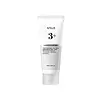
This barrier-repair moisturizer is formulated around Panthenol and Centella Asiatica Extract to strengthen the skin barrier and hydrate skin.
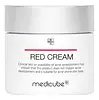
This calming moisturizer is formulated around Niacinamide and Salicylic Acid to calm redness and clear breakouts.

What's inside
What's inside
 Key Ingredients
Benefits
Concerns
Ingredients Side-by-side
Water
Skin ConditioningPanthenol
Skin Conditioning




Butylene Glycol
Humectant
Propanediol
Solvent
Caprylic/Capric Triglyceride
Masking
Glycerin
Humectant
Cetyl Ethylhexanoate
EmollientBehenyl Alcohol
Emollient
Octyldodecanol
Emollient
Phenyl Trimethicone
Skin Conditioning
Vinyldimethicone
1,2-Hexanediol
Skin Conditioning
Bis-Diglyceryl Polyacyladipate-2
Emollient

Pentylene Glycol
Skin Conditioning
Caprylyl Methicone
Skin Conditioning
Centella Asiatica Extract
Cleansing

Polyglyceryl-3 Methylglucose Distearate
Emulsifying
Betaine
Humectant
C14-22 Alcohols
Emulsion Stabilising
Ceramide NP
Skin Conditioning
Phytosterols
Skin Conditioning
Hydroxyethyl Acrylate/Sodium Acryloyldimethyl Taurate Copolymer
Emulsion StabilisingHydrogenated Rice Bran Oil
Skin Conditioning
C12-20 Alkyl Glucoside
EmulsifyingAmmonium Acryloyldimethyltaurate/Vp Copolymer
Glyceryl Stearate
Emollient
Dimethiconol
Emollient
Glyceryl Caprylate
EmollientSodium Stearoyl Glutamate
CleansingHydrogenated Lecithin
Emulsifying
Glyceryl Glucoside
Humectant
Acrylates/C10-30 Alkyl Acrylate Crosspolymer
Emulsion StabilisingTromethamine
BufferingSodium Phytate
Polyglyceryl-10 Stearate
Skin Conditioning
Ethylhexylglycerin
Skin ConditioningSodium Hyaluronate
Humectant
Ethylhexyl Olivate
Skin Conditioning
Dipropylene Glycol
HumectantSodium Acrylates Copolymer
Polyglyceryl-4 Oleate
Emulsifying
Linolenic Acid
Cleansing


Polyglyceryl-10 Laurate
Skin Conditioning
Sphingolipids
Emollient
Phosphatidylcholine
Emulsifying4-Terpineol
Masking
Allantoin
Skin Conditioning
Ectoin
Skin Conditioning
Hyaluronic Acid
Humectant
Squalane
Emollient
Lecithin
Emollient
Asiaticoside
Antioxidant
Escin
TonicMadecassic Acid
Skin Conditioning
Asiatic Acid
Skin Conditioning
Beta-Sitosterol
Emulsion Stabilising
Tremella Fuciformis Extract
Humectant
Ceramide AP
Skin Conditioning
Ceramide EOP
Skin Conditioning
Glycine
Buffering
Glutamic Acid
Humectant
Serine
Masking
Alanine
Masking
Lysine
Skin ConditioningArginine
Masking
Proline
Skin Conditioning
Threonine
Water, Panthenol, Butylene Glycol, Propanediol, Caprylic/Capric Triglyceride, Glycerin, Cetyl Ethylhexanoate, Behenyl Alcohol, Octyldodecanol, Phenyl Trimethicone, Vinyldimethicone, 1,2-Hexanediol, Bis-Diglyceryl Polyacyladipate-2, Pentylene Glycol, Caprylyl Methicone, Centella Asiatica Extract, Polyglyceryl-3 Methylglucose Distearate, Betaine, C14-22 Alcohols, Ceramide NP, Phytosterols, Hydroxyethyl Acrylate/Sodium Acryloyldimethyl Taurate Copolymer, Hydrogenated Rice Bran Oil, C12-20 Alkyl Glucoside, Ammonium Acryloyldimethyltaurate/Vp Copolymer, Glyceryl Stearate, Dimethiconol, Glyceryl Caprylate, Sodium Stearoyl Glutamate, Hydrogenated Lecithin, Glyceryl Glucoside, Acrylates/C10-30 Alkyl Acrylate Crosspolymer, Tromethamine, Sodium Phytate, Polyglyceryl-10 Stearate, Ethylhexylglycerin, Sodium Hyaluronate, Ethylhexyl Olivate, Dipropylene Glycol, Sodium Acrylates Copolymer, Polyglyceryl-4 Oleate, Linolenic Acid, Polyglyceryl-10 Laurate, Sphingolipids, Phosphatidylcholine, 4-Terpineol, Allantoin, Ectoin, Hyaluronic Acid, Squalane, Lecithin, Asiaticoside, Escin, Madecassic Acid, Asiatic Acid, Beta-Sitosterol, Tremella Fuciformis Extract, Ceramide AP, Ceramide EOP, Glycine, Glutamic Acid, Serine, Alanine, Lysine, Arginine, Proline, Threonine
Glycerin
Humectant
Stearyl Alcohol
Emollient
Cetyl Alcohol
Emollient
Glyceryl Stearate
Emollient
Niacinamide
Smoothing



Methylpropanediol
SolventHydrogenated Poly(C6-14 Olefin)
EmollientPolyglyceryl-3 Distearate
Emulsifying
1,2-Hexanediol
Skin Conditioning
Dimethicone
Emollient
Dimethyl Sulfone
SolventCetyl Ethylhexanoate
EmollientButyrospermum Parkii Butter
Skin Conditioning


Palmitic Acid
Emollient
C12-14 Alketh-12
EmulsifyingStearic Acid
Cleansing
Sodium Stearoyl Glutamate
CleansingGlyceryl Stearate Citrate
Emollient
Allantoin
Skin Conditioning
Carbomer
Emulsion StabilisingTromethamine
BufferingSalicylic Acid
Masking



O-Cymen-5-Ol
Antimicrobial
4-Terpineol
Masking
Ethylhexylglycerin
Skin ConditioningZinc PCA
Humectant
Adenosine
Skin Conditioning
Butylene Glycol
Humectant
Colloidal Sulfur
Antimicrobial
Disodium EDTA
Melaleuca Alternifolia Leaf Oil
Antioxidant
Myristyl Alcohol
Emollient
Glucose
Humectant
Coptis Japonica Extract
AntimicrobialTocopherol
Antioxidant
Lauryl Alcohol
Emollient
Myristic Acid
Cleansing
Arachidic Acid
Cleansing
Oleic Acid
Emollient
Limonene
Perfuming
Troxerutin
Skin Conditioning
Pentylene Glycol
Skin Conditioning
Propanediol
Solvent
Camellia Sinensis Leaf Extract
Antimicrobial
Centella Asiatica Leaf Extract
Skin Conditioning
Cladosiphon Okamuranus Extract
Skin Conditioning
Salix Alba Bark Extract
Astringent
Decyl Glucoside
Cleansing
Levulinic Acid
Perfuming
Coffea Arabica Seed Extract
Masking
Geraniol
Perfuming
Citrus Aurantium Bergamia Leaf Extract
AstringentPinus Densiflora Leaf Extract
Antimicrobial
Lepidium Meyenii Root Extract
Skin ConditioningAsparagus Cochinchinensis Root Extract
Skin ConditioningAureobasidium Pullulans Ferment
Skin ConditioningHydroxycinnamic Acid
Skin ConditioningRutin
Antioxidant
Glycerin, Stearyl Alcohol, Cetyl Alcohol, Glyceryl Stearate, Niacinamide, Methylpropanediol, Hydrogenated Poly(C6-14 Olefin), Polyglyceryl-3 Distearate, 1,2-Hexanediol, Dimethicone, Dimethyl Sulfone, Cetyl Ethylhexanoate, Butyrospermum Parkii Butter, Palmitic Acid, C12-14 Alketh-12, Stearic Acid, Sodium Stearoyl Glutamate, Glyceryl Stearate Citrate, Allantoin, Carbomer, Tromethamine, Salicylic Acid, O-Cymen-5-Ol, 4-Terpineol, Ethylhexylglycerin, Zinc PCA, Adenosine, Butylene Glycol, Colloidal Sulfur, Disodium EDTA, Melaleuca Alternifolia Leaf Oil, Myristyl Alcohol, Glucose, Coptis Japonica Extract, Tocopherol, Lauryl Alcohol, Myristic Acid, Arachidic Acid, Oleic Acid, Limonene, Troxerutin, Pentylene Glycol, Propanediol, Camellia Sinensis Leaf Extract, Centella Asiatica Leaf Extract, Cladosiphon Okamuranus Extract, Salix Alba Bark Extract, Decyl Glucoside, Levulinic Acid, Coffea Arabica Seed Extract, Geraniol, Citrus Aurantium Bergamia Leaf Extract, Pinus Densiflora Leaf Extract, Lepidium Meyenii Root Extract, Asparagus Cochinchinensis Root Extract, Aureobasidium Pullulans Ferment, Hydroxycinnamic Acid, Rutin
Reviews
Ingredients Explained
These ingredients are found in both products.
Ingredients higher up in an ingredient list are typically present in a larger amount.
1,2-Hexanediol is a synthetic liquid and another multi-functional powerhouse.
It is a:
- Humectant, drawing moisture into the skin
- Emollient, helping to soften skin
- Solvent, dispersing and stabilizing formulas
- Preservative booster, enhancing the antimicrobial activity of other preservatives
4-Terpineol is the main component of tea tree oil.
This ingredient is the reason tea tree oil has most of its reputation. Research points to a broad range of biological activity including antimicrobial, antioxidant, and anti-inflammatory effects.
Studies show it can significantly block the pathway involved in skin inflammation. It has also been shown to work against acne-causing bacteria, fungi, and even some viruses (and seems to be more effective on its own rather than part of tea tree oil).
Overall, this botanical extract is well-researched and skin-friendly.
Learn more about 4-TerpineolAllantoin is a soothing ingredient known for its protective and moisturizing properties; it's basically a quiet workhorse ingredient you can find in a huge range of cosmetics.
Though it can be derived from the comfrey plant, allantoin is produced synthetically for cosmetic products to ensure purity.
Research shows it can encourage your skin cells to turn over and renew by stimulating keratinocyte and fibroblast proliferation.
It also has mild keratolytic properties to help loosen and shed dead skin cells without being harsh.
Studies also suggest allantoin can help calm inflammation by dialing down some of the chemical signals your skin sends out when it is irritated.
This ingredient is typically used in the 0.1-0.5% range, and the FDA recognizes it as a skin protectant in OTC products up to 2%.
Overall, allantoin is a wonderful addition to most routines; it is stable across a wide pH range (~4-8), works well with other ingredients, and is considered non-sensitizing/non-irritating.
Fun fact: Allantoin is naturally occurring in comfrey root, beets, chamomile, and wheat sprouts. Our bodies even produce it as a byproduct of uric acid metabolism.
Learn more about AllantoinButylene Glycol (or BG) is used within cosmetic products for a few different reasons:
Overall, Butylene Glycol is a safe and well-rounded ingredient that works well with other ingredients.
Though this ingredient works well with most skin types, some people with sensitive skin may experience a reaction such as allergic rashes, closed comedones, or itchiness.
Learn more about Butylene GlycolCetyl Ethylhexanoate is an emollient ester. It comes from cetearyl alcohol and 2-ethylhexanoic acid.
Cetyl Ethylhexanoate is an emollient that adds a velvety feel to skin without being greasy or oily. Emollients help trap moisture into your skin, keeping your skin soft and hydrated.
Ethylhexylglycerin is created from glycerin. It is a multitasker ingredient that:
The CIR Expert Panel found minimal skin absorption or sensitization of any kind in a safety assessment. Though this ingredient is considered well-tolerated, a small number of cases of allergic dermatitis have been published since 2002. Just be sure to patch test if you are unsure.
Industry-reported use ranges from 8% in rinse-off products and 2% in leave-on formulations.
Learn more about EthylhexylglycerinGlycerin (or glycerol) is a compound naturally found in your skin. It's a powerhouse humectant that pulls water into the stratum corneum.
Topically, glycerin does several things at once:
Your skin makes glycerin on its own (mostly from sebaceous oil breakdown) and shuttles it to your outermost layer of skin, or your epidermis, via aquaporin-3.
Aquaporin-3 is a transporter that is essential for normal skin hydration, elasticity, and repair. Interestingly, mice lacking in AQP3 have dry and less elastic skin that can be fully corrected with glycerin.
This ingredient is non-irritating, plays well with almost every ingredient, and works across all skin types. Typical use is anywhere between 3-10% but can go up to 79% in some leave-on products.
Just know very high concentrations (>40%) can feel tacky in low humidity.
Glycerin is the name for this ingredient in American English. British English uses Glycerol/Glycerine.
Learn more about GlycerinGlyceryl Stearate is made by reacting glycerin with stearic acid (typically sourced from plant oils like palm or coconut). It's an emulsifier, emollient, and mild occlusive.
Emulsifiers help ingredients like oil and water stay mixed so your formula stays nicely blended and uniform in texture.
This ingredient is typically used in concentrations between 1-10%. Studies have found it to be non-sensitizing, non-phototoxic, and non-photoallergenic.
A close cousin of this ingredient is Glyceryl Stearate SE ("self-emulsifying"). This just has a small amount of sodium or potassium stearate added so it can emulsify without a co-emulsifier.
Since this ingredient is an ester of a C18 fatty acid, it may not be fungal acne safe. The Malassezia yeast can potentially metabolize within the C11-C24 range.
Fun fact: The human body also creates Glyceryl Stearate naturally.
Learn more about Glyceryl StearatePentylene Glycol (1,2-pentanediol) is a multitasking little diol with three main roles in a formula:
Research on alkanediols (the family pentylene glycol belongs to) show they work by disrupting microbial cell membranes. This disruption helps the primary preservative system in a product work more effectively at lower doses.
On the safety side, the Cosmetic Ingredient Review Expert Panel has concluded this ingredient to be safe as used in current cosmetic practices + concentrations.
Typical use levels in a formula run about 1-5%.
Learn more about Pentylene GlycolPropanediol is an all-star ingredient. It softens, hydrates, and smooths the skin.
It’s often used to:
Propanediol is not likely to cause sensitivity and considered safe to use. It is derived from corn or petroleum with a clear color and no scent.
Learn more about PropanediolSodium Stearoyl Glutamate is an amino-acid based emulsifier. It is made by combining stearic acid with L-glutamic acid and neutralizing it to a sodium salt.
As an emulsifier, it works mainly as an oil-in-water one and helps keep the oil and water in your formulas blended. It also contributes to a smooth, non-greasy skin feel.
This ingredient is biodegradable and commonly available in natural/COSMOS-certified grades.
Learn more about Sodium Stearoyl GlutamateTromethamine (aka THAM) is a synthetic amino acid that shows up in skincare as a helper ingredient.
It functions as a pH adjuster to help neutralize acidic ingredients and set a formula's pH to the right spot.
This matters a lot because a lot of actives (like vitamin C) needs a specific pH to work well and feel comfortable on skin.
Concentration use ranges from 0.1-1.0% depending on the formula.
Learn more about Tromethamine

