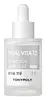
This pore-care ampoule is formulated around Niacinamide and Camellia Sinensis Leaf Extract to refine the look of pores and balance excess oil.
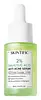
This acne serum is formulated around Niacinamide and Salicylic Acid to clear breakouts and refine the look of pores.


What's inside
What's inside
 Key Ingredients
Benefits
Concerns
Ingredients Side-by-side
Water
Skin ConditioningButylene Glycol
Humectant

Glycerin
Humectant
Niacinamide
Smoothing









PEG/PPG-17/6 Copolymer
SolventBis-PEG-15 Methyl Ether Dimethicone
Emulsifying
Hydroxyacetophenone
Antioxidant
PEG-60 Hydrogenated Castor Oil
Emulsifying


1,2-Hexanediol
Skin Conditioning
Panthenol
Skin Conditioning
Carbomer
Emulsion StabilisingCentella Asiatica Extract
Cleansing
Ethylhexylglycerin
Skin ConditioningTromethamine
BufferingXanthan Gum
EmulsifyingPortulaca Oleracea Extract
Skin Conditioning
Adenosine
Skin Conditioning
Sodium Hyaluronate
Humectant
Camellia Sinensis Leaf Extract
Antimicrobial
Disodium EDTA
Chamomilla Recutita Flower Extract
Masking
Vitex Agnus Castus Extract
AstringentMelaleuca Alternifolia Leaf Oil
Antioxidant



Biotin
AntiseborrhoeicArctium Lappa Root Extract
Skin Conditioning
Phellinus Linteus Extract
Skin ConditioningCitrus Aurantium Bergamia Fruit Oil
Masking
Eucalyptus Globulus Leaf Oil
Perfuming
Squalane
Emollient
Soluble Collagen
Humectant
Cetyl Ethylhexanoate
EmollientNeopentyl Glycol Diheptanoate
EmollientRosmarinus Officinalis Leaf Oil
Masking
Pueraria Thunbergiana Root Extract
Skin ConditioningPaeonia Albiflora Root Extract
Skin ConditioningCnidium Officinale Root Extract
Skin ConditioningGlycyrrhiza Glabra Root Extract
Bleaching
Aloe Barbadensis Leaf Juice
Skin Conditioning
Hydrogenated Phosphatidylcholine
Emulsifying
PEG-35 Castor Oil
Emulsifying
Salvia Sclarea Oil
Masking
Polyglyceryl-10 Myristate
Skin Conditioning
Calcium Pantothenate
Maltodextrin
Absorbent
Sodium Starch Octenylsuccinate
AbsorbentStearic Acid
Cleansing
Polyglyceryl-2 Stearate
Emulsifying
Cetearyl Alcohol
Emollient


Aesculus Hippocastanum Seed Extract
Skin ConditioningCrithmum Maritimum Callus Culture Filtrate
Skin ProtectingAlcohol
Antimicrobial

Sodium Ascorbyl Phosphate
Antioxidant
Oenothera Biennis Oil
Emollient
Carthamus Tinctorius Seed Oil
Masking
Octyldodecanol
Emollient
Tocopheryl Acetate
Antioxidant
Pyridoxine Hcl
Skin ConditioningPolysorbate 20
Emulsifying
Polyquaternium-51
Skin Conditioning
Ceramide NP
Skin Conditioning
Lactic Acid
Buffering
Pvp
Emulsion StabilisingTocopherol
Antioxidant
Sodium Acetate
BufferingLecithin
Emollient
Lysine
Skin ConditioningInositol
Humectant
Retinyl Palmitate
Skin Conditioning
Salicylic Acid
Masking

Glycolic Acid
Buffering
Linoleic Acid
Cleansing
Silica
Abrasive
Oligopeptide-1
Skin Conditioning
Fullerenes
AntimicrobialGlyceryl Arachidonate
Emollient
Glyceryl Linolenate
Emollient
Folic Acid
Skin ConditioningPyridoxine
Skin ConditioningThiamine Hcl
MaskingCyanocobalamin
Skin ConditioningWater, Butylene Glycol, Glycerin, Niacinamide, PEG/PPG-17/6 Copolymer, Bis-PEG-15 Methyl Ether Dimethicone, Hydroxyacetophenone, PEG-60 Hydrogenated Castor Oil, 1,2-Hexanediol, Panthenol, Carbomer, Centella Asiatica Extract, Ethylhexylglycerin, Tromethamine, Xanthan Gum, Portulaca Oleracea Extract, Adenosine, Sodium Hyaluronate, Camellia Sinensis Leaf Extract, Disodium EDTA, Chamomilla Recutita Flower Extract, Vitex Agnus Castus Extract, Melaleuca Alternifolia Leaf Oil, Biotin, Arctium Lappa Root Extract, Phellinus Linteus Extract, Citrus Aurantium Bergamia Fruit Oil, Eucalyptus Globulus Leaf Oil, Squalane, Soluble Collagen, Cetyl Ethylhexanoate, Neopentyl Glycol Diheptanoate, Rosmarinus Officinalis Leaf Oil, Pueraria Thunbergiana Root Extract, Paeonia Albiflora Root Extract, Cnidium Officinale Root Extract, Glycyrrhiza Glabra Root Extract, Aloe Barbadensis Leaf Juice, Hydrogenated Phosphatidylcholine, PEG-35 Castor Oil, Salvia Sclarea Oil, Polyglyceryl-10 Myristate, Calcium Pantothenate, Maltodextrin, Sodium Starch Octenylsuccinate, Stearic Acid, Polyglyceryl-2 Stearate, Cetearyl Alcohol, Aesculus Hippocastanum Seed Extract, Crithmum Maritimum Callus Culture Filtrate, Alcohol, Sodium Ascorbyl Phosphate, Oenothera Biennis Oil, Carthamus Tinctorius Seed Oil, Octyldodecanol, Tocopheryl Acetate, Pyridoxine Hcl, Polysorbate 20, Polyquaternium-51, Ceramide NP, Lactic Acid, Pvp, Tocopherol, Sodium Acetate, Lecithin, Lysine, Inositol, Retinyl Palmitate, Salicylic Acid, Glycolic Acid, Linoleic Acid, Silica, Oligopeptide-1, Fullerenes, Glyceryl Arachidonate, Glyceryl Linolenate, Folic Acid, Pyridoxine, Thiamine Hcl, Cyanocobalamin
Water
Skin ConditioningButylene Glycol
Humectant
Niacinamide
Smoothing
Glycerin
Humectant
PPG-10 Methyl Glucose Ether
Skin ConditioningPentylene Glycol
Skin Conditioning
1,2-Hexanediol
Skin Conditioning
Salicylic Acid
Masking
Acacia Senegal Gum
MaskingAcrylates/C10-30 Alkyl Acrylate Crosspolymer
Emulsion StabilisingTriethanolamine
BufferingMethylpropanediol
SolventEctoin
Skin Conditioning
Dipotassium Glycyrrhizate
Humectant
Ceramide AP
Skin Conditioning
Ceramide NP
Skin Conditioning
Ceramide Ns
Skin Conditioning
Ceramide Ng
Skin Conditioning
Centella Asiatica Extract
Cleansing
Disodium EDTA
Tartaric Acid
Buffering
Malic Acid
Buffering
Peumus Boldus Leaf Extract
MaskingPPG-26-Buteth-26
Skin ConditioningAllantoin
Skin Conditioning
O-Cymen-5-Ol
Antimicrobial
Ethylhexylglycerin
Skin ConditioningGlyceryl Caprylate
EmollientPEG-40 Hydrogenated Castor Oil
Emulsifying
Menthol
Masking
Caprylyl Glycol
Emollient
Xanthan Gum
EmulsifyingHydrolyzed Royal Jelly Protein
Skin ConditioningOligopeptide-1
Skin Conditioning
Sodium Hyaluronate
Humectant
Glycolipids
Skin ConditioningGlycosphingolipids
EmollientPropanediol
Solvent
Sodium Lactate
Buffering
Glycolic Acid
Buffering
Sucrose
Humectant
Urea
Buffering
Sodium Citrate
BufferingPhenoxyethanol
Preservative
Water, Butylene Glycol, Niacinamide, Glycerin, PPG-10 Methyl Glucose Ether, Pentylene Glycol, 1,2-Hexanediol, Salicylic Acid, Acacia Senegal Gum, Acrylates/C10-30 Alkyl Acrylate Crosspolymer, Triethanolamine, Methylpropanediol, Ectoin, Dipotassium Glycyrrhizate, Ceramide AP, Ceramide NP, Ceramide Ns, Ceramide Ng, Centella Asiatica Extract, Disodium EDTA, Tartaric Acid, Malic Acid, Peumus Boldus Leaf Extract, PPG-26-Buteth-26, Allantoin, O-Cymen-5-Ol, Ethylhexylglycerin, Glyceryl Caprylate, PEG-40 Hydrogenated Castor Oil, Menthol, Caprylyl Glycol, Xanthan Gum, Hydrolyzed Royal Jelly Protein, Oligopeptide-1, Sodium Hyaluronate, Glycolipids, Glycosphingolipids, Propanediol, Sodium Lactate, Glycolic Acid, Sucrose, Urea, Sodium Citrate, Phenoxyethanol
Reviews
Ingredients Explained
These ingredients are found in both products.
Ingredients higher up in an ingredient list are typically present in a larger amount.
1,2-Hexanediol is a synthetic liquid and another multi-functional powerhouse.
It is a:
- Humectant, drawing moisture into the skin
- Emollient, helping to soften skin
- Solvent, dispersing and stabilizing formulas
- Preservative booster, enhancing the antimicrobial activity of other preservatives
Butylene Glycol (or BG) is used within cosmetic products for a few different reasons:
Overall, Butylene Glycol is a safe and well-rounded ingredient that works well with other ingredients.
Though this ingredient works well with most skin types, some people with sensitive skin may experience a reaction such as allergic rashes, closed comedones, or itchiness.
Learn more about Butylene GlycolCentella Asiatica Extract (Centella) is one of the most researched botanical extracts in skincare with decades of studies backing its effects on inflammation, collagen, and the skin barrier.
That research keeps pointing back to the same four triterpenoid saponins: Asiaticoside, Madecassoside, Asiatic Acid, and Madecassic Acid.
These compounds allow centella to dial back inflammation, encourage the skin to build and hold onto collagen, support the barrier and hydration, and bring solid antioxidant activity to protect against signs of aging.
Centella also carries a nice supporting cast of Vitamin A, vitamin C, several B vitamins, and amino acids. Put it all together and you get an ingredient that soothes, hydrates, and protects, all at once.
Most of centella's magic comes from the four big compounds (Asiaticoside, Madecassoside, Asiatic Acid, and Madecassic Acid). These are the actives doing the heavy lifting in almost every centella study.
Here is the short version of what they do in the skin:
So it is not just soothing for the sake of soothing. Centella calms the skin AND helps it rebuild.
Just FYI, not all centella on an ingredient list is the same. What you are getting actually depends on the extract:
Fun fact on the ratios: the leaves tend to be richest in Madecassoside and Asiaticoside, and lower in the two acids. The exact amounts shift with where the plant is grown and how it is processed. This means purity really does vary brand to brand.
Centella is one of the most easygoing actives out there.
It layers well with basically everything: niacinamide, hyaluronic acid, peptides, and vitamin C, and also pairs nicely with stronger actives like retinoids and exfoliating acids where it can help take the edge off irritation.
On the safety side, centella and its triterpenes are classified as weak sensitizers, meaning allergic reactions are possible but uncommon.
Patch tests at 1% and 5% came back negative in test panels, and creams at typical use levels did not cause allergic reactions across large groups of people.
But as with any new active, a patch test is still a smart move for very reactive skin.
Centella is widely used because it is effective at low percentages. For context, human safety testing found no meaningful irritation from creams containing centella extract at everyday use levels (the tested amounts were well under 1%).
The irritancy threshold in animal testing was also above 30% (so real-world formulas sit far below anything concerning).
In collagen lab studies, higher concentrations drove more collagen synthesis, so serums built around centella tend to feature it more prominently.
Bottom line: you will find centella working nicely anywhere from a fraction of a percent up to hero-ingredient levels depending on whether it is a supporting soother or the main event.
Fun fact: Centella has been used as a medicine and in food for many centuries. As a medicine, it is used to treat burns, scratches, and wounds.
Learn more about Centella Asiatica ExtractCeramide NP (formerly known as Ceramide 3) is one of the skin's naturally occurring lipids.
Since ceramides are the major lipid components of the skin, they are crucial for maintaining skin barrier and hydration. Ceramide NP most closely mirrors the dominant kind in human skin amongst ceramide subtypes.
This ceramide works by slotting into gaps within the stratum corneum's lipid matrix to limit trans-epidermal water loss (TEWL) and shield the skin against external irritants.
A study with 312 patients found that using a ceramide-containing routine for 4 weeks reduced the severity of atopic dermatitis by over 61%.
Another clinical study in subjects aged 60 and older found that a ceramide body wash and moisturizer improved skin dryness and itchy skin in 15 days.
Overall, ceramides are considered non-irritating and safety tests have found little to no observable adverse effects from using this ingredient.
Ceramide NP is usually sourced from plants (like soybean or rice bran), or produced synthetically.
Learn more about Ceramide NPDisodium EDTA is a chelating agent. It grabs onto and deactivates metal ions that sneak into your products from water, packaging, or air.
This ingredient mainly works behind the scenes and helps with:
On top of that, this ingredient can counteract the effects of hard water by binding to the minerals in it.
One thing worth knowing is that Disodium EDTA has been shown to be a mild penetration enhancer. It can help other ingredients absorb into skin more effectively which can be a double-edged sword (great for actives, but can also make the active too strong if you have sensitive skin).
Clinical patch testing showed no significant skin irritation at typical use concentrations and minimal dermal absorption.
You'll most likely see this ingredient near the end of an ingredient list. It's typically found in concentrations less than 1%.
Learn more about Disodium EDTAEthylhexylglycerin is created from glycerin. It is a multitasker ingredient that:
The CIR Expert Panel found minimal skin absorption or sensitization of any kind in a safety assessment. Though this ingredient is considered well-tolerated, a small number of cases of allergic dermatitis have been published since 2002. Just be sure to patch test if you are unsure.
Industry-reported use ranges from 8% in rinse-off products and 2% in leave-on formulations.
Learn more about EthylhexylglycerinGlycerin (or glycerol) is a compound naturally found in your skin. It's a powerhouse humectant that pulls water into the stratum corneum.
Topically, glycerin does several things at once:
Your skin makes glycerin on its own (mostly from sebaceous oil breakdown) and shuttles it to your outermost layer of skin, or your epidermis, via aquaporin-3.
Aquaporin-3 is a transporter that is essential for normal skin hydration, elasticity, and repair. Interestingly, mice lacking in AQP3 have dry and less elastic skin that can be fully corrected with glycerin.
This ingredient is non-irritating, plays well with almost every ingredient, and works across all skin types. Typical use is anywhere between 3-10% but can go up to 79% in some leave-on products.
Just know very high concentrations (>40%) can feel tacky in low humidity.
Glycerin is the name for this ingredient in American English. British English uses Glycerol/Glycerine.
Learn more about GlycerinGlycolic Acid is arguably the most famous alpha hydroxy acid (AHA) with tons of research backing its benefits.
It is found naturally in sugar cane but the form used in skincare is usually synthetic for purity and stability.
Glycolic acid removes the top layer of dead skin cells to allow newer and fresher ones to emerge.
AHAs work by breaking down the structural “glue” that holds old skin cells in place. When that buildup is gone, your skin can renew itself more efficiently.
Research also shows glycolic acid stimulates collagen production, helping to firm and thicken the skin over time. This is one of its biggest advantages over other AHAs.
Overall, glycolic acid helps with:
Fun fact: Glycolic acid boosts skin hydration by helping it produce molecules that increase hyaluronic acid naturally.
To work best, glycolic acid products should have a pH between 3-4 (that’s where exfoliation is most effective but still gentle on skin).
The pH and concentration of a product are key to its effectiveness:
It is normal to feel a slight stinging sensation when using glycolic acid. This usually fades as your skin adjusts.
Because glycolic acid has the smallest molecular size in the AHA family, it can penetrate deeper, which enhances its effectiveness but also makes it more likely to irritate sensitive skin.
If your skin is very sensitive or prone to rosacea, glycolic acid may be too strong; in that case, try milder options like lactic acid or a PHA instead.
Recent studies suggest glycolic acid might even help protect against UV damage. But don’t skip sunscreen! Freshly exfoliated skin is more sensitive to the sun.
Glycolic acid is a skincare superstar. It smooths, brightens, hydrates, and firms the skin. Unless you’re highly sensitive, it’s well worth adding to your routine.
Read more about some other popular AHA's here:
Learn more about Glycolic AcidNiacinamide is a multitasking form of vitamin B3 that strengthens the skin barrier, reduces pores and dark spots, regulates oil, and improves signs of aging.
And the best part? It's gentle and well-tolerated by most skin types, including sensitive and reactive skin.
You might have heard of "niacin flush", or the reddening of skin that causes itchiness. Niacinamide has not been found to cause this.
In very rare cases, some individuals may not be able to tolerate niacinamide at all or experience an allergic reaction to it.
If you are experiencing flaking, irritation, and dryness with this ingredient, be sure to double check all your products as this ingredient can be found in all categories of skincare.
When incorporating niacinamide into your routine, look out for concentration amounts. Typically, 5% niacinamide provides benefits such as fading dark spots. However, if you have sensitive skin, it is better to begin with a smaller concentration.
When you apply niacinamide to your skin, your body converts it into nicotinamide adenine dinucleotide (NAD). NAD is an essential coenzyme that is already found in your cells as "fuel" and powers countless biological processes.
In your skin, NAD helps repair cell damage, produce new healthy cells, support collagen production, strengthen the skin barrier, and fight environmental stressors (like UV and pollution).
Our natural NAD levels start to decline with age, leading to slower skin repair, visible aging, and a weaker skin barrier. By providing your skin niacinamide, you're recharging your skin's NAD levels. This leads to stronger, healthier, and younger looking skin.
Another name for vitamin B3 is nicotinamide. This vitamin is water-soluble and our bodies don't store it. We obtain Vitamin B3 from either food or skincare. Meat, fish, wheat, yeast, and leafy greens contain vitamin B3.
The type of niacinamide used in skincare is synthetically created.
Learn more about NiacinamideOligopeptide-1 is another name for Epidermal Growth Factor (EGF). In a formula, EGF works as a signaling ingredient.
EGF binds to receptors on your skin cells and tells keratinocytes/fibroblasts to divide, move, and rebuild the skin's support structure.
A 2012 open-label study on a barley-derived EGF serum reported statistically significant improvements in fine-lines, skin texture, pore size, and uneven skin tone, with changes showing up within the first month of 2x/daily use.
And a 2023 review found generally positive but modest results for growth factor products while pointing out that most trials are small, often industry-funded, and rarely test EGF on its own.
So, a fair summary of this ingredient would be "promising with real mechanistic backing, but not yet large-scale proof".
Concentration-wise, EGF is biologically active at very tiny amounts so finished products use it at low levels (think parts per million).
Raw material supplies usually sell a pre-diluted EGF solution and recommend adding roughly 1-5% of that solution to a formula.
Another practical catch: EGF is a fragile protein so it reacts badly to heat and the wrong pH. This just means it relies heavily on good packaging and a solid delivery system to stay active in a bottle.
Oligopeptide-1 and Sh-Oligopeptide-1. The "sh-" prefix just means "synthetic human" and it tells you that it's the lab grown version.
Learn more about Oligopeptide-1Salicylic Acid (also known as beta hydroxy acid or BHA) is a well-known ingredient for treating skin that struggles with acne and clogged pores. It exfoliates both the skin's surface and deep within the pores to help clear out buildup, control oil, and reduce inflammation.
Unlike AHAs (alpha hydroxy acids), salicylic acid is oil-soluble. This allows it to penetrate into pores which makes it especially effective for treating blackheads and preventing future breakouts.
Salicylic acid is also known for its soothing properties. It has a similar structure to aspirin and can calm inflamed or irritated skin, making it a good option for acne-prone skin that is also sensitive.
Concentrations of 0.5-2% are recognized by the U.S. FDA as an over-the-counter topical acne product.
It can cause irritation and/or dryness if one's skin already has a compromised moisture barrier, so it's best to focus on repairing that before introducing this ingredient into your routine.
While salicylic acid does not increase sun sensitivity, it’s still important to wear sunscreen daily to protect your skin.
If you are looking for the ingredient called BHA or Butylated Hydroxyanisole, click here.
Learn more about Salicylic AcidSodium Hyaluronate is the salt form of hyaluronic acid. It is a long sugar chain that is naturally found in your skin, joints, and connective tissue that maintains hydration and elasticity.
In skincare, it works as a humectant. It pulls water from the environment and deeper layers of skin and binds it to the surface.
Interestingly, the size of the molecule affects its behavior:
Some clinical evidence links low molecular weight versions to improved wrinkle depth, elasticity, anti-inflammatory effects, and barrier repair.
Many serums use a blend of both weights so you can get surface hydration plus longer-lasting and deeper effects.
You'll typically see concentrations between 0.1-2% for this ingredient.
Learn more about Sodium HyaluronateWater. It's the most common cosmetic ingredient of all. You'll usually see it at the top of ingredient lists, meaning that it makes up the largest part of the product.
So why is it so popular? Water most often acts as a solvent - this means that it helps dissolve other ingredients into the formulation.
You'll also recognize water as that liquid we all need to stay alive. If you see this, drink a glass of water. Remember to stay hydrated!
Learn more about WaterXanthan gum is used as a stabilizer and thickener within cosmetic products. It helps give products a sticky, thick feeling - preventing them from being too runny.
On the technical side of things, xanthan gum is a polysaccharide - a combination consisting of multiple sugar molecules bonded together.
Xanthan gum is a pretty common and great ingredient. It is a natural, non-toxic, non-irritating ingredient that is also commonly used in food products.
Learn more about Xanthan Gum

