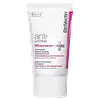
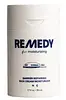
StriVectin SD Advanced ™ PLUS Intensive Moisturizer For Wrinkles & Stretch Marks Versus Remedy Barrier Repairing Rich Cream Moisturizer
This anti-aging moisturizer is formulated around Palmitoyl Tripeptide-38 and Copper Tripeptide-1 to soften the look of wrinkles and refine skin texture.
This barrier-repair moisturizer is formulated around Niacinamide and Squalane to strengthen the skin barrier and hydrate skin.

What's inside
What's inside
 Key Ingredients
Benefits
Concerns
Ingredients Side-by-side
Water
Skin ConditioningGlycerin
Humectant


Pentaerythrityl Tetraisostearate
Emollient

Trimethylolpropane Tricaprylate/Tricaprate
EmollientNeopentyl Glycol Diheptanoate
EmollientPropanediol
Solvent
Myristyl Nicotinate
Skin ConditioningCetearyl Alcohol
Emollient




Butylene Glycol
Humectant
Bis-Stearyl Dimethicone
Emollient
Glyceryl Stearate
Emollient
Theobroma Grandiflorum Seed Butter
Skin Conditioning
Dimethicone
Emollient
Sorbitan Stearate
Emulsifying
Stearoxymethicone/Dimethicone Copolymer
Emollient
1,2-Hexanediol
Skin Conditioning
Palmitoyl Tripeptide-38
Skin Conditioning


Oryza Sativa Bran Extract
Skin Conditioning
Palmitoyl Tetrapeptide-7
Skin Conditioning
Astrocaryum Murumuru Seed Butter
Emollient
Palmitoyl Tripeptide-1
Skin Conditioning
Copper Tripeptide-1
Skin Conditioning
Saccharide Isomerate
Humectant
Panthenol
Skin Conditioning
Hydroxyethyl Acrylate/Sodium Acryloyldimethyl Taurate Copolymer
Emulsion StabilisingPEG-40 Stearate
Emulsifying
Astrocaryum Vulgare Kernel Oil
Skin Conditioning
Polysilicone-11

Butyrospermum Parkii Butter
Skin Conditioning
Ceteareth-20
Cleansing
Bisabolol
Antioxidant
Caprylhydroxamic Acid
ChelatingNicotiana Benthamiana Hexapeptide-40 Sh-Oligopeptide-1
Skin Conditioning
Phaseolus Lunatus Seed Extract
EmollientAloe Barbadensis Leaf Juice
Skin Conditioning
Bacillus/Sea Salt Ferment Filtrate
Skin ConditioningZingiber Officinale Root Extract
Masking
Rosmarinus Officinalis Leaf Extract
AntimicrobialPolyglyceryl-4 Diisostearate/Polyhydroxystearate/Sebacate
Emulsifying
Pentaclethra Macroloba Seed Oil/Behenic Acid/Aminopropanediol Amides/Esters
Emollient
Helianthus Annuus Extract
Emollient
Hydrolyzed Hyaluronic Acid
Humectant
Evodia Rutaecarpa Fruit Extract
Skin ConditioningSodium Hyaluronate Crosspolymer
Humectant
Nymphaea Alba Flower Extract
Skin ConditioningMethylglucoside Phosphate
Skin ConditioningCetyl Hydroxyethylcellulose
Emulsion StabilisingAdenosine
Skin Conditioning
Isohexadecane
EmollientSorbitan Isostearate
Emulsifying
Hydroxypropyl Cyclodextrin
MaskingCopper Lysinate/Prolinate
Skin ConditioningAminomethyl Propanol
BufferingDicaprylyl Ether
Emollient
Dipotassium Phosphate
BufferingEthylhexyl Stearate
Emollient
Sodium Isostearate
CleansingPolysorbate 60
Emulsifying
Resveratrol
Antioxidant
Xanthan Gum
EmulsifyingDisodium EDTA
ChelatingParfum
Masking


Lactic Acid
Buffering


Mica
Cosmetic ColorantRutin
Antioxidant
Tocopherol
Antioxidant
Sodium Citrate
BufferingCitric Acid
Buffering
CI 77891
Cosmetic ColorantCI 77491
Cosmetic ColorantWater, Glycerin, Pentaerythrityl Tetraisostearate, Trimethylolpropane Tricaprylate/Tricaprate, Neopentyl Glycol Diheptanoate, Propanediol, Myristyl Nicotinate, Cetearyl Alcohol, Butylene Glycol, Bis-Stearyl Dimethicone, Glyceryl Stearate, Theobroma Grandiflorum Seed Butter, Dimethicone, Sorbitan Stearate, Stearoxymethicone/Dimethicone Copolymer, 1,2-Hexanediol, Palmitoyl Tripeptide-38, Oryza Sativa Bran Extract, Palmitoyl Tetrapeptide-7, Astrocaryum Murumuru Seed Butter, Palmitoyl Tripeptide-1, Copper Tripeptide-1, Saccharide Isomerate, Panthenol, Hydroxyethyl Acrylate/Sodium Acryloyldimethyl Taurate Copolymer, PEG-40 Stearate, Astrocaryum Vulgare Kernel Oil, Polysilicone-11, Butyrospermum Parkii Butter, Ceteareth-20, Bisabolol, Caprylhydroxamic Acid, Nicotiana Benthamiana Hexapeptide-40 Sh-Oligopeptide-1, Phaseolus Lunatus Seed Extract, Aloe Barbadensis Leaf Juice, Bacillus/Sea Salt Ferment Filtrate, Zingiber Officinale Root Extract, Rosmarinus Officinalis Leaf Extract, Polyglyceryl-4 Diisostearate/Polyhydroxystearate/Sebacate, Pentaclethra Macroloba Seed Oil/Behenic Acid/Aminopropanediol Amides/Esters, Helianthus Annuus Extract, Hydrolyzed Hyaluronic Acid, Evodia Rutaecarpa Fruit Extract, Sodium Hyaluronate Crosspolymer, Nymphaea Alba Flower Extract, Methylglucoside Phosphate, Cetyl Hydroxyethylcellulose, Adenosine, Isohexadecane, Sorbitan Isostearate, Hydroxypropyl Cyclodextrin, Copper Lysinate/Prolinate, Aminomethyl Propanol, Dicaprylyl Ether, Dipotassium Phosphate, Ethylhexyl Stearate, Sodium Isostearate, Polysorbate 60, Resveratrol, Xanthan Gum, Disodium EDTA, Parfum, Lactic Acid, Mica, Rutin, Tocopherol, Sodium Citrate, Citric Acid, CI 77891, CI 77491
Water
Skin ConditioningGlycerin
Humectant
Caprylic/Capric Triglyceride
Masking
Propanediol
Solvent
Vitis Vinifera Seed Oil
Emollient
Niacinamide
Smoothing

Squalane
Emollient
Simmondsia Chinensis Seed Oil
Emollient
C10-18 Triglycerides
Emollient
C12-16 Alcohols
EmollientArachidyl Alcohol
Emollient
Butyrospermum Parkii Butter
Skin Conditioning
Chondrus Crispus Extract
Skin Conditioning
Glycyrrhiza Glabra Root Extract
Bleaching
Curcuma Longa Root Extract
Antioxidant
Tripeptide-1
Skin Conditioning
Ceramide NP
Skin Conditioning
Ceramide AP
Skin Conditioning
Ceramide EOP
Skin Conditioning
Phytosphingosine
Skin Conditioning
Hydrolyzed Hyaluronic Acid
Humectant
Sodium Hyaluronate
Humectant
Cholesterol
Emollient
Dextran
Hydrogenated Lecithin
Emulsifying
Behenyl Alcohol
Emollient
Arachidyl Glucoside
EmulsifyingGlucose
Humectant
Diheptyl Succinate
EmollientCapryloyl Glycerin/Sebacic Acid Copolymer
Skin ConditioningButylene Glycol
Humectant
Sodium Lauroyl Lactylate
EmulsifyingSodium Stearoyl Glutamate
CleansingSaccharide Isomerate
Humectant
Aloe Barbadensis Leaf Juice
Skin Conditioning
Trisodium Ethylenediamine Disuccinate
ChelatingSodium Polyacrylate
Absorbent
Palmitic Acid
Emollient
Carbomer
Emulsion StabilisingXanthan Gum
EmulsifyingLeuconostoc/Radish Root Ferment Filtrate
Antimicrobial
Phenoxyethanol
Preservative
Gluconolactone
Chelating
Ethylhexylglycerin
Skin ConditioningSodium Benzoate
Masking
Citric Acid
Buffering
Sodium Hydroxide
BufferingSodium Citrate
BufferingWater, Glycerin, Caprylic/Capric Triglyceride, Propanediol, Vitis Vinifera Seed Oil, Niacinamide, Squalane, Simmondsia Chinensis Seed Oil, C10-18 Triglycerides, C12-16 Alcohols, Arachidyl Alcohol, Butyrospermum Parkii Butter, Chondrus Crispus Extract, Glycyrrhiza Glabra Root Extract, Curcuma Longa Root Extract, Tripeptide-1, Ceramide NP, Ceramide AP, Ceramide EOP, Phytosphingosine, Hydrolyzed Hyaluronic Acid, Sodium Hyaluronate, Cholesterol, Dextran, Hydrogenated Lecithin, Behenyl Alcohol, Arachidyl Glucoside, Glucose, Diheptyl Succinate, Capryloyl Glycerin/Sebacic Acid Copolymer, Butylene Glycol, Sodium Lauroyl Lactylate, Sodium Stearoyl Glutamate, Saccharide Isomerate, Aloe Barbadensis Leaf Juice, Trisodium Ethylenediamine Disuccinate, Sodium Polyacrylate, Palmitic Acid, Carbomer, Xanthan Gum, Leuconostoc/Radish Root Ferment Filtrate, Phenoxyethanol, Gluconolactone, Ethylhexylglycerin, Sodium Benzoate, Citric Acid, Sodium Hydroxide, Sodium Citrate
Reviews
Ingredients Explained
These ingredients are found in both products.
Ingredients higher up in an ingredient list are typically present in a larger amount.
Aloe Barbadensis Leaf Juice is the filtered, stabilized liquid pressed from the inner gel of the aloe vera leaf.
In cosmetics, it shows up as either soothing active or a water-replacement base. It is roughly 98-99% water and the last 1-2% is an interesting mix of polysaccharides, amino acids, vitamins, minerals, and enzymes.
The polysaccharides do most of the work: they bind water at the skin surface for a light, non-greasy hydration boost. And one of the polysaccharides, glycomannan, is linked to fibroblast stimulation + collagen synthesis. This is also why aloe has such a long track record in wound and burn healing.
This ingredient is also calming with anti-inflammatory and mild antimicrobial activity, making it a great pick for sensitive, irritated, or post-sun skin.
Realistic expectations matter though; the solid evidence is mostly limited to hydration, soothing, and wound support. Deeper claims about anti-aging or sun protection are not well backed, and science reviews note it does not prevent radiation-induced skin injury.
Because it plays well with almost everything, it's commonly used as a base alongside other actives like niacinamide or vitamin C.
Typical usage concentrations range from 0.5% (where hydration benefits already show up) all the way to 90%+ (where it replaces water as the main base).
The safety for this ingredient is well-establish as well. Overall, this is a great supporting ingredient for those who want a boost in hydration.
Learn more about Aloe Barbadensis Leaf JuiceButylene Glycol (or BG) is used within cosmetic products for a few different reasons:
Overall, Butylene Glycol is a safe and well-rounded ingredient that works well with other ingredients.
Though this ingredient works well with most skin types, some people with sensitive skin may experience a reaction such as allergic rashes, closed comedones, or itchiness.
Learn more about Butylene GlycolThis ingredient is also known as shea butter. It is a plant-derived extract from the nuts of the Africa shea tree and one of the most well-studied emollients.
Because it has a high concentration of fatty acids (primarily oleic, stearic, and linoleic) it is able to form a protective barrier on the skin's surface. This helps seal in moisture and prevents transepidermal water loss (TEWL).
In vitro research found an increase in skin hydration by 58% and a decrease in TEWL by 37.8% after 24 hours of applying this ingredient (pretty impressive for a single ingredient!).
Besides hydration, shea butter also contains triterpenes that have anti-inflammatory potential. In particule, lupeol cinnamate has shown the highest anti-inflammatory activity in vivo.
Shea butter also contains vitamins A and E which may contribute to antioxidant activity.
While Shea Butter has an SPF rating of about 3-4, it is not a sunscreen replacement.
This ingredient may not be fungal acne safe because its fatty acids fall within the C11-C24 range that the Malassezia yeast can metabolize.
This ingredient shows up on a lot of "pore-clogging" lists but there's no real evidence behind that. It doesn't even have a comedogenic rating from an actual study; the numbers you'll find online come from blogs citing other blogs.
Ratings for other ingredients mostly come from a 1980s rabbit ear test. This test doesn't translate well to human skin or to real products because the ingredient sits at a much lower percentage.
Some people still find it breaks them out. So if that's you, definitely trust your skin. Just know this one's based on experience and not evidence.
Learn more about Butyrospermum Parkii ButterCitric Acid is an alpha hydroxy acid (AHA) naturally found in citrus fruits like oranges, lemons, and limes.
Like other AHAs, citric acid can exfoliate skin by breaking down the bonds that hold dead skin cells together. This helps reveal smoother and brighter skin underneath.
However, this exfoliating effect only happens at high concentrations (20%) which can be hard to find in cosmetic products.
Due to this, citric acid is usually included in small amounts as a pH adjuster. This helps keep products slightly more acidic and compatible with skin's natural pH.
In skincare formulas, citric acid can:
While it can provide some skin benefits, research shows lactic acid and glycolic acid are generally more effective and less irritating exfoliants.
Most citric acid used in skincare today is made by fermenting sugars (usually from molasses). This synthetic version is identical to the natural citrus form but easier to stabilize and use in formulations.
Rosacea skin has a lower threshold for acids generally, with 62.5% of rosacea subjects in one study reacting to lactic acid in a sting test. This is why we mark citric acid as a potential rosacea trigger.
However, this ingredient shows up as a pH adjuster or chelator at roughly 0.1-1% in many products. These low levels are unlikely to be an issue for rosacea skin and becomes a potential trigger at exfoliating concentrations (20%). Because everybody's skin is unique, we recommend a patch test if you are unsure.
Learn more about Citric AcidGlycerin (or glycerol) is a compound naturally found in your skin. It's a powerhouse humectant that pulls water into the stratum corneum.
Topically, glycerin does several things at once:
Your skin makes glycerin on its own (mostly from sebaceous oil breakdown) and shuttles it to your outermost layer of skin, or your epidermis, via aquaporin-3.
Aquaporin-3 is a transporter that is essential for normal skin hydration, elasticity, and repair. Interestingly, mice lacking in AQP3 have dry and less elastic skin that can be fully corrected with glycerin.
This ingredient is non-irritating, plays well with almost every ingredient, and works across all skin types. Typical use is anywhere between 3-10% but can go up to 79% in some leave-on products.
Just know very high concentrations (>40%) can feel tacky in low humidity.
Glycerin is the name for this ingredient in American English. British English uses Glycerol/Glycerine.
Learn more about GlycerinHydrolyzed Hyaluronic Acid is hyaluronic acid (HA) that is broken down into lower molecular weight fragments.
It's a humectant that pulls and holds water in the skin to help with hydration, plumpness, and reduce transepidermal water loss.
Because hydrolyzed hyaluronic acid is smaller in size, it can slip past your outermost layer of skin more easily than full-sized HA.
Most formulations will combine all sizes to get the best of both worlds.
Typical usage levels range from 0.01-1%. Any percentage higher than 2% might become goopy and tacky.
Learn more about Hydrolyzed Hyaluronic AcidPropanediol is an all-star ingredient. It softens, hydrates, and smooths the skin.
It’s often used to:
Propanediol is not likely to cause sensitivity and considered safe to use. It is derived from corn or petroleum with a clear color and no scent.
Learn more about PropanediolSaccharide Isomerate comes from sugars found in corn. It is a skin hydrator.
The structure of this ingredient can be altered to be more similar to the carbohydrates found in our skin. This ability to mimic our skin gives it hydrating properties.
Specifically, saccharide Isomerate is a humectant. Humectants draw moisture from the air to our skin.
Research shows Saccharide Isomerate to be an effective moisturizer.
Learn more about Saccharide IsomerateSodium Citrate is the sodium salts of citric acid. In skincare, it is used to alter pH levels and acts as a preservative.
Its main functions are to maintain the pH of a product and neutralize metal ions.
The acidity of our skin is maintained by our glands and skin biome; normal pH level of skin is slightly acidic (~4.75-5.5).
Being slightly acidic allows our skin to create an "acid mantle". This acid mantle is a thin barrier that protects our skin from bacteria and contaminants.
Learn more about Sodium CitrateWater. It's the most common cosmetic ingredient of all. You'll usually see it at the top of ingredient lists, meaning that it makes up the largest part of the product.
So why is it so popular? Water most often acts as a solvent - this means that it helps dissolve other ingredients into the formulation.
You'll also recognize water as that liquid we all need to stay alive. If you see this, drink a glass of water. Remember to stay hydrated!
Learn more about WaterXanthan gum is used as a stabilizer and thickener within cosmetic products. It helps give products a sticky, thick feeling - preventing them from being too runny.
On the technical side of things, xanthan gum is a polysaccharide - a combination consisting of multiple sugar molecules bonded together.
Xanthan gum is a pretty common and great ingredient. It is a natural, non-toxic, non-irritating ingredient that is also commonly used in food products.
Learn more about Xanthan Gum

