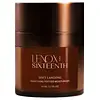
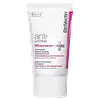
Lenox And Sixteenth Soft Landing Smoothing Peptide Moisturizer Versus StriVectin SD Advanced ™ PLUS Intensive Moisturizer For Wrinkles & Stretch Marks
This anti-aging moisturizer is formulated around Acetyl Hexapeptide-8 and Bakuchiol to soften the look of wrinkles and refine skin texture.
This anti-aging moisturizer is formulated around Palmitoyl Tripeptide-38 and Copper Tripeptide-1 to soften the look of wrinkles and refine skin texture.

What's inside
What's inside
 Key Ingredients
Benefits
Concerns
Ingredients Side-by-side
Water
Skin ConditioningButylene Glycol
Humectant

Glycerin
Humectant
Caprylic/Capric Triglyceride
Masking
Propanediol
Solvent
Cetearyl Olivate


Sorbitan Olivate
Emulsifying
Coco-Caprylate/Caprate
Emollient
Butyrospermum Parkii Butter
Skin Conditioning


Cetyl Alcohol
Emollient
Dimethicone
Emollient
PEG-7 Glyceryl Cocoate
Emulsifying
1,2-Hexanediol
Skin Conditioning
Acetyl Hexapeptide-8
Humectant

Bakuchiol
Antimicrobial







C9-12 Alkane
SolventCaprylhydroxamic Acid
ChelatingCarbomer
Emulsion StabilisingCitric Acid
Buffering
Copper Tripeptide-1
Skin Conditioning
Cucumis Sativus Extract
Skin Conditioning
Hexapeptide-11
Skin Conditioning
Hydrolyzed Rice Protein
Skin ConditioningHydroxyethyl Acrylate/Sodium Acryloyldimethyl Taurate Copolymer
Emulsion StabilisingPalmitoyl Tetrapeptide-7
Skin Conditioning
Palmitoyl Tripeptide-1
Skin Conditioning
Phenoxyethanol
Preservative
Polyacrylate Crosspolymer-6
Emulsion StabilisingPolysorbate 20
Emulsifying
Polysorbate 60
Emulsifying
Resveratrol
Antioxidant
Sodium Hyaluronate
Humectant
Sodium Lactate
Buffering
Squalane
Emollient
Tetrasodium Glutamate Diacetate
ChelatingTocopherol
Antioxidant
Tromethamine
BufferingXanthan Gum
EmulsifyingAcetic Acid
BufferingPotassium Sorbate
Preservative
Sodium Benzoate
Masking
Sodium Hydroxide
BufferingSorbitan Isostearate
Emulsifying
Water, Butylene Glycol, Glycerin, Caprylic/Capric Triglyceride, Propanediol, Cetearyl Olivate, Sorbitan Olivate, Coco-Caprylate/Caprate, Butyrospermum Parkii Butter, Cetyl Alcohol, Dimethicone, PEG-7 Glyceryl Cocoate, 1,2-Hexanediol, Acetyl Hexapeptide-8, Bakuchiol, C9-12 Alkane, Caprylhydroxamic Acid, Carbomer, Citric Acid, Copper Tripeptide-1, Cucumis Sativus Extract, Hexapeptide-11, Hydrolyzed Rice Protein, Hydroxyethyl Acrylate/Sodium Acryloyldimethyl Taurate Copolymer, Palmitoyl Tetrapeptide-7, Palmitoyl Tripeptide-1, Phenoxyethanol, Polyacrylate Crosspolymer-6, Polysorbate 20, Polysorbate 60, Resveratrol, Sodium Hyaluronate, Sodium Lactate, Squalane, Tetrasodium Glutamate Diacetate, Tocopherol, Tromethamine, Xanthan Gum, Acetic Acid, Potassium Sorbate, Sodium Benzoate, Sodium Hydroxide, Sorbitan Isostearate
Water
Skin ConditioningGlycerin
Humectant
Pentaerythrityl Tetraisostearate
Emollient
Trimethylolpropane Tricaprylate/Tricaprate
EmollientNeopentyl Glycol Diheptanoate
EmollientPropanediol
Solvent
Myristyl Nicotinate
Skin ConditioningCetearyl Alcohol
Emollient
Butylene Glycol
Humectant
Bis-Stearyl Dimethicone
Emollient
Glyceryl Stearate
Emollient
Theobroma Grandiflorum Seed Butter
Skin Conditioning
Dimethicone
Emollient
Sorbitan Stearate
Emulsifying
Stearoxymethicone/Dimethicone Copolymer
Emollient
1,2-Hexanediol
Skin Conditioning
Palmitoyl Tripeptide-38
Skin Conditioning
Oryza Sativa Bran Extract
Skin Conditioning
Palmitoyl Tetrapeptide-7
Skin Conditioning
Astrocaryum Murumuru Seed Butter
Emollient
Palmitoyl Tripeptide-1
Skin Conditioning
Copper Tripeptide-1
Skin Conditioning
Saccharide Isomerate
Humectant
Panthenol
Skin Conditioning
Hydroxyethyl Acrylate/Sodium Acryloyldimethyl Taurate Copolymer
Emulsion StabilisingPEG-40 Stearate
Emulsifying
Astrocaryum Vulgare Kernel Oil
Skin Conditioning
Polysilicone-11
Butyrospermum Parkii Butter
Skin Conditioning
Ceteareth-20
Cleansing
Bisabolol
Antioxidant
Caprylhydroxamic Acid
ChelatingNicotiana Benthamiana Hexapeptide-40 Sh-Oligopeptide-1
Skin Conditioning
Phaseolus Lunatus Seed Extract
EmollientAloe Barbadensis Leaf Juice
Skin Conditioning
Bacillus/Sea Salt Ferment Filtrate
Skin ConditioningZingiber Officinale Root Extract
Masking
Rosmarinus Officinalis Leaf Extract
AntimicrobialPolyglyceryl-4 Diisostearate/Polyhydroxystearate/Sebacate
Emulsifying
Pentaclethra Macroloba Seed Oil/Behenic Acid/Aminopropanediol Amides/Esters
Emollient
Helianthus Annuus Extract
Emollient
Hydrolyzed Hyaluronic Acid
Humectant
Evodia Rutaecarpa Fruit Extract
Skin ConditioningSodium Hyaluronate Crosspolymer
Humectant
Nymphaea Alba Flower Extract
Skin ConditioningMethylglucoside Phosphate
Skin ConditioningCetyl Hydroxyethylcellulose
Emulsion StabilisingAdenosine
Skin Conditioning
Isohexadecane
EmollientSorbitan Isostearate
Emulsifying
Hydroxypropyl Cyclodextrin
MaskingCopper Lysinate/Prolinate
Skin ConditioningAminomethyl Propanol
BufferingDicaprylyl Ether
Emollient
Dipotassium Phosphate
BufferingEthylhexyl Stearate
Emollient
Sodium Isostearate
CleansingPolysorbate 60
Emulsifying
Resveratrol
Antioxidant
Xanthan Gum
EmulsifyingDisodium EDTA
ChelatingParfum
Masking


Lactic Acid
Buffering
Mica
Cosmetic ColorantRutin
Antioxidant
Tocopherol
Antioxidant
Sodium Citrate
BufferingCitric Acid
Buffering
CI 77891
Cosmetic ColorantCI 77491
Cosmetic ColorantWater, Glycerin, Pentaerythrityl Tetraisostearate, Trimethylolpropane Tricaprylate/Tricaprate, Neopentyl Glycol Diheptanoate, Propanediol, Myristyl Nicotinate, Cetearyl Alcohol, Butylene Glycol, Bis-Stearyl Dimethicone, Glyceryl Stearate, Theobroma Grandiflorum Seed Butter, Dimethicone, Sorbitan Stearate, Stearoxymethicone/Dimethicone Copolymer, 1,2-Hexanediol, Palmitoyl Tripeptide-38, Oryza Sativa Bran Extract, Palmitoyl Tetrapeptide-7, Astrocaryum Murumuru Seed Butter, Palmitoyl Tripeptide-1, Copper Tripeptide-1, Saccharide Isomerate, Panthenol, Hydroxyethyl Acrylate/Sodium Acryloyldimethyl Taurate Copolymer, PEG-40 Stearate, Astrocaryum Vulgare Kernel Oil, Polysilicone-11, Butyrospermum Parkii Butter, Ceteareth-20, Bisabolol, Caprylhydroxamic Acid, Nicotiana Benthamiana Hexapeptide-40 Sh-Oligopeptide-1, Phaseolus Lunatus Seed Extract, Aloe Barbadensis Leaf Juice, Bacillus/Sea Salt Ferment Filtrate, Zingiber Officinale Root Extract, Rosmarinus Officinalis Leaf Extract, Polyglyceryl-4 Diisostearate/Polyhydroxystearate/Sebacate, Pentaclethra Macroloba Seed Oil/Behenic Acid/Aminopropanediol Amides/Esters, Helianthus Annuus Extract, Hydrolyzed Hyaluronic Acid, Evodia Rutaecarpa Fruit Extract, Sodium Hyaluronate Crosspolymer, Nymphaea Alba Flower Extract, Methylglucoside Phosphate, Cetyl Hydroxyethylcellulose, Adenosine, Isohexadecane, Sorbitan Isostearate, Hydroxypropyl Cyclodextrin, Copper Lysinate/Prolinate, Aminomethyl Propanol, Dicaprylyl Ether, Dipotassium Phosphate, Ethylhexyl Stearate, Sodium Isostearate, Polysorbate 60, Resveratrol, Xanthan Gum, Disodium EDTA, Parfum, Lactic Acid, Mica, Rutin, Tocopherol, Sodium Citrate, Citric Acid, CI 77891, CI 77491
Reviews
Ingredients Explained
These ingredients are found in both products.
Ingredients higher up in an ingredient list are typically present in a larger amount.
1,2-Hexanediol is a synthetic liquid and another multi-functional powerhouse.
It is a:
- Humectant, drawing moisture into the skin
- Emollient, helping to soften skin
- Solvent, dispersing and stabilizing formulas
- Preservative booster, enhancing the antimicrobial activity of other preservatives
Butylene Glycol (or BG) is used within cosmetic products for a few different reasons:
Overall, Butylene Glycol is a safe and well-rounded ingredient that works well with other ingredients.
Though this ingredient works well with most skin types, some people with sensitive skin may experience a reaction such as allergic rashes, closed comedones, or itchiness.
Learn more about Butylene GlycolThis ingredient is also known as shea butter. It is a plant-derived extract from the nuts of the Africa shea tree and one of the most well-studied emollients.
Because it has a high concentration of fatty acids (primarily oleic, stearic, and linoleic) it is able to form a protective barrier on the skin's surface. This helps seal in moisture and prevents transepidermal water loss (TEWL).
In vitro research found an increase in skin hydration by 58% and a decrease in TEWL by 37.8% after 24 hours of applying this ingredient (pretty impressive for a single ingredient!).
Besides hydration, shea butter also contains triterpenes that have anti-inflammatory potential. In particule, lupeol cinnamate has shown the highest anti-inflammatory activity in vivo.
Shea butter also contains vitamins A and E which may contribute to antioxidant activity.
While Shea Butter has an SPF rating of about 3-4, it is not a sunscreen replacement.
This ingredient may not be fungal acne safe because its fatty acids fall within the C11-C24 range that the Malassezia yeast can metabolize.
This ingredient shows up on a lot of "pore-clogging" lists but there's no real evidence behind that. It doesn't even have a comedogenic rating from an actual study; the numbers you'll find online come from blogs citing other blogs.
Ratings for other ingredients mostly come from a 1980s rabbit ear test. This test doesn't translate well to human skin or to real products because the ingredient sits at a much lower percentage.
Some people still find it breaks them out. So if that's you, definitely trust your skin. Just know this one's based on experience and not evidence.
Learn more about Butyrospermum Parkii ButterCaprylhydroxamic Acid is a chelating agent that helps cosmetics stay fresh, stable, and consistent over time.
Chelating agents help prevent metal ions from binding to other ingredients. This helps prevent unwanted reactions and effects from using the product. It also helps prevent the growth of unwanted microbes in products that contain water.
Caprylhydroxamic Acid is often used with natural antimicrobial products as an alternative to preservatives.
Learn more about Caprylhydroxamic AcidCitric Acid is an alpha hydroxy acid (AHA) naturally found in citrus fruits like oranges, lemons, and limes.
Like other AHAs, citric acid can exfoliate skin by breaking down the bonds that hold dead skin cells together. This helps reveal smoother and brighter skin underneath.
However, this exfoliating effect only happens at high concentrations (20%) which can be hard to find in cosmetic products.
Due to this, citric acid is usually included in small amounts as a pH adjuster. This helps keep products slightly more acidic and compatible with skin's natural pH.
In skincare formulas, citric acid can:
While it can provide some skin benefits, research shows lactic acid and glycolic acid are generally more effective and less irritating exfoliants.
Most citric acid used in skincare today is made by fermenting sugars (usually from molasses). This synthetic version is identical to the natural citrus form but easier to stabilize and use in formulations.
Rosacea skin has a lower threshold for acids generally, with 62.5% of rosacea subjects in one study reacting to lactic acid in a sting test. This is why we mark citric acid as a potential rosacea trigger.
However, this ingredient shows up as a pH adjuster or chelator at roughly 0.1-1% in many products. These low levels are unlikely to be an issue for rosacea skin and becomes a potential trigger at exfoliating concentrations (20%). Because everybody's skin is unique, we recommend a patch test if you are unsure.
Learn more about Citric AcidCopper Tripeptide-1 (GHK-Cu) is a skin repairing ingredient said to boost collagen, improve firmness, and support skin regeneration.
It is a complex made up of a naturally occurring peptide (glycine-histidine-lysine) and copper, an essential trace element.
While studying wound healing, researchers noticed GHK-Cu stimulated hair follicle enlargement and growth by keeping hair in its active growth phase longer. This has made it a promising ingredient for hair regrowth treatments.
Some people have reported increased facial hair. While GHK-Cu can make your hair follicles bigger, it usually doesn’t turn soft, barely-visible facial hairs into thick, dark ones.
Anecdotal reports suggest that overusing copper peptides might lead to premature aging due to excess free copper or enzyme imbalances. This claim isn’t backed by large-scale studies.
Unfortunately, there are limited human studies for this ingredient. While early results are promising, many studies are either small, in-vitro, or not rigorously controlled.
For example, there is a 1998 study that explored the effects of copper tripeptide, vitamin C, tretinoin, and melatonin on skin repair and collagen synthesis.
After one month, increased procollagen production was seen in 7 out of 10 participants using copper tripeptide (more than those using vitamin C, melatonin, or tretinoin.
While the study was exploratory, it offers early evidence that copper tripeptide may support collagen production. Larger, well-designed trials are still needed to confirm its potential and understand individual responses.
Read more about other common types of peptides here:
Learn more about Copper Tripeptide-1Dimethicone is a type of synthetic silicone created from natural materials such as quartz. It is also known as polydimethylsiloxane.
What it does:
Dimethicone comes in different viscosities:
Depending on the viscosity, dimethicone has different properties.
Ingredients lists don't always show which type is used, so we recommend reaching out to the brand if you have questions about the viscosity.
This ingredient is unlikely to cause irritation because it does not get absorbed into skin. However, people with silicone allergies should be careful about using this ingredient.
Note: Dimethicone may contribute to pilling. This is because it is not oil or water soluble, so pilling may occur when layered with products. When mixed with heavy oils in a formula, the outcome is also quite greasy.
Learn more about DimethiconeGlycerin (or glycerol) is a compound naturally found in your skin. It's a powerhouse humectant that pulls water into the stratum corneum.
Topically, glycerin does several things at once:
Your skin makes glycerin on its own (mostly from sebaceous oil breakdown) and shuttles it to your outermost layer of skin, or your epidermis, via aquaporin-3.
Aquaporin-3 is a transporter that is essential for normal skin hydration, elasticity, and repair. Interestingly, mice lacking in AQP3 have dry and less elastic skin that can be fully corrected with glycerin.
This ingredient is non-irritating, plays well with almost every ingredient, and works across all skin types. Typical use is anywhere between 3-10% but can go up to 79% in some leave-on products.
Just know very high concentrations (>40%) can feel tacky in low humidity.
Glycerin is the name for this ingredient in American English. British English uses Glycerol/Glycerine.
Learn more about GlycerinThis is a synthetic polymer. It helps improve the texture of products by adding thickness and gel-like feel.
It is also an emulsifer, meaning it prevents ingredients such as oil and water from separating. It also helps evenly disperse other ingredients.
Palmitoyl Tetrapeptide-7 (formerly Palmitoyl Tetrapeptide-3) is a synthetic peptide. Its main job is to fight what researchers call "inflammaging".
"Inflammaging" is the slow, low-grade chronic inflammation that quietly breaks down collagen as we age.
This ingredient calms down a specific inflammation signal in your skin cells (called IL-6). When left unchecked, this signal triggers enzymes that break down collagen and elastin.
Clinical testing showed statistically significant improvements in:
Studies also found the more of this ingredient used, the more your skin produces Collagen I, fibronectin, and hyaluronic acid.
You'll likely see this ingredient paired with Palmitoyl Tripeptide-1 in the well-known Matrixyl 3000 complex for enhanced anti-aging effects.
A 3% concentration applied twice daily for two months showed meaningful skin rejuvenation results in clinical panels.
Fungal acne note:
Usually a palmitic acid component can feed Malassezia in unbound form, but here is is covalently bonded to the peptide. This means it is very difficult for Malassezia to access, and therefore very unlikely to cause fungal acne.
Palmitoyl Tripeptide-1 (aka Pal-GHK) is a synthetic signal peptide made of three amino acids attached to palmitic acid.
That fatty acid attachment is the key: it boosts the peptide's ability to penetrate the skin barrier. This puts it closer to the dermal cells where it can actually make a difference.
Once there, it acts as a matrikine, a signaling peptide that prompts fibroblasts to produce more collagen, fibronectin, and hyaluronic acid.
In vitro studies show it can boost collagen production in skin cells even when UV-damaged skin samples were treated with it at a tiny concentration (it almost fully restored dermal collagen at 5ppm). It achieved this at 100x lower concentration than retinoic acid, which needed 500 ppm to do the same thing.
Human clinical data is promising, but modest:
A study of 23 female volunteers found a small but statistically significant increase (~4%) in skin thickness after treatment at 4 ppm.
A separate small trial of 15 women showed statistically significant reductions in wrinkle length, depth, and skin roughness after applying it twice daily for four weeks.
You'll likely see Pal-GHK paired with Palmitoyl Tetrapeptide-7 as part of the Matrixyl 3000 complex.
Fungal acne note:
Usually a palmitic acid component can feed Malassezia in unbound form, but here is is covalently bonded to the peptide. This means it is very difficult for Malassezia to access, and therefore very unlikely to cause fungal acne.
Polysorbate 60 is used to help stabilize products. It is a surfactant and emulsifier. These properties help keep ingredients together in a product. Surfactants help reduce surface tension between ingredients with different states, such as liquids and solids. Emulsifiers help prevent oils and waters from separating.
Polysorbate 60 is sorbitol-based and created from the ethoxylation of sorbitan. Ethoxylation is a chemical reaction used to add ethylene oxide. Sorbitan is a the dehydrated version of sorbitol, a sugar found in fruits.
In this case, the 60 comes from reacting 60 units of ethylene oxide with sorbitan.
Polysorbates are commonly used in medicine and foods.
Learn more about Polysorbate 60Propanediol is an all-star ingredient. It softens, hydrates, and smooths the skin.
It’s often used to:
Propanediol is not likely to cause sensitivity and considered safe to use. It is derived from corn or petroleum with a clear color and no scent.
Learn more about PropanediolResveratrol is a well-studied polyphenol antioxidant that has gained attention in skincare for its protective and calming effects on the skin. It’s often considered a gentler option for people who can’t tolerate retinoids.
This antioxidant is best known for its anti-aging benefits. Research suggests resveratrol helps combat visible signs of aging by:
Beyond anti-aging, resveratrol is also valued for its skin-brightening and soothing properties.
Some forms of resveratrol appear to be more effective than others. Resveratrol isobutyrate and resveratrol butyrate are often cited as more stable derivatives.
Research also suggests these two forms have stronger effects on Type I collagen stimulation and inflammation reduction compared to basic resveratrol.
Resveratrol is naturally unstable and can degrade when exposed to light and oxygen. Well-designed products often use stabilized derivatives, airless or opaque packaging, and supporting antioxidants to help maintain effectiveness on skin.
A note on resveratrol as a retinoid alternative:
While resveratrol offers antioxidant protection, inflammation control, and some collagen-supporting benefits, it does not replace retinoids in terms of cell turnover or acne treatment.
However, it can be a useful option for people with retinoid sensitivity or intolerance, or for those looking to support skin health without irritation.
Fun fact: Resveratrol is naturally found in grapes, peanuts, and berries, which is why it’s frequently associated with wine and grape-derived skincare ingredients.
Learn more about ResveratrolSorbitan Isostearate is an emulsifer. It is created from isostearic acid and sorbitol.
As an emulsifier, it keeps the water and oil ingredients from separating. This keeps formulas stable and smooth.
In a 24 hour occlusive patch test on 56 subjects, 10% sorbitan isostearate was completely non-irritating. Most formulas use less than 10%.
Because it's a fatty acid ester, it may not be fungal acne safe since the Malassezia yeast can utilize it as a nutrient source.
Learn more about Sorbitan IsostearateTocopherol is a fat-soluble antioxidant known as Vitamin E.
You'll find this ingredient in the vast majority of skincare (for good reason). It works to neutralize free radicals, or unstable molecules generated by UV exposure, pollution, and other environmental stressors, before they can cause oxidative damage to your skin cells.
Topically applied tocopherol has been shown to protect against UV damage by ramping up the skin's own natural defense enzymes.
It also acts as a skin conditioning agent; some studies show that regular topical use can improve the skin's water-binding capacity over 2-4 weeks.
This ingredient is especially loved for being a team player. When combined with Vitamin C, the photoprotective effect of both ingredients roughly doubles and the combo also helps reduce UV-induced DNA damage.
This ingredient has some brightening potential but it's more of a prevention ingredient than spot-fader. Cell studies show it can slow down melanin production but it's worth noting that it's not the most powerful brightener out there.
In formulations, it also serves as a stabilizer that helps protect other oxidation-prone ingredients from degrading.
Concentrations usually range from 0.1-1% in most leave-on products.
Learn more about TocopherolWater. It's the most common cosmetic ingredient of all. You'll usually see it at the top of ingredient lists, meaning that it makes up the largest part of the product.
So why is it so popular? Water most often acts as a solvent - this means that it helps dissolve other ingredients into the formulation.
You'll also recognize water as that liquid we all need to stay alive. If you see this, drink a glass of water. Remember to stay hydrated!
Learn more about WaterXanthan gum is used as a stabilizer and thickener within cosmetic products. It helps give products a sticky, thick feeling - preventing them from being too runny.
On the technical side of things, xanthan gum is a polysaccharide - a combination consisting of multiple sugar molecules bonded together.
Xanthan gum is a pretty common and great ingredient. It is a natural, non-toxic, non-irritating ingredient that is also commonly used in food products.
Learn more about Xanthan Gum

