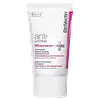
StriVectin SD Advanced ™ PLUS Intensive Moisturizer For Wrinkles & Stretch Marks Versus Theramid Copper Peptide
This anti-aging moisturizer is formulated around Palmitoyl Tripeptide-38 and Copper Tripeptide-1 to soften the look of wrinkles and refine skin texture.
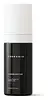
This anti-aging serum is formulated around Copper Tripeptide-1 and Bifida Ferment Lysate to soften the look of wrinkles and strengthen the skin barrier.


What's inside
What's inside
 Key Ingredients
Benefits
Concerns
Ingredients Side-by-side
Water
Skin ConditioningGlycerin
Humectant


Pentaerythrityl Tetraisostearate
Emollient

Trimethylolpropane Tricaprylate/Tricaprate
EmollientNeopentyl Glycol Diheptanoate
EmollientPropanediol
Solvent
Myristyl Nicotinate
Skin ConditioningCetearyl Alcohol
Emollient




Butylene Glycol
Humectant
Bis-Stearyl Dimethicone
Emollient
Glyceryl Stearate
Emollient
Theobroma Grandiflorum Seed Butter
Skin Conditioning
Dimethicone
Emollient
Sorbitan Stearate
Emulsifying
Stearoxymethicone/Dimethicone Copolymer
Emollient
1,2-Hexanediol
Skin Conditioning
Palmitoyl Tripeptide-38
Skin Conditioning


Oryza Sativa Bran Extract
Skin Conditioning
Palmitoyl Tetrapeptide-7
Skin Conditioning
Astrocaryum Murumuru Seed Butter
Emollient
Palmitoyl Tripeptide-1
Skin Conditioning
Copper Tripeptide-1
Skin Conditioning
Saccharide Isomerate
Humectant
Panthenol
Skin Conditioning
Hydroxyethyl Acrylate/Sodium Acryloyldimethyl Taurate Copolymer
Emulsion StabilisingPEG-40 Stearate
Emulsifying
Astrocaryum Vulgare Kernel Oil
Skin Conditioning
Polysilicone-11

Butyrospermum Parkii Butter
Skin Conditioning
Ceteareth-20
Cleansing
Bisabolol
Antioxidant
Caprylhydroxamic Acid
ChelatingNicotiana Benthamiana Hexapeptide-40 Sh-Oligopeptide-1
Skin Conditioning
Phaseolus Lunatus Seed Extract
EmollientAloe Barbadensis Leaf Juice
Skin Conditioning
Bacillus/Sea Salt Ferment Filtrate
Skin ConditioningZingiber Officinale Root Extract
Masking
Rosmarinus Officinalis Leaf Extract
AntimicrobialPolyglyceryl-4 Diisostearate/Polyhydroxystearate/Sebacate
Emulsifying
Pentaclethra Macroloba Seed Oil/Behenic Acid/Aminopropanediol Amides/Esters
Emollient
Helianthus Annuus Extract
Emollient
Hydrolyzed Hyaluronic Acid
Humectant
Evodia Rutaecarpa Fruit Extract
Skin ConditioningSodium Hyaluronate Crosspolymer
Humectant
Nymphaea Alba Flower Extract
Skin ConditioningMethylglucoside Phosphate
Skin ConditioningCetyl Hydroxyethylcellulose
Emulsion StabilisingAdenosine
Skin Conditioning
Isohexadecane
EmollientSorbitan Isostearate
Emulsifying
Hydroxypropyl Cyclodextrin
MaskingCopper Lysinate/Prolinate
Skin ConditioningAminomethyl Propanol
BufferingDicaprylyl Ether
Emollient
Dipotassium Phosphate
BufferingEthylhexyl Stearate
Emollient
Sodium Isostearate
CleansingPolysorbate 60
Emulsifying
Resveratrol
Antioxidant
Xanthan Gum
EmulsifyingDisodium EDTA
ChelatingParfum
Masking


Lactic Acid
Buffering


Mica
Cosmetic ColorantRutin
Antioxidant
Tocopherol
Antioxidant
Sodium Citrate
BufferingCitric Acid
Buffering
CI 77891
Cosmetic ColorantCI 77491
Cosmetic ColorantWater, Glycerin, Pentaerythrityl Tetraisostearate, Trimethylolpropane Tricaprylate/Tricaprate, Neopentyl Glycol Diheptanoate, Propanediol, Myristyl Nicotinate, Cetearyl Alcohol, Butylene Glycol, Bis-Stearyl Dimethicone, Glyceryl Stearate, Theobroma Grandiflorum Seed Butter, Dimethicone, Sorbitan Stearate, Stearoxymethicone/Dimethicone Copolymer, 1,2-Hexanediol, Palmitoyl Tripeptide-38, Oryza Sativa Bran Extract, Palmitoyl Tetrapeptide-7, Astrocaryum Murumuru Seed Butter, Palmitoyl Tripeptide-1, Copper Tripeptide-1, Saccharide Isomerate, Panthenol, Hydroxyethyl Acrylate/Sodium Acryloyldimethyl Taurate Copolymer, PEG-40 Stearate, Astrocaryum Vulgare Kernel Oil, Polysilicone-11, Butyrospermum Parkii Butter, Ceteareth-20, Bisabolol, Caprylhydroxamic Acid, Nicotiana Benthamiana Hexapeptide-40 Sh-Oligopeptide-1, Phaseolus Lunatus Seed Extract, Aloe Barbadensis Leaf Juice, Bacillus/Sea Salt Ferment Filtrate, Zingiber Officinale Root Extract, Rosmarinus Officinalis Leaf Extract, Polyglyceryl-4 Diisostearate/Polyhydroxystearate/Sebacate, Pentaclethra Macroloba Seed Oil/Behenic Acid/Aminopropanediol Amides/Esters, Helianthus Annuus Extract, Hydrolyzed Hyaluronic Acid, Evodia Rutaecarpa Fruit Extract, Sodium Hyaluronate Crosspolymer, Nymphaea Alba Flower Extract, Methylglucoside Phosphate, Cetyl Hydroxyethylcellulose, Adenosine, Isohexadecane, Sorbitan Isostearate, Hydroxypropyl Cyclodextrin, Copper Lysinate/Prolinate, Aminomethyl Propanol, Dicaprylyl Ether, Dipotassium Phosphate, Ethylhexyl Stearate, Sodium Isostearate, Polysorbate 60, Resveratrol, Xanthan Gum, Disodium EDTA, Parfum, Lactic Acid, Mica, Rutin, Tocopherol, Sodium Citrate, Citric Acid, CI 77891, CI 77491
Water
Skin ConditioningPropanediol
Solvent
Dimethicone
Emollient
Hydrogenated Ethylhexyl Olivate
EmollientBetaine
Humectant
Isododecane
EmollientPEG-10 Dimethicone
Skin Conditioning
Copper Tripeptide-1
Skin Conditioning
Bifida Ferment Lysate
Skin Conditioning
Glycerin
Humectant
PEG/PPG-18/18 Dimethicone
Emulsifying
Magnesium Sulfate
Hydrogenated Castor Oil/Sebacic Acid Copolymer
Emollient
Sodium Hyaluronate
Humectant
Acetyl Hexapeptide-1
Skin Conditioning
Acetyl Tetrapeptide-2
Skin Conditioning
Trifluoroacetyl Tripeptide-2
Skin Conditioning
Sh-Oligopeptide-1
Skin Conditioning
Sh-Oligopeptide-2
Skin Conditioning
Sh-Polypeptide-1
Skin Conditioning
Sh-Polypeptide-9
Skin Conditioning
Sh-Polypeptide-11
Bacillus/Folic Acid Ferment Filtrate Extract
Antioxidant
Acetyl Glutamine
Skin ConditioningDisteardimonium Hectorite
StabilisingHydrogenated Olive Oil Unsaponifiables
Emollient
Propylene Carbonate
SolventLecithin
Emollient
Caprylyl Glycol
Emollient
Butylene Glycol
Humectant
Dextran
Tocopherol
Antioxidant
Acetic Acid
BufferingLactic Acid
Buffering
Disodium EDTA
ChelatingSodium Benzoate
Masking
1,2-Hexanediol
Skin Conditioning
Ethylhexylglycerin
Skin ConditioningPhenoxyethanol
Preservative
Water, Propanediol, Dimethicone, Hydrogenated Ethylhexyl Olivate, Betaine, Isododecane, PEG-10 Dimethicone, Copper Tripeptide-1, Bifida Ferment Lysate, Glycerin, PEG/PPG-18/18 Dimethicone, Magnesium Sulfate, Hydrogenated Castor Oil/Sebacic Acid Copolymer, Sodium Hyaluronate, Acetyl Hexapeptide-1, Acetyl Tetrapeptide-2, Trifluoroacetyl Tripeptide-2, Sh-Oligopeptide-1, Sh-Oligopeptide-2, Sh-Polypeptide-1, Sh-Polypeptide-9, Sh-Polypeptide-11, Bacillus/Folic Acid Ferment Filtrate Extract, Acetyl Glutamine, Disteardimonium Hectorite, Hydrogenated Olive Oil Unsaponifiables, Propylene Carbonate, Lecithin, Caprylyl Glycol, Butylene Glycol, Dextran, Tocopherol, Acetic Acid, Lactic Acid, Disodium EDTA, Sodium Benzoate, 1,2-Hexanediol, Ethylhexylglycerin, Phenoxyethanol
Reviews
Ingredients Explained
These ingredients are found in both products.
Ingredients higher up in an ingredient list are typically present in a larger amount.
1,2-Hexanediol is a synthetic liquid and another multi-functional powerhouse.
It is a:
- Humectant, drawing moisture into the skin
- Emollient, helping to soften skin
- Solvent, dispersing and stabilizing formulas
- Preservative booster, enhancing the antimicrobial activity of other preservatives
Butylene Glycol (or BG) is used within cosmetic products for a few different reasons:
Overall, Butylene Glycol is a safe and well-rounded ingredient that works well with other ingredients.
Though this ingredient works well with most skin types, some people with sensitive skin may experience a reaction such as allergic rashes, closed comedones, or itchiness.
Learn more about Butylene GlycolCopper Tripeptide-1 (GHK-Cu) is a skin repairing ingredient said to boost collagen, improve firmness, and support skin regeneration.
It is a complex made up of a naturally occurring peptide (glycine-histidine-lysine) and copper, an essential trace element.
While studying wound healing, researchers noticed GHK-Cu stimulated hair follicle enlargement and growth by keeping hair in its active growth phase longer. This has made it a promising ingredient for hair regrowth treatments.
Some people have reported increased facial hair. While GHK-Cu can make your hair follicles bigger, it usually doesn’t turn soft, barely-visible facial hairs into thick, dark ones.
Anecdotal reports suggest that overusing copper peptides might lead to premature aging due to excess free copper or enzyme imbalances. This claim isn’t backed by large-scale studies.
Unfortunately, there are limited human studies for this ingredient. While early results are promising, many studies are either small, in-vitro, or not rigorously controlled.
For example, there is a 1998 study that explored the effects of copper tripeptide, vitamin C, tretinoin, and melatonin on skin repair and collagen synthesis.
After one month, increased procollagen production was seen in 7 out of 10 participants using copper tripeptide (more than those using vitamin C, melatonin, or tretinoin.
While the study was exploratory, it offers early evidence that copper tripeptide may support collagen production. Larger, well-designed trials are still needed to confirm its potential and understand individual responses.
Read more about other common types of peptides here:
Learn more about Copper Tripeptide-1Dimethicone is a type of synthetic silicone created from natural materials such as quartz. It is also known as polydimethylsiloxane.
What it does:
Dimethicone comes in different viscosities:
Depending on the viscosity, dimethicone has different properties.
Ingredients lists don't always show which type is used, so we recommend reaching out to the brand if you have questions about the viscosity.
This ingredient is unlikely to cause irritation because it does not get absorbed into skin. However, people with silicone allergies should be careful about using this ingredient.
Note: Dimethicone may contribute to pilling. This is because it is not oil or water soluble, so pilling may occur when layered with products. When mixed with heavy oils in a formula, the outcome is also quite greasy.
Learn more about DimethiconeDisodium EDTA is a chelating agent. It grabs onto and deactivates metal ions that sneak into your products from water, packaging, or air.
This ingredient mainly works behind the scenes and helps with:
On top of that, this ingredient can counteract the effects of hard water by binding to the minerals in it.
One thing worth knowing is that Disodium EDTA has been shown to be a mild penetration enhancer. It can help other ingredients absorb into skin more effectively which can be a double-edged sword (great for actives, but can also make the active too strong if you have sensitive skin).
Clinical patch testing showed no significant skin irritation at typical use concentrations and minimal dermal absorption.
You'll most likely see this ingredient near the end of an ingredient list. It's typically found in concentrations less than 1%.
Learn more about Disodium EDTAGlycerin (or glycerol) is a compound naturally found in your skin. It's a powerhouse humectant that pulls water into the stratum corneum.
Topically, glycerin does several things at once:
Your skin makes glycerin on its own (mostly from sebaceous oil breakdown) and shuttles it to your outermost layer of skin, or your epidermis, via aquaporin-3.
Aquaporin-3 is a transporter that is essential for normal skin hydration, elasticity, and repair. Interestingly, mice lacking in AQP3 have dry and less elastic skin that can be fully corrected with glycerin.
This ingredient is non-irritating, plays well with almost every ingredient, and works across all skin types. Typical use is anywhere between 3-10% but can go up to 79% in some leave-on products.
Just know very high concentrations (>40%) can feel tacky in low humidity.
Glycerin is the name for this ingredient in American English. British English uses Glycerol/Glycerine.
Learn more about GlycerinLactic Acid is another well-loved alpha hydroxy acid (AHA). It is gentler than glycolic acid but still highly effective.
Its main role is to exfoliate the surface of the skin by loosening the “glue” that holds dead skin cells together. Shedding those old cells leads to smoother, softer, and more even-toned skin.
Because lactic acid molecules are larger than glycolic acid, they don’t penetrate as deeply. This means they’re less likely to sting or irritate, making it a great choice for beginners or those with sensitive skin.
Like glycolic acid, it can:
Lactic acid also acts as a humectant (like hyaluronic acid). It can draw water into the skin to improve hydration and also plays a role in the skin's natural moisturizing factor (NMF) in the form of sodium lactate.
Studies show it can boost ceramide production to strengthen the skin barrier and even help balance the skin’s microbiome.
To get results, choose products with a pH between 3-4.
Lower strengths (5-12%) focus on surface exfoliation; higher strengths (12% and up) can reach deeper in the dermis (deeper, supportive layer) to improve skin texture and firmness over time.
Though it was originally derived from milk, most modern lactic acid used in skincare is vegan. It is made through non-dairy fermentation to create a bio-identical and stable form suitable for all formulations.
When lactic acid shows up near the end of an ingredient list, it usually means the brand added just a tiny amount to adjust the product’s pH.
Legend has it that Cleopatra used to bathe in sour milk to help reduce wrinkles.
Lactic acid is truly a gentle multitasker: it exfoliates, hydrates, strengthens, and brightens. It's a great ingredient for giving your skin a smooth, glowing, and healthy look without the harshness of stronger acids.
Read more about some other popular AHA's here:
Learn more about Lactic AcidPropanediol is an all-star ingredient. It softens, hydrates, and smooths the skin.
It’s often used to:
Propanediol is not likely to cause sensitivity and considered safe to use. It is derived from corn or petroleum with a clear color and no scent.
Learn more about PropanediolTocopherol is a fat-soluble antioxidant known as Vitamin E.
You'll find this ingredient in the vast majority of skincare (for good reason). It works to neutralize free radicals, or unstable molecules generated by UV exposure, pollution, and other environmental stressors, before they can cause oxidative damage to your skin cells.
Topically applied tocopherol has been shown to protect against UV damage by ramping up the skin's own natural defense enzymes.
It also acts as a skin conditioning agent; some studies show that regular topical use can improve the skin's water-binding capacity over 2-4 weeks.
This ingredient is especially loved for being a team player. When combined with Vitamin C, the photoprotective effect of both ingredients roughly doubles and the combo also helps reduce UV-induced DNA damage.
This ingredient has some brightening potential but it's more of a prevention ingredient than spot-fader. Cell studies show it can slow down melanin production but it's worth noting that it's not the most powerful brightener out there.
In formulations, it also serves as a stabilizer that helps protect other oxidation-prone ingredients from degrading.
Concentrations usually range from 0.1-1% in most leave-on products.
Learn more about TocopherolWater. It's the most common cosmetic ingredient of all. You'll usually see it at the top of ingredient lists, meaning that it makes up the largest part of the product.
So why is it so popular? Water most often acts as a solvent - this means that it helps dissolve other ingredients into the formulation.
You'll also recognize water as that liquid we all need to stay alive. If you see this, drink a glass of water. Remember to stay hydrated!
Learn more about Water

