
What's inside
What's inside
 Key Ingredients
Benefits
Concerns
Ingredients Side-by-side
Centella Asiatica Extract 70.78%
Cleansing



Dipropylene Glycol
HumectantGlycerin
Humectant


Water
Skin ConditioningNiacinamide
Smoothing




Caprylic/Capric Triglyceride
Masking
Cetyl Ethylhexanoate
EmollientPhormium Tenax Leaf Water
Antioxidant
Ricinus Communis Seed Oil
Masking


Hydrogenated Castor Oil
Emollient
Melaleuca Alternifolia Leaf Extract
Perfuming
Azadirachta Indica Leaf Extract
Skin ConditioningActinidia Chinensis Fruit Extract
EmollientSolanum Melongena Fruit Extract
Skin ConditioningAloe Barbadensis Leaf Extract
Emollient
Ocimum Sanctum Leaf Extract
Skin Conditioning
Curcuma Longa Root Extract
Masking
Coral Extract
Skin ConditioningPyrus Malus Flower Extract
Skin ConditioningCamellia Sinensis Leaf Extract
Antimicrobial
Lavandula Angustifolia Extract
Skin Conditioning

Rosmarinus Officinalis Leaf Extract
AntimicrobialSalvia Elegans Flower/Leaf/Stem Extract
HumectantThymus Extract
Skin ConditioningFructan
Skin ConditioningTremella Fuciformis Extract
Humectant
Salix Alba Bark Extract
Astringent
Enantia Chlorantha Bark Extract
Skin ConditioningSolanum Lycopersicum Seed Extract
Skin ConditioningVitis Vinifera Flower Extract
EmollientAspergillus/Buckwheat Ferment Extract
Antioxidant
Centella Asiatica Leaf Extract
Skin Conditioning
Saussurea Involucrata Extract
HumectantSaccharide Isomerate
Humectant
Sodium Hyaluronate
Humectant
Butylene Glycol
Humectant
Propanediol
Solvent
Betaine
Humectant
Allantoin
Skin Conditioning
Madecassoside
Antioxidant
Madecassic Acid
Skin Conditioning
Asiaticoside
Antioxidant
Asiatic Acid
Skin ConditioningAdenosine
Skin Conditioning
Ceramide NP
Skin Conditioning
Oleanolic Acid
Skin ConditioningCapryloyl Salicylic Acid
Exfoliating
Inulin Lauryl Carbamate
Emulsion StabilisingPolyglyceryl-3 Methylglucose Distearate
Emulsifying
Cetearyl Glucoside
EmulsifyingSorbitan Olivate
Emulsifying
Cetearyl Alcohol
Emollient


Lactobionic Acid
Buffering
Citric Acid
Buffering


Ammonium Acryloyldimethyltaurate/Vp Copolymer
1,2-Hexanediol
Skin Conditioning
Benzyl Glycol
SolventEthylhexylglycerin
Skin ConditioningRaspberry Ketone
Masking
Disodium EDTA
Mentha Piperita Oil
Masking
Limonene
Perfuming
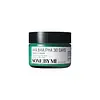
Centella Asiatica Extract 70.78%, Dipropylene Glycol, Glycerin, Water, Niacinamide, Caprylic/Capric Triglyceride, Cetyl Ethylhexanoate, Phormium Tenax Leaf Water, Ricinus Communis Seed Oil, Hydrogenated Castor Oil, Melaleuca Alternifolia Leaf Extract, Azadirachta Indica Leaf Extract, Actinidia Chinensis Fruit Extract, Solanum Melongena Fruit Extract, Aloe Barbadensis Leaf Extract, Ocimum Sanctum Leaf Extract, Curcuma Longa Root Extract, Coral Extract, Pyrus Malus Flower Extract, Camellia Sinensis Leaf Extract, Lavandula Angustifolia Extract, Rosmarinus Officinalis Leaf Extract, Salvia Elegans Flower/Leaf/Stem Extract, Thymus Extract, Fructan, Tremella Fuciformis Extract, Salix Alba Bark Extract, Enantia Chlorantha Bark Extract, Solanum Lycopersicum Seed Extract, Vitis Vinifera Flower Extract, Aspergillus/Buckwheat Ferment Extract, Centella Asiatica Leaf Extract, Saussurea Involucrata Extract, Saccharide Isomerate, Sodium Hyaluronate, Butylene Glycol, Propanediol, Betaine, Allantoin, Madecassoside, Madecassic Acid, Asiaticoside, Asiatic Acid, Adenosine, Ceramide NP, Oleanolic Acid, Capryloyl Salicylic Acid, Inulin Lauryl Carbamate, Polyglyceryl-3 Methylglucose Distearate, Cetearyl Glucoside, Sorbitan Olivate, Cetearyl Alcohol, Lactobionic Acid, Citric Acid, Ammonium Acryloyldimethyltaurate/Vp Copolymer, 1,2-Hexanediol, Benzyl Glycol, Ethylhexylglycerin, Raspberry Ketone, Disodium EDTA, Mentha Piperita Oil, Limonene
Water
Skin ConditioningDipropylene Glycol
HumectantGlycerin
Humectant
Caprylic/Capric Triglyceride
Masking
Isohexadecane
EmollientCetearyl Alcohol
Emollient
Ethylhexyl Palmitate
Emollient
Cetyl Ethylhexanoate
EmollientStearic Acid
Cleansing
Hydroxypropyltrimonium Hyaluronate
Hydrolyzed Hyaluronic Acid
Humectant
Sodium Hyaluronate
Humectant
Lonicera Japonica Flower Extract
Skin ConditioningMelaleuca Alternifolia Leaf Extract
Perfuming
Sodium Hyaluronate Crosspolymer
Humectant
Sodium Acetylated Hyaluronate
Humectant
Ammonium Acryloyldimethyltaurate/Vp Copolymer
Cetearyl Glucoside
EmulsifyingPentylene Glycol
Skin ConditioningTrehalose
Humectant
Ceramide NP
Skin Conditioning
Arachidic Acid
Cleansing
Glucose
Humectant
Palmitic Acid
Emollient
Oleic Acid
Emollient
Centella Asiatica Extract
Cleansing
Madecassoside
Antioxidant
Madecassic Acid
Skin Conditioning
Asiaticoside
Antioxidant
Asiatic Acid
Skin ConditioningSqualane
Emollient
Olea Europaea Fruit Oil
Masking
Butyrospermum Parkii Butter
Skin Conditioning
Camellia Japonica Flower Extract
EmollientSalvia Officinalis Leaf Extract
CleansingHydroxyacetophenone
Antioxidant
Butylene Glycol
Humectant
Caprylyl Glycol
Emollient
Tocopherol
Antioxidant
Disodium EDTA
1,2-Hexanediol
Skin Conditioning
Tromethamine
BufferingHydrogenated Lecithin
Emulsifying
Ethylhexylglycerin
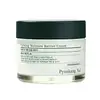
Skin ConditioningWater, Dipropylene Glycol, Glycerin, Caprylic/Capric Triglyceride, Isohexadecane, Cetearyl Alcohol, Ethylhexyl Palmitate, Cetyl Ethylhexanoate, Stearic Acid, Hydroxypropyltrimonium Hyaluronate, Hydrolyzed Hyaluronic Acid, Sodium Hyaluronate, Lonicera Japonica Flower Extract, Melaleuca Alternifolia Leaf Extract, Sodium Hyaluronate Crosspolymer, Sodium Acetylated Hyaluronate, Ammonium Acryloyldimethyltaurate/Vp Copolymer, Cetearyl Glucoside, Pentylene Glycol, Trehalose, Ceramide NP, Arachidic Acid, Glucose, Palmitic Acid, Oleic Acid, Centella Asiatica Extract, Madecassoside, Madecassic Acid, Asiaticoside, Asiatic Acid, Squalane, Olea Europaea Fruit Oil, Butyrospermum Parkii Butter, Camellia Japonica Flower Extract, Salvia Officinalis Leaf Extract, Hydroxyacetophenone, Butylene Glycol, Caprylyl Glycol, Tocopherol, Disodium EDTA, 1,2-Hexanediol, Tromethamine, Hydrogenated Lecithin, Ethylhexylglycerin
Reviews
Ingredients Explained
These ingredients are found in both products.
Ingredients higher up in an ingredient list are typically present in a larger amount.
1,2-Hexanediol is a synthetic liquid and another multi-functional powerhouse.
It is a:
- Humectant, drawing moisture into the skin
- Emollient, helping to soften skin
- Solvent, dispersing and stabilizing formulas
- Preservative booster, enhancing the antimicrobial activity of other preservatives
Ammonium Acryloyldimethyltaurate/Vp Copolymer (let's call it AAVC for short) is a synthetically created polymer. It's used as a film-forming agent and used to thicken the consistency of products.
AAVC is able to increase the consistency and viscosity of products due to its large molecule size. It also prevents ingredients from separating.
Asiatic Acid is a major component of Centella Asiatica Extract. It has wound-healing, anti-inflammatory, and antioxidant properties.
Studies show Asiatic Acid is able to block the pathway for skin inflammation receptors, helping to soothe skin.
As an antioxidant, asiatic acid helps protect our skin against damaging environmental factors.
Learn more about Asiatic AcidAsiaticoside comes from the super popular skin-soothing ingredient, Centella asiatica. It is one of four active compounds found in the extract of Centella Asiatica.
Asiaticoside is an antioxidant and helps with wound healing. It has been shown to increase antioxidant activity during the wound healing process.
Butylene Glycol (or BG) is used within cosmetic products for a few different reasons:
Overall, Butylene Glycol is a safe and well-rounded ingredient that works well with other ingredients.
Though this ingredient works well with most skin types, some people with sensitive skin may experience a reaction such as allergic rashes, closed comedones, or itchiness.
Learn more about Butylene GlycolThis ingredient is an emollient, solvent, and texture enhancer. It is considered a skin-softener by helping the skin prevent moisture loss.
It helps thicken a product's formula and makes it easier to spread by dissolving clumping compounds.
Caprylic Triglyceride is made by combining glycerin with coconut oil, forming a clear liquid.
While there is an assumption Caprylic Triglyceride can clog pores due to it being derived from coconut oil, there is no research supporting this.
Learn more about Caprylic/Capric TriglycerideCentella Asiatica Extract (Centella) is derived from an herb native to Southeast Asia. It is famous for its anti-inflammatory and soothing properties.
Centella is rich in antioxidants and amino acids, such as Madecassic Acid and Asiaticoside.
Studies show the compounds in centella help with:
The combination of all these properties makes centella effective at soothing, hydrating, and protecting the skin.
Other great components of centella include Vitamin A, vitamin C, several B vitamins, and Asiatic Acid.
Fun fact: Centella has been used as a medicine and in food for many centuries. As a medicine, it is used to treat burns, scratches, and wounds.
Learn more about Centella Asiatica ExtractCeramide NP is a type of ceramide and formally known as ceramide 3.
Ceramides are intercellular lipids naturally found in our skin that bonds dead skin cells together to create a barrier. They are known for their ability to hold water and thus are a great ingredient for dry skin.
Ceramides are an important building block for our skin barrier. A stronger barrier helps the skin look more firm and hydrated. By bolstering the skin ceramides act as a barrier against irritating ingredients. This can help with inflammation as well.
If you would like to eat ceramides, sweet potatoes contain a small amount.
Read more about other common types of ceramides here:
Ceramide AP
Ceramide EOP
Cetearyl alcohol is a mixture of two fatty alcohols: cetyl alcohol and stearyl alcohol. It is mainly used as an emulsifier. Emulsifiers help prevent the separation of oils and products. Due to its composition, it can also be used to thicken a product or help create foam.
Cetearyl alcohol is an emollient. Emollients help soothe and hydrate the skin by trapping moisture.
Studies show Cetearyl alcohol is non-toxic and non-irritating. The FDA allows products labeled "alcohol-free" to have fatty alcohols.
This ingredient is usually derived from plant oils such as palm, vegetable, or coconut oils. There is debate on whether this ingredient will cause acne.
Due to the fatty acid base, this ingredient may not be Malassezia folliculitis safe.
Learn more about Cetearyl AlcoholCetearyl Glucoside is a surfactant and emulsifier. It can be produced from synthetic of natural sources of cetearyl alcohol and glucose.
Emulsifiers help prevent ingredients from separating, such as oils and waters. It can also be used to enhance the texture of products.
As a surfactant, Cetearyl Glucoside helps during the cleansing process. By gathering all the dirt and oils, it allows these molecules to be washed away easily.
Learn more about Cetearyl GlucosideCetyl Ethylhexanoate is an emollient ester. It comes from cetearyl alcohol and 2-ethylhexanoic acid.
Cetyl Ethylhexanoate is an emollient that adds a velvety feel to skin without being greasy or oily. Emollients help trap moisture into your skin, keeping your skin soft and hydrated.
Dipropylene Glycol is a synthetically created humectant, stabilizer, and solvent.
This ingredient helps:
Dipropylene glycol is technically an alcohol, but it belongs to the glycol family (often considered part of the ‘good’ alcohols). This means it is hydrating and gentle on skin unlike drying solvent alcohols like denatured alcohol.
As a masking agent, Dipropylene Glycol can be used to cover the smell of other ingredients. However, it does not have a scent.
Studies show Dipropylene Glycol is considered safe to use in skincare.
Learn more about Dipropylene GlycolDisodium EDTA plays a role in making products more stable by aiding other preservatives.
It is a chelating agent, meaning it neutralizes metal ions that may be found in a product.
Disodium EDTA is a salt of edetic acid and is found to be safe in cosmetic ingredients.
Learn more about Disodium EDTAEthylhexylglycerin (we can't pronounce this either) is commonly used as a preservative and skin softener. It is derived from glyceryl.
You might see Ethylhexylglycerin often paired with other preservatives such as phenoxyethanol. Ethylhexylglycerin has been found to increase the effectiveness of these other preservatives.
Glycerin is already naturally found in your skin. It helps moisturize and protect your skin.
A study from 2016 found glycerin to be more effective as a humectant than AHAs and hyaluronic acid.
As a humectant, it helps the skin stay hydrated by pulling moisture to your skin. The low molecular weight of glycerin allows it to pull moisture into the deeper layers of your skin.
Hydrated skin improves your skin barrier; Your skin barrier helps protect against irritants and bacteria.
Glycerin has also been found to have antimicrobial and antiviral properties. Due to these properties, glycerin is often used in wound and burn treatments.
In cosmetics, glycerin is usually derived from plants such as soybean or palm. However, it can also be sourced from animals, such as tallow or animal fat.
This ingredient is organic, colorless, odorless, and non-toxic.
Glycerin is the name for this ingredient in American English. British English uses Glycerol/Glycerine.
Learn more about GlycerinMadecassic Acid is a major component of Centella Asiatica Extract. It has anti-inflammatory and antioxidant properties.
It is a triterpenoid, meaning it naturally acts as an antioxidant. Antioxidants protect your skin against damage from environmental factors such as pollution and UV.
Studies show Madecassic Acid helps soothe the skin due to its ability to block inflammation pathways.
Learn more about Madecassic AcidMadecassoside comes from the super popular skin-soothing ingredient, Centella asiatica. It is one of four active compounds found in the extract of Centella Asiatica.
Madecassoside has antioxidant, anti-inflammatory, and hydrating properties. It contains fatty acids, amino acids, beta-carotene, and phytochemicals.
One study found using Madecassoside with ascorbic acid helped reduce the signs of aging and improved skin hydration.
Learn more about MadecassosideMelaleuca Alternifolia Leaf Extract comes from the Tea Tree, Melaleuca alternifolia, Myrtaceae. This tea tree is native to Australia.
Tea Leaf extract contains antimicrobial and anti-acne properties.
This ingredient has perfuming properties and contains linalool and limonene. These fragrance and terpinen components can cause skin sensitivity.
Learn more about the benefits of Tea Tree Oil here.
Learn more about Melaleuca Alternifolia Leaf ExtractSodium Hyaluronate is hyaluronic acid's salt form. It is commonly derived from the sodium salt of hyaluronic acid.
Like hyaluronic acid, it is great at holding water and acts as a humectant. This makes it a great skin hydrating ingredient.
Sodium Hyaluronate is naturally occurring in our bodies and is mostly found in eye fluid and joints.
These are some other common types of Hyaluronic Acid:
Learn more about Sodium HyaluronateWater. It's the most common cosmetic ingredient of all. You'll usually see it at the top of ingredient lists, meaning that it makes up the largest part of the product.
So why is it so popular? Water most often acts as a solvent - this means that it helps dissolve other ingredients into the formulation.
You'll also recognize water as that liquid we all need to stay alive. If you see this, drink a glass of water. Stay hydrated!
Learn more about Water
