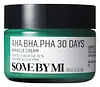
This acne moisturizer is formulated around Centella Asiatica Extract and Niacinamide to clear breakouts and calm redness.


What's inside
What's inside
 Key Ingredients
Benefits
Concerns
Ingredients Side-by-side
Centella Asiatica Extract 70.78%
Cleansing





Dipropylene Glycol
HumectantGlycerin
Humectant
Water
Skin ConditioningNiacinamide
Smoothing





Caprylic/Capric Triglyceride
Masking
Cetyl Ethylhexanoate
EmollientMelaleuca Alternifolia Leaf Water
Antimicrobial
Ricinus Communis Seed Oil
Masking



Hydrogenated Castor Oil
Emollient
Azadirachta Indica Leaf Extract
Skin ConditioningMelia Azadirachta Flower Extract
Skin ConditioningCoccinia Indica Fruit Extract
Skin Conditioning
Solanum Melongena Fruit Extract
Skin ConditioningAloe Barbadensis Leaf Extract
Emollient
Ocimum Sanctum Leaf Extract
Skin ConditioningCurcuma Longa Root Extract
Antioxidant
Coral Extract
Skin ConditioningCalendula Officinalis Flower Extract
Masking
Camellia Sinensis Leaf Extract
Antimicrobial
Lavandula Angustifolia Extract
Skin Conditioning

Rosmarinus Officinalis Leaf Extract
AntimicrobialOriganum Vulgare Flower/Leaf/Stem Extract
Skin ConditioningThymus Vulgaris Extract
Perfuming
Fructan
Skin ConditioningTremella Fuciformis Extract
Humectant
Salix Alba Bark Extract
Astringent
Enantia Chlorantha Bark Extract
Skin ConditioningSolanum Lycopersicum Seed Extract
Skin ConditioningHamamelis Virginiana Flower Extract
Polygonum Fagopyrum Seed Extract
Skin ConditioningCentella Asiatica Leaf Extract
Skin Conditioning
Nelumbo Nucifera Flower Extract
Skin ConditioningSaccharide Isomerate
Humectant
Sodium Hyaluronate
Humectant
Butylene Glycol
Humectant
Propanediol
Solvent
Betaine
Humectant
Allantoin
Skin Conditioning
Madecassoside
Antioxidant
Madecassic Acid
Skin Conditioning
Asiaticoside
Antioxidant
Asiatic Acid
Skin Conditioning
Adenosine
Skin Conditioning
Ceramide NP
Skin Conditioning
Oleanolic Acid
Skin ConditioningCapryloyl Salicylic Acid
Exfoliating
Inulin Lauryl Carbamate
Emulsion StabilisingPolyglyceryl-3 Methylglucose Distearate
Emulsifying
Cetearyl Glucoside
Emulsifying
Sorbitan Olivate
Emulsifying
Cetearyl Alcohol
Emollient



Lactobionic Acid
Buffering
Citric Acid
Buffering
Ammonium Acryloyldimethyltaurate/Vp Copolymer
1,2-Hexanediol
Skin Conditioning
Benzyl Glycol
SolventEthylhexylglycerin
Skin ConditioningRaspberry Ketone
Masking
Disodium EDTA
ChelatingMentha Piperita Oil
Masking

Limonene
Perfuming
Centella Asiatica Extract 70.78%, Dipropylene Glycol, Glycerin, Water, Niacinamide, Caprylic/Capric Triglyceride, Cetyl Ethylhexanoate, Melaleuca Alternifolia Leaf Water, Ricinus Communis Seed Oil, Hydrogenated Castor Oil, Azadirachta Indica Leaf Extract, Melia Azadirachta Flower Extract, Coccinia Indica Fruit Extract, Solanum Melongena Fruit Extract, Aloe Barbadensis Leaf Extract, Ocimum Sanctum Leaf Extract, Curcuma Longa Root Extract, Coral Extract, Calendula Officinalis Flower Extract, Camellia Sinensis Leaf Extract, Lavandula Angustifolia Extract, Rosmarinus Officinalis Leaf Extract, Origanum Vulgare Flower/Leaf/Stem Extract, Thymus Vulgaris Extract, Fructan, Tremella Fuciformis Extract, Salix Alba Bark Extract, Enantia Chlorantha Bark Extract, Solanum Lycopersicum Seed Extract, Hamamelis Virginiana Flower Extract, Polygonum Fagopyrum Seed Extract, Centella Asiatica Leaf Extract, Nelumbo Nucifera Flower Extract, Saccharide Isomerate, Sodium Hyaluronate, Butylene Glycol, Propanediol, Betaine, Allantoin, Madecassoside, Madecassic Acid, Asiaticoside, Asiatic Acid, Adenosine, Ceramide NP, Oleanolic Acid, Capryloyl Salicylic Acid, Inulin Lauryl Carbamate, Polyglyceryl-3 Methylglucose Distearate, Cetearyl Glucoside, Sorbitan Olivate, Cetearyl Alcohol, Lactobionic Acid, Citric Acid, Ammonium Acryloyldimethyltaurate/Vp Copolymer, 1,2-Hexanediol, Benzyl Glycol, Ethylhexylglycerin, Raspberry Ketone, Disodium EDTA, Mentha Piperita Oil, Limonene
Butyrospermum Parkii Butter
Skin Conditioning
Simmondsia Chinensis Seed Oil
Emollient
Caprylic/Capric Triglyceride
Masking
Silica
Abrasive
Kaolin
Abrasive
Oleic/Linoleic/Linolenic Polyglycerides
Emollient
C9-12 Alkane
SolventTribehenin
Emollient
Vp/Hexadecene Copolymer
Vp/Eicosene Copolymer
Octyldodecanol
Emollient
Glyceryl Rosinate
Perfuming
Tocopherol
Antioxidant
Ascorbyl Palmitate
Antioxidant
Sr-Hydrozoan Polypeptide-1
Humectant
Ganoderma Lucidum Stem Extract
Skin ConditioningTremella Fuciformis Sporocarp Extract
Antioxidant
Euphorbia Cerifera Cera
Astringent
Ricinus Communis Seed Oil
Masking
Sodium Hyaluronate
Humectant
Disteardimonium Hectorite
StabilisingWater
Skin ConditioningCitric Acid
Buffering
Caprylyl Glycol
Emollient
Potassium Sorbate
Preservative
CI 77891
Cosmetic ColorantCI 15850
Cosmetic ColorantCI 19140
Cosmetic ColorantButyrospermum Parkii Butter, Simmondsia Chinensis Seed Oil, Caprylic/Capric Triglyceride, Silica, Kaolin, Oleic/Linoleic/Linolenic Polyglycerides, C9-12 Alkane, Tribehenin, Vp/Hexadecene Copolymer, Vp/Eicosene Copolymer, Octyldodecanol, Glyceryl Rosinate, Tocopherol, Ascorbyl Palmitate, Sr-Hydrozoan Polypeptide-1, Ganoderma Lucidum Stem Extract, Tremella Fuciformis Sporocarp Extract, Euphorbia Cerifera Cera, Ricinus Communis Seed Oil, Sodium Hyaluronate, Disteardimonium Hectorite, Water, Citric Acid, Caprylyl Glycol, Potassium Sorbate, CI 77891, CI 15850, CI 19140
Reviews
Ingredients Explained
These ingredients are found in both products.
Ingredients higher up in an ingredient list are typically present in a larger amount.
Caprylic/Capric Triglyceride (aka MCT Oil) is a lightweight emollient, solvent, and texture enhancer. It is considered a skin-softener by helping to prevent moisture loss.
Though it behaves like an oil, it is not technically one due to its chemical composition. One perk of this ingredient is that it is very stable, resistant to oxidation, and unlikely to go rancid.
In practice, that translates to a long shelf life and a consistently elegant skin feel.
While there is an assumption Caprylic Triglyceride can clog pores due to it being derived from coconut oil, there is no research supporting this. Just patch test if you have concerns.
Fractionated coconut oil and MCT Oil are both listed as Caprylic/Capric Triglyceride according to INCI. This is because INCI names are based on the ingredient’s final chemical composition and not its marketing name or source.
This ingredient is treated as the gold standard fungal acne safe oil. Even though it is coconut derived, the problematic lauric acid is stripped out.
This leaves just caprylic (C8) and capric (C10) acid. These chain lengths actually trend antifungal; a 2020 study found caprylic acid was enough to disrupt Malassezia furfur cell membrane, with a caprylic acid derivative damaging membrane structures at concentrations as low as 0.2%.
Learn more about Caprylic/Capric TriglycerideCitric Acid is an alpha hydroxy acid (AHA) naturally found in citrus fruits like oranges, lemons, and limes.
Like other AHAs, citric acid can exfoliate skin by breaking down the bonds that hold dead skin cells together. This helps reveal smoother and brighter skin underneath.
However, this exfoliating effect only happens at high concentrations (20%) which can be hard to find in cosmetic products.
Due to this, citric acid is usually included in small amounts as a pH adjuster. This helps keep products slightly more acidic and compatible with skin's natural pH.
In skincare formulas, citric acid can:
While it can provide some skin benefits, research shows lactic acid and glycolic acid are generally more effective and less irritating exfoliants.
Most citric acid used in skincare today is made by fermenting sugars (usually from molasses). This synthetic version is identical to the natural citrus form but easier to stabilize and use in formulations.
Rosacea skin has a lower threshold for acids generally, with 62.5% of rosacea subjects in one study reacting to lactic acid in a sting test. This is why we mark citric acid as a potential rosacea trigger.
However, this ingredient shows up as a pH adjuster or chelator at roughly 0.1-1% in many products. These low levels are unlikely to be an issue for rosacea skin and becomes a potential trigger at exfoliating concentrations (20%). Because everybody's skin is unique, we recommend a patch test if you are unsure.
Learn more about Citric AcidThis ingredient is also known as castor oil. It is a skin conditioning ingredient.
The star component of castor oil is ricinoleic acid, an unusual fatty acid that makes up ~80-92% of its composition.
In skincare, it is an emollient that dries down to a solid film with water-binding properties. This helps keep skin hydrated and helps reduce transepidermal water loss (TEWL).
A 2026 dermatology review pulls together its broader uses:
Human clinical testing found this ingredient to be non-irritating and non-sensitizing.
Because castor oil contains fatty acids in the C11-24 range, this ingredient may not be fungal acne safe.
At this time, the literature does not support castor oil in regrowing hair. A 2022 systematic review found no strong evidence that it supports hair growth and only weak evidence that it improves hair shine.
Castor oil itself carries "perfuming" and "masking" function tags according to the official CosIng database. This is because of its mild odor and odor-dampening properties.
Learn more about Ricinus Communis Seed OilSodium Hyaluronate is the salt form of hyaluronic acid. It is a long sugar chain that is naturally found in your skin, joints, and connective tissue that maintains hydration and elasticity.
In skincare, it works as a humectant. It pulls water from the environment and deeper layers of skin and binds it to the surface.
Interestingly, the size of the molecule affects its behavior:
Some clinical evidence links low molecular weight versions to improved wrinkle depth, elasticity, anti-inflammatory effects, and barrier repair.
Many serums use a blend of both weights so you can get surface hydration plus longer-lasting and deeper effects.
You'll typically see concentrations between 0.1-2% for this ingredient.
Learn more about Sodium HyaluronateWater. It's the most common cosmetic ingredient of all. You'll usually see it at the top of ingredient lists, meaning that it makes up the largest part of the product.
So why is it so popular? Water most often acts as a solvent - this means that it helps dissolve other ingredients into the formulation.
You'll also recognize water as that liquid we all need to stay alive. If you see this, drink a glass of water. Remember to stay hydrated!
Learn more about Water

