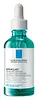
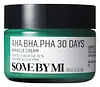
La Roche-Posay Effaclar Ultra Concentrated Serum Versus Some By Mi AHA, BHA, PHA 30 Days Miracle Cream
This acne serum is formulated around Glycolic Acid and Niacinamide to clear breakouts and refine skin texture.
This acne moisturizer is formulated around Centella Asiatica Extract and Niacinamide to clear breakouts and calm redness.


What's inside
What's inside
 Key Ingredients
Benefits
Concerns
Ingredients Side-by-side
Water
Skin ConditioningAlcohol Denat.
Antimicrobial




Propanediol
Solvent

Glycolic Acid
Buffering









Niacinamide
Smoothing


Dimethyl Isosorbide
SolventPentylene Glycol
Skin Conditioning
Salicylic Acid
Masking

Sodium Hydroxide
BufferingPEG-60 Hydrogenated Castor Oil
Emulsifying

Hydroxyethylpiperazine Ethane Sulfonic Acid
BufferingCitric Acid
Buffering
PEG-30 Glyceryl Cocoate
Emulsifying
Capryloyl Salicylic Acid
Exfoliating
Biosaccharide Gum-1
Humectant
Maltodextrin
Absorbent
Phytic Acid
Polyquaternium-10
Parfum
Masking

Water, Alcohol Denat., Propanediol, Glycolic Acid, Niacinamide, Dimethyl Isosorbide, Pentylene Glycol, Salicylic Acid, Sodium Hydroxide, PEG-60 Hydrogenated Castor Oil, Hydroxyethylpiperazine Ethane Sulfonic Acid, Citric Acid, PEG-30 Glyceryl Cocoate, Capryloyl Salicylic Acid, Biosaccharide Gum-1, Maltodextrin, Phytic Acid, Polyquaternium-10, Parfum
Centella Asiatica Extract 70.78%
Cleansing
Dipropylene Glycol
HumectantGlycerin
Humectant
Water
Skin ConditioningNiacinamide
Smoothing
Caprylic/Capric Triglyceride
Masking
Cetyl Ethylhexanoate
EmollientMelaleuca Alternifolia Leaf Water
Antimicrobial
Ricinus Communis Seed Oil
Masking
Hydrogenated Castor Oil
Emollient
Azadirachta Indica Leaf Extract
Skin ConditioningMelia Azadirachta Flower Extract
Skin ConditioningCoccinia Indica Fruit Extract
Skin Conditioning
Solanum Melongena Fruit Extract
Skin ConditioningAloe Barbadensis Leaf Extract
Emollient
Ocimum Sanctum Leaf Extract
Skin ConditioningCurcuma Longa Root Extract
Antioxidant
Coral Extract
Skin ConditioningCalendula Officinalis Flower Extract
Masking
Camellia Sinensis Leaf Extract
Antimicrobial
Lavandula Angustifolia Extract
Skin Conditioning
Rosmarinus Officinalis Leaf Extract
AntimicrobialOriganum Vulgare Flower/Leaf/Stem Extract
Skin ConditioningThymus Vulgaris Extract
Perfuming
Fructan
Skin ConditioningTremella Fuciformis Extract
Humectant
Salix Alba Bark Extract
Astringent
Enantia Chlorantha Bark Extract
Skin ConditioningSolanum Lycopersicum Seed Extract
Skin ConditioningHamamelis Virginiana Flower Extract
Polygonum Fagopyrum Seed Extract
Skin ConditioningCentella Asiatica Leaf Extract
Skin Conditioning
Nelumbo Nucifera Flower Extract
Skin ConditioningSaccharide Isomerate
Humectant
Sodium Hyaluronate
Humectant
Butylene Glycol
Humectant
Propanediol
Solvent
Betaine
Humectant
Allantoin
Skin Conditioning
Madecassoside
Antioxidant
Madecassic Acid
Skin Conditioning
Asiaticoside
Antioxidant
Asiatic Acid
Skin Conditioning
Adenosine
Skin Conditioning
Ceramide NP
Skin Conditioning
Oleanolic Acid
Skin ConditioningCapryloyl Salicylic Acid
Exfoliating
Inulin Lauryl Carbamate
Emulsion StabilisingPolyglyceryl-3 Methylglucose Distearate
Emulsifying
Cetearyl Glucoside
Emulsifying
Sorbitan Olivate
Emulsifying
Cetearyl Alcohol
Emollient


Lactobionic Acid
Buffering
Citric Acid
Buffering
Ammonium Acryloyldimethyltaurate/Vp Copolymer
1,2-Hexanediol
Skin Conditioning
Benzyl Glycol
SolventEthylhexylglycerin
Skin ConditioningRaspberry Ketone
Masking
Disodium EDTA
Mentha Piperita Oil
Masking
Limonene
Perfuming
Centella Asiatica Extract 70.78%, Dipropylene Glycol, Glycerin, Water, Niacinamide, Caprylic/Capric Triglyceride, Cetyl Ethylhexanoate, Melaleuca Alternifolia Leaf Water, Ricinus Communis Seed Oil, Hydrogenated Castor Oil, Azadirachta Indica Leaf Extract, Melia Azadirachta Flower Extract, Coccinia Indica Fruit Extract, Solanum Melongena Fruit Extract, Aloe Barbadensis Leaf Extract, Ocimum Sanctum Leaf Extract, Curcuma Longa Root Extract, Coral Extract, Calendula Officinalis Flower Extract, Camellia Sinensis Leaf Extract, Lavandula Angustifolia Extract, Rosmarinus Officinalis Leaf Extract, Origanum Vulgare Flower/Leaf/Stem Extract, Thymus Vulgaris Extract, Fructan, Tremella Fuciformis Extract, Salix Alba Bark Extract, Enantia Chlorantha Bark Extract, Solanum Lycopersicum Seed Extract, Hamamelis Virginiana Flower Extract, Polygonum Fagopyrum Seed Extract, Centella Asiatica Leaf Extract, Nelumbo Nucifera Flower Extract, Saccharide Isomerate, Sodium Hyaluronate, Butylene Glycol, Propanediol, Betaine, Allantoin, Madecassoside, Madecassic Acid, Asiaticoside, Asiatic Acid, Adenosine, Ceramide NP, Oleanolic Acid, Capryloyl Salicylic Acid, Inulin Lauryl Carbamate, Polyglyceryl-3 Methylglucose Distearate, Cetearyl Glucoside, Sorbitan Olivate, Cetearyl Alcohol, Lactobionic Acid, Citric Acid, Ammonium Acryloyldimethyltaurate/Vp Copolymer, 1,2-Hexanediol, Benzyl Glycol, Ethylhexylglycerin, Raspberry Ketone, Disodium EDTA, Mentha Piperita Oil, Limonene
Reviews
Ingredients Explained
These ingredients are found in both products.
Ingredients higher up in an ingredient list are typically present in a larger amount.
Capryloyl Salicylic Acid comes from salicylic acid, the famous acne-fighting BHA.
It usually goes by a more common name of LHA, or lipohydroxy acid.
Like salicylic acid, this ingredient is a chemical exfoliant that can help break down the oil in your pores and reduce inflammation.
Though studies for LHA do show it to be less effective than salicylic acid. To be fair, salicylic acid is the reigning monarch of acne treatments.
However, a study from 2009 found LHA to be comparable to BPO, making it a good alternative for people with sensitive skin. Another study of 14 patients found a significant decrease in comedones after using LHA.
Another pro of LHA? It is less irritating than salicylic acid due to its large molecule size.
Large molecules cannot penetrate skin as well, so they are gentler on the skin. LHA is much less penetrative than salicylic acid.
An in-vitro study (not done on a living organism) found only 6% of LHA penetrated past the statum corneum compared to 58% of salicylic acid. An in-vivo (done on a living organism) analysis revealed ~17% of LHA was still present in the top layer of skin after 4 days, versus ~9% of salicylic acid.
Interestingly, a study from 2008 found LHA comparable to another famous acid, glycolic acid.
This study found about 10% of LHA is as effective as 20-50% of glycolic acid in treating hyperpigmentation and fine-lines.
Hydroxy acids have been found to stimulate skin protein, lipids, and thermal thickening. This may have anti-aging benefits.
Learn more about Capryloyl Salicylic AcidCitric Acid is an alpha hydroxy acid (AHA) naturally found in citrus fruits like oranges, lemons, and limes.
Like other AHAs, citric acid can exfoliate skin by breaking down the bonds that hold dead skin cells together. This helps reveal smoother and brighter skin underneath.
However, this exfoliating effect only happens at high concentrations (20%) which can be hard to find in cosmetic products.
Due to this, citric acid is usually included in small amounts as a pH adjuster. This helps keep products slightly more acidic and compatible with skin's natural pH.
In skincare formulas, citric acid can:
While it can provide some skin benefits, research shows lactic acid and glycolic acid are generally more effective and less irritating exfoliants.
Most citric acid used in skincare today is made by fermenting sugars (usually from molasses). This synthetic version is identical to the natural citrus form but easier to stabilize and use in formulations.
Rosacea skin has a lower threshold for acids generally, with 62.5% of rosacea subjects in one study reacting to lactic acid in a sting test. This is why we mark citric acid as a potential rosacea trigger.
However, this ingredient shows up as a pH adjuster or chelator at roughly 0.1-1% in many products. These low levels are unlikely to be an issue for rosacea skin and becomes a potential trigger at exfoliating concentrations (20%). Because everybody's skin is unique, we recommend a patch test if you are unsure.
Learn more about Citric AcidNiacinamide is a multitasking form of vitamin B3 that strengthens the skin barrier, reduces pores and dark spots, regulates oil, and improves signs of aging.
And the best part? It's gentle and well-tolerated by most skin types, including sensitive and reactive skin.
You might have heard of "niacin flush", or the reddening of skin that causes itchiness. Niacinamide has not been found to cause this.
In very rare cases, some individuals may not be able to tolerate niacinamide at all or experience an allergic reaction to it.
If you are experiencing flaking, irritation, and dryness with this ingredient, be sure to double check all your products as this ingredient can be found in all categories of skincare.
When incorporating niacinamide into your routine, look out for concentration amounts. Typically, 5% niacinamide provides benefits such as fading dark spots. However, if you have sensitive skin, it is better to begin with a smaller concentration.
When you apply niacinamide to your skin, your body converts it into nicotinamide adenine dinucleotide (NAD). NAD is an essential coenzyme that is already found in your cells as "fuel" and powers countless biological processes.
In your skin, NAD helps repair cell damage, produce new healthy cells, support collagen production, strengthen the skin barrier, and fight environmental stressors (like UV and pollution).
Our natural NAD levels start to decline with age, leading to slower skin repair, visible aging, and a weaker skin barrier. By providing your skin niacinamide, you're recharging your skin's NAD levels. This leads to stronger, healthier, and younger looking skin.
Another name for vitamin B3 is nicotinamide. This vitamin is water-soluble and our bodies don't store it. We obtain Vitamin B3 from either food or skincare. Meat, fish, wheat, yeast, and leafy greens contain vitamin B3.
The type of niacinamide used in skincare is synthetically created.
Learn more about NiacinamidePropanediol is an all-star ingredient. It softens, hydrates, and smooths the skin.
It’s often used to:
Propanediol is not likely to cause sensitivity and considered safe to use. It is derived from corn or petroleum with a clear color and no scent.
Learn more about PropanediolWater. It's the most common cosmetic ingredient of all. You'll usually see it at the top of ingredient lists, meaning that it makes up the largest part of the product.
So why is it so popular? Water most often acts as a solvent - this means that it helps dissolve other ingredients into the formulation.
You'll also recognize water as that liquid we all need to stay alive. If you see this, drink a glass of water. Remember to stay hydrated!
Learn more about Water

