Shiseido Vital Perfection LiftDefine Radiance Serum Versus MEDI-PEEL Peptide 9 Volume And Tension Tox Cream
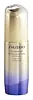
This brightening serum is formulated around 2-O-Ethyl Ascorbic Acid and Caffeine to brighten dull-looking skin and soften the look of wrinkles.
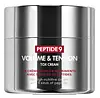
This anti-aging moisturizer is formulated around Niacinamide and Copper Tripeptide-1 to soften the look of wrinkles.


What's inside
What's inside
 Key Ingredients
Benefits
Concerns
Ingredients Side-by-side
Water
Skin ConditioningDipropylene Glycol
HumectantDimethicone
Emollient

Glycerin
Humectant

Butylene Glycol
Humectant
Behenyl Alcohol
Emollient
Maltitol
HumectantTriethylhexanoin
MaskingPotassium Methoxysalicylate
BleachingPolyvinyl Alcohol
PEG/PPG-14/7 Dimethyl Ether
Skin ConditioningPhenoxyethanol
Preservative
Trimethylsiloxysilicate
Emollient
Batyl Alcohol
EmollientBehenic Acid
Cleansing

PEG-60 Glyceryl Isostearate
Surfactant
PEG-10 Dimethicone
Skin Conditioning
Parfum
Masking



Phytosteryl/Octyldodecyl Lauroyl Glutamate
Skin ConditioningDisodium EDTA
Myristyl Myristate
Emollient

Tocopheryl Acetate
Antioxidant


Rosa Damascena Flower Water
Masking

Potassium Hydroxide
BufferingSodium Citrate
Buffering2-O-Ethyl Ascorbic Acid
Skin Conditioning


Alcohol
Antimicrobial

Caffeine
Skin Conditioning
Citric Acid
Buffering
Lavandula Angustifolia Oil
Masking


Sodium Metaphosphate
BufferingPPG-3 Dipivalate
Skin ConditioningLimonene
Perfuming
Hexyl Cinnamal
Perfuming
Linalool
Perfuming
Tocopherol
Antioxidant
Glucosamine Hcl
Citronellol
Perfuming
Lilium Candidum Bulb Extract
Skin ConditioningSodium Metabisulfite
Antioxidant
Angelica Acutiloba Root Extract
Skin ConditioningAngelica Keiskei Leaf/Stem Extract
Skin ConditioningOlea Europaea Leaf Extract
Perfuming
Lamium Album Flower/Leaf/Stem Extract
Skin ConditioningCamellia Sinensis Leaf Extract
Antimicrobial
Inositol
Humectant
Carthamus Tinctorius Flower Extract
Skin ConditioningCI 77492
Cosmetic ColorantZiziphus Jujuba Fruit Extract
Skin ConditioningCI 77491
Cosmetic ColorantRosmarinus Officinalis Leaf Extract
AntimicrobialCellulose
Absorbent
Nasturtium Officinale Leaf/Stem Extract
Skin ConditioningCinnamomum Cassia Bark Extract
Masking
Bupleurum Falcatum Root Extract
Skin ConditioningWater, Dipropylene Glycol, Dimethicone, Glycerin, Butylene Glycol, Behenyl Alcohol, Maltitol, Triethylhexanoin, Potassium Methoxysalicylate, Polyvinyl Alcohol, PEG/PPG-14/7 Dimethyl Ether, Phenoxyethanol, Trimethylsiloxysilicate, Batyl Alcohol, Behenic Acid, PEG-60 Glyceryl Isostearate, PEG-10 Dimethicone, Parfum, Phytosteryl/Octyldodecyl Lauroyl Glutamate, Disodium EDTA, Myristyl Myristate, Tocopheryl Acetate, Rosa Damascena Flower Water, Potassium Hydroxide, Sodium Citrate, 2-O-Ethyl Ascorbic Acid, Alcohol, Caffeine, Citric Acid, Lavandula Angustifolia Oil, Sodium Metaphosphate, PPG-3 Dipivalate, Limonene, Hexyl Cinnamal, Linalool, Tocopherol, Glucosamine Hcl, Citronellol, Lilium Candidum Bulb Extract, Sodium Metabisulfite, Angelica Acutiloba Root Extract, Angelica Keiskei Leaf/Stem Extract, Olea Europaea Leaf Extract, Lamium Album Flower/Leaf/Stem Extract, Camellia Sinensis Leaf Extract, Inositol, Carthamus Tinctorius Flower Extract, CI 77492, Ziziphus Jujuba Fruit Extract, CI 77491, Rosmarinus Officinalis Leaf Extract, Cellulose, Nasturtium Officinale Leaf/Stem Extract, Cinnamomum Cassia Bark Extract, Bupleurum Falcatum Root Extract
Water
Skin ConditioningButylene Glycol
Humectant
Caprylic/Capric Triglyceride
Masking
Cetyl Ethylhexanoate
EmollientGlycerin
Humectant
Cetearyl Alcohol
Emollient
Glyceryl Stearate
Emollient
Niacinamide
Smoothing

Stearic Acid
Cleansing
Dimethicone
Emollient
1,2-Hexanediol
Skin Conditioning
Sorbitan Stearate
Emulsifying
Sorbitan Sesquioleate
Emulsifying
Microcrystalline Wax
Emulsion StabilisingBeeswax
Emulsion Stabilising
Isopentyldiol
Humectant
Betaine
Humectant
Sodium Hyaluronate
Humectant
Hydroxypropyltrimonium Hyaluronate
Sodium Acetylated Hyaluronate
Humectant
Hydrolyzed Hyaluronic Acid
Humectant
Hyaluronic Acid
Humectant
Sodium Hyaluronate Crosspolymer
Humectant
Hydrolyzed Sodium Hyaluronate
Skin Conditioning
Potassium Hyaluronate
Skin ConditioningLeontopodium Alpinum Callus Culture Extract
Antioxidant
Leontopodium Alpinum Root Extract
Skin ConditioningCentella Asiatica Extract
Cleansing
Camellia Sinensis Leaf Extract
Antimicrobial
Polygonum Cuspidatum Root Extract
Antioxidant
Scutellaria Baicalensis Root Extract
Astringent
Chamomilla Recutita Flower Extract
Masking
Glycyrrhiza Glabra Root Extract
Bleaching
Rosmarinus Officinalis Flower Extract
Antioxidant
Aloe Barbadensis Leaf Extract
Emollient
Melia Azadirachta Flower Extract
Skin ConditioningMelia Azadirachta Leaf Extract
Skin ConditioningOcimum Sanctum Leaf Extract
Skin ConditioningCoccinia Indica Fruit Extract
Skin Conditioning
Royal Jelly Extract
Skin Conditioning
Cladosiphon Okamuranus Extract
Skin Conditioning
Ginkgo Biloba Leaf Extract
Skin Conditioning
Chondrus Crispus Extract
Skin Conditioning
Anemarrhena Asphodeloides Root Extract
Skin Conditioning
Collagen Extract
Skin Conditioning
Collagen Amino Acids
Moisturising
Hydrolyzed Collagen
Emollient
Collagen
Moisturising
Hydrolyzed Elastin
EmollientAstaxanthin
Skin Conditioning
Tocopherol
Antioxidant
Fructan
Skin ConditioningHydrogenated Polyisobutene
EmollientDipotassium Glycyrrhizate
Humectant
Adenosine
Skin Conditioning
Arginine
Masking
Glycine
Buffering
Serine
Masking
Glutamic Acid
Humectant
Aspartic Acid
Masking
Leucine
Skin ConditioningThreonine
Proline
Skin Conditioning
Isoleucine
Skin ConditioningHistidine
Humectant
Methionine
Skin ConditioningCysteine
Antioxidant
Copper Tripeptide-1
Skin Conditioning
Tripeptide-1
Skin Conditioning
Acetyl Hexapeptide-8
Humectant
Nonapeptide-1
Skin Conditioning
Acetyl Octapeptide-3
Humectant
Palmitoyl Pentapeptide-4
Skin Conditioning
Hexapeptide-9
Skin Conditioning
Palmitoyl Tetrapeptide-7
Skin Conditioning
Palmitoyl Tripeptide-1
Skin Conditioning
Carbomer
Emulsion StabilisingHydrogenated Lecithin
Emulsifying
Polysorbate 20
Emulsifying
PEG-100 Stearate
Surfactant
Gold
Cosmetic ColorantDiamond Powder
Abrasive
Ethylhexylglycerin
Skin ConditioningPentylene Glycol
Skin Conditioning
Hydroxyacetophenone
Antioxidant
Caprylyl Glycol
Emollient
Disodium EDTA
Parfum
Masking
Water, Butylene Glycol, Caprylic/Capric Triglyceride, Cetyl Ethylhexanoate, Glycerin, Cetearyl Alcohol, Glyceryl Stearate, Niacinamide, Stearic Acid, Dimethicone, 1,2-Hexanediol, Sorbitan Stearate, Sorbitan Sesquioleate, Microcrystalline Wax, Beeswax, Isopentyldiol, Betaine, Sodium Hyaluronate, Hydroxypropyltrimonium Hyaluronate, Sodium Acetylated Hyaluronate, Hydrolyzed Hyaluronic Acid, Hyaluronic Acid, Sodium Hyaluronate Crosspolymer, Hydrolyzed Sodium Hyaluronate, Potassium Hyaluronate, Leontopodium Alpinum Callus Culture Extract, Leontopodium Alpinum Root Extract, Centella Asiatica Extract, Camellia Sinensis Leaf Extract, Polygonum Cuspidatum Root Extract, Scutellaria Baicalensis Root Extract, Chamomilla Recutita Flower Extract, Glycyrrhiza Glabra Root Extract, Rosmarinus Officinalis Flower Extract, Aloe Barbadensis Leaf Extract, Melia Azadirachta Flower Extract, Melia Azadirachta Leaf Extract, Ocimum Sanctum Leaf Extract, Coccinia Indica Fruit Extract, Royal Jelly Extract, Cladosiphon Okamuranus Extract, Ginkgo Biloba Leaf Extract, Chondrus Crispus Extract, Anemarrhena Asphodeloides Root Extract, Collagen Extract, Collagen Amino Acids, Hydrolyzed Collagen, Collagen, Hydrolyzed Elastin, Astaxanthin, Tocopherol, Fructan, Hydrogenated Polyisobutene, Dipotassium Glycyrrhizate, Adenosine, Arginine, Glycine, Serine, Glutamic Acid, Aspartic Acid, Leucine, Threonine, Proline, Isoleucine, Histidine, Methionine, Cysteine, Copper Tripeptide-1, Tripeptide-1, Acetyl Hexapeptide-8, Nonapeptide-1, Acetyl Octapeptide-3, Palmitoyl Pentapeptide-4, Hexapeptide-9, Palmitoyl Tetrapeptide-7, Palmitoyl Tripeptide-1, Carbomer, Hydrogenated Lecithin, Polysorbate 20, PEG-100 Stearate, Gold, Diamond Powder, Ethylhexylglycerin, Pentylene Glycol, Hydroxyacetophenone, Caprylyl Glycol, Disodium EDTA, Parfum
Ingredients Explained
These ingredients are found in both products.
Ingredients higher up in an ingredient list are typically present in a larger amount.
Butylene Glycol (or BG) is used within cosmetic products for a few different reasons:
Overall, Butylene Glycol is a safe and well-rounded ingredient that works well with other ingredients.
Though this ingredient works well with most skin types, some people with sensitive skin may experience a reaction such as allergic rashes, closed comedones, or itchiness.
Learn more about Butylene GlycolCamellia Sinensis Leaf Extract (tea extract) is one of the most well-researched plant extracts in skincare with an impressive resume.
Black tea, green tea, and oolong tea are all harvested from the Camellia Sinensis plant.
Studies show green tea extract and its catechins (like epigallocatechin gallate (EGCG)) help your skin cells product energy more efficiently and reducing the number of free-radicals that can damage your skin from the inside.
In lab-grown skin models, this translated to younger, healthier, and stronger skin.
There's also good sun protection data; researchers saw less DNA damage and redness on human skin when green tea was applied before UVB exposure. And the more they applied, the better the protection.
Needless to say, this ingredient shouldn't replace your sunscreen. But it is a great supportive ingredient that you can already find in many sunscreens and antioxidant serums.
A 2009 study found a 2% green tea lotion was effective for mild-to-moderate acne thanks to its anti-inflammatory and mild antimicrobial activity.
The quality of the extract matters a lot here:
Good extracts contain 50-90% catechins while lower quality ones are mostly there for marketing. We recommend reaching out to the brand if you have questions about the quality or source of their ingredients.
Human Repeated Insult Patch Testing showed no irritation or sensitization at use concentrations (0.86% in leave-on products and up to 30% as leaf water).
Learn more about Camellia Sinensis Leaf ExtractDimethicone is a type of synthetic silicone created from natural materials such as quartz. It is also known as polydimethylsiloxane.
What it does:
Dimethicone comes in different viscosities:
Depending on the viscosity, dimethicone has different properties.
Ingredients lists don't always show which type is used, so we recommend reaching out to the brand if you have questions about the viscosity.
This ingredient is unlikely to cause irritation because it does not get absorbed into skin. However, people with silicone allergies should be careful about using this ingredient.
Note: Dimethicone may contribute to pilling. This is because it is not oil or water soluble, so pilling may occur when layered with products. When mixed with heavy oils in a formula, the outcome is also quite greasy.
Learn more about DimethiconeDisodium EDTA is a chelating agent. It grabs onto and deactivates metal ions that sneak into your products from water, packaging, or air.
This ingredient mainly works behind the scenes and helps with:
On top of that, this ingredient can counteract the effects of hard water by binding to the minerals in it.
One thing worth knowing is that Disodium EDTA has been shown to be a mild penetration enhancer. It can help other ingredients absorb into skin more effectively which can be a double-edged sword (great for actives, but can also make the active too strong if you have sensitive skin).
Clinical patch testing showed no significant skin irritation at typical use concentrations and minimal dermal absorption.
You'll most likely see this ingredient near the end of an ingredient list. It's typically found in concentrations less than 1%.
Learn more about Disodium EDTAGlycerin (or glycerol) is a compound naturally found in your skin. It's a powerhouse humectant that pulls water into the stratum corneum.
Topically, glycerin does several things at once:
Your skin makes glycerin on its own (mostly from sebaceous oil breakdown) and shuttles it to your outermost layer of skin, or your epidermis, via aquaporin-3.
Aquaporin-3 is a transporter that is essential for normal skin hydration, elasticity, and repair. Interestingly, mice lacking in AQP3 have dry and less elastic skin that can be fully corrected with glycerin.
This ingredient is non-irritating, plays well with almost every ingredient, and works across all skin types. Typical use is anywhere between 3-10% but can go up to 79% in some leave-on products.
Just know very high concentrations (>40%) can feel tacky in low humidity.
Glycerin is the name for this ingredient in American English. British English uses Glycerol/Glycerine.
Learn more about GlycerinParfum is a catch-all term for an ingredient or more that is used to give a scent to products.
Also called "fragrance", this ingredient can be a blend of hundreds of chemicals or plant oils. This means every product with "fragrance" or "parfum" in the ingredients list is a different mixture.
For instance, Habanolide is a proprietary trade name for a specific aroma chemical. When used as a fragrance ingredient in cosmetics, most aroma chemicals fall under the broad labeling category of “FRAGRANCE” or “PARFUM” according to EU and US regulations.
The term 'parfum' or 'fragrance' is not regulated in many countries. In many cases, it is up to the brand to define this term.
For instance, many brands choose to label themselves as "fragrance-free" because they are not using synthetic fragrances. However, their products may still contain ingredients such as essential oils that are considered a fragrance by INCI standards.
One example is Calendula flower extract. Calendula is an essential oil that still imparts a scent or 'fragrance'.
Depending on the blend, the ingredients in the mixture can cause allergies and sensitivities on the skin. Some ingredients that are known EU allergens include linalool and citronellol.
Parfum can also be used to mask or cover an unpleasant scent.
The bottom line is: not all fragrances/parfum/ingredients are created equally. If you are worried about fragrances, we recommend taking a closer look at an ingredient. And of course, we always recommend speaking with a professional.
Learn more about ParfumTocopherol is a fat-soluble antioxidant known as Vitamin E.
You'll find this ingredient in the vast majority of skincare (for good reason). It works to neutralize free radicals, or unstable molecules generated by UV exposure, pollution, and other environmental stressors, before they can cause oxidative damage to your skin cells.
Topically applied tocopherol has been shown to protect against UV damage by ramping up the skin's own natural defense enzymes.
It also acts as a skin conditioning agent; some studies show that regular topical use can improve the skin's water-binding capacity over 2-4 weeks.
This ingredient is especially loved for being a team player. When combined with Vitamin C, the photoprotective effect of both ingredients roughly doubles and the combo also helps reduce UV-induced DNA damage.
This ingredient has some brightening potential but it's more of a prevention ingredient than spot-fader. Cell studies show it can slow down melanin production but it's worth noting that it's not the most powerful brightener out there.
In formulations, it also serves as a stabilizer that helps protect other oxidation-prone ingredients from degrading.
Concentrations usually range from 0.1-1% in most leave-on products.
Learn more about TocopherolWater. It's the most common cosmetic ingredient of all. You'll usually see it at the top of ingredient lists, meaning that it makes up the largest part of the product.
So why is it so popular? Water most often acts as a solvent - this means that it helps dissolve other ingredients into the formulation.
You'll also recognize water as that liquid we all need to stay alive. If you see this, drink a glass of water. Remember to stay hydrated!
Learn more about Water

