Murad Nutrient-Charged Water Gel Versus Peter Thomas Roth Ultimate Solution 5 Multitasking Moisturizer
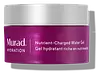
This barrier-repair moisturizer is formulated around Saccharide Isomerate and Ceramide NP to strengthen the skin barrier and hydrate skin.
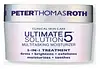
This anti-aging moisturizer is formulated around Glycolic Acid and Acetyl Hexapeptide-8 to soften the look of wrinkles and refine skin texture.

What's inside
What's inside
 Key Ingredients
Benefits
Concerns
Ingredients Side-by-side
Water
Skin ConditioningDimethicone
Emollient

Glycerin
Humectant

Propanediol
Solvent
Polymethylsilsesquioxane/Silica Crosspolymer
Hydroxyethyl Acrylate/Sodium Acryloyldimethyl Taurate Copolymer
Emulsion StabilisingIsononyl Isononanoate
EmollientSaccharide Isomerate
Humectant
Hydroxyethyl Urea
Humectant
Ceramide NP
Skin Conditioning


Ceramide AP
Skin Conditioning
Ceramide EOP
Skin Conditioning
Sh-Oligopeptide-1
Skin Conditioning
Sh-Oligopeptide-2
Skin Conditioning
Sh-Polypeptide-1
Skin Conditioning
Sh-Polypeptide-9
Skin Conditioning
Sh-Polypeptide-11
Saccharomyces/Zinc Ferment
Skin Conditioning

Saccharomyces/Copper Ferment
Skin Conditioning
Saccharomyces/Magnesium Ferment
Saccharomyces/Iron Ferment
Skin Conditioning
Saccharomyces/Silicon Ferment
Skin Conditioning
Leuconostoc/Radish Root Ferment Filtrate
Antimicrobial
Bacillus
Skin ConditioningTrehalose
Humectant
Taurine
BufferingSerine
Masking
Tocopheryl Acetate
Antioxidant


Calcium Pantothenate
Niacinamide
Smoothing





Phytantriol
HumectantAcetyl Glutamine
Skin ConditioningUrea
Buffering
Cholesterol
Emollient
Yeast Amino Acids
HumectantPhytosphingosine
Skin Conditioning
Inositol
Humectant
Betaine
Humectant
Lecithin
Emollient
Sodium Ascorbyl Phosphate
Antioxidant
Sodium Hyaluronate
Humectant
Pyridoxine Hcl
Skin ConditioningSucrose
Humectant
Algin
MaskingPullulan
Maltodextrin
Absorbent
Polysilicone-11
Glyceryl Polyacrylate
Decyl Glucoside
Cleansing
Pentylene Glycol
Skin Conditioning
Hexylene Glycol
EmulsifyingCaprylyl Glycol
Emollient
Butylene Glycol
Humectant
Ethylhexyl Isononanoate
EmollientPolyisobutene
Silica
Abrasive
Sodium Starch Octenylsuccinate
AbsorbentPEG-7 Trimethylolpropane Coconut Ether
Emulsifying
Trisodium Ethylenediamine Disuccinate
ChelatingDisodium Phosphate
BufferingPotassium Phosphate
BufferingCarbomer
Emulsion StabilisingXanthan Gum
EmulsifyingSodium Lauroyl Lactylate
Emulsifying1,2-Hexanediol
Skin Conditioning
Phenoxyethanol
Preservative
Ethylhexylglycerin
Skin ConditioningParfum
Masking



CI 17200
Cosmetic ColorantCI 14700
Cosmetic ColorantWater, Dimethicone, Glycerin, Propanediol, Polymethylsilsesquioxane/Silica Crosspolymer, Hydroxyethyl Acrylate/Sodium Acryloyldimethyl Taurate Copolymer, Isononyl Isononanoate, Saccharide Isomerate, Hydroxyethyl Urea, Ceramide NP, Ceramide AP, Ceramide EOP, Sh-Oligopeptide-1, Sh-Oligopeptide-2, Sh-Polypeptide-1, Sh-Polypeptide-9, Sh-Polypeptide-11, Saccharomyces/Zinc Ferment, Saccharomyces/Copper Ferment, Saccharomyces/Magnesium Ferment, Saccharomyces/Iron Ferment, Saccharomyces/Silicon Ferment, Leuconostoc/Radish Root Ferment Filtrate, Bacillus, Trehalose, Taurine, Serine, Tocopheryl Acetate, Calcium Pantothenate, Niacinamide, Phytantriol, Acetyl Glutamine, Urea, Cholesterol, Yeast Amino Acids, Phytosphingosine, Inositol, Betaine, Lecithin, Sodium Ascorbyl Phosphate, Sodium Hyaluronate, Pyridoxine Hcl, Sucrose, Algin, Pullulan, Maltodextrin, Polysilicone-11, Glyceryl Polyacrylate, Decyl Glucoside, Pentylene Glycol, Hexylene Glycol, Caprylyl Glycol, Butylene Glycol, Ethylhexyl Isononanoate, Polyisobutene, Silica, Sodium Starch Octenylsuccinate, PEG-7 Trimethylolpropane Coconut Ether, Trisodium Ethylenediamine Disuccinate, Disodium Phosphate, Potassium Phosphate, Carbomer, Xanthan Gum, Sodium Lauroyl Lactylate, 1,2-Hexanediol, Phenoxyethanol, Ethylhexylglycerin, Parfum, CI 17200, CI 14700
Water
Skin ConditioningGlycerin
Humectant
Butyrospermum Parkii Butter
Skin Conditioning

Glyceryl Stearate
Emollient
Cocos Nucifera Oil
Masking
Glycolic Acid
Buffering
C12-15 Alkyl Benzoate
AntimicrobialIsocetyl Stearate
Emollient
Cetyl Alcohol
Emollient
Propylene Glycol Stearate
Skin Conditioning
Dimethicone
Emollient
Sodium Hydroxide
BufferingButylene Glycol
Humectant
Panthenol
Skin Conditioning
Tocopheryl Acetate
Antioxidant
Methyldihydrojasmonate
MaskingCopper Palmitoyl Heptapeptide-14
Skin Conditioning
Heptapeptide-15 Palmitate
Skin Conditioning
Acetyl Hexapeptide-8
Humectant
Palmitoyl Tripeptide-1
Skin Conditioning
Palmitoyl Tetrapeptide-7
Skin Conditioning
Palmitoyl Tripeptide-5
Skin Conditioning
Maleic Acid
BufferingLactic Acid
Buffering
Tartaric Acid
Buffering
Salicylic Acid
Masking

Bisabolol
Antioxidant
Persea Gratissima Oil
Skin Conditioning
Foeniculum Vulgare Seed Extract
Skin ConditioningCeramide NP
Skin Conditioning
Collagen
Moisturising
Jojoba Esters
Emollient
Ascorbic Acid
Antioxidant
Sodium Hyaluronate
Humectant
Helianthus Annuus Seed Wax
Skin Conditioning
Sodium Phytate
ChelatingCholesterol
Emollient
Macrocystis Pyrifera Extract
Skin Conditioning
Echinacea Angustifolia Extract
MoisturisingCamellia Oleifera Leaf Extract
AstringentCamellia Sinensis Leaf Extract
Antimicrobial
Vitis Vinifera Seed Extract
Antimicrobial
Centella Asiatica Extract
Cleansing
Acacia Decurrens Flower Wax
Emollient
Polyglycerin-3
Humectant
Carbomer
Emulsion StabilisingSodium Lactate
Buffering
Stearic Acid
Cleansing
Leuconostoc/Radish Root Ferment Filtrate
Antimicrobial
Lactic Acid/Glycolic Acid Copolymer
Skin ConditioningSorbitan Isostearate
Emulsifying
Potassium Sorbate
Preservative
Polysorbate 20
Emulsifying
Hydroxyethyl Acrylate/Sodium Acryloyldimethyl Taurate Copolymer
Emulsion StabilisingMethylpropanediol
SolventEthylhexylglycerin
Skin ConditioningPolyvinyl Alcohol
Ascorbyl Methylsilanol Pectinate
Antioxidant
Isohexadecane
EmollientPolysilicone-11
Histidine Hcl
Skin ConditioningStearyl Alcohol
Emollient
Stearoxytrimethylsilane
EmollientXanthan Gum
EmulsifyingViola Tricolor Extract
EmollientSodium Benzoate
Masking
Polysorbate 60
Emulsifying
Phenoxyethanol
Preservative
Water, Glycerin, Butyrospermum Parkii Butter, Glyceryl Stearate, Cocos Nucifera Oil, Glycolic Acid, C12-15 Alkyl Benzoate, Isocetyl Stearate, Cetyl Alcohol, Propylene Glycol Stearate, Dimethicone, Sodium Hydroxide, Butylene Glycol, Panthenol, Tocopheryl Acetate, Methyldihydrojasmonate, Copper Palmitoyl Heptapeptide-14, Heptapeptide-15 Palmitate, Acetyl Hexapeptide-8, Palmitoyl Tripeptide-1, Palmitoyl Tetrapeptide-7, Palmitoyl Tripeptide-5, Maleic Acid, Lactic Acid, Tartaric Acid, Salicylic Acid, Bisabolol, Persea Gratissima Oil, Foeniculum Vulgare Seed Extract, Ceramide NP, Collagen, Jojoba Esters, Ascorbic Acid, Sodium Hyaluronate, Helianthus Annuus Seed Wax, Sodium Phytate, Cholesterol, Macrocystis Pyrifera Extract, Echinacea Angustifolia Extract, Camellia Oleifera Leaf Extract, Camellia Sinensis Leaf Extract, Vitis Vinifera Seed Extract, Centella Asiatica Extract, Acacia Decurrens Flower Wax, Polyglycerin-3, Carbomer, Sodium Lactate, Stearic Acid, Leuconostoc/Radish Root Ferment Filtrate, Lactic Acid/Glycolic Acid Copolymer, Sorbitan Isostearate, Potassium Sorbate, Polysorbate 20, Hydroxyethyl Acrylate/Sodium Acryloyldimethyl Taurate Copolymer, Methylpropanediol, Ethylhexylglycerin, Polyvinyl Alcohol, Ascorbyl Methylsilanol Pectinate, Isohexadecane, Polysilicone-11, Histidine Hcl, Stearyl Alcohol, Stearoxytrimethylsilane, Xanthan Gum, Viola Tricolor Extract, Sodium Benzoate, Polysorbate 60, Phenoxyethanol
Reviews
Ingredients Explained
These ingredients are found in both products.
Ingredients higher up in an ingredient list are typically present in a larger amount.
Butylene Glycol (or BG) is used within cosmetic products for a few different reasons:
Overall, Butylene Glycol is a safe and well-rounded ingredient that works well with other ingredients.
Though this ingredient works well with most skin types, some people with sensitive skin may experience a reaction such as allergic rashes, closed comedones, or itchiness.
Learn more about Butylene GlycolCarbomer is a synthetic thickening and gelling agent. It's basically the ingredient that gives a lot of serums, gels, creams, and sunscreens their smooth, non-sticky texture.
Although legally permitted at very high levels, carbomers are normally used at concentrations below 1%.
It also needs to be neutralized to actually thicken, and because it is a large molecule, it doesn't really penetrate the skin barrier.
Allergy-wise, the risk is very low. Clinical studies show carbomers have low potential for skin irritation/sensitization even at concentrations up to 100%.
A 2024 UK study patch-tested 1,302 patients and found true allergy to the parent group of carbomer to be rare with no confirmed relevant reactions.
Learn more about CarbomerCeramide NP (formerly known as Ceramide 3) is one of the skin's naturally occurring lipids.
Since ceramides are the major lipid components of the skin, they are crucial for maintaining skin barrier and hydration. Ceramide NP most closely mirrors the dominant kind in human skin amongst ceramide subtypes.
This ceramide works by slotting into gaps within the stratum corneum's lipid matrix to limit trans-epidermal water loss (TEWL) and shield the skin against external irritants.
A study with 312 patients found that using a ceramide-containing routine for 4 weeks reduced the severity of atopic dermatitis by over 61%.
Another clinical study in subjects aged 60 and older found that a ceramide body wash and moisturizer improved skin dryness and itchy skin in 15 days.
Overall, ceramides are considered non-irritating and safety tests have found little to no observable adverse effects from using this ingredient.
Ceramide NP is usually sourced from plants (like soybean or rice bran), or produced synthetically.
Learn more about Ceramide NPCholesterol is a lipid that is naturally found in human skin and is one of the three key components of your skin barrier. In skincare, it is an emollient and barrier-repairing ingredient.
It works by fitting directly into the lipid layers of skin to help restore structure and reduce transepidermal water loss (TEWL).
This is a great ingredient for dry, compromised, or aging skin; our skin starts to produce less cholesterol with age.
Research shows cholesterol works best in combination with ceramides and fatty acids, the other two major components in your skin barrier.
Cholesterol is also a well-establish penetration enhancer and can help other actives absorb more effectively.
Cosmetic-grade cholesterol is usually derived from lanolin but plant and synthetic options also exist. We recommend reaching out to the brand if you have questions about their source of cholesterol.
Learn more about CholesterolDimethicone is a type of synthetic silicone created from natural materials such as quartz. It is also known as polydimethylsiloxane.
What it does:
Dimethicone comes in different viscosities:
Depending on the viscosity, dimethicone has different properties.
Ingredients lists don't always show which type is used, so we recommend reaching out to the brand if you have questions about the viscosity.
This ingredient is unlikely to cause irritation because it does not get absorbed into skin. However, people with silicone allergies should be careful about using this ingredient.
Note: Dimethicone may contribute to pilling. This is because it is not oil or water soluble, so pilling may occur when layered with products. When mixed with heavy oils in a formula, the outcome is also quite greasy.
Learn more about DimethiconeEthylhexylglycerin is created from glycerin. It is a multitasker ingredient that:
The CIR Expert Panel found minimal skin absorption or sensitization of any kind in a safety assessment. Though this ingredient is considered well-tolerated, a small number of cases of allergic dermatitis have been published since 2002. Just be sure to patch test if you are unsure.
Industry-reported use ranges from 8% in rinse-off products and 2% in leave-on formulations.
Learn more about EthylhexylglycerinGlycerin (or glycerol) is a compound naturally found in your skin. It's a powerhouse humectant that pulls water into the stratum corneum.
Topically, glycerin does several things at once:
Your skin makes glycerin on its own (mostly from sebaceous oil breakdown) and shuttles it to your outermost layer of skin, or your epidermis, via aquaporin-3.
Aquaporin-3 is a transporter that is essential for normal skin hydration, elasticity, and repair. Interestingly, mice lacking in AQP3 have dry and less elastic skin that can be fully corrected with glycerin.
This ingredient is non-irritating, plays well with almost every ingredient, and works across all skin types. Typical use is anywhere between 3-10% but can go up to 79% in some leave-on products.
Just know very high concentrations (>40%) can feel tacky in low humidity.
Glycerin is the name for this ingredient in American English. British English uses Glycerol/Glycerine.
Learn more about GlycerinThis is a synthetic polymer. It helps improve the texture of products by adding thickness and gel-like feel.
It is also an emulsifer, meaning it prevents ingredients such as oil and water from separating. It also helps evenly disperse other ingredients.
Leuconostoc/Radish Root Ferment Filtrate is a natural preservative. It comes from fermenting radish roots with a bacteria called leuconostoc. The trade name for this ingredient is Leucidal.
Leuconostoc comes from lactic acid.
This ingredient has antimicrobial properties and helps prevent the growth of bacteria in a product.
Leuconostoc is used to make the traditional Korean side-dish, kimchi. It is also used to make sourdough bread (both incredibly yummy foods).
Learn more about Leuconostoc/Radish Root Ferment FiltratePhenoxyethanol is one of the most widely used preservatives in skincare (and for good reason!).
It has a large spectrum of antimicrobial activity and especially effective bacteria, yeast, and mold while only having a weak effect on your skin's natural microbiome.
On a cellular level, it disrupts the cell membranes of microbes by poking holes that make the cell leak. This shuts down the chemical reactions the microbe needs to make energy so it can no longer survive.
Another perk of this ingredient is that it stays functional across a wide pH range (3-10).
You'll often see it paired with boosters like Ethylhexylglycerin; one study showed that a 1:9 ratio of Ethylhexylglycerin to Phenoxyethanol damages bacterial membranes as effectively as doubling the Phenoxyethanol concentration on its own.
Typical use concentrations range from 0.3-1% depending on the formula, and this ingredient is capped at 1% int the EU.
Safety-wise, the fear mongering does not hold up to the evidence. The EU's Scientific Committee on Consumer Safety and FDA consider it safe as a preservative at up to 1%, including for children of all ages.
Adverse systemic effects only showed up in animal studies at exposures roughly 200x higher than what people get from cosmetics. And despite its very widespread use, this ingredient is a rare sensitizer and allergic reactions are uncommon.
Learn more about PhenoxyethanolPolysilicone-11 is a film-forming silicone that creates a non-tacky and matte finish on the skin. It's commonly used to improve texture, absorb excess oil, and help active ingredients spread evenly.
Due to its "rubber-like" structure, it stays on the skin's surface instead of being absorbed. On the skin, it creates a flexible layer that enhances wearability and stability.
Sodium Hyaluronate is the salt form of hyaluronic acid. It is a long sugar chain that is naturally found in your skin, joints, and connective tissue that maintains hydration and elasticity.
In skincare, it works as a humectant. It pulls water from the environment and deeper layers of skin and binds it to the surface.
Interestingly, the size of the molecule affects its behavior:
Some clinical evidence links low molecular weight versions to improved wrinkle depth, elasticity, anti-inflammatory effects, and barrier repair.
Many serums use a blend of both weights so you can get surface hydration plus longer-lasting and deeper effects.
You'll typically see concentrations between 0.1-2% for this ingredient.
Learn more about Sodium HyaluronateTocopheryl Acetate is a stable, shelf-friendly form of vitamin E.
Formulators love it because plain vitamin E oxidizes quickly once it hits air. This acetate version stays stable and resists going off, helping to extend a product's shelf life.
It's actually inactive on its own and works like a slow-release "storage" form; the enzymes in your skin called esterases gradually convert it into active vitamin E over time.
One in vivo study showed 5% of the acetate in the living layer of the epidermis converted to vitamin E after 5 days of application. This study also found the skin gained protection against UV damage even though the conversion was slow and small.
Once converted, vitamin E acts as a skin's main fat-soluble antioxidant that fights free radicals to protect skin from damage.
Topical vitamin E generally boosts the skin's photoprotection, and it reduced UV-damage in animal models.
This ingredient has some brightening potential but it's more of a prevention ingredient than spot-fader. Cell studies show it can slow down melanin production but it's worth noting that it's not the most powerful brightener out there.
Overall, it has a pretty solid safety profile and has been found to be non-irritating and non-comedogenic. Allergic reactions may happen but stay rare due to how widely the ingredient gets used.
The concentration will vary depending on the formula; industry data shows 0.1% in baby lotions, 3% in lipsticks, and 5% in foot powders. You can also find this ingredient at 100% in a pure vitamin E oil.
Most leave-on skincare keeps it at the lower end, often between 0.5-1%.
Learn more about Tocopheryl AcetateWater. It's the most common cosmetic ingredient of all. You'll usually see it at the top of ingredient lists, meaning that it makes up the largest part of the product.
So why is it so popular? Water most often acts as a solvent - this means that it helps dissolve other ingredients into the formulation.
You'll also recognize water as that liquid we all need to stay alive. If you see this, drink a glass of water. Remember to stay hydrated!
Learn more about WaterXanthan gum is used as a stabilizer and thickener within cosmetic products. It helps give products a sticky, thick feeling - preventing them from being too runny.
On the technical side of things, xanthan gum is a polysaccharide - a combination consisting of multiple sugar molecules bonded together.
Xanthan gum is a pretty common and great ingredient. It is a natural, non-toxic, non-irritating ingredient that is also commonly used in food products.
Learn more about Xanthan Gum

