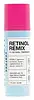
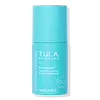
iNNBEAUTY PROJECT Retinol Remix 1% Retinol Treatment Versus Tula Skincare A+ Renewal Advanced Retinal & Peptides Serum
This anti-aging serum is formulated around Tranexamic Acid and Retinol to soften the look of wrinkles and refine skin texture.
This anti-aging serum is formulated around Retinal and Lactococcus Ferment Lysate to soften the look of wrinkles and refine skin texture.

What's inside
What's inside
 Key Ingredients
Benefits
Concerns
Ingredients Side-by-side
Water
Skin ConditioningGlycerin
Humectant


Stearic Acid
Cleansing


Coco-Caprylate
Emollient
Coconut Alkanes
Emollient

Glycine Soja Oil
Emollient


Dimethicone
Emollient
Caprylic/Capric Triglyceride
Masking
Cetearyl Alcohol
Emollient
Arachidyl Alcohol
Emollient
Bis-Diglyceryl Polyacyladipate-2
Emollient
Propanediol
Solvent
Hydrogenated Polydecene
EmollientTranexamic Acid
Astringent


Glyceryl Oleate Citrate
Emulsifying
Retinol
Skin Conditioning






Retinal
Skin Conditioning
N-Prolyl Palmitoyl Tripeptide-56 Acetate
Skin Conditioning
Hydroxypinacolone Retinoate
Skin Conditioning
Tasmannia Lanceolata Fruit/Leaf Extract
Antioxidant
Centella Asiatica Leaf Extract
Skin Conditioning
Hyaluronic Acid
Humectant
Sodium Hyaluronate
Humectant
Calendula Officinalis Flower Extract
Masking
Anthemis Nobilis Flower Oil
Masking
Oryza Sativa Bran Extract
Skin Conditioning
Simmondsia Chinensis Seed Oil
Emollient
Haematococcus Pluvialis Extract
Antioxidant
Chamomilla Recutita Flower Extract
Masking
Helianthus Annuus Extract
Emollient
Rosmarinus Officinalis Leaf Extract
AntimicrobialHelianthus Annuus Seed Oil
Emollient
Carthamus Tinctorius Seed Oil
Masking
Acacia Senegal Gum
MaskingXanthan Gum
EmulsifyingCoco-Glucoside
Cleansing
Tetrahexyldecyl Ascorbate
Antioxidant
Glucose
Humectant
Xanthophylls
Skin ConditioningLecithin
Emollient
Coco-Caprylate/Caprate
Emollient
Caprylyl Glycol
Emollient
1,2-Hexanediol
Skin Conditioning
Cellulose Gum
Emulsion StabilisingSorbitan Isostearate
Emulsifying
Hydroxyethyl Acrylate/Sodium Acryloyldimethyl Taurate Copolymer
Emulsion StabilisingBehenyl Alcohol
Emollient
Hydroxyacetophenone
Antioxidant
Arachidyl Glucoside
EmulsifyingDimethyl Isosorbide
SolventMicrocrystalline Cellulose
AbsorbentPentylene Glycol
Skin Conditioning
Sodium Phytate
ChelatingTocopherol
Antioxidant
Water, Glycerin, Stearic Acid, Coco-Caprylate, Coconut Alkanes, Glycine Soja Oil, Dimethicone, Caprylic/Capric Triglyceride, Cetearyl Alcohol, Arachidyl Alcohol, Bis-Diglyceryl Polyacyladipate-2, Propanediol, Hydrogenated Polydecene, Tranexamic Acid, Glyceryl Oleate Citrate, Retinol, Retinal, N-Prolyl Palmitoyl Tripeptide-56 Acetate, Hydroxypinacolone Retinoate, Tasmannia Lanceolata Fruit/Leaf Extract, Centella Asiatica Leaf Extract, Hyaluronic Acid, Sodium Hyaluronate, Calendula Officinalis Flower Extract, Anthemis Nobilis Flower Oil, Oryza Sativa Bran Extract, Simmondsia Chinensis Seed Oil, Haematococcus Pluvialis Extract, Chamomilla Recutita Flower Extract, Helianthus Annuus Extract, Rosmarinus Officinalis Leaf Extract, Helianthus Annuus Seed Oil, Carthamus Tinctorius Seed Oil, Acacia Senegal Gum, Xanthan Gum, Coco-Glucoside, Tetrahexyldecyl Ascorbate, Glucose, Xanthophylls, Lecithin, Coco-Caprylate/Caprate, Caprylyl Glycol, 1,2-Hexanediol, Cellulose Gum, Sorbitan Isostearate, Hydroxyethyl Acrylate/Sodium Acryloyldimethyl Taurate Copolymer, Behenyl Alcohol, Hydroxyacetophenone, Arachidyl Glucoside, Dimethyl Isosorbide, Microcrystalline Cellulose, Pentylene Glycol, Sodium Phytate, Tocopherol
Water
Skin ConditioningPropanediol
Solvent
C15-19 Alkane
SolventGlycerin
Humectant
1,2-Hexanediol
Skin Conditioning
Lactococcus Ferment Lysate
Skin Conditioning
Pentylene Glycol
Skin Conditioning
Cetyl Alcohol
Emollient
Chlorella Vulgaris Extract
Skin ConditioningVaccinium Macrocarpon Fruit Extract
AstringentTridecapeptide-1
Skin Conditioning
Ceramide AP
Skin Conditioning
Ceramide As
Skin Conditioning
Ceramide Ns
Skin Conditioning
Ceramide EOP
Skin Conditioning
Ceramide NP
Skin Conditioning
Sodium Hyaluronate
Humectant
Hydrolyzed Sodium Hyaluronate
Skin Conditioning
Sodium Acetylated Hyaluronate
Humectant
Sodium Hyaluronate Crosspolymer
Humectant
Aloe Barbadensis Leaf Juice
Skin Conditioning
Lactobacillus
Skin ConditioningCurcuma Longa Root Extract
Antioxidant
Lactobacillus Ferment
Skin Conditioning
Beta Vulgaris Root Extract
Skin ConditioningRetinal
Skin Conditioning
Arginine
Masking
Diisostearyl Malate
EmollientAlpha-Glucan Oligosaccharide
Cleansing
Bisabolol
Antioxidant
Inulin
Skin Conditioning
Arachidyl Alcohol
Emollient
Lactic Acid
Buffering
Sclerotium Gum
Emulsion StabilisingCitric Acid
Buffering
Behenyl Alcohol
Emollient
Malic Acid
Buffering
Polymnia Sonchifolia Root Juice
Skin ConditioningArachidyl Glucoside
EmulsifyingHydrogenated Lecithin
Emulsifying
Polyacrylate Crosspolymer-6
Emulsion StabilisingCellulose Gum
Emulsion StabilisingGlucose
Humectant
Calcium Chloride
AstringentFructose
Humectant
Cholesterol
Emollient
Sodium Phytate
Chelating2,3-Butanediol
HumectantCalcium Alginate
MaskingGlyceryl Stearate
Emollient
Lecithin
Emollient
Cellulose
Absorbent
Sodium Hydroxide
BufferingEthylhexylglycerin
Skin ConditioningCaprylyl Glycol
Emollient
Maltodextrin
Absorbent
Xanthan Gum
EmulsifyingSodium Benzoate
Masking
Butylene Glycol
Humectant
Sodium Chloride
MaskingPotassium Sorbate
Preservative
Water, Propanediol, C15-19 Alkane, Glycerin, 1,2-Hexanediol, Lactococcus Ferment Lysate, Pentylene Glycol, Cetyl Alcohol, Chlorella Vulgaris Extract, Vaccinium Macrocarpon Fruit Extract, Tridecapeptide-1, Ceramide AP, Ceramide As, Ceramide Ns, Ceramide EOP, Ceramide NP, Sodium Hyaluronate, Hydrolyzed Sodium Hyaluronate, Sodium Acetylated Hyaluronate, Sodium Hyaluronate Crosspolymer, Aloe Barbadensis Leaf Juice, Lactobacillus, Curcuma Longa Root Extract, Lactobacillus Ferment, Beta Vulgaris Root Extract, Retinal, Arginine, Diisostearyl Malate, Alpha-Glucan Oligosaccharide, Bisabolol, Inulin, Arachidyl Alcohol, Lactic Acid, Sclerotium Gum, Citric Acid, Behenyl Alcohol, Malic Acid, Polymnia Sonchifolia Root Juice, Arachidyl Glucoside, Hydrogenated Lecithin, Polyacrylate Crosspolymer-6, Cellulose Gum, Glucose, Calcium Chloride, Fructose, Cholesterol, Sodium Phytate, 2,3-Butanediol, Calcium Alginate, Glyceryl Stearate, Lecithin, Cellulose, Sodium Hydroxide, Ethylhexylglycerin, Caprylyl Glycol, Maltodextrin, Xanthan Gum, Sodium Benzoate, Butylene Glycol, Sodium Chloride, Potassium Sorbate
Reviews
Ingredients Explained
These ingredients are found in both products.
Ingredients higher up in an ingredient list are typically present in a larger amount.
1,2-Hexanediol is a synthetic liquid and another multi-functional powerhouse.
It is a:
- Humectant, drawing moisture into the skin
- Emollient, helping to soften skin
- Solvent, dispersing and stabilizing formulas
- Preservative booster, enhancing the antimicrobial activity of other preservatives
Arachidyl Alcohol is a fatty alcohol made from the the arachidic acid found in peanut oil.
Despite having "alcohol" in the name, it is not related to denatured alcohol or ethanol.
This ingredient is a multitasker:
Just be sure to patch this ingredient if you have a peanut allergy (though this ingredient is highly processed and the allergenic proteins are typically removed).
Learn more about Arachidyl AlcoholThis ingredient is a plant-based surfactant and emulsifier. It helps oil and water based ingredients mix evenly to improve formula stability without adding a "greasy" feel.
Behenyl Alcohol is a type of fatty alcohol (these are different from the drying, solvent alcohols).
Fatty Alcohols have hydrating properties and are most often used as an emollient or to thicken a product. They are usually derived from natural fats and oils; behenyl alcohol is derived from the fats of vegetable oils.
Emollients help keep your skin soft and hydrated by creating a film that traps moisture in.
In 2000, Behenyl Alcohol was approved by the US as medicine to reduce the duration of cold sores.
Learn more about Behenyl AlcoholCaprylyl Glycol is a humectant, skin conditioner, emollient, and preservative booster derived from either caprylic acid or synthetically created.
Typical use levels vary from 0.3-1% as a preservative booster and go up to 2% to condition skin.
Because it is not a free-fatty acid, this ingredient is fungal acne safe (there's nothing for Malassezia to feed on).
Learn more about Caprylyl GlycolCellulose Gum is a water-soluble polymer that comes from cellulose. It is used to change the texture of a product and to help stabilize emulsions.
As an emulsifier, cellulose gum specifically thicken the texture of water-based products.
This ingredient is considered hypoallergenic and non-toxic. Cellulose Gum can be found in cosmetics, food, and other household goods such as paper products.
Learn more about Cellulose GumGlucose is a simple sugar (a monosaccharide). In skincare, it is mostly a humectant and skin conditioning agent.
Mechanistically, it has multiple hydroxyl groups that hydrogen-bond to water. This pulls moisture into the upper layers of skin to keep the surface soft and hydrated.
It's worth knowing sugars are already a natural component of the skin's NMF (natural moisturizing factor) so it's a molecule that your stratum corneum is well-acquainted with.
Just so you know, glucose is hydrophilic (water-loving) and the stratum corneum is a strong barrier to hydrophilic compounds. This just means penetration is slow and most of the action is happening on the surface.
Gram-to-gram, glucose is not as efficient as a humectant as glycerin. This is why you'll likely see glycose paired with stronger humectants for a bigger hydration payoff.
In skincare, glucose is typically derived from corn or other starch sources.
Learn more about GlucoseGlycerin (or glycerol) is a compound naturally found in your skin. It's a powerhouse humectant that pulls water into the stratum corneum.
Topically, glycerin does several things at once:
Your skin makes glycerin on its own (mostly from sebaceous oil breakdown) and shuttles it to your outermost layer of skin, or your epidermis, via aquaporin-3.
Aquaporin-3 is a transporter that is essential for normal skin hydration, elasticity, and repair. Interestingly, mice lacking in AQP3 have dry and less elastic skin that can be fully corrected with glycerin.
This ingredient is non-irritating, plays well with almost every ingredient, and works across all skin types. Typical use is anywhere between 3-10% but can go up to 79% in some leave-on products.
Just know very high concentrations (>40%) can feel tacky in low humidity.
Glycerin is the name for this ingredient in American English. British English uses Glycerol/Glycerine.
Learn more about GlycerinLecithin is a term for a group of substances found in the cell membranes of plants, animals, and humans. They are made up of phospholipids.
Thanks to its amphiphilic structure (water-loving head and oil-loving tail), it is a true multitasker:
It plays well with most ingredients and is typically used at 0.1-1%. However, concentrations up to 50% have been reported in moisturizers.
Learn more about LecithinPentylene Glycol (1,2-pentanediol) is a multitasking little diol with three main roles in a formula:
Research on alkanediols (the family pentylene glycol belongs to) show they work by disrupting microbial cell membranes. This disruption helps the primary preservative system in a product work more effectively at lower doses.
On the safety side, the Cosmetic Ingredient Review Expert Panel has concluded this ingredient to be safe as used in current cosmetic practices + concentrations.
Typical use levels in a formula run about 1-5%.
Learn more about Pentylene GlycolPropanediol is an all-star ingredient. It softens, hydrates, and smooths the skin.
It’s often used to:
Propanediol is not likely to cause sensitivity and considered safe to use. It is derived from corn or petroleum with a clear color and no scent.
Learn more about PropanediolRetinal (aka retinaldehyde) is a form of retinoid that formulators use mainly as an antiaging and skin-renewing active.
What makes it special is its position in the retinoid family; skin converts it to retinoic acid (the prescription gold standard) in just one step.
Because retinal only requires 1 conversion step to become retinoic acid, it's the strongest over-the-counter retinoid. It also works at lower concentrations than retinol, since retinal is about 10x more bioavailable.
Studies back up its efficacy in skin:
A foundational trial showed that applying 0.05-0.5% retinal for 1-3 months produced a dose-dependent and significant increase in epidermal thickness + cell turnover markers.
And a head-to-head comparison of 0.05% retinal against a 0.05% retinoid acid found both formulations were effective for the basis of wrinkle/skin roughness features, but retinoic acid caused more local irritation.
More recent controlled trials confirm it improves wrinkles, dermal density, and firmness over 12-24 weeks, with significant improvements in skin texture and firmness (particularly with the higher 0.1% concentration).
Retinal also has one trick the other retinoids do not: it directly fights against acne bacteria since a clinical study showed retinaldehyde-treated areas displayed a significant decrease in counts of viable P. acnes.
This makes it a great pick for people who want to treat aging and breakouts.
Typical cosmetic use sits in the 0.05-0.1% range with 0.05% being the gentle starting point and 0.1% giving stronger results.
Like all retinoids, retinal works best with nightly use, a good moisturizer, and daytime sunscreen. It can cause some irritation so ease into it slowly rather than going all in.
The "ramp up" method works well: start with Retinal once a week to give your skin time to adjust, which keeps irritation low.
Slowly add more nights until you reach your goal frequency once your skin feels comfortable.
Retinoids also make your skin more sensitive to the sun in the first few weeks, so wear sunscreen every morning and protect your skin from direct sun while you build up tolerance.
Learn more about RetinalSodium Hyaluronate is the salt form of hyaluronic acid. It is a long sugar chain that is naturally found in your skin, joints, and connective tissue that maintains hydration and elasticity.
In skincare, it works as a humectant. It pulls water from the environment and deeper layers of skin and binds it to the surface.
Interestingly, the size of the molecule affects its behavior:
Some clinical evidence links low molecular weight versions to improved wrinkle depth, elasticity, anti-inflammatory effects, and barrier repair.
Many serums use a blend of both weights so you can get surface hydration plus longer-lasting and deeper effects.
You'll typically see concentrations between 0.1-2% for this ingredient.
Learn more about Sodium HyaluronateSodium Phytate is the sodium salt of Phytic acid, a compound that plants store phosphorus in. It's the plant-derived alternative to ingredients like Disodium EDTA.
In skincare, this ingredient is a chelator that grabs onto trace metal ions like iron and copper that sneak into formulas through water/raw materials.
Those metals speed up oxidation so binding them keeps oils, fragrance, and actives from going off, stops color changes, and helps the preservative system work harder.
Survey data shows usage levels range from 0.0099%-0.5% in leave-on products, 0.025%-0.3% in rinse-off, and up to 0.05% in eye-area products. Suppliers typically recommend a range between 0.05-0.5%.
Learn more about Sodium PhytateWater. It's the most common cosmetic ingredient of all. You'll usually see it at the top of ingredient lists, meaning that it makes up the largest part of the product.
So why is it so popular? Water most often acts as a solvent - this means that it helps dissolve other ingredients into the formulation.
You'll also recognize water as that liquid we all need to stay alive. If you see this, drink a glass of water. Remember to stay hydrated!
Learn more about WaterXanthan gum is used as a stabilizer and thickener within cosmetic products. It helps give products a sticky, thick feeling - preventing them from being too runny.
On the technical side of things, xanthan gum is a polysaccharide - a combination consisting of multiple sugar molecules bonded together.
Xanthan gum is a pretty common and great ingredient. It is a natural, non-toxic, non-irritating ingredient that is also commonly used in food products.
Learn more about Xanthan Gum

