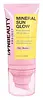
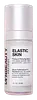
iNNBEAUTY PROJECT Mineral Sun Glow Broad Spectrum SPF 43 PA +++ Versus iNNBEAUTY PROJECT Elastic Skin Firming & Plumping Serum
This hybrid sunscreen covers the full UV range and blocks ~98% of UVB at SPF 43.
This anti-aging serum is formulated around Squalane and Copper Tripeptide-1 to soften the look of wrinkles and strengthen the skin barrier.

What's inside
What's inside
 Key Ingredients
Benefits
Concerns
Ingredients Side-by-side
Zinc Oxide 14.28%
Cosmetic Colorant


Water
Skin ConditioningCaprylic/Capric Triglyceride
Masking


Propanediol
Solvent
Coco-Caprylate/Caprate
Emollient
Pentaerythrityl Tetraisostearate
Emollient

Dimethicone
Emollient

Butyloctyl Salicylate
Skin Conditioning
Glyceryl Stearate Citrate
Emollient
Squalane
Emollient
Polyglyceryl-3 Stearate
Emulsifying
Methyl Dihydroabietate
Capryloyl Glycerin/Sebacic Acid Copolymer
Skin ConditioningPalmitoyl Tripeptide-5
Skin Conditioning

Palmitoyl Tripeptide-1
Skin Conditioning
Palmitoyl Tetrapeptide-7
Skin Conditioning
Tetrahexyldecyl Ascorbate
Antioxidant




Oryza Sativa Extract
Absorbent

Oryza Sativa Germ Extract
EmollientNiacinamide
Smoothing

Superoxide Dismutase
Antioxidant
Resveratrol
Antioxidant
Bisabolol
Antioxidant
Allantoin
Skin Conditioning
Rhodomyrtus Tomentosa Fruit Extract
HumectantPongamia Pinnata Seed Extract
Skin ConditioningLeuconostoc/Radish Root Ferment Filtrate
Antimicrobial
Polygonum Aviculare Extract
EmollientGlycerin
Humectant
Butylene Glycol
Humectant
Phospholipids
Skin Conditioning
Sorbitol
Humectant
Sodium Lactate
Buffering
Serine
Masking
Urea
Buffering
1,2-Hexanediol
Skin Conditioning
Vp/Eicosene Copolymer
Polyglyceryl-3 Polyricinoleate
Emulsifying
Lecithin
Emollient
Polyhydroxystearic Acid
Emulsifying
Isostearic Acid
Cleansing

C12-15 Alkyl Benzoate
AntimicrobialXanthan Gum
EmulsifyingEthylene/Propylene/Styrene Copolymer
Polyglyceryl-3 Diisostearate
Emulsifying
Pentylene Glycol
Skin Conditioning
Polysilicone-11
Caprylhydroxamic Acid
ChelatingSodium Phytate
ChelatingLactic Acid
Buffering

Palmitic Acid
Emollient
Butylene/Ethylene/Styrene Copolymer
Sodium Chloride
MaskingCetearyl Olivate
Polyacrylate Crosspolymer-6
Emulsion StabilisingTocopherol
Antioxidant
Hydrogenated Lecithin
Emulsifying
Glycine Soja Oil
Emollient
Pentaerythrityl Tetra-Di-T-Butyl Hydroxyhydrocinnamate
Antioxidant
Sorbitan Laurate
Emulsifying
C18-36 Acid Triglyceride
EmollientC18-36 Acid Glycol Ester
EmollientIron Oxides
CI 77492
Cosmetic ColorantMica
Cosmetic ColorantTitanium Dioxide
Cosmetic Colorant
CI 77891
Cosmetic ColorantCI 77491
Cosmetic ColorantCI 77499
Cosmetic ColorantZinc Oxide 14.28%, Water, Caprylic/Capric Triglyceride, Propanediol, Coco-Caprylate/Caprate, Pentaerythrityl Tetraisostearate, Dimethicone, Butyloctyl Salicylate, Glyceryl Stearate Citrate, Squalane, Polyglyceryl-3 Stearate, Methyl Dihydroabietate, Capryloyl Glycerin/Sebacic Acid Copolymer, Palmitoyl Tripeptide-5, Palmitoyl Tripeptide-1, Palmitoyl Tetrapeptide-7, Tetrahexyldecyl Ascorbate, Oryza Sativa Extract, Oryza Sativa Germ Extract, Niacinamide, Superoxide Dismutase, Resveratrol, Bisabolol, Allantoin, Rhodomyrtus Tomentosa Fruit Extract, Pongamia Pinnata Seed Extract, Leuconostoc/Radish Root Ferment Filtrate, Polygonum Aviculare Extract, Glycerin, Butylene Glycol, Phospholipids, Sorbitol, Sodium Lactate, Serine, Urea, 1,2-Hexanediol, Vp/Eicosene Copolymer, Polyglyceryl-3 Polyricinoleate, Lecithin, Polyhydroxystearic Acid, Isostearic Acid, C12-15 Alkyl Benzoate, Xanthan Gum, Ethylene/Propylene/Styrene Copolymer, Polyglyceryl-3 Diisostearate, Pentylene Glycol, Polysilicone-11, Caprylhydroxamic Acid, Sodium Phytate, Lactic Acid, Palmitic Acid, Butylene/Ethylene/Styrene Copolymer, Sodium Chloride, Cetearyl Olivate, Polyacrylate Crosspolymer-6, Tocopherol, Hydrogenated Lecithin, Glycine Soja Oil, Pentaerythrityl Tetra-Di-T-Butyl Hydroxyhydrocinnamate, Sorbitan Laurate, C18-36 Acid Triglyceride, C18-36 Acid Glycol Ester, Iron Oxides, CI 77492, Mica, Titanium Dioxide, CI 77891, CI 77491, CI 77499
Water
Skin ConditioningButylene Glycol
Humectant
Glycerin
Humectant
Caprylic/Capric Triglyceride
Masking
Squalane
Emollient
Diheptyl Succinate
EmollientPentylene Glycol
Skin Conditioning
1,2-Hexanediol
Skin Conditioning
Helianthus Annuus Seed Oil
Emollient
Dioscorea Villosa Root Extract
Skin Conditioning
Copper Tripeptide-1
Skin Conditioning
Oligopeptide-1
Skin Conditioning
Nicotiana Benthamiana Hexapeptide-40 Sh-Polypeptide-76
Skin Conditioning
Nicotiana Benthamiana Hexapeptide-40 Sh-Polypeptide-47
Acetyl Sh-Hexapeptide-5 Amide Acetate
Skin Conditioning
Ceramide NP
Skin Conditioning
Niacinamide
Smoothing
Centella Asiatica Extract
Cleansing
Beta-Glucan
Skin Conditioning
Sodium Hyaluronate
Humectant
Haematococcus Pluvialis Extract
Antioxidant
Sodium PCA
Humectant
Ananas Sativus Fruit Extract
Skin ConditioningPanthenol
Skin Conditioning
Allantoin
Skin Conditioning
Betaine
Humectant
Bisabolol
Antioxidant
Zinc PCA
Humectant
C12-20 Alkyl Glucoside
EmulsifyingC14-22 Alcohols
Emulsion Stabilising
Sodium Polyacrylate
Absorbent
Capryloyl Glycerin/Sebacic Acid Copolymer
Skin ConditioningCarbomer
Emulsion StabilisingSorbitan Olivate
Emulsifying
Cellulose Gum
Emulsion StabilisingHydrogenated Lecithin
Emulsifying
Cetearyl Olivate
Mannitol
Humectant
Phosphatidylcholine
EmulsifyingCetyl Alcohol
Emollient
Decyl Glucoside
Cleansing
Dipotassium Phosphate
BufferingPropanediol
Solvent
Sodium Chloride
MaskingSodium Hydroxide
BufferingSodium Phytate
ChelatingTocopherol
Antioxidant
Xanthan Gum
EmulsifyingPotassium Phosphate
BufferingPotassium Sorbate
Preservative
Sodium Benzoate
Masking
Phenoxyethanol
Preservative
Ethylhexylglycerin
Skin ConditioningHydroxyacetophenone
Antioxidant
Water, Butylene Glycol, Glycerin, Caprylic/Capric Triglyceride, Squalane, Diheptyl Succinate, Pentylene Glycol, 1,2-Hexanediol, Helianthus Annuus Seed Oil, Dioscorea Villosa Root Extract, Copper Tripeptide-1, Oligopeptide-1, Nicotiana Benthamiana Hexapeptide-40 Sh-Polypeptide-76, Nicotiana Benthamiana Hexapeptide-40 Sh-Polypeptide-47, Acetyl Sh-Hexapeptide-5 Amide Acetate, Ceramide NP, Niacinamide, Centella Asiatica Extract, Beta-Glucan, Sodium Hyaluronate, Haematococcus Pluvialis Extract, Sodium PCA, Ananas Sativus Fruit Extract, Panthenol, Allantoin, Betaine, Bisabolol, Zinc PCA, C12-20 Alkyl Glucoside, C14-22 Alcohols, Sodium Polyacrylate, Capryloyl Glycerin/Sebacic Acid Copolymer, Carbomer, Sorbitan Olivate, Cellulose Gum, Hydrogenated Lecithin, Cetearyl Olivate, Mannitol, Phosphatidylcholine, Cetyl Alcohol, Decyl Glucoside, Dipotassium Phosphate, Propanediol, Sodium Chloride, Sodium Hydroxide, Sodium Phytate, Tocopherol, Xanthan Gum, Potassium Phosphate, Potassium Sorbate, Sodium Benzoate, Phenoxyethanol, Ethylhexylglycerin, Hydroxyacetophenone
Reviews
Ingredients Explained
These ingredients are found in both products.
Ingredients higher up in an ingredient list are typically present in a larger amount.
1,2-Hexanediol is a synthetic liquid and another multi-functional powerhouse.
It is a:
- Humectant, drawing moisture into the skin
- Emollient, helping to soften skin
- Solvent, dispersing and stabilizing formulas
- Preservative booster, enhancing the antimicrobial activity of other preservatives
Allantoin is a soothing ingredient known for its protective and moisturizing properties; it's basically a quiet workhorse ingredient you can find in a huge range of cosmetics.
Though it can be derived from the comfrey plant, allantoin is produced synthetically for cosmetic products to ensure purity.
Research shows it can encourage your skin cells to turn over and renew by stimulating keratinocyte and fibroblast proliferation.
It also has mild keratolytic properties to help loosen and shed dead skin cells without being harsh.
Studies also suggest allantoin can help calm inflammation by dialing down some of the chemical signals your skin sends out when it is irritated.
This ingredient is typically used in the 0.1-0.5% range, and the FDA recognizes it as a skin protectant in OTC products up to 2%.
Overall, allantoin is a wonderful addition to most routines; it is stable across a wide pH range (~4-8), works well with other ingredients, and is considered non-sensitizing/non-irritating.
Fun fact: Allantoin is naturally occurring in comfrey root, beets, chamomile, and wheat sprouts. Our bodies even produce it as a byproduct of uric acid metabolism.
Learn more about AllantoinBisabolol is a gentle skin conditioner, antioxidant, and soothing ingredient.
It's primary claim to fame is soothing and research shows topically applied bisabolol can quiet the chemical messengers that cause your skin to become inflamed, helping to sooth any irritation.
A clinical study found that applying 0.5% bisabolol daily for 8 weeks produced an average 9% decrease in skin pigmentation. Researchers found it can also suppress the process that leads to excess melanin production in skin.
In vitro studies found that bisabolol combined with propylene glycol significantly increased skin permeability by increasing lipid fluidity in the stratum corneum.
You'll likely see use concentrations quite low, usually 0.1-0.2%.
Overall, this is a well-tolerated ingredient that works well in formulas designed for sensitive, reactive, or post-procedure skin.
Learn more about BisabololButylene Glycol (or BG) is used within cosmetic products for a few different reasons:
Overall, Butylene Glycol is a safe and well-rounded ingredient that works well with other ingredients.
Though this ingredient works well with most skin types, some people with sensitive skin may experience a reaction such as allergic rashes, closed comedones, or itchiness.
Learn more about Butylene GlycolCaprylic/Capric Triglyceride (aka MCT Oil) is a lightweight emollient, solvent, and texture enhancer. It is considered a skin-softener by helping to prevent moisture loss.
Though it behaves like an oil, it is not technically one due to its chemical composition. One perk of this ingredient is that it is very stable, resistant to oxidation, and unlikely to go rancid.
In practice, that translates to a long shelf life and a consistently elegant skin feel.
While there is an assumption Caprylic Triglyceride can clog pores due to it being derived from coconut oil, there is no research supporting this. Just patch test if you have concerns.
Fractionated coconut oil and MCT Oil are both listed as Caprylic/Capric Triglyceride according to INCI. This is because INCI names are based on the ingredient’s final chemical composition and not its marketing name or source.
This ingredient is treated as the gold standard fungal acne safe oil. Even though it is coconut derived, the problematic lauric acid is stripped out.
This leaves just caprylic (C8) and capric (C10) acid. These chain lengths actually trend antifungal; a 2020 study found caprylic acid was enough to disrupt Malassezia furfur cell membrane, with a caprylic acid derivative damaging membrane structures at concentrations as low as 0.2%.
Learn more about Caprylic/Capric TriglycerideWe don't have a description for Capryloyl Glycerin/Sebacic Acid Copolymer yet.
Cetearyl Olivate is a plant-derived emulsifier and texture enhancer. It helps keep the oil and water phases from separating so your formulas stay stable.
You'll likely see it combined with Sorbitan Olivate (together sold as the trade name Olivem 1000). This combination generates a liquid crystal structure that closely resemble the lipid organization of the stratum corneum.
These "skin-like" liquid crystals improve skin barrier integrity and promote the delivery of actives into the skin.
This ingredient is well-tolerated and has no significant sensitization data.
Because it is derived from the fatty acids in olive oil, this ingredient may not be fungal acne safe.
Learn more about Cetearyl OlivateGlycerin (or glycerol) is a compound naturally found in your skin. It's a powerhouse humectant that pulls water into the stratum corneum.
Topically, glycerin does several things at once:
Your skin makes glycerin on its own (mostly from sebaceous oil breakdown) and shuttles it to your outermost layer of skin, or your epidermis, via aquaporin-3.
Aquaporin-3 is a transporter that is essential for normal skin hydration, elasticity, and repair. Interestingly, mice lacking in AQP3 have dry and less elastic skin that can be fully corrected with glycerin.
This ingredient is non-irritating, plays well with almost every ingredient, and works across all skin types. Typical use is anywhere between 3-10% but can go up to 79% in some leave-on products.
Just know very high concentrations (>40%) can feel tacky in low humidity.
Glycerin is the name for this ingredient in American English. British English uses Glycerol/Glycerine.
Learn more about GlycerinHydrogenated Lecithin is a more stable version of lecithin.
It's made by taking lecithin (a phospholipid commonly found in soybeans and egg yolks) and hydrogenating it. This just means the unsaturated fatty acids are turned into saturated ones so they don't go bad as easily.
This ingredient is an emollient, emulsifier, and penetration enhancer. As an emollient, it helps soften and hydrate skin by trapping moisture within. As an emulsifier, it prevents oil and water ingredients from separating.
Hydrogenated Lecithin can form tiny spherical structures made of phospholipid bilayers called liposomes. These liposomes are able to capture compounds inside their structure and deliver them through the skin barrier.
Because phospholipids are a natural component of our cell membranes, this ingredient is inherently compatible with skin.
A 2021 study found lecithin-based surfactants were less harsh and more tolerable comared to Sodium Lauryl Sulfate (SLS).
Learn more about Hydrogenated LecithinNiacinamide is a multitasking form of vitamin B3 that strengthens the skin barrier, reduces pores and dark spots, regulates oil, and improves signs of aging.
And the best part? It's gentle and well-tolerated by most skin types, including sensitive and reactive skin.
You might have heard of "niacin flush", or the reddening of skin that causes itchiness. Niacinamide has not been found to cause this.
In very rare cases, some individuals may not be able to tolerate niacinamide at all or experience an allergic reaction to it.
If you are experiencing flaking, irritation, and dryness with this ingredient, be sure to double check all your products as this ingredient can be found in all categories of skincare.
When incorporating niacinamide into your routine, look out for concentration amounts. Typically, 5% niacinamide provides benefits such as fading dark spots. However, if you have sensitive skin, it is better to begin with a smaller concentration.
When you apply niacinamide to your skin, your body converts it into nicotinamide adenine dinucleotide (NAD). NAD is an essential coenzyme that is already found in your cells as "fuel" and powers countless biological processes.
In your skin, NAD helps repair cell damage, produce new healthy cells, support collagen production, strengthen the skin barrier, and fight environmental stressors (like UV and pollution).
Our natural NAD levels start to decline with age, leading to slower skin repair, visible aging, and a weaker skin barrier. By providing your skin niacinamide, you're recharging your skin's NAD levels. This leads to stronger, healthier, and younger looking skin.
Another name for vitamin B3 is nicotinamide. This vitamin is water-soluble and our bodies don't store it. We obtain Vitamin B3 from either food or skincare. Meat, fish, wheat, yeast, and leafy greens contain vitamin B3.
The type of niacinamide used in skincare is synthetically created.
Learn more about NiacinamidePentylene Glycol (1,2-pentanediol) is a multitasking little diol with three main roles in a formula:
Research on alkanediols (the family pentylene glycol belongs to) show they work by disrupting microbial cell membranes. This disruption helps the primary preservative system in a product work more effectively at lower doses.
On the safety side, the Cosmetic Ingredient Review Expert Panel has concluded this ingredient to be safe as used in current cosmetic practices + concentrations.
Typical use levels in a formula run about 1-5%.
Learn more about Pentylene GlycolPropanediol is an all-star ingredient. It softens, hydrates, and smooths the skin.
It’s often used to:
Propanediol is not likely to cause sensitivity and considered safe to use. It is derived from corn or petroleum with a clear color and no scent.
Learn more about PropanediolChances are, you eat sodium chloride every day. Sodium Chloride is also known as table salt. This ingredient has many purposes in skincare: thickener, emulsifier, and exfoliator.
You'll most likely find this ingredient in cleansers where it is used to create a gel-like texture. As an emulsifier, it also prevents ingredients from separating.
You might see people debate whether Sodium Chloride is comedogenic, but there actually haven't been any comedogenic tests done on it. Either way, the overall formulation of a product matters a lot more than any single ingredient.
You might see this ingredient used in scrubs as a primary exfoliating ingredient.
Learn more about Sodium ChlorideSodium Phytate is the sodium salt of Phytic acid, a compound that plants store phosphorus in. It's the plant-derived alternative to ingredients like Disodium EDTA.
In skincare, this ingredient is a chelator that grabs onto trace metal ions like iron and copper that sneak into formulas through water/raw materials.
Those metals speed up oxidation so binding them keeps oils, fragrance, and actives from going off, stops color changes, and helps the preservative system work harder.
Survey data shows usage levels range from 0.0099%-0.5% in leave-on products, 0.025%-0.3% in rinse-off, and up to 0.05% in eye-area products. Suppliers typically recommend a range between 0.05-0.5%.
Learn more about Sodium PhytateSqualane is the hydrogenated and shelf-stable form of squalene (a lipid that naturally occurs in human sebum).
It is an emollient and skin conditioning agent that is able to integrate seamlessly into the skin's lipid barrier without clogging pores.
This is due to how structurally similar it is to what your skin already produces.
Though it is mostly an emollient that helps soften and hydrate skin, it also has some humectant and occlusive action. Humectants help the skin retain moisture while occlusives seal it in, making squalane a triple-threat moisturizer.
Research shows it has antioxidant capabilities that help protect against stressors like UV exposure, specifically UVA induced oxidative stress. This study also found that it supports collagen biosynthesis in human dermal fibroblasts.
No clinical study has reported significant adverse effects and irritation reactions are very rare from this ingredient (even at 100% concentration).
Overall, it's a fantastic ingredient for hydration and is suitable for all skin types.
This depends on the source. Squalane can be derived from both plants and animals. Most squalane used in skincare comes from plants.
Please note: the source of squalane is only known if disclosed by the brand. We recommend reaching out to the brand if you have any questions about their squalane.
Read more about squalene with an "e".
Though squalane is often called an oil, it’s technically not one. It is a hydrocarbon, meaning it is only made of carbon and hydrogen. True oils are triglycerides and made of fatty acids and glycerol.
The term “oil-free” isn’t regulated so companies can define it however they want. Some exclude all oils, while others just avoid mineral oil or comedogenic oils.
Squalane has a comedogenic rating of 1 from the original 1972 study that tested raw ingredients under occlusion on rabbit ears. This system is not standardized or peer-reviewed, and using the raw ingredients is very different from how diluted cosmetic formulations are used on human skin.
A comedogenic rating of 1 means it is "unlikely to clog pores" according to the original rating system.
The overall formula of a product matters more than the individual ingredients on whether or not it will cause clogged pores.
Learn more about SqualaneTocopherol is a fat-soluble antioxidant known as Vitamin E.
You'll find this ingredient in the vast majority of skincare (for good reason). It works to neutralize free radicals, or unstable molecules generated by UV exposure, pollution, and other environmental stressors, before they can cause oxidative damage to your skin cells.
Topically applied tocopherol has been shown to protect against UV damage by ramping up the skin's own natural defense enzymes.
It also acts as a skin conditioning agent; some studies show that regular topical use can improve the skin's water-binding capacity over 2-4 weeks.
This ingredient is especially loved for being a team player. When combined with Vitamin C, the photoprotective effect of both ingredients roughly doubles and the combo also helps reduce UV-induced DNA damage.
This ingredient has some brightening potential but it's more of a prevention ingredient than spot-fader. Cell studies show it can slow down melanin production but it's worth noting that it's not the most powerful brightener out there.
In formulations, it also serves as a stabilizer that helps protect other oxidation-prone ingredients from degrading.
Concentrations usually range from 0.1-1% in most leave-on products.
Learn more about TocopherolWater. It's the most common cosmetic ingredient of all. You'll usually see it at the top of ingredient lists, meaning that it makes up the largest part of the product.
So why is it so popular? Water most often acts as a solvent - this means that it helps dissolve other ingredients into the formulation.
You'll also recognize water as that liquid we all need to stay alive. If you see this, drink a glass of water. Remember to stay hydrated!
Learn more about WaterXanthan gum is used as a stabilizer and thickener within cosmetic products. It helps give products a sticky, thick feeling - preventing them from being too runny.
On the technical side of things, xanthan gum is a polysaccharide - a combination consisting of multiple sugar molecules bonded together.
Xanthan gum is a pretty common and great ingredient. It is a natural, non-toxic, non-irritating ingredient that is also commonly used in food products.
Learn more about Xanthan Gum

