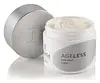
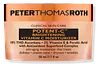
IMAGE skincare Ageless Total Repair Crème Versus Peter Thomas Roth Potent C Brightening Vitamin C Moisturizer
This anti-aging moisturizer is formulated around Glycolic Acid and Retinol to soften the look of wrinkles and refine skin texture.
This brightening moisturizer is formulated around Tetrahexyldecyl Ascorbate and Tocopheryl Acetate to brighten dull-looking skin and fade the look of dark spots.

What's inside
What's inside
 Key Ingredients
Benefits
Concerns
Ingredients Side-by-side
Water
Skin ConditioningGlycolic Acid
Buffering











Neopentyl Glycol Dicaprylate/Dicaprate
EmollientGlycerin
Humectant

Cyclopentasiloxane
Emollient
Glyceryl Stearate
Emollient
PEG-100 Stearate
Surfactant
Stearic Acid
Cleansing
Sodium Acrylate/Sodium Acryloyldimethyl Taurate Copolymer
Emulsion StabilisingSodium Hydroxide
BufferingCaprylic/Capric Triglyceride
Masking
Cetyl Alcohol
Emollient
Dimethicone
Emollient
Cetearyl Alcohol
Emollient

Isohexadecane
EmollientSqualane
Emollient
Ethylhexyl Palmitate
Emollient
Persea Gratissima Oil
Skin Conditioning
Oryza Sativa Bran Oil
Emollient

Butyrospermum Parkii Butter
Skin Conditioning
Sorbitol
Humectant
Phenoxyethanol
Preservative
Eucalyptus Globulus Leaf Oil
Perfuming


Sorbitan Stearate
Emulsifying
Xanthan Gum
EmulsifyingPolysorbate 80
Emulsifying
Polysorbate 60
Emulsifying
Prunus Amygdalus Dulcis Oil
Skin Conditioning
Vegetable Oil
Skin Conditioning
Caprylyl Glycol
Emollient
Magnesium Aluminum Silicate
Absorbent
Tocopheryl Acetate
Antioxidant

Sorbitan Oleate
Emulsifying
Dipotassium Glycyrrhizate
Humectant
Ethylhexylglycerin
Skin ConditioningHexylene Glycol
EmulsifyingGlycine Soja Sterols
Emollient
Linoleic Acid
Cleansing
Phospholipids
Skin Conditioning
Polysorbate 20
Emulsifying
Retinol
Skin Conditioning
Lactic Acid
Buffering
Cetyl Palmitate
Emollient
Laureth-23
Cleansing
Cucumis Sativus Fruit Extract
Emollient
Limonene
Perfuming
Tetrasodium Glutamate Diacetate
ChelatingHamamelis Virginiana Leaf Extract
Skin Conditioning
Ceramide NP
Skin Conditioning
Trideceth-6 Phosphate
EmulsifyingPotassium Bitartrate
BufferingTitanium Dioxide
Cosmetic Colorant

Sodium Hyaluronate
Humectant
Tocopherol
Antioxidant
BHT
Antioxidant
Palmitic Acid
Emollient
BHA
Antioxidant
Quartz
Abrasive
Ascorbic Acid
Antioxidant
Water, Glycolic Acid, Neopentyl Glycol Dicaprylate/Dicaprate, Glycerin, Cyclopentasiloxane, Glyceryl Stearate, PEG-100 Stearate, Stearic Acid, Sodium Acrylate/Sodium Acryloyldimethyl Taurate Copolymer, Sodium Hydroxide, Caprylic/Capric Triglyceride, Cetyl Alcohol, Dimethicone, Cetearyl Alcohol, Isohexadecane, Squalane, Ethylhexyl Palmitate, Persea Gratissima Oil, Oryza Sativa Bran Oil, Butyrospermum Parkii Butter, Sorbitol, Phenoxyethanol, Eucalyptus Globulus Leaf Oil, Sorbitan Stearate, Xanthan Gum, Polysorbate 80, Polysorbate 60, Prunus Amygdalus Dulcis Oil, Vegetable Oil, Caprylyl Glycol, Magnesium Aluminum Silicate, Tocopheryl Acetate, Sorbitan Oleate, Dipotassium Glycyrrhizate, Ethylhexylglycerin, Hexylene Glycol, Glycine Soja Sterols, Linoleic Acid, Phospholipids, Polysorbate 20, Retinol, Lactic Acid, Cetyl Palmitate, Laureth-23, Cucumis Sativus Fruit Extract, Limonene, Tetrasodium Glutamate Diacetate, Hamamelis Virginiana Leaf Extract, Ceramide NP, Trideceth-6 Phosphate, Potassium Bitartrate, Titanium Dioxide, Sodium Hyaluronate, Tocopherol, BHT, Palmitic Acid, BHA, Quartz, Ascorbic Acid
Water
Skin ConditioningTetrahexyldecyl Ascorbate
Antioxidant
Propanediol
Solvent
C9-12 Alkane
SolventGlycerin
Humectant
Tocopheryl Acetate
Antioxidant
Behenyl Alcohol
Emollient
Palmitic Acid
Emollient
Cetyl Palmitate
Emollient
Polyglyceryl-2 Stearate
Emulsifying
Stearic Acid
Cleansing
Stearyl Alcohol
Emollient
Oleic Acid
Emollient
Soy Acid
EmollientFerulic Acid
Antimicrobial
Brassica Oleracea Acephala Leaf Extract
HumectantOlea Europaea Fruit Extract
BleachingHydrolyzed Collagen
Emollient
Elastin
Skin ConditioningZingiber Officinale Root Extract
Masking
Lactic Acid
Buffering
Ceramide NP
Skin Conditioning
Sodium Hyaluronate
Humectant
Butyrospermum Parkii Butter
Skin Conditioning
Wheat Amino Acids
Skin ConditioningGlycine Soja Sterols
Emollient
Saccharomyces Ferment
Skin Conditioning
Jojoba Esters
Emollient
Olus Oil
Emollient
Glyceryl Stearate
Emollient
Gluconolactone
Chelating
Calcium Gluconate
HumectantSodium Benzoate
Masking
Sodium PCA
Humectant
Sodium Stearoyl Lactylate
EmulsifyingMyristic Acid
Cleansing
Sodium Hydroxide
BufferingSodium Lactate
Buffering
Lauroyl Lysine
Skin Conditioning
Arachidic Acid
Cleansing
Lauric Acid
Cleansing
Potassium Sorbate
Preservative
Coco-Caprylate/Caprate
Emollient
Sodium Carboxymethyl Beta-Glucan
CleansingHistidine Hcl
Skin ConditioningCarnosine
Skin Conditioning
Polyglyceryl-6 Distearate
Emulsifying
Arachidyl Alcohol
Emollient
Cetyl Alcohol
Emollient
Lauryl Alcohol
Emollient
Xanthan Gum
EmulsifyingCarbomer
Emulsion StabilisingPolyglyceryl-3 Beeswax
Emulsifying
Ethylhexylglycerin
Skin ConditioningDisodium EDTA
ChelatingMica
Cosmetic ColorantPhenoxyethanol
Preservative
CI 15985
Cosmetic ColorantCI 19140
Cosmetic ColorantWater, Tetrahexyldecyl Ascorbate, Propanediol, C9-12 Alkane, Glycerin, Tocopheryl Acetate, Behenyl Alcohol, Palmitic Acid, Cetyl Palmitate, Polyglyceryl-2 Stearate, Stearic Acid, Stearyl Alcohol, Oleic Acid, Soy Acid, Ferulic Acid, Brassica Oleracea Acephala Leaf Extract, Olea Europaea Fruit Extract, Hydrolyzed Collagen, Elastin, Zingiber Officinale Root Extract, Lactic Acid, Ceramide NP, Sodium Hyaluronate, Butyrospermum Parkii Butter, Wheat Amino Acids, Glycine Soja Sterols, Saccharomyces Ferment, Jojoba Esters, Olus Oil, Glyceryl Stearate, Gluconolactone, Calcium Gluconate, Sodium Benzoate, Sodium PCA, Sodium Stearoyl Lactylate, Myristic Acid, Sodium Hydroxide, Sodium Lactate, Lauroyl Lysine, Arachidic Acid, Lauric Acid, Potassium Sorbate, Coco-Caprylate/Caprate, Sodium Carboxymethyl Beta-Glucan, Histidine Hcl, Carnosine, Polyglyceryl-6 Distearate, Arachidyl Alcohol, Cetyl Alcohol, Lauryl Alcohol, Xanthan Gum, Carbomer, Polyglyceryl-3 Beeswax, Ethylhexylglycerin, Disodium EDTA, Mica, Phenoxyethanol, CI 15985, CI 19140
Ingredients Explained
These ingredients are found in both products.
Ingredients higher up in an ingredient list are typically present in a larger amount.
This ingredient is also known as shea butter. It is a plant-derived extract from the nuts of the Africa shea tree and one of the most well-studied emollients.
Because it has a high concentration of fatty acids (primarily oleic, stearic, and linoleic) it is able to form a protective barrier on the skin's surface. This helps seal in moisture and prevents transepidermal water loss (TEWL).
In vitro research found an increase in skin hydration by 58% and a decrease in TEWL by 37.8% after 24 hours of applying this ingredient (pretty impressive for a single ingredient!).
Besides hydration, shea butter also contains triterpenes that have anti-inflammatory potential. In particule, lupeol cinnamate has shown the highest anti-inflammatory activity in vivo.
Shea butter also contains vitamins A and E which may contribute to antioxidant activity.
While Shea Butter has an SPF rating of about 3-4, it is not a sunscreen replacement.
This ingredient may not be fungal acne safe because its fatty acids fall within the C11-C24 range that the Malassezia yeast can metabolize.
This ingredient shows up on a lot of "pore-clogging" lists but there's no real evidence behind that. It doesn't even have a comedogenic rating from an actual study; the numbers you'll find online come from blogs citing other blogs.
Ratings for other ingredients mostly come from a 1980s rabbit ear test. This test doesn't translate well to human skin or to real products because the ingredient sits at a much lower percentage.
Some people still find it breaks them out. So if that's you, definitely trust your skin. Just know this one's based on experience and not evidence.
Learn more about Butyrospermum Parkii ButterCeramide NP (formerly known as Ceramide 3) is one of the skin's naturally occurring lipids.
Since ceramides are the major lipid components of the skin, they are crucial for maintaining skin barrier and hydration. Ceramide NP most closely mirrors the dominant kind in human skin amongst ceramide subtypes.
This ceramide works by slotting into gaps within the stratum corneum's lipid matrix to limit trans-epidermal water loss (TEWL) and shield the skin against external irritants.
A study with 312 patients found that using a ceramide-containing routine for 4 weeks reduced the severity of atopic dermatitis by over 61%.
Another clinical study in subjects aged 60 and older found that a ceramide body wash and moisturizer improved skin dryness and itchy skin in 15 days.
Overall, ceramides are considered non-irritating and safety tests have found little to no observable adverse effects from using this ingredient.
Ceramide NP is usually sourced from plants (like soybean or rice bran), or produced synthetically.
Learn more about Ceramide NPCetyl Alcohol is a fatty alcohol. Fatty Alcohols are most often used as an emollient or to thicken a product.
Its main roles are:
Though it has "alcohol" in the name, it is not related to denatured alcohol or ethyl alcohol.
The FDA allows products labeled "alcohol-free" to have fatty alcohols.
This ingredient may not be fungal acne safe. It is a primary fatty alcohol with a chain length above 12 carbons. A study from 2019 show Malassezia can feed on fatty alcohols in this range, so it may trigger fungal acne in those prone to it.
Learn more about Cetyl AlcoholCetyl Palmitate is a wax-ester that pulls triple duty as an emollient, thickener, and emulsion enhancer.
It helps enhance the texture of products by giving a smooth, silky feel while helping to stabilize the formula. The emollient action softens skin and reduces moisture loss.
This ingredient is considered safe and human testing of concentrations between 2.5-2.7% were found minimal irritation. Just know, there have been very rare cases of the palmitate family causing contact dermatitis.
This ingredient may not be fungal acne safe because it contains a C16 ester (palmitic acid) that falls into the C11-24 range that Malassezia can feed on.
Learn more about Cetyl PalmitateEthylhexylglycerin is created from glycerin. It is a multitasker ingredient that:
The CIR Expert Panel found minimal skin absorption or sensitization of any kind in a safety assessment. Though this ingredient is considered well-tolerated, a small number of cases of allergic dermatitis have been published since 2002. Just be sure to patch test if you are unsure.
Industry-reported use ranges from 8% in rinse-off products and 2% in leave-on formulations.
Learn more about EthylhexylglycerinGlycerin (or glycerol) is a compound naturally found in your skin. It's a powerhouse humectant that pulls water into the stratum corneum.
Topically, glycerin does several things at once:
Your skin makes glycerin on its own (mostly from sebaceous oil breakdown) and shuttles it to your outermost layer of skin, or your epidermis, via aquaporin-3.
Aquaporin-3 is a transporter that is essential for normal skin hydration, elasticity, and repair. Interestingly, mice lacking in AQP3 have dry and less elastic skin that can be fully corrected with glycerin.
This ingredient is non-irritating, plays well with almost every ingredient, and works across all skin types. Typical use is anywhere between 3-10% but can go up to 79% in some leave-on products.
Just know very high concentrations (>40%) can feel tacky in low humidity.
Glycerin is the name for this ingredient in American English. British English uses Glycerol/Glycerine.
Learn more about GlycerinGlyceryl Stearate is made by reacting glycerin with stearic acid (typically sourced from plant oils like palm or coconut). It's an emulsifier, emollient, and mild occlusive.
Emulsifiers help ingredients like oil and water stay mixed so your formula stays nicely blended and uniform in texture.
This ingredient is typically used in concentrations between 1-10%. Studies have found it to be non-sensitizing, non-phototoxic, and non-photoallergenic.
A close cousin of this ingredient is Glyceryl Stearate SE ("self-emulsifying"). This just has a small amount of sodium or potassium stearate added so it can emulsify without a co-emulsifier.
Since this ingredient is an ester of a C18 fatty acid, it may not be fungal acne safe. The Malassezia yeast can potentially metabolize within the C11-C24 range.
Fun fact: The human body also creates Glyceryl Stearate naturally.
Learn more about Glyceryl StearateGlycine Soja Sterols are plant-derived fatty alcohols (phytosterols) from soybean.
You can think of them like the plant world's version of cholesterol; they're structurally similar enough to slot into your skin's lipid barrier and help it do its job.
Phytosterols aid skin barrier recovery by traveling deeper into the skin rather than just sitting on top of it. Once inside, they reduce transepidermal water loss (TEWL) and keep skin feeling soft / supple.
Research on phytosterols in keratinocyte and macrophase models has shown meaningful inhibition of pro-inflammatory mediators. This supports their reputation as a calming ingredient for reactive or sensitive skin.
Subjects with soy allergies did not show a reaction to phytosterols in safety tests, but it wouldn't hurt to patch test if you do have a soy allergy.
Fungal acne:
Malassezia uses sterols to build its own cell walls so there's a theoretical concern that it could also make use of sterol ingredients in skincare.
Though no study has actually proven this happens with topical products, we err on the side of caution and list this ingredient as not safe for fungal acne. However, it may not be a trigger for everyone.
Learn more about Glycine Soja SterolsLactic Acid is another well-loved alpha hydroxy acid (AHA). It is gentler than glycolic acid but still highly effective.
Its main role is to exfoliate the surface of the skin by loosening the “glue” that holds dead skin cells together. Shedding those old cells leads to smoother, softer, and more even-toned skin.
Because lactic acid molecules are larger than glycolic acid, they don’t penetrate as deeply. This means they’re less likely to sting or irritate, making it a great choice for beginners or those with sensitive skin.
Like glycolic acid, it can:
Lactic acid also acts as a humectant (like hyaluronic acid). It can draw water into the skin to improve hydration and also plays a role in the skin's natural moisturizing factor (NMF) in the form of sodium lactate.
Studies show it can boost ceramide production to strengthen the skin barrier and even help balance the skin’s microbiome.
To get results, choose products with a pH between 3-4.
Lower strengths (5-12%) focus on surface exfoliation; higher strengths (12% and up) can reach deeper in the dermis (deeper, supportive layer) to improve skin texture and firmness over time.
Though it was originally derived from milk, most modern lactic acid used in skincare is vegan. It is made through non-dairy fermentation to create a bio-identical and stable form suitable for all formulations.
When lactic acid shows up near the end of an ingredient list, it usually means the brand added just a tiny amount to adjust the product’s pH.
Legend has it that Cleopatra used to bathe in sour milk to help reduce wrinkles.
Lactic acid is truly a gentle multitasker: it exfoliates, hydrates, strengthens, and brightens. It's a great ingredient for giving your skin a smooth, glowing, and healthy look without the harshness of stronger acids.
Read more about some other popular AHA's here:
Learn more about Lactic AcidPalmitic Acid is a fatty acid naturally found in our skin and in many plant and animal sources.
In cosmetics, it is usually derived from palm oil. It serves many purposes in skincare, acting as a cleanser, emollient, and emulsifier.
Interestingly, topically applied Palmitic Acid can be elongated into longer chain fatty acids and ceramides. A 2019 study found low levels of Palmitic Acid lead to slower development of cells, suggesting it plays a role in keeping your skin's renewal process on track.
The CIR (Cosmetic Ingredient Review) panel determined it safe as used in cosmetics at concentrations up to 13%. It is non-irritating and non-sensitizing in clinical studies.
The culprit behind fungal acne, the Malassezia yeast, feeds on fatty acids with carbon chain lengths between C11-C24. Palmitic Acid, at C16, falls right into that sweet spot.
In vitro studies have shown that Palmitic Acid is one of the fatty acids that induce rapid Malassezia growth in lab settings.
It's worth noting that what feeds yeast in a lab doesn't necessarily feed it on your face since formulation and your skin's chemistry play a bigger role.
This ingredient does have a comedogenic rating of 2, but this doesn't mean a formula with this ingredient will clog pores.
Human testing has proved that any finished product with a comedogenic ingredient won't automatically make you break out; it really comes down to concentration, formula, and your skin.
Learn more about Palmitic AcidPhenoxyethanol is one of the most widely used preservatives in skincare (and for good reason!).
It has a large spectrum of antimicrobial activity and especially effective bacteria, yeast, and mold while only having a weak effect on your skin's natural microbiome.
On a cellular level, it disrupts the cell membranes of microbes by poking holes that make the cell leak. This shuts down the chemical reactions the microbe needs to make energy so it can no longer survive.
Another perk of this ingredient is that it stays functional across a wide pH range (3-10).
You'll often see it paired with boosters like Ethylhexylglycerin; one study showed that a 1:9 ratio of Ethylhexylglycerin to Phenoxyethanol damages bacterial membranes as effectively as doubling the Phenoxyethanol concentration on its own.
Typical use concentrations range from 0.3-1% depending on the formula, and this ingredient is capped at 1% int the EU.
Safety-wise, the fear mongering does not hold up to the evidence. The EU's Scientific Committee on Consumer Safety and FDA consider it safe as a preservative at up to 1%, including for children of all ages.
Adverse systemic effects only showed up in animal studies at exposures roughly 200x higher than what people get from cosmetics. And despite its very widespread use, this ingredient is a rare sensitizer and allergic reactions are uncommon.
Learn more about PhenoxyethanolSodium Hyaluronate is the salt form of hyaluronic acid. It is a long sugar chain that is naturally found in your skin, joints, and connective tissue that maintains hydration and elasticity.
In skincare, it works as a humectant. It pulls water from the environment and deeper layers of skin and binds it to the surface.
Interestingly, the size of the molecule affects its behavior:
Some clinical evidence links low molecular weight versions to improved wrinkle depth, elasticity, anti-inflammatory effects, and barrier repair.
Many serums use a blend of both weights so you can get surface hydration plus longer-lasting and deeper effects.
You'll typically see concentrations between 0.1-2% for this ingredient.
Learn more about Sodium HyaluronateSodium Hydroxide is also known as lye or caustic soda. It is used to adjust the pH of products; many ingredients require a specific pH to be effective.
In small amounts, sodium hydroxide is considered safe to use. However, large amounts may cause chemical burns due to its high alkaline.
Your skin has a natural pH and acid mantle. This acid mantle helps prevent harmful bacteria from breaking through. The acid mantle also helps keep your skin hydrated.
"Alkaline" refers to a high pH level. A low pH level would be considered acidic.
Learn more about Sodium HydroxideStearic Acid is a fatty acid that is already found in your skin. It's one of the free fatty acids that works alongside ceramides and cholesterols to maintain your barrier.
In cosmetics, it is a multitasker:
Safety-wise, the CIR Expert Panel has concluded it to be safe in cosmetics when formulated to be non-irritating and non-sensitizing.
Free stearic acid is a C18 fatty acid that the Malassezia yeast can substrate, so this ingredient may not be fungal acne safe.
This ingredient does have a comedogenic rating of 2-3, but this doesn't mean a formula with this ingredient will clog pores.
Human testing has proved that any finished product with this ingredient won't automatically make you break out; it really comes down to concentration, formula, and your skin.
Learn more about Stearic AcidTocopheryl Acetate is a stable, shelf-friendly form of vitamin E.
Formulators love it because plain vitamin E oxidizes quickly once it hits air. This acetate version stays stable and resists going off, helping to extend a product's shelf life.
It's actually inactive on its own and works like a slow-release "storage" form; the enzymes in your skin called esterases gradually convert it into active vitamin E over time.
One in vivo study showed 5% of the acetate in the living layer of the epidermis converted to vitamin E after 5 days of application. This study also found the skin gained protection against UV damage even though the conversion was slow and small.
Once converted, vitamin E acts as a skin's main fat-soluble antioxidant that fights free radicals to protect skin from damage.
Topical vitamin E generally boosts the skin's photoprotection, and it reduced UV-damage in animal models.
This ingredient has some brightening potential but it's more of a prevention ingredient than spot-fader. Cell studies show it can slow down melanin production but it's worth noting that it's not the most powerful brightener out there.
Overall, it has a pretty solid safety profile and has been found to be non-irritating and non-comedogenic. Allergic reactions may happen but stay rare due to how widely the ingredient gets used.
The concentration will vary depending on the formula; industry data shows 0.1% in baby lotions, 3% in lipsticks, and 5% in foot powders. You can also find this ingredient at 100% in a pure vitamin E oil.
Most leave-on skincare keeps it at the lower end, often between 0.5-1%.
Learn more about Tocopheryl AcetateWater. It's the most common cosmetic ingredient of all. You'll usually see it at the top of ingredient lists, meaning that it makes up the largest part of the product.
So why is it so popular? Water most often acts as a solvent - this means that it helps dissolve other ingredients into the formulation.
You'll also recognize water as that liquid we all need to stay alive. If you see this, drink a glass of water. Remember to stay hydrated!
Learn more about WaterXanthan gum is used as a stabilizer and thickener within cosmetic products. It helps give products a sticky, thick feeling - preventing them from being too runny.
On the technical side of things, xanthan gum is a polysaccharide - a combination consisting of multiple sugar molecules bonded together.
Xanthan gum is a pretty common and great ingredient. It is a natural, non-toxic, non-irritating ingredient that is also commonly used in food products.
Learn more about Xanthan Gum

