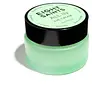
This anti-aging eye moisturizer is formulated around Aloe Barbadensis Leaf and Glycolic Acid to soften the look of wrinkles and hydrate skin.
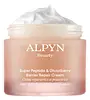
This anti-aging moisturizer is formulated around Acetyl Hexapeptide-8 and Ceramide NP to soften the look of wrinkles and strengthen the skin barrier.

What's inside
What's inside
 Key Ingredients
Benefits
Concerns
Ingredients Side-by-side
Water
Skin ConditioningAloe Barbadensis Leaf
Masking


Helianthus Annuus Seed Oil
Emollient


Hyaluronic Acid
Humectant



Hamamelis Virginiana Water
Astringent


Glycolic Acid
Buffering







Dimethyl Sulfone
SolventGlyceryl Stearate
Emollient
Glycerin
Humectant
Squalane
Emollient
Lactic Acid
Buffering
Elaeis Guineensis Oil
Emollient
Hydrogenated Castor Oil
Emollient
Ethylhexyl Palmitate
Emollient
Cocos Nucifera Oil
Masking

Theobroma Cacao Seed Butter
Emollient
Cetyl Alcohol
Emollient
Cetearyl Alcohol
Emollient
Cetearyl Glucoside
Emulsifying
Stearyl Alcohol
Emollient
Potassium Stearate
CleansingAscorbic Acid
Antioxidant

Caprylic/Capric Triglyceride
Masking
Hydrogenated Vegetable Oil
Emollient
Crithmum Maritimum Extract
Skin ConditioningMatrixyl 3000

Palmitoyl Tripeptide-5
Skin Conditioning
Cucumis Sativus Fruit Water
Skin ConditioningCarbomer
Emulsion StabilisingArginine
Masking
Beeswax
Emulsion Stabilising
Simmondsia Chinensis Seed Oil
Emollient
Calophyllum Inophyllum Seed Oil
Antimicrobial
Camellia Sinensis Leaf Extract
Antimicrobial
Thioctic Acid
Antioxidant
Arctostaphylos Uva-Ursi Leaf Extract
Skin Conditioning
Vaccinium Angustifolium Fruit Extract
Skin Protecting
Vaccinium Macrocarpon Fruit Extract
AstringentRubus Idaeus Seed Oil
Emollient
Dipotassium Glycyrrhizate
Humectant
Euphrasia Officinalis Extract
AntimicrobialHelichrysum Italicum Flower Oil
Masking
Camellia Oleifera Seed Oil
Skin Conditioning
Persea Gratissima Oil
Skin Conditioning
Pelargonium Graveolens Oil
Masking
Borago Officinalis Seed Oil
Emollient
Linum Usitatissimum Seed Oil
Perfuming
Oenothera Biennis Oil
Emollient
Rosa Rubiginosa Seed Oil
Emollient
Sodium Hydroxide
BufferingUbiquinone
Antioxidant
Tocopheryl Acetate
Antioxidant
Phytic Acid
Phospholipids
Skin Conditioning
Rosmarinus Officinalis Leaf Extract
AntimicrobialCitrus Limon Fruit Extract
Masking
Saccharum Officinarum Extract
MoisturisingCymbopogon Schoenanthus Oil
Masking
Ascorbyl Palmitate
Antioxidant
Acetyl Hexapeptide-8
Humectant
Sclerotium Gum
Emulsion StabilisingPotassium Sorbate
Preservative
Pantothenic Acid
Skin ConditioningArnica Montana Flower Oil
Perfuming
Lavandula Angustifolia Extract
Skin Conditioning
Calendula Officinalis Flower Extract
Masking
Chamomilla Recutita Oil
Masking
Vitis Vinifera Seed Oil
Emollient
Macadamia Ternifolia Seed Oil
Emollient
Sodium Carbomer
Emulsion StabilisingXanthan Gum
EmulsifyingPhenoxyethanol
Preservative
Ethylhexylglycerin
Skin ConditioningBenzyl Alcohol
Perfuming

Water, Aloe Barbadensis Leaf, Helianthus Annuus Seed Oil, Hyaluronic Acid, Hamamelis Virginiana Water, Glycolic Acid, Dimethyl Sulfone, Glyceryl Stearate, Glycerin, Squalane, Lactic Acid, Elaeis Guineensis Oil, Hydrogenated Castor Oil, Ethylhexyl Palmitate, Cocos Nucifera Oil, Theobroma Cacao Seed Butter, Cetyl Alcohol, Cetearyl Alcohol, Cetearyl Glucoside, Stearyl Alcohol, Potassium Stearate, Ascorbic Acid, Caprylic/Capric Triglyceride, Hydrogenated Vegetable Oil, Crithmum Maritimum Extract, Matrixyl 3000, Palmitoyl Tripeptide-5, Cucumis Sativus Fruit Water, Carbomer, Arginine, Beeswax, Simmondsia Chinensis Seed Oil, Calophyllum Inophyllum Seed Oil, Camellia Sinensis Leaf Extract, Thioctic Acid, Arctostaphylos Uva-Ursi Leaf Extract, Vaccinium Angustifolium Fruit Extract, Vaccinium Macrocarpon Fruit Extract, Rubus Idaeus Seed Oil, Dipotassium Glycyrrhizate, Euphrasia Officinalis Extract, Helichrysum Italicum Flower Oil, Camellia Oleifera Seed Oil, Persea Gratissima Oil, Pelargonium Graveolens Oil, Borago Officinalis Seed Oil, Linum Usitatissimum Seed Oil, Oenothera Biennis Oil, Rosa Rubiginosa Seed Oil, Sodium Hydroxide, Ubiquinone, Tocopheryl Acetate, Phytic Acid, Phospholipids, Rosmarinus Officinalis Leaf Extract, Citrus Limon Fruit Extract, Saccharum Officinarum Extract, Cymbopogon Schoenanthus Oil, Ascorbyl Palmitate, Acetyl Hexapeptide-8, Sclerotium Gum, Potassium Sorbate, Pantothenic Acid, Arnica Montana Flower Oil, Lavandula Angustifolia Extract, Calendula Officinalis Flower Extract, Chamomilla Recutita Oil, Vitis Vinifera Seed Oil, Macadamia Ternifolia Seed Oil, Sodium Carbomer, Xanthan Gum, Phenoxyethanol, Ethylhexylglycerin, Benzyl Alcohol
Water
Skin ConditioningGlycerin
Humectant
Caprylic/Capric/Myristic/Stearic Triglyceride
EmollientCaprylic/Capric Triglyceride
Masking
Squalane
Emollient
Candelilla/Jojoba/Rice Bran Polyglyceryl-3 Esters
Emulsifying
Coconut Alkanes
Emollient
C12-16 Alcohols
EmollientPropanediol
Solvent
Polyhydroxystearic Acid
Emulsifying
Behenyl Alcohol
Emollient
Glyceryl Stearate
Emollient
Cetearyl Alcohol
Emollient
Symphoricarpos Albus Fruit Extract
EmollientAcetyl Hexapeptide-8
Humectant
Acetyl Octapeptide-3
Humectant
Ceramide NP
Skin Conditioning
Ceramide EOP
Skin Conditioning
Ceramide Ns
Skin Conditioning
Ceramide As
Skin Conditioning
Ceramide AP
Skin Conditioning
Glyceryl Citrate/Lactate/Linoleate/Oleate
Emulsifying
1,2-Hexanediol
Skin Conditioning
Cetearyl Olivate
Hydrogenated Lecithin
Emulsifying
Nephelium Lappaceum Peel Extract
Skin ConditioningPalmitic Acid
Emollient
Sodium Stearoyl Lactylate
EmulsifyingSorbitan Olivate
Emulsifying
Caprylhydroxamic Acid
Coco-Caprylate/Caprate
Emollient
Xanthan Gum
EmulsifyingSimmondsia Chinensis Seed Oil
Emollient
Tasmannia Lanceolata Fruit/Leaf Extract
Antioxidant
Bisabolol
Antioxidant
Sodium Hyaluronate
Humectant
Hydrolyzed Sodium Hyaluronate
Skin Conditioning
Tripeptide-29
Skin Conditioning
Hydrolyzed Pea Protein
Emollient2,3-Butanediol
HumectantLeuconostoc/Radish Root Ferment Filtrate
Antimicrobial
Hydrolyzed Rice Protein
Skin ConditioningCholesterol
Emollient
Sodium Benzoate
Masking
Water, Glycerin, Caprylic/Capric/Myristic/Stearic Triglyceride, Caprylic/Capric Triglyceride, Squalane, Candelilla/Jojoba/Rice Bran Polyglyceryl-3 Esters, Coconut Alkanes, C12-16 Alcohols, Propanediol, Polyhydroxystearic Acid, Behenyl Alcohol, Glyceryl Stearate, Cetearyl Alcohol, Symphoricarpos Albus Fruit Extract, Acetyl Hexapeptide-8, Acetyl Octapeptide-3, Ceramide NP, Ceramide EOP, Ceramide Ns, Ceramide As, Ceramide AP, Glyceryl Citrate/Lactate/Linoleate/Oleate, 1,2-Hexanediol, Cetearyl Olivate, Hydrogenated Lecithin, Nephelium Lappaceum Peel Extract, Palmitic Acid, Sodium Stearoyl Lactylate, Sorbitan Olivate, Caprylhydroxamic Acid, Coco-Caprylate/Caprate, Xanthan Gum, Simmondsia Chinensis Seed Oil, Tasmannia Lanceolata Fruit/Leaf Extract, Bisabolol, Sodium Hyaluronate, Hydrolyzed Sodium Hyaluronate, Tripeptide-29, Hydrolyzed Pea Protein, 2,3-Butanediol, Leuconostoc/Radish Root Ferment Filtrate, Hydrolyzed Rice Protein, Cholesterol, Sodium Benzoate
Reviews
Ingredients Explained
These ingredients are found in both products.
Ingredients higher up in an ingredient list are typically present in a larger amount.
Acetyl Hexapeptide-8 (also known as Argireline) is a synthetic hexapeptide that is often called a "topical Botox alternative".
It works by mimicking how Botox relaxes muscles; it interferes with the signaling process that tells your facial muscles to contract. This can help soften expression lines like forehead wrinkles or crow's feet over time.
The comparison to Botox does have limits because the molecule is water-loving and relatively large.
Acetyl Hexapeptide-8 has a hard time absorbing deeply enough through the skin's outer barrier to actually reach the muscles.
So whether it truly works the way Botox does at a biological level is still up for debate, but early clinical outcomes are fairly encouraging.
A 12 week human study of a multi-ingredient regimen containing this ingredient saw:
While some studies have observed improvements in wrinkle appearance, it is important to note that more consistent results are seen in multi-ingredient formulations (vs just Acetyl Hexapeptide-8 alone).
Some research studies also used higher concentrations (up to 10%) while this ingredient is usually found in concentrations up to 0.005% in leave-on formulations.
Learn more about Acetyl Hexapeptide-8Caprylic/Capric Triglyceride (aka MCT Oil) is a lightweight emollient, solvent, and texture enhancer. It is considered a skin-softener by helping to prevent moisture loss.
Though it behaves like an oil, it is not technically one due to its chemical composition. One perk of this ingredient is that it is very stable, resistant to oxidation, and unlikely to go rancid.
In practice, that translates to a long shelf life and a consistently elegant skin feel.
While there is an assumption Caprylic Triglyceride can clog pores due to it being derived from coconut oil, there is no research supporting this. Just patch test if you have concerns.
Fractionated coconut oil and MCT Oil are both listed as Caprylic/Capric Triglyceride according to INCI. This is because INCI names are based on the ingredient’s final chemical composition and not its marketing name or source.
This ingredient is treated as the gold standard fungal acne safe oil. Even though it is coconut derived, the problematic lauric acid is stripped out.
This leaves just caprylic (C8) and capric (C10) acid. These chain lengths actually trend antifungal; a 2020 study found caprylic acid was enough to disrupt Malassezia furfur cell membrane, with a caprylic acid derivative damaging membrane structures at concentrations as low as 0.2%.
Learn more about Caprylic/Capric TriglycerideCetearyl alcohol is a waxy mixture of two fatty alcohols: cetyl alcohol and stearyl alcohol. It is an emollient and emulsifier.
Despite having "alcohol" in its name, it has nothing to do with drying solvent alcohols; the FDA also allows "alcohol-free" products to contain fatty alcohols like this ingredient.
It plays several roles in a formula:
Typical use levels for this ingredient sit around 1-10% and the Cosmetic Ingredient Review Expert Panel has affirmed safety at concentrations up to 25% in leave-on products.
Multiple assessments have found it to be non-irritating and non-sensitizing to most people.
However, there have been some cases of allergic contact dermatitis in patients with chronically compromised skin barriers.
Cetearyl alcohol has a comedogenic rating of 2 and irritancy rating of 1. Both of these numbers come from the 1989 study that used rabbit ears; a "2" means mildly comedogenic and a "1" means low irritancy.
Here's the catch: rabbit skin is more sensitive than human skin and throws a lot of false positives. A 1996 reappraisal found that ingredients rated 1-2 in the rabbit ear tests are generally safe for humans.
Remember comedogenic ratings are unable to assess the entire formula of a product or how it will react on your skin. Just be sure to patch test if you are unsure about certain ingredients.
This ingredient is not fungal acne safe. Cetearyl alcohol is a fatty alcohol with chain lengths that fall within the range that Malassezia can metabolize.
A 2019 study has also observed Malassezia growth in the presence of this ingredient, confirming it to be not-fungal acne safe.
Learn more about Cetearyl AlcoholGlycerin (or glycerol) is a compound naturally found in your skin. It's a powerhouse humectant that pulls water into the stratum corneum.
Topically, glycerin does several things at once:
Your skin makes glycerin on its own (mostly from sebaceous oil breakdown) and shuttles it to your outermost layer of skin, or your epidermis, via aquaporin-3.
Aquaporin-3 is a transporter that is essential for normal skin hydration, elasticity, and repair. Interestingly, mice lacking in AQP3 have dry and less elastic skin that can be fully corrected with glycerin.
This ingredient is non-irritating, plays well with almost every ingredient, and works across all skin types. Typical use is anywhere between 3-10% but can go up to 79% in some leave-on products.
Just know very high concentrations (>40%) can feel tacky in low humidity.
Glycerin is the name for this ingredient in American English. British English uses Glycerol/Glycerine.
Learn more about GlycerinGlyceryl Stearate is made by reacting glycerin with stearic acid (typically sourced from plant oils like palm or coconut). It's an emulsifier, emollient, and mild occlusive.
Emulsifiers help ingredients like oil and water stay mixed so your formula stays nicely blended and uniform in texture.
This ingredient is typically used in concentrations between 1-10%. Studies have found it to be non-sensitizing, non-phototoxic, and non-photoallergenic.
A close cousin of this ingredient is Glyceryl Stearate SE ("self-emulsifying"). This just has a small amount of sodium or potassium stearate added so it can emulsify without a co-emulsifier.
Since this ingredient is an ester of a C18 fatty acid, it may not be fungal acne safe. The Malassezia yeast can potentially metabolize within the C11-C24 range.
Fun fact: The human body also creates Glyceryl Stearate naturally.
Learn more about Glyceryl StearateJojoba oil is one of the most well-studied plant-derived ingredients in cosmetics. It is an emollient with a special structure.
Because it is made up of 97-98% wax esters, it closely mirrors the linear monoesters found in human sebum. This makes it skin compatible, non-greasy, and lightweight.
Unlike other plant oils, jojoba wax doesn't easily penetrate skin. It mostly works in the uppermost layers as an emollient. This just means it forms a light barrier on the skin to help retain moisture.
Formulations with jojoba esters up to 90% reduced transepidermal water loss (TEWL) and increased barrier recovery by 81% (outperforming bisabolol at 47%).
Besides barrier support, the science also suggests jojoba to have anti-inflammatory effects and potential applications for skin infections, aging, and wound healing.
Fun fact: Indigenous cultures have used jojoba as a moisturizer and to help treat burns for centuries.
Fungal acne: The Malassezia yeast is known to metabolize fatty acids in the C11-24 range and jojoba's dominant fatty acid components fall into this range. This ingredient may not be fungal acne safe.
Learn more about Simmondsia Chinensis Seed OilSqualane is the hydrogenated and shelf-stable form of squalene (a lipid that naturally occurs in human sebum).
It is an emollient and skin conditioning agent that is able to integrate seamlessly into the skin's lipid barrier without clogging pores.
This is due to how structurally similar it is to what your skin already produces.
Though it is mostly an emollient that helps soften and hydrate skin, it also has some humectant and occlusive action. Humectants help the skin retain moisture while occlusives seal it in, making squalane a triple-threat moisturizer.
Research shows it has antioxidant capabilities that help protect against stressors like UV exposure, specifically UVA induced oxidative stress. This study also found that it supports collagen biosynthesis in human dermal fibroblasts.
No clinical study has reported significant adverse effects and irritation reactions are very rare from this ingredient (even at 100% concentration).
Overall, it's a fantastic ingredient for hydration and is suitable for all skin types.
This depends on the source. Squalane can be derived from both plants and animals. Most squalane used in skincare comes from plants.
Please note: the source of squalane is only known if disclosed by the brand. We recommend reaching out to the brand if you have any questions about their squalane.
Read more about squalene with an "e".
Though squalane is often called an oil, it’s technically not one. It is a hydrocarbon, meaning it is only made of carbon and hydrogen. True oils are triglycerides and made of fatty acids and glycerol.
The term “oil-free” isn’t regulated so companies can define it however they want. Some exclude all oils, while others just avoid mineral oil or comedogenic oils.
Squalane has a comedogenic rating of 1 from the original 1972 study that tested raw ingredients under occlusion on rabbit ears. This system is not standardized or peer-reviewed, and using the raw ingredients is very different from how diluted cosmetic formulations are used on human skin.
A comedogenic rating of 1 means it is "unlikely to clog pores" according to the original rating system.
The overall formula of a product matters more than the individual ingredients on whether or not it will cause clogged pores.
Learn more about SqualaneWater. It's the most common cosmetic ingredient of all. You'll usually see it at the top of ingredient lists, meaning that it makes up the largest part of the product.
So why is it so popular? Water most often acts as a solvent - this means that it helps dissolve other ingredients into the formulation.
You'll also recognize water as that liquid we all need to stay alive. If you see this, drink a glass of water. Remember to stay hydrated!
Learn more about WaterXanthan gum is used as a stabilizer and thickener within cosmetic products. It helps give products a sticky, thick feeling - preventing them from being too runny.
On the technical side of things, xanthan gum is a polysaccharide - a combination consisting of multiple sugar molecules bonded together.
Xanthan gum is a pretty common and great ingredient. It is a natural, non-toxic, non-irritating ingredient that is also commonly used in food products.
Learn more about Xanthan Gum

