

What's inside
What's inside
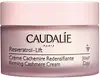 Key Ingredients
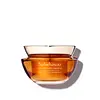
Benefits
Concerns
Ingredients Side-by-side
Water
Skin ConditioningCoco-Caprylate/Caprate
Emollient
Caprylic/Capric Triglyceride
Masking
Butylene Glycol
Humectant
Octyldodecyl Myristate
EmollientGlycerin
Humectant


Butyrospermum Parkii Butter Extract
Skin Conditioning
Cetearyl Alcohol
Emollient


C12-16 Alcohols
EmollientMicrocrystalline Cellulose
AbsorbentVitis Vinifera Seed Oil
Emollient
Palmitoyl Grapevine Shoot Extract
Antioxidant
Cetearyl Glucoside
EmulsifyingCI 77891
Cosmetic ColorantHydrogenated Lecithin
Emulsifying
Palmitic Acid
Emollient
Potassium Cetyl Phosphate
EmulsifyingMica
Cosmetic Colorant
Caprylyl Glycol
Emollient
Polyacrylate Crosspolymer-6
Emulsion StabilisingBenzyl Alcohol
Perfuming






Tocopherol
Antioxidant

Helianthus Annuus Seed Oil
Emollient
Xanthan Gum
EmulsifyingHydrolyzed Hyaluronic Acid
Humectant
Lecithin
Emollient
Adenosine
Skin Conditioning

Sodium Phytate
Acetyl Dipeptide-1 Cetyl Ester
Skin Conditioning

Hyaluronic Acid
Humectant
Dehydroacetic Acid
Preservative
Silica
Abrasive
Khaya Senegalensis Bark Extract
Skin ProtectingMaltodextrin
Absorbent
Tin Oxide
Abrasive
Sodium Hydroxide
BufferingPaeonia Lactiflora Root Extract
Skin ConditioningCitric Acid
Buffering


Parfum
Masking
Linalool
Perfuming
Limonene
Perfuming
Coumarin
Perfuming
Water, Coco-Caprylate/Caprate, Caprylic/Capric Triglyceride, Butylene Glycol, Octyldodecyl Myristate, Glycerin, Butyrospermum Parkii Butter Extract, Cetearyl Alcohol, C12-16 Alcohols, Microcrystalline Cellulose, Vitis Vinifera Seed Oil, Palmitoyl Grapevine Shoot Extract, Cetearyl Glucoside, CI 77891, Hydrogenated Lecithin, Palmitic Acid, Potassium Cetyl Phosphate, Mica, Caprylyl Glycol, Polyacrylate Crosspolymer-6, Benzyl Alcohol, Tocopherol, Helianthus Annuus Seed Oil, Xanthan Gum, Hydrolyzed Hyaluronic Acid, Lecithin, Adenosine, Sodium Phytate, Acetyl Dipeptide-1 Cetyl Ester, Hyaluronic Acid, Dehydroacetic Acid, Silica, Khaya Senegalensis Bark Extract, Maltodextrin, Tin Oxide, Sodium Hydroxide, Paeonia Lactiflora Root Extract, Citric Acid, Parfum, Linalool, Limonene, Coumarin
Water
Skin ConditioningGlycerin
Humectant
Squalane
Emollient
Butylene Glycol
Humectant
Cyclopentasiloxane
Emollient
Trehalose
Humectant
Limnanthes Alba Seed Oil
Skin Conditioning
Glyceryl Stearate
Emollient
Phytosteryl Isostearyl Dimer Dilinoleate
EmollientOctyldodecyl Myristate
EmollientCyclohexasiloxane
Emollient
PEG-40 Stearate
Emulsifying
Phytosteryl/Behenyl/Octyldodecyl Lauroyl Glutamate
Skin ConditioningHelianthus Annuus Seed Oil
Emollient
Jojoba Esters
Emollient
Stearic Acid
Cleansing
Propanediol
Solvent
PEG-100 Stearate
Palmitic Acid
Emollient
Methoxy PEG-114/Polyepsilon Caprolactone
BufferingMangifera Indica Seed Butter
Skin Conditioning
Polyacrylate-13
Glycine Soja Oil
Emollient
PEG-30 Dipolyhydroxystearate
Emulsifying
Cetyl PEG/PPG-10/1 Dimethicone
Emulsifying
Phenoxyethanol
Preservative
Glyceryl Linoleate
Emollient
Cetearyl Alcohol
Emollient
Dimethicone
Emollient
Hydrogenated Vegetable Oil
Emollient
Glycine Soja Sterols
Emollient
Propylene Glycol
Humectant
Polyisobutene
Acetyl Glucosamine
Skin ConditioningPolyquaternium-51
Skin Conditioning
Hexyl Laurate
Emollient
Panax Ginseng Root Extract
Emollient
Tocopherol
Antioxidant
Hydrolyzed Ginseng Saponins
Skin ConditioningCopernicia Cerifera Wax
Tocopheryl Linoleate
Antioxidant
1,2-Hexanediol
Skin Conditioning
Pantethine
EmollientSalicylic Acid
Masking

Dimethiconol
Emollient
Glyceryl Linolenate
Emollient
Alcohol
Antimicrobial
Persea Gratissima Oil
Skin Conditioning
Parfum
Masking
Ethylhexylglycerin
Skin ConditioningGlyceryl Arachidonate
Emollient
Gardenia Florida Fruit Extract
Skin ConditioningLauryl PEG/PPG-18/18 Methicone
Skin Conditioning
Vitis Vinifera Leaf Extract
Skin ConditioningPolysorbate 20
Emulsifying
Sorbitan Isostearate
Emulsifying
Beta-Glucan
Skin Conditioning
Disodium EDTA
Retinol
Skin Conditioning
Perilla Ocymoides Seed Extract
Antioxidant
Dextrin
AbsorbentPhytosphingosine
Skin Conditioning
Sodium Hyaluronate
Humectant
Isostearyl Alcohol
Emollient
Dodecene
MaskingSodium Chloride
Masking
Ascorbyl Palmitate
Antioxidant
Hydrogenated Palm Glycerides Citrate
Emollient
Honey
Humectant
Myristic Acid
Cleansing
Arachidic Acid
Cleansing
Alpha-Isomethyl Ionone
Perfuming
Limonene
Perfuming
Hydrogenated Lecithin
Emulsifying
Rehmannia Glutinosa Root Extract
Skin ConditioningGlycyrrhiza Uralensis Root Extract
Skin Conditioning
BHT
Antioxidant
Linalool
Perfuming
Panax Ginseng Flower Extract
Antioxidant
Benzyl Benzoate
Antimicrobial
Hexyl Cinnamal
Perfuming
Paeonia Lactiflora Root Extract
Skin ConditioningLilium Candidum Bulb Extract
Skin ConditioningPolygonatum Odoratum Rhizome Extract
Skin ConditioningEugenol
Perfuming
Nelumbo Nucifera Flower Extract
Skin ConditioningSodium Polyaspartate
HumectantTbhq
Antioxidant
Caprylyl Glycol
Emollient
Sodium Methyl Stearoyl Taurate
CleansingAcetyl Heptapeptide-4
Humectant
Pentaerythrityl Tetra-Di-T-Butyl Hydroxyhydrocinnamate
Antioxidant
Acetyl Hexapeptide-8
Humectant
Sodium Hydroxide
BufferingAcetyl Octapeptide-3
Humectant
Water, Glycerin, Squalane, Butylene Glycol, Cyclopentasiloxane, Trehalose, Limnanthes Alba Seed Oil, Glyceryl Stearate, Phytosteryl Isostearyl Dimer Dilinoleate, Octyldodecyl Myristate, Cyclohexasiloxane, PEG-40 Stearate, Phytosteryl/Behenyl/Octyldodecyl Lauroyl Glutamate, Helianthus Annuus Seed Oil, Jojoba Esters, Stearic Acid, Propanediol, PEG-100 Stearate, Palmitic Acid, Methoxy PEG-114/Polyepsilon Caprolactone, Mangifera Indica Seed Butter, Polyacrylate-13, Glycine Soja Oil, PEG-30 Dipolyhydroxystearate, Cetyl PEG/PPG-10/1 Dimethicone, Phenoxyethanol, Glyceryl Linoleate, Cetearyl Alcohol, Dimethicone, Hydrogenated Vegetable Oil, Glycine Soja Sterols, Propylene Glycol, Polyisobutene, Acetyl Glucosamine, Polyquaternium-51, Hexyl Laurate, Panax Ginseng Root Extract, Tocopherol, Hydrolyzed Ginseng Saponins, Copernicia Cerifera Wax, Tocopheryl Linoleate, 1,2-Hexanediol, Pantethine, Salicylic Acid, Dimethiconol, Glyceryl Linolenate, Alcohol, Persea Gratissima Oil, Parfum, Ethylhexylglycerin, Glyceryl Arachidonate, Gardenia Florida Fruit Extract, Lauryl PEG/PPG-18/18 Methicone, Vitis Vinifera Leaf Extract, Polysorbate 20, Sorbitan Isostearate, Beta-Glucan, Disodium EDTA, Retinol, Perilla Ocymoides Seed Extract, Dextrin, Phytosphingosine, Sodium Hyaluronate, Isostearyl Alcohol, Dodecene, Sodium Chloride, Ascorbyl Palmitate, Hydrogenated Palm Glycerides Citrate, Honey, Myristic Acid, Arachidic Acid, Alpha-Isomethyl Ionone, Limonene, Hydrogenated Lecithin, Rehmannia Glutinosa Root Extract, Glycyrrhiza Uralensis Root Extract, BHT, Linalool, Panax Ginseng Flower Extract, Benzyl Benzoate, Hexyl Cinnamal, Paeonia Lactiflora Root Extract, Lilium Candidum Bulb Extract, Polygonatum Odoratum Rhizome Extract, Eugenol, Nelumbo Nucifera Flower Extract, Sodium Polyaspartate, Tbhq, Caprylyl Glycol, Sodium Methyl Stearoyl Taurate, Acetyl Heptapeptide-4, Pentaerythrityl Tetra-Di-T-Butyl Hydroxyhydrocinnamate, Acetyl Hexapeptide-8, Sodium Hydroxide, Acetyl Octapeptide-3
Reviews
Ingredients Explained
These ingredients are found in both products.
Ingredients higher up in an ingredient list are typically present in a larger amount.
Butylene Glycol (or BG) is used within cosmetic products for a few different reasons:
Overall, Butylene Glycol is a safe and well-rounded ingredient that works well with other ingredients.
Though this ingredient works well with most skin types, some people with sensitive skin may experience a reaction such as allergic rashes, closed comedones, or itchiness.
Learn more about Butylene GlycolCaprylyl Glycol is a humectant and emollient, meaning it attracts and preserves moisture.
It is a common ingredient in many products, especially those designed to hydrate skin. The primary benefits are retaining moisture, skin softening, and promoting a healthy skin barrier.
Though Caprylyl Glycol is an alcohol derived from fatty acids, it is not the kind that can dry out skin.
This ingredient is also used as a preservative to extend the life of products. It has slight antimicrobial properties.
Learn more about Caprylyl GlycolCetearyl alcohol is a mixture of two fatty alcohols: cetyl alcohol and stearyl alcohol. It is mainly used as an emulsifier. Emulsifiers help prevent the separation of oils and products. Due to its composition, it can also be used to thicken a product or help create foam.
Cetearyl alcohol is an emollient. Emollients help soothe and hydrate the skin by trapping moisture.
Studies show Cetearyl alcohol is non-toxic and non-irritating. The FDA allows products labeled "alcohol-free" to have fatty alcohols.
This ingredient is usually derived from plant oils such as palm, vegetable, or coconut oils. There is debate on whether this ingredient will cause acne.
Due to the fatty acid base, this ingredient may not be Malassezia folliculitis safe.
Learn more about Cetearyl AlcoholGlycerin is already naturally found in your skin. It helps moisturize and protect your skin.
A study from 2016 found glycerin to be more effective as a humectant than AHAs and hyaluronic acid.
As a humectant, it helps the skin stay hydrated by pulling moisture to your skin. The low molecular weight of glycerin allows it to pull moisture into the deeper layers of your skin.
Hydrated skin improves your skin barrier; Your skin barrier helps protect against irritants and bacteria.
Glycerin has also been found to have antimicrobial and antiviral properties. Due to these properties, glycerin is often used in wound and burn treatments.
In cosmetics, glycerin is usually derived from plants such as soybean or palm. However, it can also be sourced from animals, such as tallow or animal fat.
This ingredient is organic, colorless, odorless, and non-toxic.
Glycerin is the name for this ingredient in American English. British English uses Glycerol/Glycerine.
Learn more about GlycerinHelianthus Annuus Seed Oil is the oil derived from the seeds of a Sunflower. Sunflower seed oil is non-fragrant. It is an emollient, meaning it helps to soften the skin.
Sunflower seed oil contains many fatty acids. The fatty acids found in sunflower seeds include (from highest amount to least): linoleic acid, myristic acid, palmitic acid, stearic acid, arachidic acid, oleic acid, and linolenic acid.
These fatty acids help the skin create ceramides. Ceramides play a role in repairing the skin barrier.
Helianthus Annuus Seed Oil helps moisturize the skin. This in turn helps the skin look more rejuvenated and smoother.
Sunflowers are rich in vitamin E.
Historians believe Indigenous cultures of North America domesticated sunflowers before corn. Thus they relied on sunflower oil for a variety of uses. One such use is moisturizing skin and hair.
Sunflower seed oil may not be fungal acne safe. We recommend speaking with a professional if you have any concerns.
Learn more about Helianthus Annuus Seed OilHydrogenated Lecithin is created from the hydrogenation of lecithin (a group of phospholipids). Hydrogenation is a chemical reaction between hydrogen and another element.
This ingredient is an emollient and emulsifier. As an emollient, it helps soften skin by trapping moisture within. As an emulsifier, it prevents oil and water ingredients from separating.
Limonene is a fragrance that adds scent and taste to a formulation.
It's found in the peel oil of citrus fruits and other plants such as lavender and eucalyptus. The scent of limonene is generally described as "sweet citrus".
Limonene acts as an antioxidant, meaning it helps neutralize free radicals.
When exposed to air, oxidized limonene may sensitize the skin. Because of this, limonene is often avoided by people with sensitive skin.
The term 'fragrance' is not regulated in many countries. In many cases, it is up to the brand to define this term. For instance, many brands choose to label themselves as "fragrance-free" because they are not using synthetic fragrances. However, their products may still contain ingredients such as essential oils that are considered a fragrance.
Learn more about LimoneneLinalool is a fragrance and helps add scent to products. It's derived from common plants such as cinnamon, mint, citrus, and lavender.
Like Limonene, this ingredient oxidizes when exposed to air. Oxidized linalool can cause allergies and skin sensitivity.
This ingredient has a scent that is floral, spicy tropical, and citrus-like.
Learn more about LinaloolWe don't have a description for Octyldodecyl Myristate yet.
We don't have a description for Paeonia Lactiflora Root Extract yet.
Palmitic Acid is a fatty acid naturally found in our skin and in many plant and animal sources. In cosmetics, it is usually derived from palm oil. It serves many purposes in skincare, acting as a cleanser, emollient, and emulsifier.
As an emollient, palmitic acid helps soften and smooth the skin by preventing water loss. In cleansers, it helps remove oil and dirt while creating foam.
Its emulsifying properties help stabilize products by keeping water and oil-based ingredients from separating.
This may not be suitable for fungal acne-prone skin, as fatty acids like this can sometimes trigger breakouts in sensitive individuals.
Learn more about Palmitic AcidParfum is a catch-all term for an ingredient or more that is used to give a scent to products.
Also called "fragrance", this ingredient can be a blend of hundreds of chemicals or plant oils. This means every product with "fragrance" or "parfum" in the ingredients list is a different mixture.
For instance, Habanolide is a proprietary trade name for a specific aroma chemical. When used as a fragrance ingredient in cosmetics, most aroma chemicals fall under the broad labeling category of “FRAGRANCE” or “PARFUM” according to EU and US regulations.
The term 'parfum' or 'fragrance' is not regulated in many countries. In many cases, it is up to the brand to define this term.
For instance, many brands choose to label themselves as "fragrance-free" because they are not using synthetic fragrances. However, their products may still contain ingredients such as essential oils that are considered a fragrance by INCI standards.
One example is Calendula flower extract. Calendula is an essential oil that still imparts a scent or 'fragrance'.
Depending on the blend, the ingredients in the mixture can cause allergies and sensitivities on the skin. Some ingredients that are known EU allergens include linalool and citronellol.
Parfum can also be used to mask or cover an unpleasant scent.
The bottom line is: not all fragrances/parfum/ingredients are created equally. If you are worried about fragrances, we recommend taking a closer look at an ingredient. And of course, we always recommend speaking with a professional.
Learn more about ParfumSodium Hydroxide is also known as lye or caustic soda. It is used to adjust the pH of products; many ingredients require a specific pH to be effective.
In small amounts, sodium hydroxide is considered safe to use. However, large amounts may cause chemical burns due to its high alkaline.
Your skin has a natural pH and acid mantle. This acid mantle helps prevent harmful bacteria from breaking through. The acid mantle also helps keep your skin hydrated.
"Alkaline" refers to a high pH level. A low pH level would be considered acidic.
Learn more about Sodium HydroxideTocopherol (also known as Vitamin E) is a common antioxidant used to help protect the skin from free-radicals and strengthen the skin barrier. It's also fat soluble - this means our skin is great at absorbing it.
Vitamin E also helps keep your natural skin lipids healthy. Your lipid skin barrier naturally consists of lipids, ceramides, and fatty acids. Vitamin E offers extra protection for your skin’s lipid barrier, keeping your skin healthy and nourished.
Another benefit is a bit of UV protection. Vitamin E helps reduce the damage caused by UVB rays. (It should not replace your sunscreen). Combining it with Vitamin C can decrease sunburned cells and hyperpigmentation after UV exposure.
You might have noticed Vitamin E + C often paired together. This is because it is great at stabilizing Vitamin C. Using the two together helps increase the effectiveness of both ingredients.
There are often claims that Vitamin E can reduce/prevent scarring, but these claims haven't been confirmed by scientific research.
Learn more about TocopherolWater. It's the most common cosmetic ingredient of all. You'll usually see it at the top of ingredient lists, meaning that it makes up the largest part of the product.
So why is it so popular? Water most often acts as a solvent - this means that it helps dissolve other ingredients into the formulation.
You'll also recognize water as that liquid we all need to stay alive. If you see this, drink a glass of water. Stay hydrated!
Learn more about Water
