
What's inside
What's inside
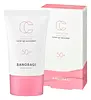 Key Ingredients
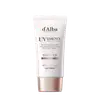
Benefits
Concerns
Ingredients Side-by-side
Water
Skin ConditioningZinc Oxide
Cosmetic Colorant


Butyloctyl Salicylate
Skin Conditioning
Cyclopentasiloxane
Emollient
Cyclohexasiloxane
Emollient
Cetyl Ethylhexanoate
EmollientButylene Glycol
Humectant

Dimethicone
Emollient
PEG-10 Dimethicone
Skin Conditioning
Niacinamide
Smoothing








CI 77891
Cosmetic ColorantPEG-9 Polydimethylsiloxyethyl Dimethicone
Emulsifying
Calamine
AbsorbentDimethicone/PEG-10/15 Crosspolymer
Sorbitan Sesquioleate
Emulsifying

Magnesium Sulfate
Disteardimonium Hectorite
StabilisingTriethoxycaprylylsilane
Dimethicone Crosspolymer
Emulsion Stabilising
Ethyl Hexanediol
SolventCeresin
Emulsion StabilisingPanthenol
Skin Conditioning
Silica Dimethyl Silylate
EmollientStearic Acid
Cleansing
Glyceryl Caprylate
EmollientSilica
Abrasive
Lauroyl Lysine
Skin Conditioning
Disodium EDTA
Adenosine
Skin Conditioning
Alumina
Abrasive
Laminaria Japonica Extract
Skin Protecting
Ulmus Davidiana Root Extract
Skin Conditioning
Aloe Barbadensis Leaf Extract
Emollient
Viola Mandshurica Flower Extract
Antioxidant
Dioscorea Japonica Root Extract
Skin Conditioning
Glycerin
Humectant
Propanediol
Solvent
Pentylene Glycol
Skin Conditioning
1,2-Hexanediol
Skin Conditioning
Sodium Hyaluronate
Humectant
Centella Asiatica Extract
Cleansing
Sodium Hyaluronate Crosspolymer
Humectant
Sodium Acetylated Hyaluronate
Humectant
Polygonum Cuspidatum Root Extract
Antioxidant
Scutellaria Baicalensis Root Extract
Astringent
Hydrolyzed Sodium Hyaluronate
Skin Conditioning
Camellia Sinensis Leaf Extract
Antimicrobial
Glycyrrhiza Glabra Root Extract
Bleaching
Ethylhexylglycerin
Skin ConditioningRosmarinus Officinalis Leaf Extract
AntimicrobialChamomilla Recutita Flower Extract
Masking
Hydrolyzed Pea Protein
EmollientPhytosterols
Skin Conditioning
Lecithin
Emollient
Squalane
Emollient
Olea Europaea Fruit Oil
Masking

Ceramide NP
Skin Conditioning
Butyrospermum Parkii Butter
Skin Conditioning
Water, Zinc Oxide, Butyloctyl Salicylate, Cyclopentasiloxane, Cyclohexasiloxane, Cetyl Ethylhexanoate, Butylene Glycol, Dimethicone, PEG-10 Dimethicone, Niacinamide, CI 77891, PEG-9 Polydimethylsiloxyethyl Dimethicone, Calamine, Dimethicone/PEG-10/15 Crosspolymer, Sorbitan Sesquioleate, Magnesium Sulfate, Disteardimonium Hectorite, Triethoxycaprylylsilane, Dimethicone Crosspolymer, Ethyl Hexanediol, Ceresin, Panthenol, Silica Dimethyl Silylate, Stearic Acid, Glyceryl Caprylate, Silica, Lauroyl Lysine, Disodium EDTA, Adenosine, Alumina, Laminaria Japonica Extract, Ulmus Davidiana Root Extract, Aloe Barbadensis Leaf Extract, Viola Mandshurica Flower Extract, Dioscorea Japonica Root Extract, Glycerin, Propanediol, Pentylene Glycol, 1,2-Hexanediol, Sodium Hyaluronate, Centella Asiatica Extract, Sodium Hyaluronate Crosspolymer, Sodium Acetylated Hyaluronate, Polygonum Cuspidatum Root Extract, Scutellaria Baicalensis Root Extract, Hydrolyzed Sodium Hyaluronate, Camellia Sinensis Leaf Extract, Glycyrrhiza Glabra Root Extract, Ethylhexylglycerin, Rosmarinus Officinalis Leaf Extract, Chamomilla Recutita Flower Extract, Hydrolyzed Pea Protein, Phytosterols, Lecithin, Squalane, Olea Europaea Fruit Oil, Ceramide NP, Butyrospermum Parkii Butter
Water
Skin ConditioningDibutyl Adipate
EmollientPropanediol
Solvent
Titanium Dioxide
Cosmetic Colorant
Caprylic/Capric Triglyceride
Masking
C12-15 Alkyl Benzoate
AntimicrobialDiethylamino Hydroxybenzoyl Hexyl Benzoate
UV Filter
Caprylyl Methicone
Skin Conditioning
Ethylhexyl Triazone
UV Absorber
Niacinamide
Smoothing
Glycerin
Humectant
Diethylhexyl Butamido Triazone
UV Absorber
1,2-Hexanediol
Skin Conditioning
Pentylene Glycol
Skin Conditioning
Portulaca Oleracea Extract
Skin Conditioning
Epilobium Angustifolium Flower/Leaf/Stem Extract
Skin ConditioningRhododendron Ferrugineum Extract
MaskingCentella Asiatica Extract
Cleansing
Prunus Persica Flower Extract
MoisturisingPrunus Persica Fruit Extract
Abrasive
Prunus Serrulata Flower Extract
Skin ConditioningAloe Barbadensis Leaf Extract
Emollient
Houttuynia Cordata Extract
Skin Conditioning
Tuber Magnatum Extract
Skin ConditioningCitrus Aurantium Dulcis Oil
Masking
Citrus Nobilis Peel Oil
Masking
Sodium Hyaluronate
Humectant
Litsea Cubeba Fruit Oil
Masking
Rosa Damascena Flower Water
Masking
Betula Platyphylla Japonica Juice
Skin Conditioning
Panthenol
Skin Conditioning
Polyhydroxystearic Acid
Emulsifying
Dimethicone/Vinyl Dimethicone Crosspolymer
Skin Conditioning
Vp/Eicosene Copolymer
Dimethiconol
Emollient
Trisiloxane
Skin Conditioning
Coco-Caprylate/Caprate
Emollient
Stearic Acid
Cleansing
Sodium Polyacryloyldimethyl Taurate
Emulsion StabilisingAmmonium Polyacryloyldimethyl Taurate
Emulsion StabilisingAlumina
Abrasive
Hydroxypropyl Methylcellulose Stearoxy Ether
Dicaprylyl Carbonate
EmollientXanthan Gum
EmulsifyingEthylhexylglycerin
Skin ConditioningAdenosine
Skin Conditioning
Sodium Polyacrylate
Absorbent
Triethoxycaprylylsilane
T-Butyl Alcohol
Perfuming

Pvm/Ma Copolymer
Emulsion StabilisingPolyether-1
Hydrolyzed Hyaluronic Acid
Humectant
Allantoin
Skin Conditioning
Butylene Glycol
Humectant
Tocopherol
Antioxidant
Disodium Phosphate
BufferingCitric Acid
Buffering

Caprylyl Glycol
Emollient
CI 77492
Cosmetic ColorantCI 77491
Cosmetic ColorantLimonene
Perfuming


Citral
Perfuming
Water, Dibutyl Adipate, Propanediol, Titanium Dioxide, Caprylic/Capric Triglyceride, C12-15 Alkyl Benzoate, Diethylamino Hydroxybenzoyl Hexyl Benzoate, Caprylyl Methicone, Ethylhexyl Triazone, Niacinamide, Glycerin, Diethylhexyl Butamido Triazone, 1,2-Hexanediol, Pentylene Glycol, Portulaca Oleracea Extract, Epilobium Angustifolium Flower/Leaf/Stem Extract, Rhododendron Ferrugineum Extract, Centella Asiatica Extract, Prunus Persica Flower Extract, Prunus Persica Fruit Extract, Prunus Serrulata Flower Extract, Aloe Barbadensis Leaf Extract, Houttuynia Cordata Extract, Tuber Magnatum Extract, Citrus Aurantium Dulcis Oil, Citrus Nobilis Peel Oil, Sodium Hyaluronate, Litsea Cubeba Fruit Oil, Rosa Damascena Flower Water, Betula Platyphylla Japonica Juice, Panthenol, Polyhydroxystearic Acid, Dimethicone/Vinyl Dimethicone Crosspolymer, Vp/Eicosene Copolymer, Dimethiconol, Trisiloxane, Coco-Caprylate/Caprate, Stearic Acid, Sodium Polyacryloyldimethyl Taurate, Ammonium Polyacryloyldimethyl Taurate, Alumina, Hydroxypropyl Methylcellulose Stearoxy Ether, Dicaprylyl Carbonate, Xanthan Gum, Ethylhexylglycerin, Adenosine, Sodium Polyacrylate, Triethoxycaprylylsilane, T-Butyl Alcohol, Pvm/Ma Copolymer, Polyether-1, Hydrolyzed Hyaluronic Acid, Allantoin, Butylene Glycol, Tocopherol, Disodium Phosphate, Citric Acid, Caprylyl Glycol, CI 77492, CI 77491, Limonene, Citral
Reviews
Ingredients Explained
These ingredients are found in both products.
Ingredients higher up in an ingredient list are typically present in a larger amount.
1,2-Hexanediol is a synthetic liquid and another multi-functional powerhouse.
It is a:
- Humectant, drawing moisture into the skin
- Emollient, helping to soften skin
- Solvent, dispersing and stabilizing formulas
- Preservative booster, enhancing the antimicrobial activity of other preservatives
Adenosine is in every living organism. It is one of four components in nucleic acids that helps store our DNA.
Adenosine has many benefits when used. These benefits include hydrating the skin, smoothing skin, and reducing wrinkles. Once applied, adenosine increases collagen production. It also helps with improving firmness and tissue repair.
Studies have found adenosine may also help with wound healing.
In skincare products, Adenosine is usually derived from yeast.
Learn more about AdenosineAloe Barbadensis Leaf Extract is an extract of the leaves of the aloe, Aloe barbadensis, Liliaceae.
Aloe is one of the most well-known natural soothing ingredients, and for good reason. It’s full of water and has a cooling, calming effect on the skin, especially when it’s sunburned, itchy, or irritated. Aloe also helps your skin stay hydrated and smooth by mimicking what healthy skin naturally produces. On top of that, it contains vitamins and nutrients that support skin recovery.
It doesn’t protect you from the sun, but it can help your skin bounce back after too much time in it.
Let’s get into the details:
Aloe contains antioxidant Vitamins A, C, and E, which help fight off free radicals (unstable molecules from things like pollution that can damage your skin).
It’s also rich in polysaccharides, which are natural sugars that help hydrate the skin by acting like the skin’s own moisturizing agents. These, along with other sugars like monosaccharides, help form a protective barrier that locks in moisture.
Aloe works as both a humectant and an emollient. That means it draws water into the skin (humectant) and helps trap it there (emollient), making it an effective natural moisturizer.
You’ll also find a mix of other skin-supporting ingredients in aloe, including folic acid, choline, calcium, amino acids, fatty acids, and even Vitamin B12.
Out of the 420+ species of aloe, Aloe barbadensis is the most widely used in skincare products thanks to its gentle yet effective properties.
There are over 420 species of aloe but Aloe Barbadensis is the most commonly used for topical products.
Learn more about Aloe Barbadensis Leaf ExtractAlumina is another name for the compound aluminum oxide. It is a white powder used as a thickener, absorbent, and abrasive.
As an absorbent, alumina can give a mattifying effect. It is used in mineral sunscreens to help coat nano-sized filters, such as titanium dioxide. By increasing the size of the UV filters, these ingredients stay on the skin for a longer time. By coating small sized ingredients, alumina helps thicken a product.
Alumina may be used as an abrasive, or exfoliant.
Alumina is naturally occurring in the mineral corundum. Certain varieties of corundum create rubies and sapphires. Corundum is also the crystalline form of alumina.
Learn more about AluminaButylene Glycol (or BG) is used within cosmetic products for a few different reasons:
Overall, Butylene Glycol is a safe and well-rounded ingredient that works well with other ingredients.
Though this ingredient works well with most skin types, some people with sensitive skin may experience a reaction such as allergic rashes, closed comedones, or itchiness.
Learn more about Butylene GlycolCentella Asiatica Extract (Centella) is derived from an herb native to Southeast Asia. It is famous for its anti-inflammatory and soothing properties.
Centella is rich in antioxidants and amino acids, such as Madecassic Acid and Asiaticoside.
Studies show the compounds in centella help with:
The combination of all these properties makes centella effective at soothing, hydrating, and protecting the skin.
Other great components of centella include Vitamin A, vitamin C, several B vitamins, and Asiatic Acid.
Fun fact: Centella has been used as a medicine and in food for many centuries. As a medicine, it is used to treat burns, scratches, and wounds.
Learn more about Centella Asiatica ExtractEthylhexylglycerin is created from glycerin. It is a multitasker ingredient that:
The CIR Expert Panel found minimal skin absorption or sensitization of any kind in a safety assessment. Though this ingredient is considered well-tolerated, a small number of cases of allergic dermatitis have been published since 2002. Just be sure to patch test if you are unsure.
Industry-reported use ranges from 8% in rinse-off products and 2% in leave-on formulations.
Learn more about EthylhexylglycerinGlycerin (or glycerol) is a compound naturally found in your skin. It's a powerhouse humectant that pulls water into the stratum corneum.
Topically, glycerin does several things at once:
Your skin makes glycerin on its own (mostly from sebaceous oil breakdown) and shuttles it to your outermost layer of skin, or your epidermis, via aquaporin-3.
Aquaporin-3 is a transporter that is essential for normal skin hydration, elasticity, and repair. Interestingly, mice lacking in AQP3 have dry and less elastic skin that can be fully corrected with glycerin.
This ingredient is non-irritating, plays well with almost every ingredient, and works across all skin types. Typical use is anywhere between 3-10% but can go up to 79% in some leave-on products.
Just know very high concentrations (>40%) can feel tacky in low humidity.
Glycerin is the name for this ingredient in American English. British English uses Glycerol/Glycerine.
Learn more about GlycerinNiacinamide is a multitasking form of vitamin B3 that strengthens the skin barrier, reduces pores and dark spots, regulates oil, and improves signs of aging.
And the best part? It's gentle and well-tolerated by most skin types, including sensitive and reactive skin.
You might have heard of "niacin flush", or the reddening of skin that causes itchiness. Niacinamide has not been found to cause this.
In very rare cases, some individuals may not be able to tolerate niacinamide at all or experience an allergic reaction to it.
If you are experiencing flaking, irritation, and dryness with this ingredient, be sure to double check all your products as this ingredient can be found in all categories of skincare.
When incorporating niacinamide into your routine, look out for concentration amounts. Typically, 5% niacinamide provides benefits such as fading dark spots. However, if you have sensitive skin, it is better to begin with a smaller concentration.
When you apply niacinamide to your skin, your body converts it into nicotinamide adenine dinucleotide (NAD). NAD is an essential coenzyme that is already found in your cells as "fuel" and powers countless biological processes.
In your skin, NAD helps repair cell damage, produce new healthy cells, support collagen production, strengthen the skin barrier, and fight environmental stressors (like UV and pollution).
Our natural NAD levels start to decline with age, leading to slower skin repair, visible aging, and a weaker skin barrier. By providing your skin niacinamide, you're recharging your skin's NAD levels. This leads to stronger, healthier, and younger looking skin.
Another name for vitamin B3 is nicotinamide. This vitamin is water-soluble and our bodies don't store it. We obtain Vitamin B3 from either food or skincare. Meat, fish, wheat, yeast, and leafy greens contain vitamin B3.
The type of niacinamide used in skincare is synthetically created.
Learn more about NiacinamidePanthenol is a common ingredient that helps hydrate and soothe the skin. It is found naturally in our skin and hair.
There are two forms of panthenol: D and L.
D-panthenol is also known as dexpanthenol. Most cosmetics use dexpanthenol or a mixture of D and L-panthenol.
Panthenol is famous due to its ability to go deeper into the skin's layers. Using this ingredient has numerous pros (and no cons):
Like hyaluronic acid, panthenol is a humectant. Humectants are able to bind and hold large amounts of water to keep skin hydrated.
This ingredient works well for wound healing. It works by increasing tissue in the wound and helps close open wounds.
Once oxidized, panthenol converts to pantothenic acid. Panthothenic acid is found in all living cells.
This ingredient is also referred to as pro-vitamin B5.
Learn more about PanthenolPentylene glycol is typically used within a product to thicken it. It also adds a smooth, soft, and moisturizing feel to the product. It is naturally found in plants such as sugar beets.
The hydrophilic trait of Pentylene Glycol makes it a humectant. As a humectant, Pentylene Glycol helps draw moisture from the air to your skin. This can help keep your skin hydrated.
This property also makes Pentylene Glycol a great texture enhancer. It can also help thicken or stabilize a product.
Pentylene Glycol also acts as a mild preservative and helps to keep a product microbe-free.
Some people may experience mild eye and skin irritation from Pentylene Glycol. We always recommend speaking with a professional about using this ingredient in your routine.
Pentylene Glycol has a low molecular weight and is part of the 1,2-glycol family.
Learn more about Pentylene GlycolPropanediol is an all-star ingredient. It softens, hydrates, and smooths the skin.
It’s often used to:
Propanediol is not likely to cause sensitivity and considered safe to use. It is derived from corn or petroleum with a clear color and no scent.
Learn more about PropanediolSodium Hyaluronate is the salt form of hyaluronic acid. It is a long sugar chain that is naturally found in your skin, joints, and connective tissue that maintains hydration and elasticity.
In skincare, it works as a humectant. It pulls water from the environment and deeper layers of skin and binds it to the surface.
Interestingly, the size of the molecule affects its behavior:
Some clinical evidence links low molecular weight versions to improved wrinkle depth, elasticity, anti-inflammatory effects, and barrier repair.
Many serums use a blend of both weights so you can get surface hydration plus longer-lasting and deeper effects.
You'll typically see concentrations between 0.1-2% for this ingredient.
Learn more about Sodium HyaluronateStearic Acid is a fatty acid that is already found in your skin. It's one of the free fatty acids that works alongside ceramides and cholesterols to maintain your barrier.
In cosmetics, it is a multitasker:
Safety-wise, the CIR Expert Panel has concluded it to be safe in cosmetics when formulated to be non-irritating and non-sensitizing.
Free stearic acid is a C18 fatty acid that the Malassezia yeast can substrate, so this ingredient may not be fungal acne safe.
Learn more about Stearic AcidTriethoxycaprylylsilane is a silicon-based surface modifier that makes sunscreens feel silky and makeup stay put.
Its main job is to coat mineral particles like titanium dioxide, zinc oxide, and color pigments in a thin, oily layer so they spread smoothly, don't clump, and stick to skin better.
This ingredient is typically used at low levels (up to 2.5% in eyeshadow and 1% in lipstick).
Learn more about TriethoxycaprylylsilaneWater. It's the most common cosmetic ingredient of all. You'll usually see it at the top of ingredient lists, meaning that it makes up the largest part of the product.
So why is it so popular? Water most often acts as a solvent - this means that it helps dissolve other ingredients into the formulation.
You'll also recognize water as that liquid we all need to stay alive. If you see this, drink a glass of water. Remember to stay hydrated!
Learn more about Water
