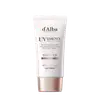
This hybrid sunscreen covers the full UV range and blocks ~98% of UVB at SPF 50.
This chemical sunscreen covers most of the UV range, lighter on the deep UVA that drives aging.

What's inside
What's inside
 Key Ingredients
Benefits
Concerns
Ingredients Side-by-side
Water
Skin ConditioningDibutyl Adipate
EmollientPropanediol
Solvent

Titanium Dioxide
Cosmetic Colorant

Caprylic/Capric Triglyceride
Masking
C12-15 Alkyl Benzoate
AntimicrobialDiethylamino Hydroxybenzoyl Hexyl Benzoate
UV Filter
Caprylyl Methicone
Skin Conditioning
Ethylhexyl Triazone
UV Absorber
Niacinamide
Smoothing










Glycerin
Humectant
Diethylhexyl Butamido Triazone
UV Absorber
1,2-Hexanediol
Skin Conditioning
Pentylene Glycol
Skin Conditioning
Portulaca Oleracea Extract
Skin Conditioning
Epilobium Angustifolium Flower/Leaf/Stem Extract
Skin ConditioningRhododendron Ferrugineum Extract
MaskingCentella Asiatica Extract
Cleansing
Prunus Persica Flower Extract
MoisturisingPrunus Persica Fruit Extract
Abrasive
Prunus Serrulata Flower Extract
Skin ConditioningAloe Barbadensis Leaf Extract
Emollient
Houttuynia Cordata Extract
Skin Conditioning
Tuber Magnatum Extract
Skin ConditioningCitrus Aurantium Dulcis Oil
Masking
Citrus Nobilis Peel Oil
Masking
Sodium Hyaluronate
Humectant
Litsea Cubeba Fruit Oil
Masking


Rosa Damascena Flower Water
Masking
Betula Platyphylla Japonica Juice
Skin Conditioning
Panthenol
Skin Conditioning
Polyhydroxystearic Acid
Emulsifying

Dimethicone/Vinyl Dimethicone Crosspolymer
Skin Conditioning
Vp/Eicosene Copolymer
Dimethiconol
Emollient
Trisiloxane
Skin Conditioning
Coco-Caprylate/Caprate
Emollient
Stearic Acid
Cleansing
Sodium Polyacryloyldimethyl Taurate
Emulsion StabilisingAmmonium Polyacryloyldimethyl Taurate
Emulsion StabilisingAlumina
Abrasive
Hydroxypropyl Methylcellulose Stearoxy Ether
Dicaprylyl Carbonate
EmollientXanthan Gum
EmulsifyingEthylhexylglycerin
Skin ConditioningAdenosine
Skin Conditioning
Sodium Polyacrylate
Absorbent
Triethoxycaprylylsilane
T-Butyl Alcohol
Perfuming



Pvm/Ma Copolymer
Emulsion StabilisingPolyether-1
Hydrolyzed Hyaluronic Acid
Humectant
Allantoin
Skin Conditioning
Butylene Glycol
Humectant
Tocopherol
Antioxidant

Disodium Phosphate
BufferingCitric Acid
Buffering
Caprylyl Glycol
Emollient
CI 77492
Cosmetic ColorantCI 77491
Cosmetic ColorantLimonene
Perfuming
Citral
Perfuming
Water, Dibutyl Adipate, Propanediol, Titanium Dioxide, Caprylic/Capric Triglyceride, C12-15 Alkyl Benzoate, Diethylamino Hydroxybenzoyl Hexyl Benzoate, Caprylyl Methicone, Ethylhexyl Triazone, Niacinamide, Glycerin, Diethylhexyl Butamido Triazone, 1,2-Hexanediol, Pentylene Glycol, Portulaca Oleracea Extract, Epilobium Angustifolium Flower/Leaf/Stem Extract, Rhododendron Ferrugineum Extract, Centella Asiatica Extract, Prunus Persica Flower Extract, Prunus Persica Fruit Extract, Prunus Serrulata Flower Extract, Aloe Barbadensis Leaf Extract, Houttuynia Cordata Extract, Tuber Magnatum Extract, Citrus Aurantium Dulcis Oil, Citrus Nobilis Peel Oil, Sodium Hyaluronate, Litsea Cubeba Fruit Oil, Rosa Damascena Flower Water, Betula Platyphylla Japonica Juice, Panthenol, Polyhydroxystearic Acid, Dimethicone/Vinyl Dimethicone Crosspolymer, Vp/Eicosene Copolymer, Dimethiconol, Trisiloxane, Coco-Caprylate/Caprate, Stearic Acid, Sodium Polyacryloyldimethyl Taurate, Ammonium Polyacryloyldimethyl Taurate, Alumina, Hydroxypropyl Methylcellulose Stearoxy Ether, Dicaprylyl Carbonate, Xanthan Gum, Ethylhexylglycerin, Adenosine, Sodium Polyacrylate, Triethoxycaprylylsilane, T-Butyl Alcohol, Pvm/Ma Copolymer, Polyether-1, Hydrolyzed Hyaluronic Acid, Allantoin, Butylene Glycol, Tocopherol, Disodium Phosphate, Citric Acid, Caprylyl Glycol, CI 77492, CI 77491, Limonene, Citral
Butyl Methoxydibenzoylmethane 3%
UV Absorber
Homosalate 7%
Skin Conditioning
Ethylhexyl Salicylate 5%
UV Absorber
Octocrylene 5%
UV Absorber
Water
Skin ConditioningButyloctyl Salicylate
Skin Conditioning
Glycerin
Humectant
Dimethicone
Emollient
Poly C10-30 Alkyl Acrylate
Emulsion StabilisingVp/Eicosene Copolymer
Cetearyl Alcohol
Emollient
Niacinamide
Smoothing
Ammonium Polyacryloyldimethyl Taurate
Emulsion StabilisingSodium Stearoyl Glutamate
CleansingHydroxyacetophenone
Antioxidant
Phenoxyethanol
Preservative
Tocopheryl Acetate
Antioxidant
Panthenol
Skin Conditioning
Pentaerythrityl Tetra-Di-T-Butyl Hydroxyhydrocinnamate
Antioxidant
Xanthan Gum
EmulsifyingPropanediol
Solvent
Trisodium Ethylenediamine Disuccinate
Chelating1,2-Hexanediol
Skin Conditioning
Lactobacillus/Pear Juice Ferment Filtrate
Skin ConditioningLactobacillus/Punica Granatum Fruit Ferment Extract
Antioxidant
Lactobacillus/Soybean Ferment Extract
Skin ConditioningSaccharomyces/Barley Seed Ferment Filtrate
HumectantSodium Hyaluronate
Humectant
Butyl Methoxydibenzoylmethane 3%, Homosalate 7%, Ethylhexyl Salicylate 5%, Octocrylene 5%, Water, Butyloctyl Salicylate, Glycerin, Dimethicone, Poly C10-30 Alkyl Acrylate, Vp/Eicosene Copolymer, Cetearyl Alcohol, Niacinamide, Ammonium Polyacryloyldimethyl Taurate, Sodium Stearoyl Glutamate, Hydroxyacetophenone, Phenoxyethanol, Tocopheryl Acetate, Panthenol, Pentaerythrityl Tetra-Di-T-Butyl Hydroxyhydrocinnamate, Xanthan Gum, Propanediol, Trisodium Ethylenediamine Disuccinate, 1,2-Hexanediol, Lactobacillus/Pear Juice Ferment Filtrate, Lactobacillus/Punica Granatum Fruit Ferment Extract, Lactobacillus/Soybean Ferment Extract, Saccharomyces/Barley Seed Ferment Filtrate, Sodium Hyaluronate
Reviews
Ingredients Explained
These ingredients are found in both products.
Ingredients higher up in an ingredient list are typically present in a larger amount.
1,2-Hexanediol is a synthetic liquid and another multi-functional powerhouse.
It is a:
- Humectant, drawing moisture into the skin
- Emollient, helping to soften skin
- Solvent, dispersing and stabilizing formulas
- Preservative booster, enhancing the antimicrobial activity of other preservatives
Ammonium Polyacryloyldimethyl Taurate is a polymer made from ammonium salts. It works as a thickener, emulsifier, and texture enhancer that gives gel-creams a silky, lightweight feel.
This ingredient is versatile and low-maintenance so manufacturers love working with it.
Typical usage levels in cosmetics are usually low and in the range of 0.015 - 2.3%.
Learn more about Ammonium Polyacryloyldimethyl TaurateGlycerin (or glycerol) is a compound naturally found in your skin. It's a powerhouse humectant that pulls water into the stratum corneum.
Topically, glycerin does several things at once:
Your skin makes glycerin on its own (mostly from sebaceous oil breakdown) and shuttles it to your outermost layer of skin, or your epidermis, via aquaporin-3.
Aquaporin-3 is a transporter that is essential for normal skin hydration, elasticity, and repair. Interestingly, mice lacking in AQP3 have dry and less elastic skin that can be fully corrected with glycerin.
This ingredient is non-irritating, plays well with almost every ingredient, and works across all skin types. Typical use is anywhere between 3-10% but can go up to 79% in some leave-on products.
Just know very high concentrations (>40%) can feel tacky in low humidity.
Glycerin is the name for this ingredient in American English. British English uses Glycerol/Glycerine.
Learn more about GlycerinNiacinamide is a multitasking form of vitamin B3 that strengthens the skin barrier, reduces pores and dark spots, regulates oil, and improves signs of aging.
And the best part? It's gentle and well-tolerated by most skin types, including sensitive and reactive skin.
You might have heard of "niacin flush", or the reddening of skin that causes itchiness. Niacinamide has not been found to cause this.
In very rare cases, some individuals may not be able to tolerate niacinamide at all or experience an allergic reaction to it.
If you are experiencing flaking, irritation, and dryness with this ingredient, be sure to double check all your products as this ingredient can be found in all categories of skincare.
When incorporating niacinamide into your routine, look out for concentration amounts. Typically, 5% niacinamide provides benefits such as fading dark spots. However, if you have sensitive skin, it is better to begin with a smaller concentration.
When you apply niacinamide to your skin, your body converts it into nicotinamide adenine dinucleotide (NAD). NAD is an essential coenzyme that is already found in your cells as "fuel" and powers countless biological processes.
In your skin, NAD helps repair cell damage, produce new healthy cells, support collagen production, strengthen the skin barrier, and fight environmental stressors (like UV and pollution).
Our natural NAD levels start to decline with age, leading to slower skin repair, visible aging, and a weaker skin barrier. By providing your skin niacinamide, you're recharging your skin's NAD levels. This leads to stronger, healthier, and younger looking skin.
Another name for vitamin B3 is nicotinamide. This vitamin is water-soluble and our bodies don't store it. We obtain Vitamin B3 from either food or skincare. Meat, fish, wheat, yeast, and leafy greens contain vitamin B3.
The type of niacinamide used in skincare is synthetically created.
Learn more about NiacinamidePanthenol is a common ingredient that helps hydrate and soothe the skin. It is found naturally in our skin and hair.
There are two forms of panthenol: D and L.
D-panthenol is also known as dexpanthenol. Most cosmetics use dexpanthenol or a mixture of D and L-panthenol.
Panthenol is famous due to its ability to go deeper into the skin's layers. Using this ingredient has numerous pros (and no cons):
Like hyaluronic acid, panthenol is a humectant. Humectants are able to bind and hold large amounts of water to keep skin hydrated.
This ingredient works well for wound healing. It works by increasing tissue in the wound and helps close open wounds.
Once oxidized, panthenol converts to pantothenic acid. Panthothenic acid is found in all living cells.
This ingredient is also referred to as pro-vitamin B5.
Learn more about PanthenolPropanediol is an all-star ingredient. It softens, hydrates, and smooths the skin.
It’s often used to:
Propanediol is not likely to cause sensitivity and considered safe to use. It is derived from corn or petroleum with a clear color and no scent.
Learn more about PropanediolSodium Hyaluronate is the salt form of hyaluronic acid. It is a long sugar chain that is naturally found in your skin, joints, and connective tissue that maintains hydration and elasticity.
In skincare, it works as a humectant. It pulls water from the environment and deeper layers of skin and binds it to the surface.
Interestingly, the size of the molecule affects its behavior:
Some clinical evidence links low molecular weight versions to improved wrinkle depth, elasticity, anti-inflammatory effects, and barrier repair.
Many serums use a blend of both weights so you can get surface hydration plus longer-lasting and deeper effects.
You'll typically see concentrations between 0.1-2% for this ingredient.
Learn more about Sodium HyaluronateWe don't have a description for Vp/Eicosene Copolymer yet.
Water. It's the most common cosmetic ingredient of all. You'll usually see it at the top of ingredient lists, meaning that it makes up the largest part of the product.
So why is it so popular? Water most often acts as a solvent - this means that it helps dissolve other ingredients into the formulation.
You'll also recognize water as that liquid we all need to stay alive. If you see this, drink a glass of water. Remember to stay hydrated!
Learn more about WaterXanthan gum is used as a stabilizer and thickener within cosmetic products. It helps give products a sticky, thick feeling - preventing them from being too runny.
On the technical side of things, xanthan gum is a polysaccharide - a combination consisting of multiple sugar molecules bonded together.
Xanthan gum is a pretty common and great ingredient. It is a natural, non-toxic, non-irritating ingredient that is also commonly used in food products.
Learn more about Xanthan Gum

