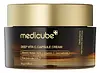
This brightening moisturizer is formulated around Niacinamide and Glutathione to fade the look of dark spots and brighten dull-looking skin.
This brightening moisturizer is formulated around Niacinamide and Ascorbic Acid to brighten dull-looking skin and fade the look of dark spots.

What's inside
What's inside
 Key Ingredients
Benefits
Concerns
Ingredients Side-by-side
Water
Skin ConditioningDipropylene Glycol
HumectantGlycerin
Humectant


Niacinamide
Smoothing









Octyldodecanol
Emollient
Helianthus Annuus Seed Oil
Emollient


Butylene Glycol
Humectant
Trehalose
Humectant
Pentylene Glycol
Skin Conditioning
1,2-Hexanediol
Skin Conditioning
Eriobotrya Japonica Leaf Extract
Skin ConditioningCoptis Japonica Root Extract
Skin ConditioningMentha Piperita Extract
CleansingSodium Hyaluronate
Humectant
Theobroma Cacao Extract
Skin ConditioningCentella Asiatica Leaf Extract
Skin Conditioning
Argania Spinosa Kernel Oil
Emollient
Sesamum Indicum Seed Oil
Emollient

Chitosan
Euterpe Oleracea Fruit Extract
Caprylyl Methicone
Skin Conditioning
Panthenol
Skin Conditioning
Polymethylsilsesquioxane
Propanediol
Solvent
Hydroxyethyl Acrylate/Sodium Acryloyldimethyl Taurate Copolymer
Emulsion StabilisingCetearyl Olivate
Polyglyceryl-10 Behenate/Eicosadioate
EmulsifyingAmmonium Acryloyldimethyltaurate/Vp Copolymer
Sorbitan Olivate
Emulsifying
Acrylates/C10-30 Alkyl Acrylate Crosspolymer
Emulsion StabilisingTromethamine
BufferingEthylhexylglycerin
Skin ConditioningSorbitan Isostearate
Emulsifying
Adenosine
Skin Conditioning
Palmitic Acid
Emollient
Hydrogenated Lecithin
Emulsifying
Glutathione
Phosphatidylcholine
EmulsifyingPolyglyceryl-10 Laurate
Skin Conditioning
Dilauryl Thiodipropionate
Antioxidant
Pentaerythrityl Tetra-Di-T-Butyl Hydroxyhydrocinnamate
Antioxidant
Sodium Phytate
Allantoin
Skin Conditioning
Madecassoside
Antioxidant
Lecithin
Emollient
Cellulose
Absorbent
Sodium Phosphate
BufferingPolyglutamic Acid
Skin Conditioning
Dextrin
AbsorbentAsiaticoside
Antioxidant
Cysteine
Antioxidant
Tocopherol
Antioxidant
3-O-Ethyl Ascorbic Acid
Skin Conditioning
Arbutin
Antioxidant
Bisabolol
Antioxidant
Sh-Oligopeptide-1
Skin Conditioning
Sh-Oligopeptide-2
Skin Conditioning
Sh-Polypeptide-1
Skin Conditioning
Sh-Polypeptide-10
Skin Conditioning
Sh-Polypeptide-11
Sh-Polypeptide-3
Skin Conditioning
Sh-Polypeptide-59
Skin Conditioning
Sh-Polypeptide-9
Skin Conditioning
Cholesterol
Emollient
Ascorbic Acid
Antioxidant
Beta-Sitosterol
Emulsion Stabilising
Ascorbyl Glucoside
Antioxidant
Ceramide NP
Skin Conditioning
Xanthan Gum
EmulsifyingC12-16 Alcohols
EmollientWater, Dipropylene Glycol, Glycerin, Niacinamide, Octyldodecanol, Helianthus Annuus Seed Oil, Butylene Glycol, Trehalose, Pentylene Glycol, 1,2-Hexanediol, Eriobotrya Japonica Leaf Extract, Coptis Japonica Root Extract, Mentha Piperita Extract, Sodium Hyaluronate, Theobroma Cacao Extract, Centella Asiatica Leaf Extract, Argania Spinosa Kernel Oil, Sesamum Indicum Seed Oil, Chitosan, Euterpe Oleracea Fruit Extract, Caprylyl Methicone, Panthenol, Polymethylsilsesquioxane, Propanediol, Hydroxyethyl Acrylate/Sodium Acryloyldimethyl Taurate Copolymer, Cetearyl Olivate, Polyglyceryl-10 Behenate/Eicosadioate, Ammonium Acryloyldimethyltaurate/Vp Copolymer, Sorbitan Olivate, Acrylates/C10-30 Alkyl Acrylate Crosspolymer, Tromethamine, Ethylhexylglycerin, Sorbitan Isostearate, Adenosine, Palmitic Acid, Hydrogenated Lecithin, Glutathione, Phosphatidylcholine, Polyglyceryl-10 Laurate, Dilauryl Thiodipropionate, Pentaerythrityl Tetra-Di-T-Butyl Hydroxyhydrocinnamate, Sodium Phytate, Allantoin, Madecassoside, Lecithin, Cellulose, Sodium Phosphate, Polyglutamic Acid, Dextrin, Asiaticoside, Cysteine, Tocopherol, 3-O-Ethyl Ascorbic Acid, Arbutin, Bisabolol, Sh-Oligopeptide-1, Sh-Oligopeptide-2, Sh-Polypeptide-1, Sh-Polypeptide-10, Sh-Polypeptide-11, Sh-Polypeptide-3, Sh-Polypeptide-59, Sh-Polypeptide-9, Cholesterol, Ascorbic Acid, Beta-Sitosterol, Ascorbyl Glucoside, Ceramide NP, Xanthan Gum, C12-16 Alcohols
Hippophae Rhamnoides Water
Masking
Glycerin
Humectant
Water
Skin ConditioningNiacinamide
Smoothing
Methylpropanediol
SolventPropanediol
Solvent
1,2-Hexanediol
Skin Conditioning
Butylene Glycol
Humectant
Dipropylene Glycol
HumectantCaprylic/Capric Triglyceride
Masking
Glycereth-26
Humectant
Ethylhexyl Palmitate
Emollient
Cetearyl Alcohol
Emollient
Arginine
Masking
Carbomer
Emulsion StabilisingAmmonium Acryloyldimethyltaurate/Vp Copolymer
Cetearyl Olivate
Helianthus Annuus Seed Oil
Emollient
Sorbitan Olivate
Emulsifying
Simethicone
Emollient
Polyglyceryl-10 Laurate
Skin Conditioning
Ethylhexylglycerin
Skin ConditioningAdenosine
Skin Conditioning
Parfum
Masking

Polyacrylate-13
Glycine Soja Oil
Emollient
Disodium EDTA
Polyisobutene
Hydrolyzed Sclerotium Gum
HumectantGlyceryl Stearate
Emollient
Gluconolactone
Skin Conditioning
Polysorbate 20
Emulsifying
Sorbitan Isostearate
Emulsifying
Hydrogenated Lecithin
Emulsifying
Bixa Orellana Seed Oil
Emollient
Polyglyceryl-10 Stearate
Skin Conditioning
Alpha-Arbutin
Antioxidant
Panthenol
Skin Conditioning
Sodium Ascorbyl Phosphate
Antioxidant
Pentylene Glycol
Skin Conditioning
Ferulic Acid
Antimicrobial
Tocopherol
Antioxidant
Ascorbyl Glucoside
Antioxidant
3-O-Ethyl Ascorbic Acid
Skin Conditioning
Bisabolol
Antioxidant
Ascorbic Acid
Antioxidant
Hydroxyphenyl Propamidobenzoic Acid
Skin ConditioningPyridoxine
Skin ConditioningUbiquinone
Antioxidant
Biotin
AntiseborrhoeicFolic Acid
Skin ConditioningSodium Hyaluronate
Humectant
Ascorbyl Propyl Hyaluronate
Skin Conditioning
Ascorbyl Palmitate
Antioxidant
Cyanocobalamin
Skin ConditioningThiamine Hcl
MaskingRiboflavin
Cosmetic ColorantLinoleic Acid
Cleansing
Beta-Carotene
Skin ConditioningRutin
Antioxidant
Hydroxycinnamic Acid
Skin ConditioningHippophae Rhamnoides Water, Glycerin, Water, Niacinamide, Methylpropanediol, Propanediol, 1,2-Hexanediol, Butylene Glycol, Dipropylene Glycol, Caprylic/Capric Triglyceride, Glycereth-26, Ethylhexyl Palmitate, Cetearyl Alcohol, Arginine, Carbomer, Ammonium Acryloyldimethyltaurate/Vp Copolymer, Cetearyl Olivate, Helianthus Annuus Seed Oil, Sorbitan Olivate, Simethicone, Polyglyceryl-10 Laurate, Ethylhexylglycerin, Adenosine, Parfum, Polyacrylate-13, Glycine Soja Oil, Disodium EDTA, Polyisobutene, Hydrolyzed Sclerotium Gum, Glyceryl Stearate, Gluconolactone, Polysorbate 20, Sorbitan Isostearate, Hydrogenated Lecithin, Bixa Orellana Seed Oil, Polyglyceryl-10 Stearate, Alpha-Arbutin, Panthenol, Sodium Ascorbyl Phosphate, Pentylene Glycol, Ferulic Acid, Tocopherol, Ascorbyl Glucoside, 3-O-Ethyl Ascorbic Acid, Bisabolol, Ascorbic Acid, Hydroxyphenyl Propamidobenzoic Acid, Pyridoxine, Ubiquinone, Biotin, Folic Acid, Sodium Hyaluronate, Ascorbyl Propyl Hyaluronate, Ascorbyl Palmitate, Cyanocobalamin, Thiamine Hcl, Riboflavin, Linoleic Acid, Beta-Carotene, Rutin, Hydroxycinnamic Acid
Reviews
Ingredients Explained
These ingredients are found in both products.
Ingredients higher up in an ingredient list are typically present in a larger amount.
1,2-Hexanediol is a synthetic liquid and another multi-functional powerhouse.
It is a:
- Humectant, drawing moisture into the skin
- Emollient, helping to soften skin
- Solvent, dispersing and stabilizing formulas
- Preservative booster, enhancing the antimicrobial activity of other preservatives
3-O-Ethyl Ascorbic Acid is one of the most popular "stable" vitamin C derivatives in skincare.
Plain ascorbic acid is fantastic but notoriously fragile; it browns, oxidizes, and loses potency fast. So attaching an ethyl group to the third carbon of the molecule gives it some cool perks:
In a formula, it does the 3 classic vitamin C jobs: it acts as an antioxidant, helps brighten skin tone by inhibiting tyrosinase, and supports collagen.
The evidence is reasonably solid for a cosmetic ingredient; Liao and colleagues (2018) showed it's significantly more stable than ascorbic acid while still being effective.
A 2021 study by Zerbinati and colleagues tested a serum with 30% 3-O-ethyl-l-ascorbic acid and 1% lactic acid significantly increased collagen production, reduced UVB-induced DNA damage, and decreased melanin on a reconstructed pigmented skin model.
Typical real world usage sits around 0.5-5% (and 1-2% is common for daily serums).
Amounts up to 30% have been shown to be non-irritating on human skin samples, but two isolated cases reported allergic contact dermatitis so a patch test is sensible if you have reactive skin.
Learn more about 3-O-Ethyl Ascorbic AcidAdenosine is a purine nucleoside that your body already makes in every cell. In skincare, it acts mainly as a skin conditioning and anti-aging agent.
The way it works is fairly well mapped out:
Your skin has cells called fibroblasts that build collagen (the stuff that keeps skin firm and smooth). Adenosine basically flips a switch on these cells that tells them to get to work making more collagen and other proteins. These cells slow down on their own as skin ages, so Adenosine helps give them a little nudge to keep going.
The clinical backing is pretty solid too.
A blind, randomized, placebo-controlled trial of 126 women aged 45-65 tested a 0.1% cream twice daily and found real improvements in crow's feet and frown lines using a precise 3D skin-mapping technique; these changes showed up by week 3 and held at 2 months.
A later study using Adenosine-loaded dissolving microneedle patches reported gains in wrinkle depth, dermal density, elasticity, and hydration.
On concentrations, South Korea's Ministry of Food and Drug Safety has set 0.04% as the approved functional anti-wrinkle level. You'll typically see this ingredient used somewhere in the 0.04-0.1% range since it works at low doses.
This ingredient has been found safe for cosmetics with the data showing no irritation or sensitization.
Overall, this is a great ingredient for any anti-aging routine and has no photosensitizing effect, so it suits both AM and PM use.
Learn more about AdenosineAmmonium Acryloyldimethyltaurate/Vp Copolymer is a synthetically created polymer. It's used as a film-forming agent and used to thicken the consistency of products.
Think of it as a supportive ingredient that helps your gel-creams feel silky, "cloud cream-like", and spread evenly without being greasy.
The Cosmetic Ingredient Review (CIR) Expert Panel evaluated it (along with 22 other acryloyldimethyltaurate polymers) and concluded it's:
Due to its large molecular size, it sits on the surface of skin rather than penetrating it.
Learn more about Ammonium Acryloyldimethyltaurate/Vp CopolymerAscorbic Acid is is pure Vitamin C and is the biologically active form used directly by skin.
Not only is vitamin C great for your overall health and immune system, but it also has plenty of benefits for your skin. It is best supported by academic literature for:
Topical vitamin C has been shown to help neutralize oxidative stress from UV and pollution, helping to improve photoaging and hyperpigmentation when used consistently.
One clinical study found that using 5% topical vitamin C for six months improved signs of photodamaged skin, both on the surface and in the deeper structural layers of the skin.
While vitamin C doesn’t replace sunscreen, studies show it can boost photoprotection when combined with Vitamin E and ferulic acid. These two ingredients help improve stability and protective effects.
The big downside of this ingredient is formulation difficulty. Vitamin C is prone to oxidation and doesn't penetrate the skin unless formulated correctly. Research found that vitamin C absorbs into the skin best at a low pH (< 3.5) with about 20% being the upper limit for effective absorption.
Skin levels can saturate after repeated application; this means your skin won’t keep absorbing more once it’s full of vitamin C. This is why more isn’t always better with vitamin C and why very high concentrations don’t necessarily give extra benefits.
Ascorbic acid generally works well with many skincare ingredients but can be irritating when combined with other active ingredients. Strong oxidizing acne treatments like benzoyl peroxide can reduce the effectiveness of vitamin C if they are used at the same time; they are often recommended for use at different times of day.
Read more about other types of Vitamin C:
Foods rich with vitamin C include oranges, strawberries, broccoli, bell peppers, and more. When consuming Vitamin C, your skin receives a portion of the nutrients.
Learn more about Ascorbic AcidAscorbyl Glucoside (AA-2G) is one of the most stable vitamin C derivatives out there.
It's made by attaching a glucose molecule to ascorbic acid; this glucose "cap" shields the vitamin C from air, light, heat, and metal ions that normally cause pure ascorbic acid to oxidize.
Once on your skin, the enzyme alpha-glucosidase snips off the glucose and gradually releases active ascorbic acid right where it's needed. Basically, it behaves like a slow-release pro-vitamin C with less of a stinging that high-strength ascorbic acid can cause.
The research supports the classic vitamin C benefits as well. In lab and human studies, AA-2G slowed down the skin's production of melanin (the pigment behind dark spots) and helped shield skin cells against sun damage better than ascorbyl phosphate.
These studies also showed AA-2G released vitamin C over a longer period.
A frequently cited manufacturer trial found that a 2% AA-2G face cream significantly improved wrinkle depth and skin roughness after 45 days.
And in 2009, a clinical trial showed it meaningfully lightened dark patches on the gums compared to a placebo.
There's also collagen-synthesis support (since vitamin C is a required cofactor for that) and an antioxidant effect too.
Typical usage is usually between 0.5-5% and most studies/products land around 2%.
AA-2G performs best when formulated at a mildly acidic pH (~5-7) which is much gentler than the pH that pure vitamin C demands (~2.5-3.5).
Just one thing worth knowing: the in-skin conversation rate is only about 55-60% by weight. So a 5% AA-2G product delivers roughly 2.75-3% of actual active vitamin C. On top of that, skin absorption is relatively low because the ingredient is water-soluble.
Learn more about Ascorbyl GlucosideBisabolol is a gentle skin conditioner, antioxidant, and soothing ingredient.
It's primary claim to fame is soothing and research shows topically applied bisabolol can quiet the chemical messengers that cause your skin to become inflamed, helping to sooth any irritation.
A clinical study found that applying 0.5% bisabolol daily for 8 weeks produced an average 9% decrease in skin pigmentation. Researchers found it can also suppress the process that leads to excess melanin production in skin.
In vitro studies found that bisabolol combined with propylene glycol significantly increased skin permeability by increasing lipid fluidity in the stratum corneum.
You'll likely see use concentrations quite low, usually 0.1-0.2%.
Overall, this is a well-tolerated ingredient that works well in formulas designed for sensitive, reactive, or post-procedure skin.
Learn more about BisabololButylene Glycol (or BG) is used within cosmetic products for a few different reasons:
Overall, Butylene Glycol is a safe and well-rounded ingredient that works well with other ingredients.
Though this ingredient works well with most skin types, some people with sensitive skin may experience a reaction such as allergic rashes, closed comedones, or itchiness.
Learn more about Butylene GlycolCetearyl Olivate is a plant-derived emulsifier and texture enhancer. It helps keep the oil and water phases from separating so your formulas stay stable.
You'll likely see it combined with Sorbitan Olivate (together sold as the trade name Olivem 1000). This combination generates a liquid crystal structure that closely resemble the lipid organization of the stratum corneum.
These "skin-like" liquid crystals improve skin barrier integrity and promote the delivery of actives into the skin.
This ingredient is well-tolerated and has no significant sensitization data.
Because it is derived from the fatty acids in olive oil, this ingredient may not be fungal acne safe.
Learn more about Cetearyl OlivateDipropylene Glycol is a synthetically created humectant, stabilizer, and solvent.
This ingredient helps:
Dipropylene glycol is technically an alcohol, but it belongs to the glycol family (often considered part of the ‘good’ alcohols). This means it is hydrating and gentle on skin unlike drying solvent alcohols like denatured alcohol.
As a masking agent, Dipropylene Glycol can be used to cover the smell of other ingredients. However, it does not have a scent.
Studies show Dipropylene Glycol is considered safe to use in skincare.
Learn more about Dipropylene GlycolEthylhexylglycerin is created from glycerin. It is a multitasker ingredient that:
The CIR Expert Panel found minimal skin absorption or sensitization of any kind in a safety assessment. Though this ingredient is considered well-tolerated, a small number of cases of allergic dermatitis have been published since 2002. Just be sure to patch test if you are unsure.
Industry-reported use ranges from 8% in rinse-off products and 2% in leave-on formulations.
Learn more about EthylhexylglycerinGlycerin (or glycerol) is a compound naturally found in your skin. It's a powerhouse humectant that pulls water into the stratum corneum.
Topically, glycerin does several things at once:
Your skin makes glycerin on its own (mostly from sebaceous oil breakdown) and shuttles it to your outermost layer of skin, or your epidermis, via aquaporin-3.
Aquaporin-3 is a transporter that is essential for normal skin hydration, elasticity, and repair. Interestingly, mice lacking in AQP3 have dry and less elastic skin that can be fully corrected with glycerin.
This ingredient is non-irritating, plays well with almost every ingredient, and works across all skin types. Typical use is anywhere between 3-10% but can go up to 79% in some leave-on products.
Just know very high concentrations (>40%) can feel tacky in low humidity.
Glycerin is the name for this ingredient in American English. British English uses Glycerol/Glycerine.
Learn more about GlycerinHelianthus Annuus Seed Oil is a plant oil derived from the seeds of a sunflower.
It is rich in fatty acids, primarily linoleic acid and oleic acid. This gives it emollient and skin conditioning properties.
The reason this ingredient is so effective is because it forms a thin film on the skin that reduces transepidermal water loss (TEWL) while supplying linoleic acid to the stratum corneum to improve barrier strength.
The high linoleic acid content is particularly noteworthy for acne-prone skin.
Research suggests that acne-prone skin tends to be deficient in linoleic acid in sebum. Topical application may help replenish this to support a healthier follicular environment and less comedone-promoting sebum.
One randomized study found sunflower seed oil preserved skin barrier integrity in adult volunteers with and without atopic dermatitis (outperforming olive oil).
This ingredient is well-studied, gentle, and an effective emollient suitable for most skin types.
On fungal acne: This ingredient may not be Fungal acne (Malassezia folliculitis) safe. This is because it contains fatty acids with carbon chain lengths in the C11-C24 range.
Learn more about Helianthus Annuus Seed OilHydrogenated Lecithin is a more stable version of lecithin.
It's made by taking lecithin (a phospholipid commonly found in soybeans and egg yolks) and hydrogenating it. This just means the unsaturated fatty acids are turned into saturated ones so they don't go bad as easily.
This ingredient is an emollient, emulsifier, and penetration enhancer. As an emollient, it helps soften and hydrate skin by trapping moisture within. As an emulsifier, it prevents oil and water ingredients from separating.
Hydrogenated Lecithin can form tiny spherical structures made of phospholipid bilayers called liposomes. These liposomes are able to capture compounds inside their structure and deliver them through the skin barrier.
Because phospholipids are a natural component of our cell membranes, this ingredient is inherently compatible with skin.
A 2021 study found lecithin-based surfactants were less harsh and more tolerable comared to Sodium Lauryl Sulfate (SLS).
Learn more about Hydrogenated LecithinNiacinamide is a multitasking form of vitamin B3 that strengthens the skin barrier, reduces pores and dark spots, regulates oil, and improves signs of aging.
And the best part? It's gentle and well-tolerated by most skin types, including sensitive and reactive skin.
You might have heard of "niacin flush", or the reddening of skin that causes itchiness. Niacinamide has not been found to cause this.
In very rare cases, some individuals may not be able to tolerate niacinamide at all or experience an allergic reaction to it.
If you are experiencing flaking, irritation, and dryness with this ingredient, be sure to double check all your products as this ingredient can be found in all categories of skincare.
When incorporating niacinamide into your routine, look out for concentration amounts. Typically, 5% niacinamide provides benefits such as fading dark spots. However, if you have sensitive skin, it is better to begin with a smaller concentration.
When you apply niacinamide to your skin, your body converts it into nicotinamide adenine dinucleotide (NAD). NAD is an essential coenzyme that is already found in your cells as "fuel" and powers countless biological processes.
In your skin, NAD helps repair cell damage, produce new healthy cells, support collagen production, strengthen the skin barrier, and fight environmental stressors (like UV and pollution).
Our natural NAD levels start to decline with age, leading to slower skin repair, visible aging, and a weaker skin barrier. By providing your skin niacinamide, you're recharging your skin's NAD levels. This leads to stronger, healthier, and younger looking skin.
Another name for vitamin B3 is nicotinamide. This vitamin is water-soluble and our bodies don't store it. We obtain Vitamin B3 from either food or skincare. Meat, fish, wheat, yeast, and leafy greens contain vitamin B3.
The type of niacinamide used in skincare is synthetically created.
Learn more about NiacinamidePanthenol is a common ingredient that helps hydrate and soothe the skin. It is found naturally in our skin and hair.
There are two forms of panthenol: D and L.
D-panthenol is also known as dexpanthenol. Most cosmetics use dexpanthenol or a mixture of D and L-panthenol.
Panthenol is famous due to its ability to go deeper into the skin's layers. Using this ingredient has numerous pros (and no cons):
Like hyaluronic acid, panthenol is a humectant. Humectants are able to bind and hold large amounts of water to keep skin hydrated.
This ingredient works well for wound healing. It works by increasing tissue in the wound and helps close open wounds.
Once oxidized, panthenol converts to pantothenic acid. Panthothenic acid is found in all living cells.
This ingredient is also referred to as pro-vitamin B5.
Learn more about PanthenolPentylene Glycol (1,2-pentanediol) is a multitasking little diol with three main roles in a formula:
Research on alkanediols (the family pentylene glycol belongs to) show they work by disrupting microbial cell membranes. This disruption helps the primary preservative system in a product work more effectively at lower doses.
On the safety side, the Cosmetic Ingredient Review Expert Panel has concluded this ingredient to be safe as used in current cosmetic practices + concentrations.
Typical use levels in a formula run about 1-5%.
Learn more about Pentylene GlycolPolyglyceryl-10 Laurate is a cleansing agent and emulsifier.
It rounds up dirt, oil, and grime, so they can be rinsed off easily as a cleanser.
On the emulsifier side, it keeps your formula smooth and well-mixed by playing peacekeeper for ingredients that don't naturally get along (like oil and water).
Because it has a C12 (lauric acid) fatty acid chain, this ingredient can potentially feed the Malassezia yeast that causes fungal acne. The Malassezia yeast prefers esters with C11-C24 fatty acids.
This ingredient is an ester of lauric acid and Polyglycerin-10.
Learn more about Polyglyceryl-10 LauratePropanediol is an all-star ingredient. It softens, hydrates, and smooths the skin.
It’s often used to:
Propanediol is not likely to cause sensitivity and considered safe to use. It is derived from corn or petroleum with a clear color and no scent.
Learn more about PropanediolSodium Hyaluronate is the salt form of hyaluronic acid. It is a long sugar chain that is naturally found in your skin, joints, and connective tissue that maintains hydration and elasticity.
In skincare, it works as a humectant. It pulls water from the environment and deeper layers of skin and binds it to the surface.
Interestingly, the size of the molecule affects its behavior:
Some clinical evidence links low molecular weight versions to improved wrinkle depth, elasticity, anti-inflammatory effects, and barrier repair.
Many serums use a blend of both weights so you can get surface hydration plus longer-lasting and deeper effects.
You'll typically see concentrations between 0.1-2% for this ingredient.
Learn more about Sodium HyaluronateSorbitan Isostearate is an emulsifer. It is created from isostearic acid and sorbitol.
As an emulsifier, it keeps the water and oil ingredients from separating. This keeps formulas stable and smooth.
In a 24 hour occlusive patch test on 56 subjects, 10% sorbitan isostearate was completely non-irritating. Most formulas use less than 10%.
Because it's a fatty acid ester, it may not be fungal acne safe since the Malassezia yeast can utilize it as a nutrient source.
Learn more about Sorbitan IsostearateSorbitan Olivate is created from the fatty acids in olive oil and sorbitol.
This ingredient is an oil in water emulsifier. It helps stabilize a product by preventing oils and waters from separating. Sorbitan Olivate also helps hydrate the skin.
This ingredient is also known as part of Olivem 1000, with Cetearyl Olivate being the other part.
According to a manufacturer, this ingredient helps preserve the natural microbiome of skin. Having a healthy microbiome helps keep our skin healthy and protects against harmful bacteria.
Please note, having a healthy microbiome is different from fungal acne; a healthy microbiome includes small amounts of yeast that normally live on your skin without causing problems.
Fungal acne happens when one type of yeast (Malassezia) grows out of control. This is usually because it's feeding on certain oils or fatty acids. Due to the olive oil base, this ingredient may not be fungal acne safe.
Learn more about Sorbitan OlivateTocopherol is a fat-soluble antioxidant known as Vitamin E.
You'll find this ingredient in the vast majority of skincare (for good reason). It works to neutralize free radicals, or unstable molecules generated by UV exposure, pollution, and other environmental stressors, before they can cause oxidative damage to your skin cells.
Topically applied tocopherol has been shown to protect against UV damage by ramping up the skin's own natural defense enzymes.
It also acts as a skin conditioning agent; some studies show that regular topical use can improve the skin's water-binding capacity over 2-4 weeks.
This ingredient is especially loved for being a team player. When combined with Vitamin C, the photoprotective effect of both ingredients roughly doubles and the combo also helps reduce UV-induced DNA damage.
This ingredient has some brightening potential but it's more of a prevention ingredient than spot-fader. Cell studies show it can slow down melanin production but it's worth noting that it's not the most powerful brightener out there.
In formulations, it also serves as a stabilizer that helps protect other oxidation-prone ingredients from degrading.
Concentrations usually range from 0.1-1% in most leave-on products.
Learn more about TocopherolWater. It's the most common cosmetic ingredient of all. You'll usually see it at the top of ingredient lists, meaning that it makes up the largest part of the product.
So why is it so popular? Water most often acts as a solvent - this means that it helps dissolve other ingredients into the formulation.
You'll also recognize water as that liquid we all need to stay alive. If you see this, drink a glass of water. Remember to stay hydrated!
Learn more about Water

