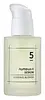
This brightening serum is formulated around Niacinamide and 3-O-Ethyl Ascorbic Acid to fade the look of dark spots and brighten dull-looking skin.
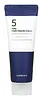
This brightening moisturizer is formulated around Panthenol and Niacinamide to brighten dull-looking skin and fade the look of dark spots.

What's inside
What's inside
 Key Ingredients
Benefits
Concerns
Ingredients Side-by-side
Hippophae Rhamnoides Extract
MaskingButylene Glycol
Humectant

Methyl Gluceth-20
Humectant
Dipropylene Glycol
HumectantGlycerin
Humectant
1,2-Hexanediol
Skin Conditioning
Niacinamide
Smoothing









Melia Azadirachta Flower Extract
Skin ConditioningOcimum Sanctum Leaf Extract
Skin ConditioningMelia Azadirachta Leaf Extract
Skin ConditioningCurcuma Longa Root Extract
Antioxidant

Corallina Officinalis Extract
Skin Conditioning

Citrus Limon Peel Oil
Masking




Citrus Aurantium Dulcis Peel Oil
Masking
Citrus Aurantifolia Oil
Cleansing
Polygonum Cuspidatum Root Extract
Antioxidant
Scutellaria Baicalensis Root Extract
Astringent
Camellia Sinensis Leaf Extract
Antimicrobial
Glycyrrhiza Glabra Root Extract
Bleaching
Chamomilla Recutita Flower Extract
Masking
Rosmarinus Officinalis Leaf Extract
AntimicrobialCentella Asiatica Extract
Cleansing
Ascorbyl Glucoside
Antioxidant
Ascorbic Acid
Antioxidant
3-O-Ethyl Ascorbic Acid
Skin Conditioning
Panthenol
Skin Conditioning
Sodium Hyaluronate
Humectant
Dipotassium Glycyrrhizate
Humectant
Glycereth-26
Humectant
Ammonium Acryloyldimethyltaurate/Vp Copolymer
Polyglyceryl-10 Laurate
Skin Conditioning

Carbomer
Emulsion StabilisingAllantoin
Skin Conditioning
Tromethamine
BufferingWater
Skin ConditioningHydrolyzed Jojoba Esters
Skin Conditioning
Disodium EDTA
ChelatingCitral
Perfuming
Limonene
Perfuming
Hippophae Rhamnoides Extract, Butylene Glycol, Methyl Gluceth-20, Dipropylene Glycol, Glycerin, 1,2-Hexanediol, Niacinamide, Melia Azadirachta Flower Extract, Ocimum Sanctum Leaf Extract, Melia Azadirachta Leaf Extract, Curcuma Longa Root Extract, Corallina Officinalis Extract, Citrus Limon Peel Oil, Citrus Aurantium Dulcis Peel Oil, Citrus Aurantifolia Oil, Polygonum Cuspidatum Root Extract, Scutellaria Baicalensis Root Extract, Camellia Sinensis Leaf Extract, Glycyrrhiza Glabra Root Extract, Chamomilla Recutita Flower Extract, Rosmarinus Officinalis Leaf Extract, Centella Asiatica Extract, Ascorbyl Glucoside, Ascorbic Acid, 3-O-Ethyl Ascorbic Acid, Panthenol, Sodium Hyaluronate, Dipotassium Glycyrrhizate, Glycereth-26, Ammonium Acryloyldimethyltaurate/Vp Copolymer, Polyglyceryl-10 Laurate, Carbomer, Allantoin, Tromethamine, Water, Hydrolyzed Jojoba Esters, Disodium EDTA, Citral, Limonene
Terminalia Ferdinandiana Fruit Extract
Antioxidant
Methylpropanediol
SolventGlycerin
Humectant
Cetyl Ethylhexanoate
EmollientCetearyl Alcohol
Emollient


Panthenol
Skin Conditioning
Niacinamide
Smoothing
Betaine
Humectant
Vinyldimethicone

Squalane
Emollient
Caprylic/Capric Triglyceride
Masking
1,2-Hexanediol
Skin Conditioning
Methyl Trimethicone
Skin Conditioning
Butyrospermum Parkii Butter
Skin Conditioning
Polymethylsilsesquioxane
Propanediol
Solvent
Melia Azadirachta Flower Extract
Skin ConditioningMelia Azadirachta Leaf Extract
Skin ConditioningCurcuma Longa Root Extract
Antioxidant
Ocimum Sanctum Leaf Extract
Skin ConditioningTheobroma Cacao Seed Extract
Antioxidant
Corallina Officinalis Extract
Skin Conditioning
Olea Europaea Leaf Extract
Perfuming
Phaseolus Lunatus Seed Extract
EmollientCitrus Aurantium Dulcis Oil
Masking
Hydrogenated Lecithin
Emulsifying
Citrus Nobilis Peel Oil
Masking
Litsea Cubeba Fruit Oil
Masking
Rosa Canina Fruit Oil
Emollient
Camellia Sinensis Leaf Water
Masking
Water
Skin ConditioningGlyceryl Linolenate
Emollient
Glyceryl Linoleate
Emollient
Tocopheryl Acetate
Antioxidant
Polyglyceryl-2 Stearate
Emulsifying
Isononyl Isononanoate
EmollientGlyceryl Stearate Se
Emulsifying
Glyceryl Stearate
Emollient
Bisabolol
Antioxidant
Hydroxyethyl Acrylate/Sodium Acryloyldimethyl Taurate Copolymer
Emulsion StabilisingStearyl Alcohol
Emollient
Acrylates/C10-30 Alkyl Acrylate Crosspolymer
Emulsion StabilisingTromethamine
BufferingXanthan Gum
Emulsifying3-O-Ethyl Ascorbic Acid
Skin Conditioning
Behenyl Alcohol
Emollient
Ascorbyl Tetraisopalmitate
Antioxidant
Adenosine
Skin Conditioning
Disodium EDTA
ChelatingButylene Glycol
Humectant
Sorbitan Isostearate
Emulsifying
Cholesterol
Emollient
Hydroxydecyl Ubiquinone
Antioxidant
Cyamopsis Tetragonoloba Gum
Emulsion StabilisingAgar
MaskingDextrin
AbsorbentCeramide NP
Skin Conditioning
7-Dehydrocholesterol
Emulsion StabilisingMagnesium Myristate
Magnesium Stearate
Cosmetic ColorantSea Salt
Abrasive
Acetyl Glucosamine
Skin Conditioning
Zinc Gluconate
Skin Conditioning
Calcium Stearate
Cosmetic ColorantLactic Acid
Buffering
Cetyl Hydroxyethylcellulose
Emulsion StabilisingRutin
Antioxidant
Ascorbyl Glucoside
Antioxidant
Zinc PCA
Humectant
Glycine
Buffering
Glutamic Acid
Humectant
Glutamine
Skin ConditioningDipotassium Phosphate
BufferingLysine
Skin ConditioningLeucine
Skin ConditioningMethionine
Skin ConditioningValine
MaskingSerine
Masking
Cysteine
Antioxidant
Citrulline
Skin ConditioningAscorbic Acid
Antioxidant
Asparagine
MaskingAspartic Acid
Masking
Isoleucine
Skin ConditioningAlanine
Masking
Arginine
Masking
Ornithine
Skin ConditioningCopper Tripeptide-1
Skin Conditioning
Taurine
BufferingTyrosine
MaskingThreonine
Tryptophan
MaskingPantothenic Acid
Skin ConditioningPhenylalanine
Masking
Proline
Skin Conditioning
Histidine
Humectant
Retinyl Palmitate
Skin Conditioning
Repagermanium
Skin ConditioningLinolenic Acid
Cleansing
Riboflavin
Cosmetic ColorantMagnesium Ascorbyl Phosphate
Antioxidant
Menadione
MaskingBiotin
AntiseborrhoeicBioflavonoids
Skin ConditioningCyanocobalamin
Skin ConditioningSodium Ascorbyl Phosphate
Antioxidant
Tocopherol
Antioxidant
Thiamine Hcl
MaskingPalmitoyl Tetrapeptide-7
Skin Conditioning
Palmitoyl Tripeptide-1
Skin Conditioning
Folic Acid
Skin ConditioningPyridoxine
Skin ConditioningHesperidin
EmollientEthylhexylglycerin
Skin ConditioningLimonene
Perfuming
Citral
Perfuming
Terminalia Ferdinandiana Fruit Extract, Methylpropanediol, Glycerin, Cetyl Ethylhexanoate, Cetearyl Alcohol, Panthenol, Niacinamide, Betaine, Vinyldimethicone, Squalane, Caprylic/Capric Triglyceride, 1,2-Hexanediol, Methyl Trimethicone, Butyrospermum Parkii Butter, Polymethylsilsesquioxane, Propanediol, Melia Azadirachta Flower Extract, Melia Azadirachta Leaf Extract, Curcuma Longa Root Extract, Ocimum Sanctum Leaf Extract, Theobroma Cacao Seed Extract, Corallina Officinalis Extract, Olea Europaea Leaf Extract, Phaseolus Lunatus Seed Extract, Citrus Aurantium Dulcis Oil, Hydrogenated Lecithin, Citrus Nobilis Peel Oil, Litsea Cubeba Fruit Oil, Rosa Canina Fruit Oil, Camellia Sinensis Leaf Water, Water, Glyceryl Linolenate, Glyceryl Linoleate, Tocopheryl Acetate, Polyglyceryl-2 Stearate, Isononyl Isononanoate, Glyceryl Stearate Se, Glyceryl Stearate, Bisabolol, Hydroxyethyl Acrylate/Sodium Acryloyldimethyl Taurate Copolymer, Stearyl Alcohol, Acrylates/C10-30 Alkyl Acrylate Crosspolymer, Tromethamine, Xanthan Gum, 3-O-Ethyl Ascorbic Acid, Behenyl Alcohol, Ascorbyl Tetraisopalmitate, Adenosine, Disodium EDTA, Butylene Glycol, Sorbitan Isostearate, Cholesterol, Hydroxydecyl Ubiquinone, Cyamopsis Tetragonoloba Gum, Agar, Dextrin, Ceramide NP, 7-Dehydrocholesterol, Magnesium Myristate, Magnesium Stearate, Sea Salt, Acetyl Glucosamine, Zinc Gluconate, Calcium Stearate, Lactic Acid, Cetyl Hydroxyethylcellulose, Rutin, Ascorbyl Glucoside, Zinc PCA, Glycine, Glutamic Acid, Glutamine, Dipotassium Phosphate, Lysine, Leucine, Methionine, Valine, Serine, Cysteine, Citrulline, Ascorbic Acid, Asparagine, Aspartic Acid, Isoleucine, Alanine, Arginine, Ornithine, Copper Tripeptide-1, Taurine, Tyrosine, Threonine, Tryptophan, Pantothenic Acid, Phenylalanine, Proline, Histidine, Retinyl Palmitate, Repagermanium, Linolenic Acid, Riboflavin, Magnesium Ascorbyl Phosphate, Menadione, Biotin, Bioflavonoids, Cyanocobalamin, Sodium Ascorbyl Phosphate, Tocopherol, Thiamine Hcl, Palmitoyl Tetrapeptide-7, Palmitoyl Tripeptide-1, Folic Acid, Pyridoxine, Hesperidin, Ethylhexylglycerin, Limonene, Citral
Reviews
Ingredients Explained
These ingredients are found in both products.
Ingredients higher up in an ingredient list are typically present in a larger amount.
1,2-Hexanediol is a synthetic liquid and another multi-functional powerhouse.
It is a:
- Humectant, drawing moisture into the skin
- Emollient, helping to soften skin
- Solvent, dispersing and stabilizing formulas
- Preservative booster, enhancing the antimicrobial activity of other preservatives
3-O-Ethyl Ascorbic Acid is one of the most popular "stable" vitamin C derivatives in skincare.
Plain ascorbic acid is fantastic but notoriously fragile; it browns, oxidizes, and loses potency fast. So attaching an ethyl group to the third carbon of the molecule gives it some cool perks:
In a formula, it does the 3 classic vitamin C jobs: it acts as an antioxidant, helps brighten skin tone by inhibiting tyrosinase, and supports collagen.
The evidence is reasonably solid for a cosmetic ingredient; Liao and colleagues (2018) showed it's significantly more stable than ascorbic acid while still being effective.
A 2021 study by Zerbinati and colleagues tested a serum with 30% 3-O-ethyl-l-ascorbic acid and 1% lactic acid significantly increased collagen production, reduced UVB-induced DNA damage, and decreased melanin on a reconstructed pigmented skin model.
Typical real world usage sits around 0.5-5% (and 1-2% is common for daily serums).
Amounts up to 30% have been shown to be non-irritating on human skin samples, but two isolated cases reported allergic contact dermatitis so a patch test is sensible if you have reactive skin.
Learn more about 3-O-Ethyl Ascorbic AcidAscorbic Acid is is pure Vitamin C and is the biologically active form used directly by skin.
Not only is vitamin C great for your overall health and immune system, but it also has plenty of benefits for your skin. It is best supported by academic literature for:
Topical vitamin C has been shown to help neutralize oxidative stress from UV and pollution, helping to improve photoaging and hyperpigmentation when used consistently.
One clinical study found that using 5% topical vitamin C for six months improved signs of photodamaged skin, both on the surface and in the deeper structural layers of the skin.
While vitamin C doesn’t replace sunscreen, studies show it can boost photoprotection when combined with Vitamin E and ferulic acid. These two ingredients help improve stability and protective effects.
The big downside of this ingredient is formulation difficulty. Vitamin C is prone to oxidation and doesn't penetrate the skin unless formulated correctly. Research found that vitamin C absorbs into the skin best at a low pH (< 3.5) with about 20% being the upper limit for effective absorption.
Skin levels can saturate after repeated application; this means your skin won’t keep absorbing more once it’s full of vitamin C. This is why more isn’t always better with vitamin C and why very high concentrations don’t necessarily give extra benefits.
Ascorbic acid generally works well with many skincare ingredients but can be irritating when combined with other active ingredients. Strong oxidizing acne treatments like benzoyl peroxide can reduce the effectiveness of vitamin C if they are used at the same time; they are often recommended for use at different times of day.
Read more about other types of Vitamin C:
Foods rich with vitamin C include oranges, strawberries, broccoli, bell peppers, and more. When consuming Vitamin C, your skin receives a portion of the nutrients.
Learn more about Ascorbic AcidAscorbyl Glucoside (AA-2G) is one of the most stable vitamin C derivatives out there.
It's made by attaching a glucose molecule to ascorbic acid; this glucose "cap" shields the vitamin C from air, light, heat, and metal ions that normally cause pure ascorbic acid to oxidize.
Once on your skin, the enzyme alpha-glucosidase snips off the glucose and gradually releases active ascorbic acid right where it's needed. Basically, it behaves like a slow-release pro-vitamin C with less of a stinging that high-strength ascorbic acid can cause.
The research supports the classic vitamin C benefits as well. In lab and human studies, AA-2G slowed down the skin's production of melanin (the pigment behind dark spots) and helped shield skin cells against sun damage better than ascorbyl phosphate.
These studies also showed AA-2G released vitamin C over a longer period.
A frequently cited manufacturer trial found that a 2% AA-2G face cream significantly improved wrinkle depth and skin roughness after 45 days.
And in 2009, a clinical trial showed it meaningfully lightened dark patches on the gums compared to a placebo.
There's also collagen-synthesis support (since vitamin C is a required cofactor for that) and an antioxidant effect too.
Typical usage is usually between 0.5-5% and most studies/products land around 2%.
AA-2G performs best when formulated at a mildly acidic pH (~5-7) which is much gentler than the pH that pure vitamin C demands (~2.5-3.5).
Just one thing worth knowing: the in-skin conversation rate is only about 55-60% by weight. So a 5% AA-2G product delivers roughly 2.75-3% of actual active vitamin C. On top of that, skin absorption is relatively low because the ingredient is water-soluble.
Learn more about Ascorbyl GlucosideButylene Glycol (or BG) is used within cosmetic products for a few different reasons:
Overall, Butylene Glycol is a safe and well-rounded ingredient that works well with other ingredients.
Though this ingredient works well with most skin types, some people with sensitive skin may experience a reaction such as allergic rashes, closed comedones, or itchiness.
Learn more about Butylene GlycolCitral is the molecule responsible for the fresh lemon scent in lemon, lime, and lemongrass. It is a fragrance ingredient that can be created from plant essential oils or synthetically.
Though Citral has documented antimicrobial activity against acne bacteria (which is where the marketing claims about it being good for acne-prone skin originate), real formulas use it at fragrance-level concentrations under 1% so there's likely no skin benefit.
You should know this ingredient is a known EU fragrance allergen.
Animal studies classifies this ingredient as a weak-to-moderate skin sensitizer and clinical patch testing on eczema patients confirmed it to be both a contact allergen and irritant.
The term 'citral' is a collective term for two geometric isomers: geranial/Citral A and neral/Citral B.
The term 'fragrance' is not regulated in many countries. In many cases, it is up to the brand to define this term. For instance, many brands choose to label themselves as "fragrance-free" because they are not using synthetic fragrances. However, their products may still contain ingredients such as essential oils that are considered a fragrance.
Learn more about CitralCorallina Officinalis Extract comes from the small red seaweed that grows on rocky coastlines that feels stiff to the touch because it builds calcium carbonate right into its cell walls.
That mineral content is basically its whole selling point: the extract brings calcium, magnesium, and trace minerals along with sugars (polysaccharides) and proteins. This is why formulators use it as a skin-conditioning and hydrating ingredient.
Lab testing does back up decent antioxidant activity for this species. A study comparing twelve red seaweeds found Corallina Officinalis stood out for its free-radical scavenging capacity. And a separate study found meaningful radical scavenging plus antibacterial activity from the raw biomass.
It's worth being clear that most of this is test-tube work on raw-algae and not a clinical trial on a finished cream.
On concentration, a 2020 industry survey found it's used at up to 2% in makeup and skincare. Safety-wise, it's as boring as it gets: the Cosmetic Ingredient Review Expert Panel concluded this ingredient (along with the powder, Thallus Extract, and Hydrolyzed versions) to be safe as used in cosmetics and cited negative sensitization data.
There's no meaningful record of it causing allergic contact dermatitis, but be sure to patch test if you are unsure.
You'll see algae/seaweed listed as a 5/5 on a lot of pore-clogging charts and that number doesn't come from anywhere; it's not in the original rabbit-ear studies that most comedogenic ratings trace back to.
The reasoning behind the reputation is that seaweed is high in iodine and iodine can trigger acne-like breakouts when eaten. This traces back to a 1976 letter in Archives of Dermatology describing two women whose breakouts cleared after they stopped taking high-dose kelp supplements orally.
And the reaction of these two women wasn't clogged pores at all: it was an iodine-triggered pustular rash. Later research found normal dietary iodine doesn't meaningfully affect acne either and nobody has shown topical seaweed delivers enough iodine to matter.
What we do have is dozens of brown and red algae ingredients found to be non-irritating and non-sensitizing, and a handful of studies that found algae compounds may actually help acne.
However, plenty of people do report breaking out from algae-containing products. Skin is individual and it's worth avoiding if yours has reacted to algae before.
Learn more about Corallina Officinalis ExtractCurcuma Longa Root Extract comes from the rhizome (underground stem) of the turmeric plant.
While the official EU Cosing Database lists this ingredient as a fragrance, it actually does more than give products a scent.
This ingredient contains a group of yellow pigments called curcuminoids (mostly curcumin) that give it genuine antioxidant and anti-inflammatory activity in skin.
Reviews of topical clinical studies have found turmeric/curcumin to be generally well-tolerated and useful across conditions like eczema and mild inflammation.
One thing working in its favor is that curcumin barely penetrates; in lab skin-permeation testing, the curcuminoids mostly stayed in the outermost layer of skin. This is a good thing because its soothing and antioxidant activity is a surface-level job anyway.
At this time, industry data shows there's no single "correct" cosmetic percentage. It's used across a wide range depending on the product and varies from tiny fractions of a percent up to a few percent.
Allergy-wise, curcumin is a documented (but uncommon) contact allergen. It can also cross react with related plants, so anyone with a turmeric/ginger/cinnamon allergy or reactive skin should patch test first.
Learn more about Curcuma Longa Root ExtractDisodium EDTA is a chelating agent. It grabs onto and deactivates metal ions that sneak into your products from water, packaging, or air.
This ingredient mainly works behind the scenes and helps with:
On top of that, this ingredient can counteract the effects of hard water by binding to the minerals in it.
One thing worth knowing is that Disodium EDTA has been shown to be a mild penetration enhancer. It can help other ingredients absorb into skin more effectively which can be a double-edged sword (great for actives, but can also make the active too strong if you have sensitive skin).
Clinical patch testing showed no significant skin irritation at typical use concentrations and minimal dermal absorption.
You'll most likely see this ingredient near the end of an ingredient list. It's typically found in concentrations less than 1%.
Learn more about Disodium EDTAGlycerin (or glycerol) is a compound naturally found in your skin. It's a powerhouse humectant that pulls water into the stratum corneum.
Topically, glycerin does several things at once:
Your skin makes glycerin on its own (mostly from sebaceous oil breakdown) and shuttles it to your outermost layer of skin, or your epidermis, via aquaporin-3.
Aquaporin-3 is a transporter that is essential for normal skin hydration, elasticity, and repair. Interestingly, mice lacking in AQP3 have dry and less elastic skin that can be fully corrected with glycerin.
This ingredient is non-irritating, plays well with almost every ingredient, and works across all skin types. Typical use is anywhere between 3-10% but can go up to 79% in some leave-on products.
Just know very high concentrations (>40%) can feel tacky in low humidity.
Glycerin is the name for this ingredient in American English. British English uses Glycerol/Glycerine.
Learn more about GlycerinLimonene is a fragrance that adds scent and taste to a formulation.
It's found in the peel oil of citrus fruits and other plants such as lavender and eucalyptus. The scent of limonene is generally described as "sweet citrus".
Limonene acts as an antioxidant, meaning it helps neutralize free radicals.
When exposed to air, oxidized limonene may sensitize the skin. Because of this, limonene is often avoided by people with sensitive skin.
The term 'fragrance' is not regulated in many countries. In many cases, it is up to the brand to define this term. For instance, many brands choose to label themselves as "fragrance-free" because they are not using synthetic fragrances. However, their products may still contain ingredients such as essential oils that are considered a fragrance.
Learn more about LimoneneMelia Azadirachta Flower Extract is from the Neem tree. Neem trees originate from India.
Melia Azadirachta Flower Extract contains antioxidants. Antioxidants help fight free-radicals. Free-radicals are molecules that may damage your skin cells, such as pollution.
The flowers of this tree are lilac colored.
Learn more about Melia Azadirachta Flower ExtractThis ingredient is also known as neem leaf extract. It contains natural compounds like nimbidin, quercetin, and other polyphenols that give it antibacterial, antifungal, and anti-inflammatory activity.
Lab studies have shown neem leaf extract can inhibit acne-related bacteria and help calm skin. Animal studies on wound gels using 1-3% neem leaf extract found it sped up healing without causing irritation.
A wound-healing study testing gels with the extract at 1%, 2%, and 3% concentrations and found none of them irritated the skin.
Most commercial products also use it in a similar low range (typically under 5%).
Allergy-wise, there are some case reports on neem oil causing allergic contact dermatitis so people with plant/botanical sensitivities may want to patch test first.
Learn more about Melia Azadirachta Leaf ExtractNiacinamide is a multitasking form of vitamin B3 that strengthens the skin barrier, reduces pores and dark spots, regulates oil, and improves signs of aging.
And the best part? It's gentle and well-tolerated by most skin types, including sensitive and reactive skin.
You might have heard of "niacin flush", or the reddening of skin that causes itchiness. Niacinamide has not been found to cause this.
In very rare cases, some individuals may not be able to tolerate niacinamide at all or experience an allergic reaction to it.
If you are experiencing flaking, irritation, and dryness with this ingredient, be sure to double check all your products as this ingredient can be found in all categories of skincare.
When incorporating niacinamide into your routine, look out for concentration amounts. Typically, 5% niacinamide provides benefits such as fading dark spots. However, if you have sensitive skin, it is better to begin with a smaller concentration.
When you apply niacinamide to your skin, your body converts it into nicotinamide adenine dinucleotide (NAD). NAD is an essential coenzyme that is already found in your cells as "fuel" and powers countless biological processes.
In your skin, NAD helps repair cell damage, produce new healthy cells, support collagen production, strengthen the skin barrier, and fight environmental stressors (like UV and pollution).
Our natural NAD levels start to decline with age, leading to slower skin repair, visible aging, and a weaker skin barrier. By providing your skin niacinamide, you're recharging your skin's NAD levels. This leads to stronger, healthier, and younger looking skin.
Another name for vitamin B3 is nicotinamide. This vitamin is water-soluble and our bodies don't store it. We obtain Vitamin B3 from either food or skincare. Meat, fish, wheat, yeast, and leafy greens contain vitamin B3.
The type of niacinamide used in skincare is synthetically created.
Learn more about NiacinamideOcimum Sanctum Leaf Extract comes from the Holy Basil plant. Holy Basil is native to India.
Holy Basil is rich in antioxidants due to its high romarinic acid, ferulic acid, and rutin content. This gives it skin brightening and soothing properties.
While Holy Basil has many claims to help fight acne, more research is needed.
One thing to note is the presence of tannins; tannins are naturally found in nature. However, this compound may be skin-sensitizing.
Learn more about Ocimum Sanctum Leaf ExtractPanthenol is a common ingredient that helps hydrate and soothe the skin. It is found naturally in our skin and hair.
There are two forms of panthenol: D and L.
D-panthenol is also known as dexpanthenol. Most cosmetics use dexpanthenol or a mixture of D and L-panthenol.
Panthenol is famous due to its ability to go deeper into the skin's layers. Using this ingredient has numerous pros (and no cons):
Like hyaluronic acid, panthenol is a humectant. Humectants are able to bind and hold large amounts of water to keep skin hydrated.
This ingredient works well for wound healing. It works by increasing tissue in the wound and helps close open wounds.
Once oxidized, panthenol converts to pantothenic acid. Panthothenic acid is found in all living cells.
This ingredient is also referred to as pro-vitamin B5.
Learn more about PanthenolTromethamine (aka THAM) is a synthetic amino acid that shows up in skincare as a helper ingredient.
It functions as a pH adjuster to help neutralize acidic ingredients and set a formula's pH to the right spot.
This matters a lot because a lot of actives (like vitamin C) needs a specific pH to work well and feel comfortable on skin.
Concentration use ranges from 0.1-1.0% depending on the formula.
Learn more about TromethamineWater. It's the most common cosmetic ingredient of all. You'll usually see it at the top of ingredient lists, meaning that it makes up the largest part of the product.
So why is it so popular? Water most often acts as a solvent - this means that it helps dissolve other ingredients into the formulation.
You'll also recognize water as that liquid we all need to stay alive. If you see this, drink a glass of water. Remember to stay hydrated!
Learn more about Water

