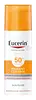
This chemical sunscreen covers the full UV range and blocks ~98% of UVB at SPF 50.
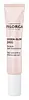
This brightening eye moisturizer is formulated around Gluconolactone and Niacinamide to brighten dull-looking skin.


What's inside
What's inside
 Key Ingredients
Benefits
Concerns
Ingredients Side-by-side
Water
Skin ConditioningC12-15 Alkyl Benzoate
AntimicrobialAlcohol Denat.
Antimicrobial




Butyl Methoxydibenzoylmethane
UV Absorber
Ethylhexyl Triazone
UV Absorber
Butylene Glycol Dicaprylate/Dicaprate
EmollientBis-Ethylhexyloxyphenol Methoxyphenyl Triazine
UV Absorber
Dibutyl Adipate
EmollientGlyceryl Stearate Citrate
Emollient
Silica
Abrasive


Phenylbenzimidazole Sulfonic Acid
UV Absorber
Diethylamino Hydroxybenzoyl Hexyl Benzoate
UV Filter
Tapioca Starch
Silica Dimethyl Silylate
EmollientCetearyl Alcohol
Emollient



Behenyl Alcohol
Emollient
Isobutylamido Thiazolyl Resorcinol
Bleaching


Glycyrrhiza Inflata Root Extract
Skin Conditioning
Glycyrrhetinic Acid
Skin Conditioning
Tocopheryl Acetate
Antioxidant


Glycerin
Humectant

Copernicia Cerifera Cera
Emollient
Xanthan Gum
EmulsifyingCarrageenan
Hydroxypropyl Methylcellulose
Emulsion StabilisingSodium Hydroxide
BufferingTrisodium EDTA
ChelatingHydroxyacetophenone
Antioxidant
Phenoxyethanol
Preservative
Ethylhexylglycerin
Skin ConditioningParfum
Masking

Water, C12-15 Alkyl Benzoate, Alcohol Denat., Butyl Methoxydibenzoylmethane, Ethylhexyl Triazone, Butylene Glycol Dicaprylate/Dicaprate, Bis-Ethylhexyloxyphenol Methoxyphenyl Triazine, Dibutyl Adipate, Glyceryl Stearate Citrate, Silica, Phenylbenzimidazole Sulfonic Acid, Diethylamino Hydroxybenzoyl Hexyl Benzoate, Tapioca Starch, Silica Dimethyl Silylate, Cetearyl Alcohol, Behenyl Alcohol, Isobutylamido Thiazolyl Resorcinol, Glycyrrhiza Inflata Root Extract, Glycyrrhetinic Acid, Tocopheryl Acetate, Glycerin, Copernicia Cerifera Cera, Xanthan Gum, Carrageenan, Hydroxypropyl Methylcellulose, Sodium Hydroxide, Trisodium EDTA, Hydroxyacetophenone, Phenoxyethanol, Ethylhexylglycerin, Parfum
Water
Skin ConditioningC10-18 Triglycerides
Emollient
Caprylic/Capric Triglyceride
Masking
Heptyl Undecylenate
EmollientGlycerin
Humectant
Propanediol
Solvent
Ethylhexyl Palmitate
Emollient
Glyceryl Stearate
Emollient
PEG-100 Stearate
Surfactant
Butylene Glycol
Humectant
Sodium Citrate
BufferingMaltodextrin
Absorbent
Hydroxyethyl Acrylate/Sodium Acryloyldimethyl Taurate Copolymer
Emulsion StabilisingArginine PCA
HumectantCetyl Alcohol
Emollient
Gluconolactone
Chelating



Hydrogenated Olive Oil Stearyl Esters
Emulsion Stabilising
Mannitol
Humectant
Parfum
Masking
Sucrose Dilaurate
Emollient
Maris Aqua
HumectantSimmondsia Chinensis Seed Oil
Emollient
Tribehenin
Emollient
Sucrose Palmitate
EmollientHydroxyacetophenone
Antioxidant
Caprylyl Glycol
Emollient
Citric Acid
Buffering
Sodium Hydroxide
BufferingPolyacrylate Crosspolymer-6
Emulsion StabilisingSodium Cocoyl Glutamate
Cleansing
Tocopherol
Antioxidant
Helianthus Annuus Seed Oil
Emollient
Lecithin
Emollient
Lysolecithin
EmulsifyingGlyceryl Linoleate
Emollient
Paeonia Albiflora Root Extract
Skin ConditioningPrunus Amygdalus Dulcis Oil
Skin Conditioning
Pisum Sativum Extract
Skin ConditioningPolysorbate 60
Emulsifying
Sorbitan Isostearate
Emulsifying
Sodium Chloride
MaskingBorago Officinalis Seed Oil
Emollient
Oenothera Biennis Oil
Emollient
Camellia Oleifera Seed Oil
Skin Conditioning
CI 77891
Cosmetic ColorantSynthetic Fluorphlogopite
Trihydroxystearin
Skin Conditioning
Niacinamide
Smoothing
3-O-Ethyl Ascorbic Acid
Skin Conditioning
Lactobacillus Ferment
Skin Conditioning
Potassium Azeloyl Diglycinate
Skin Conditioning
Sodium Phytate
ChelatingCeramide NP
Skin Conditioning
Sodium Hyaluronate
Humectant
1,2-Hexanediol
Skin Conditioning
Glucose
Humectant
Phenoxyethanol
Preservative
Bisabolol
Antioxidant
Potassium Chloride
Beta-Sitosterol
Emulsion Stabilising
Phytic Acid
Chelating
Squalene
Emollient
Potassium Sorbate
Preservative
Calcium Chloride
AstringentSophora Japonica Flower Extract
Skin ProtectingAcetyl Tetrapeptide-11
Skin Conditioning
Magnesium Sulfate
Glutamine
Skin ConditioningAcetyl Tetrapeptide-9
Skin Conditioning
Tin Oxide
Abrasive
CI 19140
Cosmetic ColorantSodium Phosphate
BufferingAscorbic Acid
Antioxidant
Sodium Acetate
BufferingLysine Hcl
Skin Conditioning
Arginine Hcl
Skin ConditioningAlanine
Masking
CI 17200
Cosmetic ColorantHistidine Hcl
Skin ConditioningValine
MaskingLeucine
Skin ConditioningThreonine
Isoleucine
Skin ConditioningTryptophan
MaskingPhenylalanine
Masking
Tyrosine
MaskingGlycine
Buffering
Polysorbate 80
Emulsifying
Glucomannan
Skin ConditioningSerine
Masking
Cystine
MaskingCyanocobalamin
Skin ConditioningGlutathione
Asparagine
MaskingAspartic Acid
Masking
Ornithine Hcl
Skin ConditioningGlutamic Acid
Humectant
Nicotinamide Adenine Dinucleotide
Skin ConditioningProline
Skin Conditioning
Methionine
Skin ConditioningTaurine
BufferingHydroxyproline
Skin ConditioningGlucosamine Hcl
Coenzyme A
Skin ConditioningSodium Glucuronate
HumectantThiamine Diphosphate
Skin ConditioningRetinyl Acetate
Skin Conditioning
Inositol
Humectant
Niacin
SmoothingPyridoxine Hcl
Skin ConditioningBiotin
AntiseborrhoeicCalcium Pantothenate
Riboflavin
Cosmetic ColorantSodium Tocopheryl Phosphate
Antioxidant
Thiamine Hcl
MaskingFolic Acid
Skin ConditioningWater, C10-18 Triglycerides, Caprylic/Capric Triglyceride, Heptyl Undecylenate, Glycerin, Propanediol, Ethylhexyl Palmitate, Glyceryl Stearate, PEG-100 Stearate, Butylene Glycol, Sodium Citrate, Maltodextrin, Hydroxyethyl Acrylate/Sodium Acryloyldimethyl Taurate Copolymer, Arginine PCA, Cetyl Alcohol, Gluconolactone, Hydrogenated Olive Oil Stearyl Esters, Mannitol, Parfum, Sucrose Dilaurate, Maris Aqua, Simmondsia Chinensis Seed Oil, Tribehenin, Sucrose Palmitate, Hydroxyacetophenone, Caprylyl Glycol, Citric Acid, Sodium Hydroxide, Polyacrylate Crosspolymer-6, Sodium Cocoyl Glutamate, Tocopherol, Helianthus Annuus Seed Oil, Lecithin, Lysolecithin, Glyceryl Linoleate, Paeonia Albiflora Root Extract, Prunus Amygdalus Dulcis Oil, Pisum Sativum Extract, Polysorbate 60, Sorbitan Isostearate, Sodium Chloride, Borago Officinalis Seed Oil, Oenothera Biennis Oil, Camellia Oleifera Seed Oil, CI 77891, Synthetic Fluorphlogopite, Trihydroxystearin, Niacinamide, 3-O-Ethyl Ascorbic Acid, Lactobacillus Ferment, Potassium Azeloyl Diglycinate, Sodium Phytate, Ceramide NP, Sodium Hyaluronate, 1,2-Hexanediol, Glucose, Phenoxyethanol, Bisabolol, Potassium Chloride, Beta-Sitosterol, Phytic Acid, Squalene, Potassium Sorbate, Calcium Chloride, Sophora Japonica Flower Extract, Acetyl Tetrapeptide-11, Magnesium Sulfate, Glutamine, Acetyl Tetrapeptide-9, Tin Oxide, CI 19140, Sodium Phosphate, Ascorbic Acid, Sodium Acetate, Lysine Hcl, Arginine Hcl, Alanine, CI 17200, Histidine Hcl, Valine, Leucine, Threonine, Isoleucine, Tryptophan, Phenylalanine, Tyrosine, Glycine, Polysorbate 80, Glucomannan, Serine, Cystine, Cyanocobalamin, Glutathione, Asparagine, Aspartic Acid, Ornithine Hcl, Glutamic Acid, Nicotinamide Adenine Dinucleotide, Proline, Methionine, Taurine, Hydroxyproline, Glucosamine Hcl, Coenzyme A, Sodium Glucuronate, Thiamine Diphosphate, Retinyl Acetate, Inositol, Niacin, Pyridoxine Hcl, Biotin, Calcium Pantothenate, Riboflavin, Sodium Tocopheryl Phosphate, Thiamine Hcl, Folic Acid
Reviews
Alternatives
Ingredients Explained
These ingredients are found in both products.
Ingredients higher up in an ingredient list are typically present in a larger amount.
Glycerin (or glycerol) is a compound naturally found in your skin. It's a powerhouse humectant that pulls water into the stratum corneum.
Topically, glycerin does several things at once:
Your skin makes glycerin on its own (mostly from sebaceous oil breakdown) and shuttles it to your outermost layer of skin, or your epidermis, via aquaporin-3.
Aquaporin-3 is a transporter that is essential for normal skin hydration, elasticity, and repair. Interestingly, mice lacking in AQP3 have dry and less elastic skin that can be fully corrected with glycerin.
This ingredient is non-irritating, plays well with almost every ingredient, and works across all skin types. Typical use is anywhere between 3-10% but can go up to 79% in some leave-on products.
Just know very high concentrations (>40%) can feel tacky in low humidity.
Glycerin is the name for this ingredient in American English. British English uses Glycerol/Glycerine.
Learn more about GlycerinHydroxyacetophenone is a small phenolic molecule that earns its place in a formulas as an antioxidant and preservative booster.
As a phenol, it is able to neutralize free radicals to protect both the product and the skin from oxidative stress.
Though it can't kill microbes on its own, it works as a good supporting agent when combined with other preservatives like Phenoxyethanol or 1,2-Hexanediol.
This ingredient naturally occurs as piceol in Norwegian spruce needles (~0.4-1.1% dry weight and in cloudberries). Though the cosmetic-grade material is synthesized for purity and consistency.
You'll usually see it used at low levels and suppliers recommend up to 1% added to a water phase.
Safety testing was done at concentrations like 0.05% in SPF products and 0.5% in a Human Repeated Insult Patch Test. The safety evidence is assuring; this ingredient is safe for cosmetics in current use and also holds safety status as a food flavoring as well.
An honest caveat: the "soothing" and "anti-inflammatory" claims come mostly from supplier marketing rather than published clinical trials. The Cosmetic Ingredient Review's own literature search found no useful efficacy studies on this ingredient.
So the antioxidant and preservative-boosting roles are the well supported ones while the calming benefit is plausible but thinly evidenced.
Overall, this is a well-tolerated, low-irritation multitasker that quietly helps a formula stay fresh and stable.
Learn more about HydroxyacetophenoneParfum is a catch-all term for an ingredient or more that is used to give a scent to products.
Also called "fragrance", this ingredient can be a blend of hundreds of chemicals or plant oils. This means every product with "fragrance" or "parfum" in the ingredients list is a different mixture.
For instance, Habanolide is a proprietary trade name for a specific aroma chemical. When used as a fragrance ingredient in cosmetics, most aroma chemicals fall under the broad labeling category of “FRAGRANCE” or “PARFUM” according to EU and US regulations.
The term 'parfum' or 'fragrance' is not regulated in many countries. In many cases, it is up to the brand to define this term.
For instance, many brands choose to label themselves as "fragrance-free" because they are not using synthetic fragrances. However, their products may still contain ingredients such as essential oils that are considered a fragrance by INCI standards.
One example is Calendula flower extract. Calendula is an essential oil that still imparts a scent or 'fragrance'.
Depending on the blend, the ingredients in the mixture can cause allergies and sensitivities on the skin. Some ingredients that are known EU allergens include linalool and citronellol.
Parfum can also be used to mask or cover an unpleasant scent.
The bottom line is: not all fragrances/parfum/ingredients are created equally. If you are worried about fragrances, we recommend taking a closer look at an ingredient. And of course, we always recommend speaking with a professional.
Learn more about ParfumPhenoxyethanol is one of the most widely used preservatives in skincare (and for good reason!).
It has a large spectrum of antimicrobial activity and especially effective bacteria, yeast, and mold while only having a weak effect on your skin's natural microbiome.
On a cellular level, it disrupts the cell membranes of microbes by poking holes that make the cell leak. This shuts down the chemical reactions the microbe needs to make energy so it can no longer survive.
Another perk of this ingredient is that it stays functional across a wide pH range (3-10).
You'll often see it paired with boosters like Ethylhexylglycerin; one study showed that a 1:9 ratio of Ethylhexylglycerin to Phenoxyethanol damages bacterial membranes as effectively as doubling the Phenoxyethanol concentration on its own.
Typical use concentrations range from 0.3-1% depending on the formula, and this ingredient is capped at 1% int the EU.
Safety-wise, the fear mongering does not hold up to the evidence. The EU's Scientific Committee on Consumer Safety and FDA consider it safe as a preservative at up to 1%, including for children of all ages.
Adverse systemic effects only showed up in animal studies at exposures roughly 200x higher than what people get from cosmetics. And despite its very widespread use, this ingredient is a rare sensitizer and allergic reactions are uncommon.
Learn more about PhenoxyethanolSodium Hydroxide is also known as lye or caustic soda. It is used to adjust the pH of products; many ingredients require a specific pH to be effective.
In small amounts, sodium hydroxide is considered safe to use. However, large amounts may cause chemical burns due to its high alkaline.
Your skin has a natural pH and acid mantle. This acid mantle helps prevent harmful bacteria from breaking through. The acid mantle also helps keep your skin hydrated.
"Alkaline" refers to a high pH level. A low pH level would be considered acidic.
Learn more about Sodium HydroxideWater. It's the most common cosmetic ingredient of all. You'll usually see it at the top of ingredient lists, meaning that it makes up the largest part of the product.
So why is it so popular? Water most often acts as a solvent - this means that it helps dissolve other ingredients into the formulation.
You'll also recognize water as that liquid we all need to stay alive. If you see this, drink a glass of water. Remember to stay hydrated!
Learn more about Water

