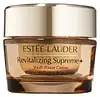
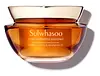
Estée Lauder Revitalizing Supreme+ Youth Power Creme Versus Sulwhasoo Concentrated Ginseng Renewing Cream Classic
This anti-aging day moisturizer is formulated around Moringa Oleifera Seed Extract and Acetyl Hexapeptide-8 to soften the look of wrinkles and hydrate skin.
This anti-aging moisturizer is formulated around Panax Ginseng Root Extract and Retinol to soften the look of wrinkles and hydrate skin.


What's inside
What's inside
 Key Ingredients
Benefits
Concerns
Ingredients Side-by-side
Water
Skin ConditioningDimethicone
Emollient

Glycerin
Humectant

Isohexadecane
EmollientButylene Glycol
Humectant
Bis-PEG-18 Methyl Ether Dimethyl Silane
EmollientPEG-10 Dimethicone
Skin Conditioning
Disteardimonium Hectorite
StabilisingMoringa Oleifera Seed Extract
Skin Conditioning
Hibiscus Sinensis Flower Extract
Skin ConditioningSodium Hyaluronate
Humectant


Acetyl Hexapeptide-8
Humectant
Laminaria Digitata Extract
Skin Protecting

Whey Protein
Skin ConditioningOpuntia Tuna Fruit Extract
Skin ConditioningAcetyl Glucosamine
Skin Conditioning

Tocopheryl Acetate
Antioxidant

Narcissus Tazetta Bulb Extract
Astringent

Squalane
Emollient
Algae Extract
Emollient
Hypnea Musciformis Extract
Skin Protecting
Pyrus Malus Fruit Extract
Skin Conditioning
Cucumis Sativus Fruit Extract
Emollient
Lens Esculenta Fruit Extract
Skin ConditioningCitrullus Lanatus Fruit Extract
Skin Conditioning
Silybum Marianum Extract
Skin Conditioning
Gelidiella Acerosa Extract
Skin Protecting
Helianthus Annuus Seed Extract
Skin Conditioning
Sigesbeckia Orientalis Extract
Skin ConditioningCaffeine
Skin Conditioning
Hordeum Vulgare Extract
EmollientSodium Lactate
Buffering
Triticum Vulgare Germ Extract
Skin ConditioningSorbitol
Humectant
Propylene Glycol Dicaprate
EmollientSucrose
Humectant
Sodium PCA
Humectant
Aminopropyl Ascorbyl Phosphate
Antioxidant


Pentylene Glycol
Skin Conditioning
Caprylyl Glycol
Emollient
Propylene Carbonate
SolventPolyethylene
Abrasive
Polysilicone-11

PEG-32
HumectantPEG-6
HumectantDisodium EDTA
Isoceteth-20
EmulsifyingIsododecane
EmollientCitric Acid
Buffering

Parfum
Masking

BHT
Antioxidant
Sodium Citrate
BufferingPotassium Sorbate
Preservative
Sodium Dehydroacetate
Preservative
Sodium Benzoate
Masking
Phenoxyethanol
Preservative
CI 77491
Cosmetic ColorantWater, Dimethicone, Glycerin, Isohexadecane, Butylene Glycol, Bis-PEG-18 Methyl Ether Dimethyl Silane, PEG-10 Dimethicone, Disteardimonium Hectorite, Moringa Oleifera Seed Extract, Hibiscus Sinensis Flower Extract, Sodium Hyaluronate, Acetyl Hexapeptide-8, Laminaria Digitata Extract, Whey Protein, Opuntia Tuna Fruit Extract, Acetyl Glucosamine, Tocopheryl Acetate, Narcissus Tazetta Bulb Extract, Squalane, Algae Extract, Hypnea Musciformis Extract, Pyrus Malus Fruit Extract, Cucumis Sativus Fruit Extract, Lens Esculenta Fruit Extract, Citrullus Lanatus Fruit Extract, Silybum Marianum Extract, Gelidiella Acerosa Extract, Helianthus Annuus Seed Extract, Sigesbeckia Orientalis Extract, Caffeine, Hordeum Vulgare Extract, Sodium Lactate, Triticum Vulgare Germ Extract, Sorbitol, Propylene Glycol Dicaprate, Sucrose, Sodium PCA, Aminopropyl Ascorbyl Phosphate, Pentylene Glycol, Caprylyl Glycol, Propylene Carbonate, Polyethylene, Polysilicone-11, PEG-32, PEG-6, Disodium EDTA, Isoceteth-20, Isododecane, Citric Acid, Parfum, BHT, Sodium Citrate, Potassium Sorbate, Sodium Dehydroacetate, Sodium Benzoate, Phenoxyethanol, CI 77491
Water
Skin ConditioningGlycerin
Humectant
Squalane
Emollient
Butylene Glycol
Humectant
Cyclopentasiloxane
Emollient
Trehalose
Humectant
Limnanthes Alba Seed Oil
Skin Conditioning

Glyceryl Stearate
Emollient
Phytosteryl Isostearyl Dimer Dilinoleate
EmollientOctyldodecyl Myristate
EmollientCyclohexasiloxane
Emollient
PEG-40 Stearate
Emulsifying
Phytosteryl/Behenyl/Octyldodecyl Lauroyl Glutamate
Skin ConditioningHelianthus Annuus Seed Oil
Emollient
Jojoba Esters
Emollient
Stearic Acid
Cleansing
Propanediol
Solvent
PEG-100 Stearate
Surfactant
Palmitic Acid
Emollient
Methoxy PEG-114/Polyepsilon Caprolactone
BufferingMangifera Indica Seed Butter
Skin Conditioning
Polyacrylate-13
Glycine Soja Oil
Emollient
PEG-30 Dipolyhydroxystearate
Emulsifying
Cetyl PEG/PPG-10/1 Dimethicone
Emulsifying
Phenoxyethanol
Preservative
Glyceryl Linoleate
Emollient
Cetearyl Alcohol
Emollient
Dimethicone
Emollient
Hydrogenated Vegetable Oil
Emollient
Glycine Soja Sterols
Emollient
Propylene Glycol
Humectant
Polyisobutene
Acetyl Glucosamine
Skin Conditioning
Polyquaternium-51
Skin Conditioning
Hexyl Laurate
Emollient
Panax Ginseng Root Extract
Emollient
Tocopherol
Antioxidant
Hydrolyzed Ginseng Saponins
Skin ConditioningCopernicia Cerifera Cera
Emollient
Tocopheryl Linoleate
Antioxidant
1,2-Hexanediol
Skin Conditioning
Pantethine
EmollientSalicylic Acid
Masking


Dimethiconol
Emollient
Glyceryl Linolenate
Emollient
Alcohol
Antimicrobial
Persea Gratissima Oil
Skin Conditioning
Parfum
Masking
Ethylhexylglycerin
Skin ConditioningGlyceryl Arachidonate
Emollient
Gardenia Florida Fruit Extract
Skin ConditioningLauryl PEG/PPG-18/18 Methicone
Skin Conditioning
Vitis Vinifera Leaf Extract
Skin ConditioningPolysorbate 20
Emulsifying
Sorbitan Isostearate
Emulsifying
Beta-Glucan
Skin Conditioning
Disodium EDTA
ChelatingRetinol
Skin Conditioning
Perilla Ocymoides Seed Extract
Antioxidant
Dextrin
AbsorbentPhytosphingosine
Skin Conditioning
Sodium Hyaluronate
Humectant
Isostearyl Alcohol
Emollient
Dodecene
MaskingSodium Chloride
MaskingAscorbyl Palmitate
Antioxidant
Hydrogenated Palm Glycerides Citrate
Emollient
Honey
Humectant
Myristic Acid
Cleansing
Arachidic Acid
Cleansing
Alpha-Isomethyl Ionone
Perfuming
Limonene
Perfuming
Hydrogenated Lecithin
Emulsifying
Rehmannia Glutinosa Root Extract
Skin ConditioningGlycyrrhiza Uralensis Root Extract
Skin Conditioning
BHT
Antioxidant
Linalool
Perfuming
Panax Ginseng Flower Extract
Antioxidant
Benzyl Benzoate
Antimicrobial
Hexyl Cinnamal
Perfuming
Paeonia Lactiflora Root Extract
Skin ConditioningLilium Candidum Bulb Extract
Skin ConditioningPolygonatum Odoratum Rhizome Extract
Skin ConditioningEugenol
Perfuming
Nelumbo Nucifera Flower Extract
Skin ConditioningSodium Polyaspartate
HumectantTbhq
Antioxidant
Caprylyl Glycol
Emollient
Sodium Methyl Stearoyl Taurate
CleansingAcetyl Heptapeptide-4
Humectant
Pentaerythrityl Tetra-Di-T-Butyl Hydroxyhydrocinnamate
Antioxidant
Acetyl Hexapeptide-8
Humectant
Sodium Hydroxide
BufferingAcetyl Octapeptide-3
Humectant
Water, Glycerin, Squalane, Butylene Glycol, Cyclopentasiloxane, Trehalose, Limnanthes Alba Seed Oil, Glyceryl Stearate, Phytosteryl Isostearyl Dimer Dilinoleate, Octyldodecyl Myristate, Cyclohexasiloxane, PEG-40 Stearate, Phytosteryl/Behenyl/Octyldodecyl Lauroyl Glutamate, Helianthus Annuus Seed Oil, Jojoba Esters, Stearic Acid, Propanediol, PEG-100 Stearate, Palmitic Acid, Methoxy PEG-114/Polyepsilon Caprolactone, Mangifera Indica Seed Butter, Polyacrylate-13, Glycine Soja Oil, PEG-30 Dipolyhydroxystearate, Cetyl PEG/PPG-10/1 Dimethicone, Phenoxyethanol, Glyceryl Linoleate, Cetearyl Alcohol, Dimethicone, Hydrogenated Vegetable Oil, Glycine Soja Sterols, Propylene Glycol, Polyisobutene, Acetyl Glucosamine, Polyquaternium-51, Hexyl Laurate, Panax Ginseng Root Extract, Tocopherol, Hydrolyzed Ginseng Saponins, Copernicia Cerifera Cera, Tocopheryl Linoleate, 1,2-Hexanediol, Pantethine, Salicylic Acid, Dimethiconol, Glyceryl Linolenate, Alcohol, Persea Gratissima Oil, Parfum, Ethylhexylglycerin, Glyceryl Arachidonate, Gardenia Florida Fruit Extract, Lauryl PEG/PPG-18/18 Methicone, Vitis Vinifera Leaf Extract, Polysorbate 20, Sorbitan Isostearate, Beta-Glucan, Disodium EDTA, Retinol, Perilla Ocymoides Seed Extract, Dextrin, Phytosphingosine, Sodium Hyaluronate, Isostearyl Alcohol, Dodecene, Sodium Chloride, Ascorbyl Palmitate, Hydrogenated Palm Glycerides Citrate, Honey, Myristic Acid, Arachidic Acid, Alpha-Isomethyl Ionone, Limonene, Hydrogenated Lecithin, Rehmannia Glutinosa Root Extract, Glycyrrhiza Uralensis Root Extract, BHT, Linalool, Panax Ginseng Flower Extract, Benzyl Benzoate, Hexyl Cinnamal, Paeonia Lactiflora Root Extract, Lilium Candidum Bulb Extract, Polygonatum Odoratum Rhizome Extract, Eugenol, Nelumbo Nucifera Flower Extract, Sodium Polyaspartate, Tbhq, Caprylyl Glycol, Sodium Methyl Stearoyl Taurate, Acetyl Heptapeptide-4, Pentaerythrityl Tetra-Di-T-Butyl Hydroxyhydrocinnamate, Acetyl Hexapeptide-8, Sodium Hydroxide, Acetyl Octapeptide-3
Reviews
Ingredients Explained
These ingredients are found in both products.
Ingredients higher up in an ingredient list are typically present in a larger amount.
Acetyl Glucosamine is an antioxidant and humectant. It is an amino acid sugar and is naturally found in our skin.
The cool thing about this ingredient? It helps the skin produce hyaluronic acid and boost hydration. It also has antioxidant benefits to protect skin cells.
When paired with niacinamide, Acetyl Glucosamine has been shown to be effective at reducing discoloration.
Learn more about Acetyl GlucosamineAcetyl Hexapeptide-8 (also known as Argireline) is a synthetic hexapeptide that is often called a "topical Botox alternative".
It works by mimicking how Botox relaxes muscles; it interferes with the signaling process that tells your facial muscles to contract. This can help soften expression lines like forehead wrinkles or crow's feet over time.
The comparison to Botox does have limits because the molecule is water-loving and relatively large.
Acetyl Hexapeptide-8 has a hard time absorbing deeply enough through the skin's outer barrier to actually reach the muscles.
So whether it truly works the way Botox does at a biological level is still up for debate, but early clinical outcomes are fairly encouraging.
A 12 week human study of a multi-ingredient regimen containing this ingredient saw:
While some studies have observed improvements in wrinkle appearance, it is important to note that more consistent results are seen in multi-ingredient formulations (vs just Acetyl Hexapeptide-8 alone).
Some research studies also used higher concentrations (up to 10%) while this ingredient is usually found in concentrations up to 0.005% in leave-on formulations.
Learn more about Acetyl Hexapeptide-8BHT is a synthetic antioxidant and preservative.
As an antioxidant, it helps your body fight off free-radicals. Free-radicals are molecules that may damage your skin cells.
As a preservative, it is used to stabilize products and prevent them from degrading. Specifically, BHT prevents degradation from oxidation.
The concerns related to BHT come from oral studies; this ingredient is currently allowed for use by both the FDA and EU.
However, it was recently restricted for use in the UK as of April 2024.
Learn more about BHTButylene Glycol (or BG) is used within cosmetic products for a few different reasons:
Overall, Butylene Glycol is a safe and well-rounded ingredient that works well with other ingredients.
Though this ingredient works well with most skin types, some people with sensitive skin may experience a reaction such as allergic rashes, closed comedones, or itchiness.
Learn more about Butylene GlycolCaprylyl Glycol is a humectant, skin conditioner, emollient, and preservative booster derived from either caprylic acid or synthetically created.
Typical use levels vary from 0.3-1% as a preservative booster and go up to 2% to condition skin.
Because it is not a free-fatty acid, this ingredient is fungal acne safe (there's nothing for Malassezia to feed on).
Learn more about Caprylyl GlycolDimethicone is a type of synthetic silicone created from natural materials such as quartz. It is also known as polydimethylsiloxane.
What it does:
Dimethicone comes in different viscosities:
Depending on the viscosity, dimethicone has different properties.
Ingredients lists don't always show which type is used, so we recommend reaching out to the brand if you have questions about the viscosity.
This ingredient is unlikely to cause irritation because it does not get absorbed into skin. However, people with silicone allergies should be careful about using this ingredient.
Note: Dimethicone may contribute to pilling. This is because it is not oil or water soluble, so pilling may occur when layered with products. When mixed with heavy oils in a formula, the outcome is also quite greasy.
Learn more about DimethiconeDisodium EDTA is a chelating agent. It grabs onto and deactivates metal ions that sneak into your products from water, packaging, or air.
This ingredient mainly works behind the scenes and helps with:
On top of that, this ingredient can counteract the effects of hard water by binding to the minerals in it.
One thing worth knowing is that Disodium EDTA has been shown to be a mild penetration enhancer. It can help other ingredients absorb into skin more effectively which can be a double-edged sword (great for actives, but can also make the active too strong if you have sensitive skin).
Clinical patch testing showed no significant skin irritation at typical use concentrations and minimal dermal absorption.
You'll most likely see this ingredient near the end of an ingredient list. It's typically found in concentrations less than 1%.
Learn more about Disodium EDTAGlycerin (or glycerol) is a compound naturally found in your skin. It's a powerhouse humectant that pulls water into the stratum corneum.
Topically, glycerin does several things at once:
Your skin makes glycerin on its own (mostly from sebaceous oil breakdown) and shuttles it to your outermost layer of skin, or your epidermis, via aquaporin-3.
Aquaporin-3 is a transporter that is essential for normal skin hydration, elasticity, and repair. Interestingly, mice lacking in AQP3 have dry and less elastic skin that can be fully corrected with glycerin.
This ingredient is non-irritating, plays well with almost every ingredient, and works across all skin types. Typical use is anywhere between 3-10% but can go up to 79% in some leave-on products.
Just know very high concentrations (>40%) can feel tacky in low humidity.
Glycerin is the name for this ingredient in American English. British English uses Glycerol/Glycerine.
Learn more about GlycerinParfum is a catch-all term for an ingredient or more that is used to give a scent to products.
Also called "fragrance", this ingredient can be a blend of hundreds of chemicals or plant oils. This means every product with "fragrance" or "parfum" in the ingredients list is a different mixture.
For instance, Habanolide is a proprietary trade name for a specific aroma chemical. When used as a fragrance ingredient in cosmetics, most aroma chemicals fall under the broad labeling category of “FRAGRANCE” or “PARFUM” according to EU and US regulations.
The term 'parfum' or 'fragrance' is not regulated in many countries. In many cases, it is up to the brand to define this term.
For instance, many brands choose to label themselves as "fragrance-free" because they are not using synthetic fragrances. However, their products may still contain ingredients such as essential oils that are considered a fragrance by INCI standards.
One example is Calendula flower extract. Calendula is an essential oil that still imparts a scent or 'fragrance'.
Depending on the blend, the ingredients in the mixture can cause allergies and sensitivities on the skin. Some ingredients that are known EU allergens include linalool and citronellol.
Parfum can also be used to mask or cover an unpleasant scent.
The bottom line is: not all fragrances/parfum/ingredients are created equally. If you are worried about fragrances, we recommend taking a closer look at an ingredient. And of course, we always recommend speaking with a professional.
Learn more about ParfumPhenoxyethanol is one of the most widely used preservatives in skincare (and for good reason!).
It has a large spectrum of antimicrobial activity and especially effective bacteria, yeast, and mold while only having a weak effect on your skin's natural microbiome.
On a cellular level, it disrupts the cell membranes of microbes by poking holes that make the cell leak. This shuts down the chemical reactions the microbe needs to make energy so it can no longer survive.
Another perk of this ingredient is that it stays functional across a wide pH range (3-10).
You'll often see it paired with boosters like Ethylhexylglycerin; one study showed that a 1:9 ratio of Ethylhexylglycerin to Phenoxyethanol damages bacterial membranes as effectively as doubling the Phenoxyethanol concentration on its own.
Typical use concentrations range from 0.3-1% depending on the formula, and this ingredient is capped at 1% int the EU.
Safety-wise, the fear mongering does not hold up to the evidence. The EU's Scientific Committee on Consumer Safety and FDA consider it safe as a preservative at up to 1%, including for children of all ages.
Adverse systemic effects only showed up in animal studies at exposures roughly 200x higher than what people get from cosmetics. And despite its very widespread use, this ingredient is a rare sensitizer and allergic reactions are uncommon.
Learn more about PhenoxyethanolSodium Hyaluronate is the salt form of hyaluronic acid. It is a long sugar chain that is naturally found in your skin, joints, and connective tissue that maintains hydration and elasticity.
In skincare, it works as a humectant. It pulls water from the environment and deeper layers of skin and binds it to the surface.
Interestingly, the size of the molecule affects its behavior:
Some clinical evidence links low molecular weight versions to improved wrinkle depth, elasticity, anti-inflammatory effects, and barrier repair.
Many serums use a blend of both weights so you can get surface hydration plus longer-lasting and deeper effects.
You'll typically see concentrations between 0.1-2% for this ingredient.
Learn more about Sodium HyaluronateSqualane is the hydrogenated and shelf-stable form of squalene (a lipid that naturally occurs in human sebum).
It is an emollient and skin conditioning agent that is able to integrate seamlessly into the skin's lipid barrier without clogging pores.
This is due to how structurally similar it is to what your skin already produces.
Though it is mostly an emollient that helps soften and hydrate skin, it also has some humectant and occlusive action. Humectants help the skin retain moisture while occlusives seal it in, making squalane a triple-threat moisturizer.
Research shows it has antioxidant capabilities that help protect against stressors like UV exposure, specifically UVA induced oxidative stress. This study also found that it supports collagen biosynthesis in human dermal fibroblasts.
No clinical study has reported significant adverse effects and irritation reactions are very rare from this ingredient (even at 100% concentration).
Overall, it's a fantastic ingredient for hydration and is suitable for all skin types.
This depends on the source. Squalane can be derived from both plants and animals. Most squalane used in skincare comes from plants.
Please note: the source of squalane is only known if disclosed by the brand. We recommend reaching out to the brand if you have any questions about their squalane.
Read more about squalene with an "e".
Though squalane is often called an oil, it’s technically not one. It is a hydrocarbon, meaning it is only made of carbon and hydrogen. True oils are triglycerides and made of fatty acids and glycerol.
The term “oil-free” isn’t regulated so companies can define it however they want. Some exclude all oils, while others just avoid mineral oil or comedogenic oils.
Squalane has a comedogenic rating of 1 from the original 1972 study that tested raw ingredients under occlusion on rabbit ears. This system is not standardized or peer-reviewed, and using the raw ingredients is very different from how diluted cosmetic formulations are used on human skin.
A comedogenic rating of 1 means it is "unlikely to clog pores" according to the original rating system.
The overall formula of a product matters more than the individual ingredients on whether or not it will cause clogged pores.
Learn more about SqualaneWater. It's the most common cosmetic ingredient of all. You'll usually see it at the top of ingredient lists, meaning that it makes up the largest part of the product.
So why is it so popular? Water most often acts as a solvent - this means that it helps dissolve other ingredients into the formulation.
You'll also recognize water as that liquid we all need to stay alive. If you see this, drink a glass of water. Remember to stay hydrated!
Learn more about Water

