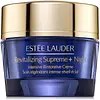
This anti-aging night moisturizer is formulated around Niacinamide and Moringa Oleifera Seed Extract to soften the look of wrinkles and hydrate skin.
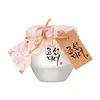
This barrier-repair moisturizer is formulated around Niacinamide and Adenosine to strengthen the skin barrier and hydrate skin.


What's inside
What's inside
 Key Ingredients
Benefits
Concerns
Ingredients Side-by-side
Water
Skin ConditioningGlycine Soja Oil
Emollient








Caprylic/Capric/Myristic/Stearic Triglyceride
EmollientGlycerin
Humectant

Prunus Amygdalus Dulcis Oil
Skin Conditioning
Dimethicone
Emollient
Stearyl Alcohol
Emollient
Butylene Glycol
Humectant
Steareth-2
EmulsifyingCocos Nucifera Oil
Masking

Vitis Vinifera Seed Oil
Emollient
Glyceryl Stearate
Emollient
Niacinamide
Smoothing






Propanediol
Solvent
Steareth-21
CleansingMoringa Oleifera Seed Extract
Skin Conditioning
Limonium Vulgare Flower/Leaf/Stem Extract
Skin ConditioningSodium Hyaluronate
Humectant
Acetyl Hexapeptide-8
Humectant
Laminaria Digitata Extract
Skin Protecting
Whey Protein
Skin ConditioningAcetyl Glucosamine
Skin Conditioning
Opuntia Tuna Fruit Extract
Skin ConditioningTocopheryl Acetate
Antioxidant

Citrullus Lanatus Fruit Extract
Skin Conditioning
Persea Gratissima Oil
Skin Conditioning
Mangifera Indica Seed Oil
Emollient
Aminopropyl Ascorbyl Phosphate
Antioxidant
Algae Extract
Emollient
Caffeine
Skin Conditioning
Cucumis Sativus Fruit Extract
Emollient
Pyrus Malus Fruit Extract
Skin Conditioning
Narcissus Tazetta Bulb Extract
Astringent

Sigesbeckia Orientalis Extract
Skin ConditioningButyrospermum Parkii Butter
Skin Conditioning
Lens Esculenta Fruit Extract
Skin ConditioningSilybum Marianum Seed Oil
Skin Conditioning
Limnanthes Alba Seed Oil
Skin Conditioning
Hordeum Vulgare Extract
EmollientSimmondsia Chinensis Seed Oil
Emollient
Macadamia Integrifolia Seed Oil
Skin Conditioning
Olea Europaea Fruit Oil
Masking
Dextrin Palmitate
Emulsifying
Sodium Hydroxide
BufferingCarbomer
Emulsion StabilisingBehenyl Alcohol
Emollient
Caprylyl Glycol
Emollient
Hydroxyethyl Urea
Humectant
Propylene Glycol Dicaprate
EmollientCholesterol
Emollient
Isoceteth-20
EmulsifyingLactoperoxidase
StabilisingHelianthus Annuus Seedcake
Abrasive
Sodium Polyaspartate
HumectantSorbitol
Humectant
Glucose
Humectant
Cetyl Alcohol
Emollient
Myristyl Alcohol
Emollient
Sodium Lactate
Buffering
Citric Acid
Buffering
Sodium PCA
Humectant
Glucose Oxidase
StabilisingPotassium Phosphate
BufferingSodium Chloride
MaskingParfum
Masking
Disodium EDTA
ChelatingBHT
Antioxidant
Potassium Sorbate
Preservative
Sodium Benzoate
Masking
Phenoxyethanol
Preservative
CI 19140
Cosmetic ColorantCI 14700
Cosmetic ColorantCI 77491
Cosmetic ColorantCI 77492
Cosmetic ColorantWater, Glycine Soja Oil, Caprylic/Capric/Myristic/Stearic Triglyceride, Glycerin, Prunus Amygdalus Dulcis Oil, Dimethicone, Stearyl Alcohol, Butylene Glycol, Steareth-2, Cocos Nucifera Oil, Vitis Vinifera Seed Oil, Glyceryl Stearate, Niacinamide, Propanediol, Steareth-21, Moringa Oleifera Seed Extract, Limonium Vulgare Flower/Leaf/Stem Extract, Sodium Hyaluronate, Acetyl Hexapeptide-8, Laminaria Digitata Extract, Whey Protein, Acetyl Glucosamine, Opuntia Tuna Fruit Extract, Tocopheryl Acetate, Citrullus Lanatus Fruit Extract, Persea Gratissima Oil, Mangifera Indica Seed Oil, Aminopropyl Ascorbyl Phosphate, Algae Extract, Caffeine, Cucumis Sativus Fruit Extract, Pyrus Malus Fruit Extract, Narcissus Tazetta Bulb Extract, Sigesbeckia Orientalis Extract, Butyrospermum Parkii Butter, Lens Esculenta Fruit Extract, Silybum Marianum Seed Oil, Limnanthes Alba Seed Oil, Hordeum Vulgare Extract, Simmondsia Chinensis Seed Oil, Macadamia Integrifolia Seed Oil, Olea Europaea Fruit Oil, Dextrin Palmitate, Sodium Hydroxide, Carbomer, Behenyl Alcohol, Caprylyl Glycol, Hydroxyethyl Urea, Propylene Glycol Dicaprate, Cholesterol, Isoceteth-20, Lactoperoxidase, Helianthus Annuus Seedcake, Sodium Polyaspartate, Sorbitol, Glucose, Cetyl Alcohol, Myristyl Alcohol, Sodium Lactate, Citric Acid, Sodium PCA, Glucose Oxidase, Potassium Phosphate, Sodium Chloride, Parfum, Disodium EDTA, BHT, Potassium Sorbate, Sodium Benzoate, Phenoxyethanol, CI 19140, CI 14700, CI 77491, CI 77492
Water
Skin ConditioningGlycerin
Humectant
Butylene Glycol
Humectant
Niacinamide
Smoothing
Dipentaerythrityl Hexa C5-9 Acid Esters
Skin ConditioningSodium Hyaluronate
Humectant
Xanthan Gum
EmulsifyingCyclopentasiloxane
Emollient
Cyclohexasiloxane
Emollient
Polyacrylate-13
Polyisobutene
Polysorbate 20
Emulsifying
Hydrogenated Lecithin
Emulsifying
C14-28 Alkyl Acid
Stearyl Alcohol
Emollient
Behenyl Alcohol
Emollient
Dimethicone/Vinyl Dimethicone Crosspolymer
Skin Conditioning
Dimethicone
Emollient
Adenosine
Skin Conditioning
Glyceryl Stearate Se
Emulsifying
Cetearyl Alcohol
Emollient
Polyglyceryl-3 Methylglucose Distearate
Emulsifying
Cetyl PEG/PPG-10/1 Dimethicone
Emulsifying
Stearic Acid
Cleansing
Tocopheryl Acetate
Antioxidant
Sodium Polyacrylate
Absorbent
Olea Europaea Fruit Oil
Masking
Helianthus Annuus Seed Oil
Emollient
Centella Asiatica Extract
Cleansing
Hippophae Rhamnoides Oil
Emollient
Argania Spinosa Kernel Oil
Emollient
Butyrospermum Parkii Butter
Skin Conditioning
Ceramide NP
Skin Conditioning
Trehalose
Humectant
Calendula Officinalis Flower Extract
Masking
Caprylhydroxamic Acid
Chelating1,2-Hexanediol
Skin Conditioning
Raphanus Sativus Leaf Extract
HumectantOryza Sativa Bran Extract
Skin Conditioning
Cucurbitaceae Extract
Skin ConditioningOrchid Extract
Skin ConditioningHoney Extract
Humectant
Panax Ginseng Root Extract
Emollient
Carthamus Tinctorius Seed Oil
Masking
Phytosphingosine
Skin Conditioning
Ceteareth-20
Cleansing
Glyceryl Citrate/Lactate/Linoleate/Oleate
Emulsifying
Parfum
Masking
Water, Glycerin, Butylene Glycol, Niacinamide, Dipentaerythrityl Hexa C5-9 Acid Esters, Sodium Hyaluronate, Xanthan Gum, Cyclopentasiloxane, Cyclohexasiloxane, Polyacrylate-13, Polyisobutene, Polysorbate 20, Hydrogenated Lecithin, C14-28 Alkyl Acid, Stearyl Alcohol, Behenyl Alcohol, Dimethicone/Vinyl Dimethicone Crosspolymer, Dimethicone, Adenosine, Glyceryl Stearate Se, Cetearyl Alcohol, Polyglyceryl-3 Methylglucose Distearate, Cetyl PEG/PPG-10/1 Dimethicone, Stearic Acid, Tocopheryl Acetate, Sodium Polyacrylate, Olea Europaea Fruit Oil, Helianthus Annuus Seed Oil, Centella Asiatica Extract, Hippophae Rhamnoides Oil, Argania Spinosa Kernel Oil, Butyrospermum Parkii Butter, Ceramide NP, Trehalose, Calendula Officinalis Flower Extract, Caprylhydroxamic Acid, 1,2-Hexanediol, Raphanus Sativus Leaf Extract, Oryza Sativa Bran Extract, Cucurbitaceae Extract, Orchid Extract, Honey Extract, Panax Ginseng Root Extract, Carthamus Tinctorius Seed Oil, Phytosphingosine, Ceteareth-20, Glyceryl Citrate/Lactate/Linoleate/Oleate, Parfum
Reviews
Alternatives
Ingredients Explained
These ingredients are found in both products.
Ingredients higher up in an ingredient list are typically present in a larger amount.
Behenyl Alcohol is a type of fatty alcohol (these are different from the drying, solvent alcohols).
Fatty Alcohols have hydrating properties and are most often used as an emollient or to thicken a product. They are usually derived from natural fats and oils; behenyl alcohol is derived from the fats of vegetable oils.
Emollients help keep your skin soft and hydrated by creating a film that traps moisture in.
In 2000, Behenyl Alcohol was approved by the US as medicine to reduce the duration of cold sores.
Learn more about Behenyl AlcoholButylene Glycol (or BG) is used within cosmetic products for a few different reasons:
Overall, Butylene Glycol is a safe and well-rounded ingredient that works well with other ingredients.
Though this ingredient works well with most skin types, some people with sensitive skin may experience a reaction such as allergic rashes, closed comedones, or itchiness.
Learn more about Butylene GlycolThis ingredient is also known as shea butter. It is a plant-derived extract from the nuts of the Africa shea tree and one of the most well-studied emollients.
Because it has a high concentration of fatty acids (primarily oleic, stearic, and linoleic) it is able to form a protective barrier on the skin's surface. This helps seal in moisture and prevents transepidermal water loss (TEWL).
In vitro research found an increase in skin hydration by 58% and a decrease in TEWL by 37.8% after 24 hours of applying this ingredient (pretty impressive for a single ingredient!).
Besides hydration, shea butter also contains triterpenes that have anti-inflammatory potential. In particule, lupeol cinnamate has shown the highest anti-inflammatory activity in vivo.
Shea butter also contains vitamins A and E which may contribute to antioxidant activity.
While Shea Butter has an SPF rating of about 3-4, it is not a sunscreen replacement.
This ingredient may not be fungal acne safe because its fatty acids fall within the C11-C24 range that the Malassezia yeast can metabolize.
This ingredient shows up on a lot of "pore-clogging" lists but there's no real evidence behind that. It doesn't even have a comedogenic rating from an actual study; the numbers you'll find online come from blogs citing other blogs.
Ratings for other ingredients mostly come from a 1980s rabbit ear test. This test doesn't translate well to human skin or to real products because the ingredient sits at a much lower percentage.
Some people still find it breaks them out. So if that's you, definitely trust your skin. Just know this one's based on experience and not evidence.
Learn more about Butyrospermum Parkii ButterDimethicone is a type of synthetic silicone created from natural materials such as quartz. It is also known as polydimethylsiloxane.
What it does:
Dimethicone comes in different viscosities:
Depending on the viscosity, dimethicone has different properties.
Ingredients lists don't always show which type is used, so we recommend reaching out to the brand if you have questions about the viscosity.
This ingredient is unlikely to cause irritation because it does not get absorbed into skin. However, people with silicone allergies should be careful about using this ingredient.
Note: Dimethicone may contribute to pilling. This is because it is not oil or water soluble, so pilling may occur when layered with products. When mixed with heavy oils in a formula, the outcome is also quite greasy.
Learn more about DimethiconeGlycerin (or glycerol) is a compound naturally found in your skin. It's a powerhouse humectant that pulls water into the stratum corneum.
Topically, glycerin does several things at once:
Your skin makes glycerin on its own (mostly from sebaceous oil breakdown) and shuttles it to your outermost layer of skin, or your epidermis, via aquaporin-3.
Aquaporin-3 is a transporter that is essential for normal skin hydration, elasticity, and repair. Interestingly, mice lacking in AQP3 have dry and less elastic skin that can be fully corrected with glycerin.
This ingredient is non-irritating, plays well with almost every ingredient, and works across all skin types. Typical use is anywhere between 3-10% but can go up to 79% in some leave-on products.
Just know very high concentrations (>40%) can feel tacky in low humidity.
Glycerin is the name for this ingredient in American English. British English uses Glycerol/Glycerine.
Learn more about GlycerinNiacinamide is a multitasking form of vitamin B3 that strengthens the skin barrier, reduces pores and dark spots, regulates oil, and improves signs of aging.
And the best part? It's gentle and well-tolerated by most skin types, including sensitive and reactive skin.
You might have heard of "niacin flush", or the reddening of skin that causes itchiness. Niacinamide has not been found to cause this.
In very rare cases, some individuals may not be able to tolerate niacinamide at all or experience an allergic reaction to it.
If you are experiencing flaking, irritation, and dryness with this ingredient, be sure to double check all your products as this ingredient can be found in all categories of skincare.
When incorporating niacinamide into your routine, look out for concentration amounts. Typically, 5% niacinamide provides benefits such as fading dark spots. However, if you have sensitive skin, it is better to begin with a smaller concentration.
When you apply niacinamide to your skin, your body converts it into nicotinamide adenine dinucleotide (NAD). NAD is an essential coenzyme that is already found in your cells as "fuel" and powers countless biological processes.
In your skin, NAD helps repair cell damage, produce new healthy cells, support collagen production, strengthen the skin barrier, and fight environmental stressors (like UV and pollution).
Our natural NAD levels start to decline with age, leading to slower skin repair, visible aging, and a weaker skin barrier. By providing your skin niacinamide, you're recharging your skin's NAD levels. This leads to stronger, healthier, and younger looking skin.
Another name for vitamin B3 is nicotinamide. This vitamin is water-soluble and our bodies don't store it. We obtain Vitamin B3 from either food or skincare. Meat, fish, wheat, yeast, and leafy greens contain vitamin B3.
The type of niacinamide used in skincare is synthetically created.
Learn more about NiacinamideThis ingredient is also known as olive oil. It has been used in skincare for centuries and science largely backs up its reputation as a nourishing emollient.
The main components of olive oil are oleic acid (55-83%), linoleic acid (3.5-20%), and palmitic acid (7-20%). Oleic acid promotes skin regeneration and helps regulate inflammatory responses.
Squalene is also naturally present in olive oil and exhibits moisturizing and antioxidant properties.
The polyphenols in olive oil also show anti-aging promise; one clinical study found a measurable improvement in skin appearance after 30 days of topical serum use.
Just be aware that applying olive oil directly to skin can weaken the barrier and cause redness. One study with volunteers found even people without sensitive skin experienced a significant reduction in stratum corneum integrity and induced mild erythema.
It's best to use this ingredient as part of a carefully crafted formula (instead of putting it on skin directly from the bottle).
Because it has a 0-2 on the comedogenic scale, it is low risk for acne-prone skin. Just remember the overall formulation of a product matters more than a few ingredients with comedogenic ratings.
This ingredient may not be fungal acne safe because of the oleic and palmitic acid content. These fall within the C11-24 fatty acid range that the Malassezia yeast can metabolize to grow.
Overall, olive oil is a well-studied and nourishing skincare ingredient.
Learn more about Olea Europaea Fruit OilParfum is a catch-all term for an ingredient or more that is used to give a scent to products.
Also called "fragrance", this ingredient can be a blend of hundreds of chemicals or plant oils. This means every product with "fragrance" or "parfum" in the ingredients list is a different mixture.
For instance, Habanolide is a proprietary trade name for a specific aroma chemical. When used as a fragrance ingredient in cosmetics, most aroma chemicals fall under the broad labeling category of “FRAGRANCE” or “PARFUM” according to EU and US regulations.
The term 'parfum' or 'fragrance' is not regulated in many countries. In many cases, it is up to the brand to define this term.
For instance, many brands choose to label themselves as "fragrance-free" because they are not using synthetic fragrances. However, their products may still contain ingredients such as essential oils that are considered a fragrance by INCI standards.
One example is Calendula flower extract. Calendula is an essential oil that still imparts a scent or 'fragrance'.
Depending on the blend, the ingredients in the mixture can cause allergies and sensitivities on the skin. Some ingredients that are known EU allergens include linalool and citronellol.
Parfum can also be used to mask or cover an unpleasant scent.
The bottom line is: not all fragrances/parfum/ingredients are created equally. If you are worried about fragrances, we recommend taking a closer look at an ingredient. And of course, we always recommend speaking with a professional.
Learn more about ParfumSodium Hyaluronate is the salt form of hyaluronic acid. It is a long sugar chain that is naturally found in your skin, joints, and connective tissue that maintains hydration and elasticity.
In skincare, it works as a humectant. It pulls water from the environment and deeper layers of skin and binds it to the surface.
Interestingly, the size of the molecule affects its behavior:
Some clinical evidence links low molecular weight versions to improved wrinkle depth, elasticity, anti-inflammatory effects, and barrier repair.
Many serums use a blend of both weights so you can get surface hydration plus longer-lasting and deeper effects.
You'll typically see concentrations between 0.1-2% for this ingredient.
Learn more about Sodium HyaluronateStearyl Alcohol is a type of fatty alcohol from stearic acid. It is a white, waxy compound used to emulsify ingredients used as an emollient or to thicken a product.
Emollients help soothe and hydrate the skin by trapping moisture.
Fatty alcohols are usually derived from natural fats and oils and therefore do not have the same drying or irritating effect as solvent (ethanol) alcohols.
The FDA allows products labeled "alcohol-free" to have fatty alcohols.
This ingredient may not be fungal acne safe. It is a primary fatty alcohol with a chain length above 12 carbons. A study from 2019 show Malassezia can feed on fatty alcohols in this range, so it may trigger fungal acne in those prone to it.
Learn more about Stearyl AlcoholTocopheryl Acetate is a stable, shelf-friendly form of vitamin E.
Formulators love it because plain vitamin E oxidizes quickly once it hits air. This acetate version stays stable and resists going off, helping to extend a product's shelf life.
It's actually inactive on its own and works like a slow-release "storage" form; the enzymes in your skin called esterases gradually convert it into active vitamin E over time.
One in vivo study showed 5% of the acetate in the living layer of the epidermis converted to vitamin E after 5 days of application. This study also found the skin gained protection against UV damage even though the conversion was slow and small.
Once converted, vitamin E acts as a skin's main fat-soluble antioxidant that fights free radicals to protect skin from damage.
Topical vitamin E generally boosts the skin's photoprotection, and it reduced UV-damage in animal models.
This ingredient has some brightening potential but it's more of a prevention ingredient than spot-fader. Cell studies show it can slow down melanin production but it's worth noting that it's not the most powerful brightener out there.
Overall, it has a pretty solid safety profile and has been found to be non-irritating and non-comedogenic. Allergic reactions may happen but stay rare due to how widely the ingredient gets used.
The concentration will vary depending on the formula; industry data shows 0.1% in baby lotions, 3% in lipsticks, and 5% in foot powders. You can also find this ingredient at 100% in a pure vitamin E oil.
Most leave-on skincare keeps it at the lower end, often between 0.5-1%.
Learn more about Tocopheryl AcetateWater. It's the most common cosmetic ingredient of all. You'll usually see it at the top of ingredient lists, meaning that it makes up the largest part of the product.
So why is it so popular? Water most often acts as a solvent - this means that it helps dissolve other ingredients into the formulation.
You'll also recognize water as that liquid we all need to stay alive. If you see this, drink a glass of water. Remember to stay hydrated!
Learn more about Water

