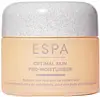
This moisturizer is formulated around Xylitylglucoside and Inulin to hydrate skin.
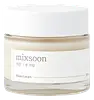
This barrier-repair moisturizer is formulated around Lactobacillus/Punica Granatum Fruit Ferment Extract and Panthenol to strengthen the skin barrier and hydrate skin.


What's inside
What's inside
 Key Ingredients
Benefits
Concerns
Ingredients Side-by-side
Water
Skin ConditioningCoconut Alkanes
Emollient


Polyglyceryl-6 Distearate
Emulsifying

Helianthus Annuus Seed Oil Unsaponifiables
Emollient
Polyglyceryl-2 Stearate
Emulsifying
Cetyl Stearate
Emollient
Xylitylglucoside
Humectant
Pectin
Emulsion StabilisingInulin
Skin Conditioning
Coco-Caprylate/Caprate
Emollient
Plukenetia Volubilis Seed Oil
Emollient
Propanediol
Solvent
Ethylhexyl Palmitate
Emollient
Caprylic/Capric Triglyceride
Masking
Glyceryl Stearate
Emollient
Anhydroxylitol
Humectant
Cetyl Alcohol
Emollient
Phenoxyethanol
Preservative
Stearyl Alcohol
Emollient
Glycerin
Humectant
Isostearyl Isostearate
Emollient
Potassium Cetyl Phosphate
EmulsifyingJojoba Esters
Emollient
Helianthus Annuus Seed Oil
Emollient
Limonene
Perfuming


Citrus Aurantium Dulcis Peel Oil
Masking
Sclerotium Gum
Emulsion StabilisingXylitol
Humectant
Alpha-Glucan Oligosaccharide
Cleansing
Polyglyceryl-3 Beeswax
Emulsifying
Benzoic Acid
Masking
Citrus Aurantium Amara Flower Oil
Masking
Citrus Aurantium Bergamia Fruit Oil
Masking
Citrus Nobilis Peel Oil
Masking
Parfum
Masking
Sodium Hydroxide
BufferingDehydroacetic Acid
Preservative
Glucose
Humectant
Alaria Esculenta Extract
Skin Protecting
Lonicera Caprifolium Flower Extract
Perfuming
Linalool
Perfuming
Rosmarinus Officinalis Leaf Extract
AntimicrobialAsparagus Officinalis Stem Extract
Skin ConditioningMyrothamnus Flabellifolia Leaf/Stem Extract
HumectantEthylhexylglycerin
Skin ConditioningSilica Dimethyl Silylate
EmollientLonicera Japonica Flower Extract
Skin ConditioningSorbitol
Humectant
Hydrolyzed Yeast Protein
Skin ConditioningStearic Acid
Cleansing
Sodium Benzoate
Masking
Butylene Glycol
Humectant
Lactic Acid
Buffering






Lecithin
Emollient
Caprylyl Glycol
Emollient
Ascorbic Acid
Antioxidant

Calcium Gluconate
HumectantCitric Acid
Buffering
Gluconolactone
Skin Conditioning

Potassium Sorbate
Preservative
Geraniol
Perfuming
Jasminum Officinale Flower Extract
Masking
Rosa Damascena Flower Oil
Masking
Citronellol
Perfuming
Sodium Hyaluronate
Humectant

Xanthan Gum
EmulsifyingTocopheryl Acetate
Antioxidant
Citral
Perfuming
Hexylene Glycol
EmulsifyingTocopherol
Antioxidant
Glyceryl Linoleate
Emollient
Glyceryl Linolenate
Emollient
Disodium EDTA
Sodium Ascorbyl Phosphate
Antioxidant
Retinyl Palmitate
Skin Conditioning
Glyceryl Caprylate
EmollientOleic Acid
Emollient
Iron Oxides
Water, Coconut Alkanes, Polyglyceryl-6 Distearate, Helianthus Annuus Seed Oil Unsaponifiables, Polyglyceryl-2 Stearate, Cetyl Stearate, Xylitylglucoside, Pectin, Inulin, Coco-Caprylate/Caprate, Plukenetia Volubilis Seed Oil, Propanediol, Ethylhexyl Palmitate, Caprylic/Capric Triglyceride, Glyceryl Stearate, Anhydroxylitol, Cetyl Alcohol, Phenoxyethanol, Stearyl Alcohol, Glycerin, Isostearyl Isostearate, Potassium Cetyl Phosphate, Jojoba Esters, Helianthus Annuus Seed Oil, Limonene, Citrus Aurantium Dulcis Peel Oil, Sclerotium Gum, Xylitol, Alpha-Glucan Oligosaccharide, Polyglyceryl-3 Beeswax, Benzoic Acid, Citrus Aurantium Amara Flower Oil, Citrus Aurantium Bergamia Fruit Oil, Citrus Nobilis Peel Oil, Parfum, Sodium Hydroxide, Dehydroacetic Acid, Glucose, Alaria Esculenta Extract, Lonicera Caprifolium Flower Extract, Linalool, Rosmarinus Officinalis Leaf Extract, Asparagus Officinalis Stem Extract, Myrothamnus Flabellifolia Leaf/Stem Extract, Ethylhexylglycerin, Silica Dimethyl Silylate, Lonicera Japonica Flower Extract, Sorbitol, Hydrolyzed Yeast Protein, Stearic Acid, Sodium Benzoate, Butylene Glycol, Lactic Acid, Lecithin, Caprylyl Glycol, Ascorbic Acid, Calcium Gluconate, Citric Acid, Gluconolactone, Potassium Sorbate, Geraniol, Jasminum Officinale Flower Extract, Rosa Damascena Flower Oil, Citronellol, Sodium Hyaluronate, Xanthan Gum, Tocopheryl Acetate, Citral, Hexylene Glycol, Tocopherol, Glyceryl Linoleate, Glyceryl Linolenate, Disodium EDTA, Sodium Ascorbyl Phosphate, Retinyl Palmitate, Glyceryl Caprylate, Oleic Acid, Iron Oxides
Water
Skin ConditioningGlycerin
Humectant
Caprylic/Capric Triglyceride
Masking
Hydrogenated Polyisobutene
EmollientPolyglyceryl-3 Distearate
Emulsifying
Glyceryl Stearate Citrate
Emollient
Hydrogenated Coco-Glycerides
Emollient
Limnanthes Alba Seed Oil
Skin Conditioning
Butylene Glycol
Humectant
Diisostearyl Malate
EmollientVinyldimethicone

Lactobacillus/Soybean Ferment Extract
Skin ConditioningLactobacillus/Punica Granatum Fruit Ferment Extract
Antioxidant
Saccharomyces/Barley Seed Ferment Filtrate
HumectantLactobacillus/Pear Juice Ferment Filtrate
Skin ConditioningPanthenol
Skin Conditioning
Dipotassium Glycyrrhizate
Humectant
Hydrogenated Lecithin
Emulsifying
Melia Azadirachta Flower Extract
Skin ConditioningOcimum Sanctum Leaf Extract
Skin ConditioningMelia Azadirachta Leaf Extract
Skin ConditioningCurcuma Longa Root Extract
Antioxidant
Corallina Officinalis Extract
Skin Conditioning
Eclipta Prostrata Extract
Skin Conditioning
Coccinia Indica Fruit Extract
Skin Conditioning
Ethylhexylglycerin
Skin ConditioningCitrus Aurantium Bergamia Fruit Oil
Masking
Lavandula Angustifolia Oil
Masking
Anthemis Nobilis Flower Oil
Masking
Stearic Acid
Cleansing
Palmitic Acid
Emollient
Oleic Acid
Emollient
Cetearyl Alcohol
Emollient
Hydroxyethyl Acrylate/Sodium Acryloyldimethyl Taurate Copolymer
Emulsion StabilisingGlyceryl Stearate
Emollient
Hydroxyacetophenone
Antioxidant
Sorbitan Isostearate
Emulsifying
Carbomer
Emulsion StabilisingTromethamine
BufferingPropanediol
Solvent
Adenosine
Skin Conditioning
Disodium EDTA
Sodium Polyacrylate
Absorbent
Water, Glycerin, Caprylic/Capric Triglyceride, Hydrogenated Polyisobutene, Polyglyceryl-3 Distearate, Glyceryl Stearate Citrate, Hydrogenated Coco-Glycerides, Limnanthes Alba Seed Oil, Butylene Glycol, Diisostearyl Malate, Vinyldimethicone, Lactobacillus/Soybean Ferment Extract, Lactobacillus/Punica Granatum Fruit Ferment Extract, Saccharomyces/Barley Seed Ferment Filtrate, Lactobacillus/Pear Juice Ferment Filtrate, Panthenol, Dipotassium Glycyrrhizate, Hydrogenated Lecithin, Melia Azadirachta Flower Extract, Ocimum Sanctum Leaf Extract, Melia Azadirachta Leaf Extract, Curcuma Longa Root Extract, Corallina Officinalis Extract, Eclipta Prostrata Extract, Coccinia Indica Fruit Extract, Ethylhexylglycerin, Citrus Aurantium Bergamia Fruit Oil, Lavandula Angustifolia Oil, Anthemis Nobilis Flower Oil, Stearic Acid, Palmitic Acid, Oleic Acid, Cetearyl Alcohol, Hydroxyethyl Acrylate/Sodium Acryloyldimethyl Taurate Copolymer, Glyceryl Stearate, Hydroxyacetophenone, Sorbitan Isostearate, Carbomer, Tromethamine, Propanediol, Adenosine, Disodium EDTA, Sodium Polyacrylate
Reviews
Ingredients Explained
These ingredients are found in both products.
Ingredients higher up in an ingredient list are typically present in a larger amount.
Butylene Glycol (or BG) is used within cosmetic products for a few different reasons:
Overall, Butylene Glycol is a safe and well-rounded ingredient that works well with other ingredients.
Though this ingredient works well with most skin types, some people with sensitive skin may experience a reaction such as allergic rashes, closed comedones, or itchiness.
Learn more about Butylene GlycolCaprylic/Capric Triglyceride (aka MCT Oil) is a lightweight emollient, solvent, and texture enhancer. It is considered a skin-softener by helping to prevent moisture loss.
Though it behaves like an oil, it is not technically one due to its chemical composition. One perk of this ingredient is that it is very stable, resistant to oxidation, and unlikely to go rancid.
In practice, that translates to a long shelf life and a consistently elegant skin feel.
While there is an assumption Caprylic Triglyceride can clog pores due to it being derived from coconut oil, there is no research supporting this. Just patch test if you have concerns.
Fractionated coconut oil and MCT Oil are both listed as Caprylic/Capric Triglyceride according to INCI. This is because INCI names are based on the ingredient’s final chemical composition and not its marketing name or source.
This ingredient is treated as the gold standard fungal acne safe oil. Even though it is coconut derived, the problematic lauric acid is stripped out.
This leaves just caprylic (C8) and capric (C10) acid. These chain lengths actually trend antifungal; a 2020 study found caprylic acid was enough to disrupt Malassezia furfur cell membrane, with a caprylic acid derivative damaging membrane structures at concentrations as low as 0.2%.
Learn more about Caprylic/Capric TriglycerideCitrus Aurantium Bergamia Fruit Oil is the oil from the bergamot orange and is primarily used as a fragrance. It has a "fresh" and "bright orange" scent.
The main aroma compounds found in this ingredient are limonene (~27-52%), linalool (~2-22%), and linalyl acetate (~27-40%). These are known EU fragrance allergens.
The term 'fragrance' is not regulated in many countries. In many cases, it is up to the brand to define this term. For instance, many brands choose to label themselves as "fragrance-free" because they are not using synthetic fragrances. However, their products may still contain ingredients such as essential oils that are considered a fragrance.
When used topically, Citrus Aurantium Bergamia Fruit Oil is a photosensitizer due to the furanocoumarin content. Furanocoumarins absorb UV-A and cause phytophotodermatitis; this can look like redness, blistering, and lasting brown pigmentation on sun-exposed skin.
Due to this, this ingredient is capped at 0.4% in leave-on products applied to sun exposed skin.
Many modern formulas used a "furanocoumarin-free" version that sidesteps the phototoxicity issue, but still contains the fragrance allergens.
Learn more about Citrus Aurantium Bergamia Fruit OilDisodium EDTA is a chelating agent. It grabs onto and deactivates metal ions that sneak into your products from water, packaging, or air.
This ingredient mainly works behind the scenes and helps with:
On top of that, this ingredient can counteract the effects of hard water by binding to the minerals in it.
One thing worth knowing is that Disodium EDTA has been shown to be a mild penetration enhancer. It can help other ingredients absorb into skin more effectively which can be a double-edged sword (great for actives, but can also make the active too strong if you have sensitive skin).
Clinical patch testing showed no significant skin irritation at typical use concentrations and minimal dermal absorption.
You'll most likely see this ingredient near the end of an ingredient list. It's typically found in concentrations less than 1%.
Learn more about Disodium EDTAEthylhexylglycerin is created from glycerin. It is a multitasker ingredient that:
The CIR Expert Panel found minimal skin absorption or sensitization of any kind in a safety assessment. Though this ingredient is considered well-tolerated, a small number of cases of allergic dermatitis have been published since 2002. Just be sure to patch test if you are unsure.
Industry-reported use ranges from 8% in rinse-off products and 2% in leave-on formulations.
Learn more about EthylhexylglycerinGlycerin (or glycerol) is a compound naturally found in your skin. It's a powerhouse humectant that pulls water into the stratum corneum.
Topically, glycerin does several things at once:
Your skin makes glycerin on its own (mostly from sebaceous oil breakdown) and shuttles it to your outermost layer of skin, or your epidermis, via aquaporin-3.
Aquaporin-3 is a transporter that is essential for normal skin hydration, elasticity, and repair. Interestingly, mice lacking in AQP3 have dry and less elastic skin that can be fully corrected with glycerin.
This ingredient is non-irritating, plays well with almost every ingredient, and works across all skin types. Typical use is anywhere between 3-10% but can go up to 79% in some leave-on products.
Just know very high concentrations (>40%) can feel tacky in low humidity.
Glycerin is the name for this ingredient in American English. British English uses Glycerol/Glycerine.
Learn more about GlycerinGlyceryl Stearate is made by reacting glycerin with stearic acid (typically sourced from plant oils like palm or coconut). It's an emulsifier, emollient, and mild occlusive.
Emulsifiers help ingredients like oil and water stay mixed so your formula stays nicely blended and uniform in texture.
This ingredient is typically used in concentrations between 1-10%. Studies have found it to be non-sensitizing, non-phototoxic, and non-photoallergenic.
A close cousin of this ingredient is Glyceryl Stearate SE ("self-emulsifying"). This just has a small amount of sodium or potassium stearate added so it can emulsify without a co-emulsifier.
Since this ingredient is an ester of a C18 fatty acid, it may not be fungal acne safe. The Malassezia yeast can potentially metabolize within the C11-C24 range.
Fun fact: The human body also creates Glyceryl Stearate naturally.
Learn more about Glyceryl StearateOleic Acid is an Omega-9 fatty acid that can be found naturally in your skin's sebum and in many plant oils such as avocado and olive oil.
It is an emollient that helps soften skin and prevent moisture loss.
Research shows:
A 1998 study did find that applying oleic acid at higher concentrations may cause irritation and disrupt the skin barrier. Modern formulations typically use low levels that is well-tolerated.
The culprit behind fungal acne, the Malassezia yeast, feeds on fatty acids with carbon chain lengths between C11-C24. Oleic Acid, at C18, falls right into that sweet spot.
In vitro studies have shown that Oleic Acid is one of the fatty acids that induce rapid Malassezia growth in lab settings.
Learn more about Oleic AcidPropanediol is an all-star ingredient. It softens, hydrates, and smooths the skin.
It’s often used to:
Propanediol is not likely to cause sensitivity and considered safe to use. It is derived from corn or petroleum with a clear color and no scent.
Learn more about PropanediolStearic Acid is a fatty acid that is already found in your skin. It's one of the free fatty acids that works alongside ceramides and cholesterols to maintain your barrier.
In cosmetics, it is a multitasker:
Safety-wise, the CIR Expert Panel has concluded it to be safe in cosmetics when formulated to be non-irritating and non-sensitizing.
Free stearic acid is a C18 fatty acid that the Malassezia yeast can substrate, so this ingredient may not be fungal acne safe.
Learn more about Stearic AcidWater. It's the most common cosmetic ingredient of all. You'll usually see it at the top of ingredient lists, meaning that it makes up the largest part of the product.
So why is it so popular? Water most often acts as a solvent - this means that it helps dissolve other ingredients into the formulation.
You'll also recognize water as that liquid we all need to stay alive. If you see this, drink a glass of water. Remember to stay hydrated!
Learn more about Water

