

What's inside
What's inside
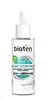 Key Ingredients
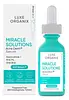
Benefits
Concerns
Ingredients Side-by-side
Water
Skin ConditioningIsoamyl Laurate
Emollient
Octyldodecanol
Emollient
Glycerin
Humectant


C14-22 Alcohols
Emulsion Stabilising
Niacinamide
Smoothing









Hydroxyethyl Acrylate/Sodium Acryloyldimethyl Taurate Copolymer
Emulsion StabilisingPanthenol
Skin Conditioning
Salicylic Acid
Masking




Salix Alba Bark Extract
Astringent
Sodium Hyaluronate
Humectant
Alanine
Masking
Allantoin
Skin Conditioning
Alpha-Glucan Oligosaccharide
Cleansing
Ascorbic Acid
Antioxidant

Ascorbyl Palmitate
Antioxidant
Bisabolol
Antioxidant
C12-20 Alkyl Glucoside
EmulsifyingCalcium Pantothenate
Caprylic/Capric Triglyceride
Masking
Caprylyl Glycol
Emollient
Cetearyl Alcohol
Emollient

Citric Acid
Buffering
Cymbopogon Flexuosus Herb Oil
Perfuming

Diethylhexyl Syringylidenemalonate
Skin ProtectingDisodium EDTA
Ethylhexylglycerin
Skin ConditioningFructose
Humectant
Glucose
Humectant
Glycolic Acid
Buffering
Magnesium Chloride
Magnesium Lactate
BufferingMaltodextrin
Absorbent
Maltose
MaskingPapain
Skin Conditioning
Parfum
Masking
PEG-8
HumectantPentylene Glycol
Skin Conditioning
Polysorbate 60
Emulsifying
Potassium Lactate
BufferingProline
Skin Conditioning
Serine
Masking
Sodium Chloride
MaskingSodium Citrate
BufferingSodium Hydroxide
BufferingSodium Lactate
Buffering
Sodium PCA
Humectant
Sorbitan Isostearate
Emulsifying
Tocopherol
Antioxidant
Trehalose
Humectant
Urea
Buffering
Xanthan Gum
EmulsifyingPotassium Sorbate
Preservative
Sodium Benzoate
Masking
Citral
Perfuming

Water, Isoamyl Laurate, Octyldodecanol, Glycerin, C14-22 Alcohols, Niacinamide, Hydroxyethyl Acrylate/Sodium Acryloyldimethyl Taurate Copolymer, Panthenol, Salicylic Acid, Salix Alba Bark Extract, Sodium Hyaluronate, Alanine, Allantoin, Alpha-Glucan Oligosaccharide, Ascorbic Acid, Ascorbyl Palmitate, Bisabolol, C12-20 Alkyl Glucoside, Calcium Pantothenate, Caprylic/Capric Triglyceride, Caprylyl Glycol, Cetearyl Alcohol, Citric Acid, Cymbopogon Flexuosus Herb Oil, Diethylhexyl Syringylidenemalonate, Disodium EDTA, Ethylhexylglycerin, Fructose, Glucose, Glycolic Acid, Magnesium Chloride, Magnesium Lactate, Maltodextrin, Maltose, Papain, Parfum, PEG-8, Pentylene Glycol, Polysorbate 60, Potassium Lactate, Proline, Serine, Sodium Chloride, Sodium Citrate, Sodium Hydroxide, Sodium Lactate, Sodium PCA, Sorbitan Isostearate, Tocopherol, Trehalose, Urea, Xanthan Gum, Potassium Sorbate, Sodium Benzoate, Citral
Water
Skin ConditioningAlcohol Denat.
Antimicrobial
Butylene Glycol
Humectant
Isopropyl Myristate
Emollient
Ethylhexyl Palmitate
Emollient
Niacinamide
Smoothing
Glyceryl Stearate
Emollient
Silica
Abrasive
Dimethicone
Emollient
Cetearyl Alcohol
Emollient
Polyglyceryl-3 Methylglucose Distearate
Emulsifying
PEG-100 Stearate
Behenyl Alcohol
Emollient
Butyrospermum Parkii Butter
Skin Conditioning
Phenoxyethanol
Preservative
Carbomer
Emulsion StabilisingTriethanolamine
BufferingAllantoin
Skin Conditioning
Caprylhydroxamic Acid
Isopropyl Palmitate
Emollient
Caprylyl Glycol
Emollient
Boswellia Serrata Resin Extract
SmoothingDisodium EDTA
Salicylic Acid
Masking
Melaleuca Alternifolia Leaf Extract
Perfuming
Hippophae Rhamnoides Fruit Extract
Skin Conditioning
Glycolic Acid
Buffering
Ulmus Davidiana Root Extract
Skin Conditioning
Pueraria Lobata Root Extract
HumectantPinus Palustris Leaf Extract
TonicOenothera Biennis Flower Extract
AstringentCapryloyl Salicylic Acid
Exfoliating
Zinc PCA
Humectant
Mandelic Acid
Antimicrobial
Gluconic Acid
Lactic Acid
Buffering
Sodium Hydroxide
BufferingDenatonium Benzoate
Masking
Lactobionic Acid
Buffering
Dioscorea Japonica Root Extract
Skin Conditioning
Viola Mandshurica Flower Extract
Antioxidant
Aloe Barbadensis Leaf Extract
Emollient
Laminaria Japonica Extract
Skin Protecting
Chrysanthemum Parthenium Extract
Skin ConditioningCalendula Officinalis Flower Extract
Masking
Mentha Piperita Leaf Extract
Skin ConditioningThymus Vulgaris Extract
Perfuming
Anthemis Nobilis Flower Extract
Masking
Origanum Vulgare Leaf Extract
Skin ConditioningUrtica Dioica Extract
AstringentSodium Hyaluronate Crosspolymer
Humectant
Sodium Hyaluronate
Humectant
Salvia Officinalis Leaf Extract
CleansingLippia Citriodora Leaf Extract
Astringent
Bellis Perennis Flower Extract
Skin ConditioningGlycerin
Humectant
Ethylhexylglycerin
Skin ConditioningCitric Acid
Buffering
Water, Alcohol Denat., Butylene Glycol, Isopropyl Myristate, Ethylhexyl Palmitate, Niacinamide, Glyceryl Stearate, Silica, Dimethicone, Cetearyl Alcohol, Polyglyceryl-3 Methylglucose Distearate, PEG-100 Stearate, Behenyl Alcohol, Butyrospermum Parkii Butter, Phenoxyethanol, Carbomer, Triethanolamine, Allantoin, Caprylhydroxamic Acid, Isopropyl Palmitate, Caprylyl Glycol, Boswellia Serrata Resin Extract, Disodium EDTA, Salicylic Acid, Melaleuca Alternifolia Leaf Extract, Hippophae Rhamnoides Fruit Extract, Glycolic Acid, Ulmus Davidiana Root Extract, Pueraria Lobata Root Extract, Pinus Palustris Leaf Extract, Oenothera Biennis Flower Extract, Capryloyl Salicylic Acid, Zinc PCA, Mandelic Acid, Gluconic Acid, Lactic Acid, Sodium Hydroxide, Denatonium Benzoate, Lactobionic Acid, Dioscorea Japonica Root Extract, Viola Mandshurica Flower Extract, Aloe Barbadensis Leaf Extract, Laminaria Japonica Extract, Chrysanthemum Parthenium Extract, Calendula Officinalis Flower Extract, Mentha Piperita Leaf Extract, Thymus Vulgaris Extract, Anthemis Nobilis Flower Extract, Origanum Vulgare Leaf Extract, Urtica Dioica Extract, Sodium Hyaluronate Crosspolymer, Sodium Hyaluronate, Salvia Officinalis Leaf Extract, Lippia Citriodora Leaf Extract, Bellis Perennis Flower Extract, Glycerin, Ethylhexylglycerin, Citric Acid
Reviews
Ingredients Explained
These ingredients are found in both products.
Ingredients higher up in an ingredient list are typically present in a larger amount.
Allantoin is a soothing ingredient known for its protective and moisturizing properties; it's basically a quiet workhorse ingredient you can find in a huge range of cosmetics.
Though it can be derived from the comfrey plant, allantoin is produced synthetically for cosmetic products to ensure purity.
Research shows it can encourage your skin cells to turn over and renew by stimulating keratinocyte and fibroblast proliferation.
It also has mild keratolytic properties to help loosen and shed dead skin cells without being harsh.
Studies also suggest allantoin can help calm inflammation by dialing down some of the chemical signals your skin sends out when it is irritated.
This ingredient is typically used in the 0.1-0.5% range, and the FDA recognizes it as a skin protectant in OTC products up to 2%.
Overall, allantoin is a wonderful addition to most routines; it is stable across a wide pH range (~4-8), works well with other ingredients, and is considered non-sensitizing/non-irritating.
Fun fact: Allantoin is naturally occurring in comfrey root, beets, chamomile, and wheat sprouts. Our bodies even produce it as a byproduct of uric acid metabolism.
Learn more about AllantoinCaprylyl Glycol is a humectant, skin conditioner, emollient, and preservative booster derived from either caprylic acid or synthetically created.
Typical use levels vary from 0.3-1% as a preservative booster and go up to 2% to condition skin.
Because it is not a free-fatty acid or alcohol, this ingredient is fungal acne safe (there's nothing for Malassezia to feed on).
Learn more about Caprylyl GlycolCetearyl alcohol is a waxy mixture of two fatty alcohols: cetyl alcohol and stearyl alcohol. It is an emollient and emulsifier.
Despite having "alcohol" in its name, it has nothing to do with drying solvent alcohols; the FDA also allows "alcohol-free" products to contain fatty alcohols like this ingredient.
It plays several roles in a formula:
Typical use levels for this ingredient sit around 1-10% and the Cosmetic Ingredient Review Expert Panel has affirmed safety at concentrations up to 25% in leave-on products.
Multiple assessments have found it to be non-irritating and non-sensitizing to most people.
However, there have been some cases of allergic contact dermatitis in patients with chronically compromised skin barriers.
Cetearyl alcohol has a comedogenic rating of 2 and irritancy rating of 1. Both of these numbers come from the 1989 study that used rabbit ears; a "2" means mildly comedogenic and a "1" means low irritancy.
Here's the catch: rabbit skin is more sensitive than human skin and throws a lot of false positives. A 1996 reappraisal found that ingredients rated 1-2 in the rabbit ear tests are generally safe for humans.
Remember comedogenic ratings are unable to assess the entire formula of a product or how it will react on your skin. Just be sure to patch test if you are unsure about certain ingredients.
This ingredient is not fungal acne safe. Cetearyl alcohol is a fatty alcohol with chain lengths that fall within the range that Malassezia can metabolize.
Learn more about Cetearyl AlcoholCitric Acid is an alpha hydroxy acid (AHA) naturally found in citrus fruits like oranges, lemons, and limes.
Like other AHAs, citric acid can exfoliate skin by breaking down the bonds that hold dead skin cells together. This helps reveal smoother and brighter skin underneath.
However, this exfoliating effect only happens at high concentrations (20%) which can be hard to find in cosmetic products.
Due to this, citric acid is usually included in small amounts as a pH adjuster. This helps keep products slightly more acidic and compatible with skin's natural pH.
In skincare formulas, citric acid can:
While it can provide some skin benefits, research shows lactic acid and glycolic acid are generally more effective and less irritating exfoliants.
Most citric acid used in skincare today is made by fermenting sugars (usually from molasses). This synthetic version is identical to the natural citrus form but easier to stabilize and use in formulations.
Read more about some other popular AHA's here:
Learn more about Citric AcidDisodium EDTA is a chelating agent. It grabs onto and deactivates metal ions that sneak into your products from water, packaging, or air.
This ingredient mainly works behind the scenes and helps with:
On top of that, this ingredient can counteract the effects of hard water by binding to the minerals in it.
One thing worth knowing is that Disodium EDTA has been shown to be a mild penetration enhancer. It can help other ingredients absorb into skin more effectively which can be a double-edged sword (great for actives, but can also make the active too strong if you have sensitive skin).
Clinical patch testing showed no significant skin irritation at typical use concentrations and minimal dermal absorption.
You'll most likely see this ingredient near the end of an ingredient list. It's typically found in concentrations less than 1%.
Learn more about Disodium EDTAEthylhexylglycerin is created from glycerin. It is a multitasker ingredient that:
The CIR Expert Panel found minimal skin absorption or sensitization of any kind in a safety assessment. Though this ingredient is considered well-tolerated, a small number of cases of allergic dermatitis have been published since 2002. Just be sure to patch test if you are unsure.
Industry-reported use ranges from 8% in rinse-off products and 2% in leave-on formulations.
Learn more about EthylhexylglycerinGlycerin (or glycerol) is a compound naturally found in your skin. It's a powerhouse humectant that pulls water into the stratum corneum.
Topically, glycerin does several things at once:
Your skin makes glycerin on its own (mostly from sebaceous oil breakdown) and shuttles it to your outermost layer of skin, or your epidermis, via aquaporin-3.
Aquaporin-3 is a transporter that is essential for normal skin hydration, elasticity, and repair. Interestingly, mice lacking in AQP3 have dry and less elastic skin that can be fully corrected with glycerin.
This ingredient is non-irritating, plays well with almost every ingredient, and works across all skin types. Typical use is anywhere between 3-10% but can go up to 79% in some leave-on products.
Just know very high concentrations (>40%) can feel tacky in low humidity.
Glycerin is the name for this ingredient in American English. British English uses Glycerol/Glycerine.
Learn more about GlycerinGlycolic Acid is arguably the most famous alpha hydroxy acid (AHA) with tons of research backing its benefits.
It is found naturally in sugar cane but the form used in skincare is usually synthetic for purity and stability.
Glycolic acid removes the top layer of dead skin cells to allow newer and fresher ones to emerge.
AHAs work by breaking down the structural “glue” that holds old skin cells in place. When that buildup is gone, your skin can renew itself more efficiently.
Research also shows glycolic acid stimulates collagen production, helping to firm and thicken the skin over time. This is one of its biggest advantages over other AHAs.
Overall, glycolic acid helps with:
Fun fact: Glycolic acid boosts skin hydration by helping it produce molecules that increase hyaluronic acid naturally.
To work best, glycolic acid products should have a pH between 3-4 (that’s where exfoliation is most effective but still gentle on skin).
The pH and concentration of a product are key to its effectiveness:
It is normal to feel a slight stinging sensation when using glycolic acid. This usually fades as your skin adjusts.
Because glycolic acid has the smallest molecular size in the AHA family, it can penetrate deeper, which enhances its effectiveness but also makes it more likely to irritate sensitive skin.
If your skin is very sensitive or prone to rosacea, glycolic acid may be too strong; in that case, try milder options like lactic acid or a PHA instead.
Recent studies suggest glycolic acid might even help protect against UV damage. But don’t skip sunscreen! Freshly exfoliated skin is more sensitive to the sun.
Glycolic acid is a skincare superstar. It smooths, brightens, hydrates, and firms the skin. Unless you’re highly sensitive, it’s well worth adding to your routine.
Read more about some other popular AHA's here:
Learn more about Glycolic AcidNiacinamide is a multitasking form of vitamin B3 that strengthens the skin barrier, reduces pores and dark spots, regulates oil, and improves signs of aging.
And the best part? It's gentle and well-tolerated by most skin types, including sensitive and reactive skin.
You might have heard of "niacin flush", or the reddening of skin that causes itchiness. Niacinamide has not been found to cause this.
In very rare cases, some individuals may not be able to tolerate niacinamide at all or experience an allergic reaction to it.
If you are experiencing flaking, irritation, and dryness with this ingredient, be sure to double check all your products as this ingredient can be found in all categories of skincare.
When incorporating niacinamide into your routine, look out for concentration amounts. Typically, 5% niacinamide provides benefits such as fading dark spots. However, if you have sensitive skin, it is better to begin with a smaller concentration.
When you apply niacinamide to your skin, your body converts it into nicotinamide adenine dinucleotide (NAD). NAD is an essential coenzyme that is already found in your cells as "fuel" and powers countless biological processes.
In your skin, NAD helps repair cell damage, produce new healthy cells, support collagen production, strengthen the skin barrier, and fight environmental stressors (like UV and pollution).
Our natural NAD levels start to decline with age, leading to slower skin repair, visible aging, and a weaker skin barrier. By providing your skin niacinamide, you're recharging your skin's NAD levels. This leads to stronger, healthier, and younger looking skin.
Another name for vitamin B3 is nicotinamide. This vitamin is water-soluble and our bodies don't store it. We obtain Vitamin B3 from either food or skincare. Meat, fish, wheat, yeast, and leafy greens contain vitamin B3.
The type of niacinamide used in skincare is synthetically created.
Learn more about NiacinamideSalicylic Acid (also known as beta hydroxy acid or BHA) is a well-known ingredient for treating skin that struggles with acne and clogged pores. It exfoliates both the skin's surface and deep within the pores to help clear out buildup, control oil, and reduce inflammation.
Unlike AHAs (alpha hydroxy acids), salicylic acid is oil-soluble. This allows it to penetrate into pores which makes it especially effective for treating blackheads and preventing future breakouts.
Salicylic acid is also known for its soothing properties. It has a similar structure to aspirin and can calm inflamed or irritated skin, making it a good option for acne-prone skin that is also sensitive.
Concentrations of 0.5-2% are recognized by the U.S. FDA as an over-the-counter topical acne product.
It can cause irritation and/or dryness if one's skin already has a compromised moisture barrier, so it's best to focus on repairing that before introducing this ingredient into your routine.
While salicylic acid does not increase sun sensitivity, it’s still important to wear sunscreen daily to protect your skin.
If you are looking for the ingredient called BHA or Butylated Hydroxyanisole, click here.
Learn more about Salicylic AcidSodium Hyaluronate is the salt form of hyaluronic acid. It is a long sugar chain that is naturally found in your skin, joints, and connective tissue that maintains hydration and elasticity.
In skincare, it works as a humectant. It pulls water from the environment and deeper layers of skin and binds it to the surface.
Interestingly, the size of the molecule affects its behavior:
Some clinical evidence links low molecular weight versions to improved wrinkle depth, elasticity, anti-inflammatory effects, and barrier repair.
Many serums use a blend of both weights so you can get surface hydration plus longer-lasting and deeper effects.
You'll typically see concentrations between 0.1-2% for this ingredient.
Learn more about Sodium HyaluronateSodium Hydroxide is also known as lye or caustic soda. It is used to adjust the pH of products; many ingredients require a specific pH to be effective.
In small amounts, sodium hydroxide is considered safe to use. However, large amounts may cause chemical burns due to its high alkaline.
Your skin has a natural pH and acid mantle. This acid mantle helps prevent harmful bacteria from breaking through. The acid mantle also helps keep your skin hydrated.
"Alkaline" refers to a high pH level. A low pH level would be considered acidic.
Learn more about Sodium HydroxideWater. It's the most common cosmetic ingredient of all. You'll usually see it at the top of ingredient lists, meaning that it makes up the largest part of the product.
So why is it so popular? Water most often acts as a solvent - this means that it helps dissolve other ingredients into the formulation.
You'll also recognize water as that liquid we all need to stay alive. If you see this, drink a glass of water. Remember to stay hydrated!
Learn more about Water
