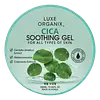
This calming moisturizer is formulated around Centella Asiatica Extract and Madecassoside to calm redness and strengthen the skin barrier.
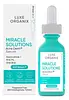
This acne serum is formulated around Niacinamide and Salicylic Acid to clear breakouts and balance excess oil.

What's inside
What's inside
 Key Ingredients
Benefits
Concerns
Ingredients Side-by-side
Water
Skin ConditioningCentella Asiatica Extract
Cleansing





Butylene Glycol
Humectant
Glycerin
Humectant
Calendula Officinalis Extract
Skin Conditioning
Carbomer
Emulsion StabilisingArginine
Masking
Caprylyl Glycol
Emollient
Phenyl Trimethicone
Skin Conditioning
Pentylene Glycol
Skin Conditioning
1,2-Hexanediol
Skin Conditioning
Citrus Aurantium Bergamia Fruit Oil
Masking



Madecassoside
Antioxidant
Asiaticoside
Antioxidant
Asiatic Acid
Skin Conditioning
Madecassic Acid
Skin Conditioning
Propolis Extract
Skin Conditioning

Anthemis Nobilis Flower Extract
Masking
Calendula Officinalis Flower Extract
Masking
Mentha Piperita Leaf Extract
Skin ConditioningThymus Vulgaris Extract
Perfuming
Chrysanthemum Parthenium Extract
Skin ConditioningLippia Citriodora Leaf Extract
Astringent
Bellis Perennis Flower Extract
Skin ConditioningOriganum Vulgare Leaf Extract
Skin ConditioningSalvia Officinalis Leaf Extract
CleansingUrtica Dioica Extract
AstringentHouttuynia Cordata Extract
Skin Conditioning
Ethylhexylglycerin
Skin ConditioningPEG-60 Hydrogenated Castor Oil
Emulsifying

Hydroxyacetophenone
Antioxidant
Disodium EDTA
ChelatingLimonene
Perfuming
Linalool
Perfuming
Water, Centella Asiatica Extract, Butylene Glycol, Glycerin, Calendula Officinalis Extract, Carbomer, Arginine, Caprylyl Glycol, Phenyl Trimethicone, Pentylene Glycol, 1,2-Hexanediol, Citrus Aurantium Bergamia Fruit Oil, Madecassoside, Asiaticoside, Asiatic Acid, Madecassic Acid, Propolis Extract, Anthemis Nobilis Flower Extract, Calendula Officinalis Flower Extract, Mentha Piperita Leaf Extract, Thymus Vulgaris Extract, Chrysanthemum Parthenium Extract, Lippia Citriodora Leaf Extract, Bellis Perennis Flower Extract, Origanum Vulgare Leaf Extract, Salvia Officinalis Leaf Extract, Urtica Dioica Extract, Houttuynia Cordata Extract, Ethylhexylglycerin, PEG-60 Hydrogenated Castor Oil, Hydroxyacetophenone, Disodium EDTA, Limonene, Linalool
Water
Skin ConditioningAlcohol Denat.
Antimicrobial

Butylene Glycol
Humectant
Isopropyl Myristate
Emollient

Ethylhexyl Palmitate
Emollient
Niacinamide
Smoothing




Glyceryl Stearate
Emollient
Silica
Abrasive
Dimethicone
Emollient
Cetearyl Alcohol
Emollient
Polyglyceryl-3 Methylglucose Distearate
Emulsifying
PEG-100 Stearate
Surfactant
Behenyl Alcohol
Emollient
Butyrospermum Parkii Butter
Skin Conditioning
Phenoxyethanol
Preservative
Carbomer
Emulsion StabilisingTriethanolamine
BufferingAllantoin
Skin Conditioning
Caprylhydroxamic Acid
ChelatingIsopropyl Palmitate
Emollient
1,2-Hexanediol
Skin Conditioning
Caprylyl Glycol
Emollient
Boswellia Serrata Resin Extract
SmoothingDisodium EDTA
ChelatingSalicylic Acid
Masking
Melaleuca Alternifolia Leaf Extract
Perfuming
Hippophae Rhamnoides Fruit Extract
Skin Conditioning
Glycolic Acid
Buffering
Ulmus Davidiana Root Extract
Skin Conditioning
Pueraria Lobata Root Extract
HumectantPinus Palustris Leaf Extract
TonicOenothera Biennis Flower Extract
AstringentCapryloyl Salicylic Acid
Exfoliating
Zinc PCA
Humectant
Mandelic Acid
Antimicrobial
Gluconic Acid
Chelating
Lactic Acid
Buffering
Sodium Hydroxide
BufferingDenatonium Benzoate
Masking
Lactobionic Acid
Buffering
Dioscorea Japonica Root Extract
Skin Conditioning
Viola Mandshurica Flower Extract
Antioxidant
Aloe Barbadensis Leaf Extract
Emollient
Laminaria Japonica Extract
Skin Protecting
Chrysanthemum Parthenium Extract
Skin ConditioningCalendula Officinalis Flower Extract
Masking
Mentha Piperita Leaf Extract
Skin ConditioningThymus Vulgaris Extract
Perfuming
Anthemis Nobilis Flower Extract
Masking
Origanum Vulgare Leaf Extract
Skin ConditioningUrtica Dioica Extract
AstringentSodium Hyaluronate Crosspolymer
Humectant
Sodium Hyaluronate
Humectant
Salvia Officinalis Leaf Extract
CleansingLippia Citriodora Leaf Extract
Astringent
Bellis Perennis Flower Extract
Skin ConditioningGlycerin
Humectant
Ethylhexylglycerin
Skin ConditioningCitric Acid
Buffering
Water, Alcohol Denat., Butylene Glycol, Isopropyl Myristate, Ethylhexyl Palmitate, Niacinamide, Glyceryl Stearate, Silica, Dimethicone, Cetearyl Alcohol, Polyglyceryl-3 Methylglucose Distearate, PEG-100 Stearate, Behenyl Alcohol, Butyrospermum Parkii Butter, Phenoxyethanol, Carbomer, Triethanolamine, Allantoin, Caprylhydroxamic Acid, Isopropyl Palmitate, 1,2-Hexanediol, Caprylyl Glycol, Boswellia Serrata Resin Extract, Disodium EDTA, Salicylic Acid, Melaleuca Alternifolia Leaf Extract, Hippophae Rhamnoides Fruit Extract, Glycolic Acid, Ulmus Davidiana Root Extract, Pueraria Lobata Root Extract, Pinus Palustris Leaf Extract, Oenothera Biennis Flower Extract, Capryloyl Salicylic Acid, Zinc PCA, Mandelic Acid, Gluconic Acid, Lactic Acid, Sodium Hydroxide, Denatonium Benzoate, Lactobionic Acid, Dioscorea Japonica Root Extract, Viola Mandshurica Flower Extract, Aloe Barbadensis Leaf Extract, Laminaria Japonica Extract, Chrysanthemum Parthenium Extract, Calendula Officinalis Flower Extract, Mentha Piperita Leaf Extract, Thymus Vulgaris Extract, Anthemis Nobilis Flower Extract, Origanum Vulgare Leaf Extract, Urtica Dioica Extract, Sodium Hyaluronate Crosspolymer, Sodium Hyaluronate, Salvia Officinalis Leaf Extract, Lippia Citriodora Leaf Extract, Bellis Perennis Flower Extract, Glycerin, Ethylhexylglycerin, Citric Acid
Reviews
Ingredients Explained
These ingredients are found in both products.
Ingredients higher up in an ingredient list are typically present in a larger amount.
1,2-Hexanediol is a synthetic liquid and another multi-functional powerhouse.
It is a:
- Humectant, drawing moisture into the skin
- Emollient, helping to soften skin
- Solvent, dispersing and stabilizing formulas
- Preservative booster, enhancing the antimicrobial activity of other preservatives
Anthemis Nobilis Flower Extract is from the Roman Chamomile flower. It helps soothe the skin and contains antioxidants.
Daisy extract has antioxidant and anti-inflammatory properties.
A study from 2021 found this extract to protect the skin against UV-A damage. This should not replace your sunscreen!
Butylene Glycol (or BG) is used within cosmetic products for a few different reasons:
Overall, Butylene Glycol is a safe and well-rounded ingredient that works well with other ingredients.
Though this ingredient works well with most skin types, some people with sensitive skin may experience a reaction such as allergic rashes, closed comedones, or itchiness.
Learn more about Butylene GlycolCalendula Officinalis Flower Extract comes from the marigold flower and has been used on skin for centuries for its calming effect.
In the lab, its active compounds appear to calm inflammation and support the early "healing" phase of minor wounds.
This is why Europe's medicines regulator has approved calendula extracts as a traditional remedy for minor skin inflammation and healing small wounds.
The stronger human evidence is around would/ulcer care rather than everyday cosmetic claims; a review that pulled together 14 studies found that calendula helped calm the early, inflamed stage of a wound and helped new skin tissue form faster.
Two studies also showed it shrank leg ulcers (the kind caused by poor circulation). Results were mixed for burns and for the skin irritation people get from radiation treatment, so it's not a sure thing there.
In cosmetics, it's mostly a skin conditioning and soothing agent.
The Cosmetic Ingredient Review panel concluded that calendula-derived ingredients are safe as used and that the ingredients are not irritating, sensitizing, or photosensitizing in clinical tests (though they may be mild eye irritants).
Typical use levels are quite low; industry data reported it used at under 0.5% (one supplier noted a 10-25% extract blend used at 1-10% in the finished product). Historical use goes up to 10%.
The only thing to keep in mind is if you have daisy/ragweed allergies. Calendula is in the same family and one patch-test study found 2% of dermatitis patients reacted to marigold. Be sure to patch test if you have sensitive or allergy-prone skin.
Learn more about Calendula Officinalis Flower ExtractCaprylyl Glycol is a humectant, skin conditioner, emollient, and preservative booster derived from either caprylic acid or synthetically created.
Typical use levels vary from 0.3-1% as a preservative booster and go up to 2% to condition skin.
Because it is not a free-fatty acid, this ingredient is fungal acne safe (there's nothing for Malassezia to feed on).
Learn more about Caprylyl GlycolCarbomer is a synthetic thickening and gelling agent. It's basically the ingredient that gives a lot of serums, gels, creams, and sunscreens their smooth, non-sticky texture.
Although legally permitted at very high levels, carbomers are normally used at concentrations below 1%.
It also needs to be neutralized to actually thicken, and because it is a large molecule, it doesn't really penetrate the skin barrier.
Allergy-wise, the risk is very low. Clinical studies show carbomers have low potential for skin irritation/sensitization even at concentrations up to 100%.
A 2024 UK study patch-tested 1,302 patients and found true allergy to the parent group of carbomer to be rare with no confirmed relevant reactions.
Learn more about CarbomerWe don't have a description for Chrysanthemum Parthenium Extract yet.
Disodium EDTA is a chelating agent. It grabs onto and deactivates metal ions that sneak into your products from water, packaging, or air.
This ingredient mainly works behind the scenes and helps with:
On top of that, this ingredient can counteract the effects of hard water by binding to the minerals in it.
One thing worth knowing is that Disodium EDTA has been shown to be a mild penetration enhancer. It can help other ingredients absorb into skin more effectively which can be a double-edged sword (great for actives, but can also make the active too strong if you have sensitive skin).
Clinical patch testing showed no significant skin irritation at typical use concentrations and minimal dermal absorption.
You'll most likely see this ingredient near the end of an ingredient list. It's typically found in concentrations less than 1%.
Learn more about Disodium EDTAEthylhexylglycerin is created from glycerin. It is a multitasker ingredient that:
The CIR Expert Panel found minimal skin absorption or sensitization of any kind in a safety assessment. Though this ingredient is considered well-tolerated, a small number of cases of allergic dermatitis have been published since 2002. Just be sure to patch test if you are unsure.
Industry-reported use ranges from 8% in rinse-off products and 2% in leave-on formulations.
Learn more about EthylhexylglycerinGlycerin (or glycerol) is a compound naturally found in your skin. It's a powerhouse humectant that pulls water into the stratum corneum.
Topically, glycerin does several things at once:
Your skin makes glycerin on its own (mostly from sebaceous oil breakdown) and shuttles it to your outermost layer of skin, or your epidermis, via aquaporin-3.
Aquaporin-3 is a transporter that is essential for normal skin hydration, elasticity, and repair. Interestingly, mice lacking in AQP3 have dry and less elastic skin that can be fully corrected with glycerin.
This ingredient is non-irritating, plays well with almost every ingredient, and works across all skin types. Typical use is anywhere between 3-10% but can go up to 79% in some leave-on products.
Just know very high concentrations (>40%) can feel tacky in low humidity.
Glycerin is the name for this ingredient in American English. British English uses Glycerol/Glycerine.
Learn more about GlycerinThis ingredient is also called lemon verbena leaf extract. It is a known EU allergen.
Mentha Piperita Leaf Extract is extract from peppermint leaves. It has a "cooling" sensory feel depending on what compounds are found in the extract.
Peppermint leaves contain polyphenols that antioxidant activity. In-vitro studies show anti-inflammatory and antimicrobial activity against some bacteria and fungi.
Evidence for mint as a "treatment" ingredient is limited and depends heavily on the specific extract type and concentration.
In large percentages, peppermint extract may sensitize the skin.
Learn more about Mentha Piperita Leaf ExtractOregano leaf is a culinary and medicinal herb with skin conditioning properties.
Sage leaf extract is a culinary and medicinal herb with antibacterial, antioxidant, and soothing properties.
This ingredient is made up of 75-90% ursolic acid, a potent antioxidant and anti-inflammatory compound.
This ingredient comes form the common thyme plant. It has skin conditioning and perfuming ingredients.
In-vitro studies show strong antioxidant activity due to the high phenolic content of thyme.
Studies also demonstrate it has antimicrobial activity against acne-related bacteria. A 2017 study found this extract exhibited anti-inflammatory effects.
However, this ingredient does have sensitization potential due to its terpene content. Terpenes are among the most common causes of contact dermatitis.
This is kind of a double-edged sword situation where the same compounds that give it antimicrobial power can also irritate reactive skin.
Learn more about Thymus Vulgaris ExtractThis ingredient is more commonly known as nettle extract. It has soothing, antimicrobial, and antioxidant properties.
The antimicrobial properties of nettle come from its gallic acid content.
Water. It's the most common cosmetic ingredient of all. You'll usually see it at the top of ingredient lists, meaning that it makes up the largest part of the product.
So why is it so popular? Water most often acts as a solvent - this means that it helps dissolve other ingredients into the formulation.
You'll also recognize water as that liquid we all need to stay alive. If you see this, drink a glass of water. Remember to stay hydrated!
Learn more about Water

