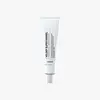
This barrier-repair moisturizer is formulated around Centella Asiatica Leaf Extract and Zinc Oxide to strengthen the skin barrier and calm redness.
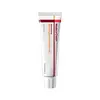
This anti-aging moisturizer is formulated around Niacinamide and Asiaticoside to soften the look of wrinkles and strengthen the skin barrier.

What's inside
What's inside
 Key Ingredients
Benefits
Concerns
Ingredients Side-by-side
Centella Asiatica Leaf Extract
Skin Conditioning



Diphenylsiloxy Phenyl Trimethicone
Skin Conditioning
Cetyl Ethylhexanoate
EmollientPropylene Glycol
Humectant


Dimethicone
Emollient
Paraffinum Liquidum
Emollient


Zinc Oxide
Cosmetic Colorant


Cetyl PEG/PPG-10/1 Dimethicone
Emulsifying
Glycerin
Humectant
Bis-Diglyceryl Polyacyladipate-2
Emollient
Cyclopentasiloxane
Emollient
Caprylic/Capric Triglyceride
Masking
Disteardimonium Hectorite
StabilisingMacadamia Ternifolia Seed Oil
Emollient
Polyglyceryl-4 Isostearate
Emulsifying
1,2-Hexanediol
Skin Conditioning
Magnesium Sulfate
Beta-Sitosterol
Emulsion Stabilising
Calcium Oxide
BufferingDimethicone/Vinyl Dimethicone Crosspolymer
Skin Conditioning
Dimethicone Crosspolymer
Emulsion Stabilising
Microcrystalline Wax
Emulsion StabilisingBeeswax
Emulsion Stabilising
Hydrogen Dimethicone
Butylene Glycol
Humectant
Silica Dimethyl Silylate
EmollientAllantoin
Skin Conditioning
Illicium Verum Fruit Extract
Perfuming
Tocopheryl Acetate
Antioxidant


Hydroxyethylcellulose
Emulsion StabilisingWater
Skin ConditioningScutellaria Baicalensis Root Extract
Astringent
Cyclotetrasiloxane
Emollient
Gluconolactone
Chelating



Hydrolyzed Collagen
Emollient
Polysorbate 60
Emulsifying
Disodium Phosphate
BufferingSodium Phosphate
BufferingSerine
Masking
Glutamic Acid
Humectant
Ethylhexylglycerin
Skin ConditioningAsparagine
MaskingLeucine
Skin ConditioningAspartic Acid
Masking
Glutamine
Skin ConditioningAlanine
Masking
Valine
MaskingArginine
Masking
Lysine
Skin ConditioningTyrosine
MaskingPhenylalanine
Masking
Proline
Skin Conditioning
Threonine
Isoleucine
Skin ConditioningCysteine
Antioxidant
Histidine
Humectant
Methionine
Skin ConditioningTryptophan
MaskingCentella Asiatica Leaf Extract, Diphenylsiloxy Phenyl Trimethicone, Cetyl Ethylhexanoate, Propylene Glycol, Dimethicone, Paraffinum Liquidum, Zinc Oxide, Cetyl PEG/PPG-10/1 Dimethicone, Glycerin, Bis-Diglyceryl Polyacyladipate-2, Cyclopentasiloxane, Caprylic/Capric Triglyceride, Disteardimonium Hectorite, Macadamia Ternifolia Seed Oil, Polyglyceryl-4 Isostearate, 1,2-Hexanediol, Magnesium Sulfate, Beta-Sitosterol, Calcium Oxide, Dimethicone/Vinyl Dimethicone Crosspolymer, Dimethicone Crosspolymer, Microcrystalline Wax, Beeswax, Hydrogen Dimethicone, Butylene Glycol, Silica Dimethyl Silylate, Allantoin, Illicium Verum Fruit Extract, Tocopheryl Acetate, Hydroxyethylcellulose, Water, Scutellaria Baicalensis Root Extract, Cyclotetrasiloxane, Gluconolactone, Hydrolyzed Collagen, Polysorbate 60, Disodium Phosphate, Sodium Phosphate, Serine, Glutamic Acid, Ethylhexylglycerin, Asparagine, Leucine, Aspartic Acid, Glutamine, Alanine, Valine, Arginine, Lysine, Tyrosine, Phenylalanine, Proline, Threonine, Isoleucine, Cysteine, Histidine, Methionine, Tryptophan
Water
Skin ConditioningDipropylene Glycol
HumectantHydrogenated Polydecene
EmollientCaprylic/Capric Triglyceride
Masking
Glycerin
Humectant
Pentaerythrityl Tetraethylhexanoate
Emollient
Glyceryl Stearate
Emollient
Cyclohexasiloxane
Emollient
Niacinamide
Smoothing

Cetyl Alcohol
Emollient
Polyglyceryl-6 Distearate
Emulsifying
Vinyldimethicone
Dicaprylyl Ether
Emollient
Polyglyceryl-10 Laurate
Skin Conditioning
Stearyl Alcohol
Emollient
Jojoba Esters
Emollient
Beeswax
Emulsion Stabilising
Panthenol
Skin Conditioning
1,2-Hexanediol
Skin Conditioning
Sodium Stearoyl Glutamate
CleansingMadecassic Acid
Skin Conditioning
Asiaticoside
Antioxidant
Xylitylglucoside
Humectant
Hydroxyethyl Acrylate/Sodium Acryloyldimethyl Taurate Copolymer
Emulsion StabilisingOlea Europaea Fruit Oil
Masking
Hydroxyacetophenone
Antioxidant
Anhydroxylitol
Humectant
Centella Asiatica Leaf Extract
Skin Conditioning
Asiatic Acid
Skin Conditioning
Glycoproteins
Skin Conditioning
Butylene Glycol
Humectant
Polyglyceryl-3 Beeswax
Emulsifying
Xylitol
Humectant
Centella Asiatica Oil
Antimicrobial
Methylpropanediol
SolventAllantoin
Skin Conditioning
Propanediol
Solvent
Candida Bombicola/Glucose/Methyl Rapeseedate Ferment
AntimicrobialCitrus Aurantium Dulcis Oil
Masking
Xanthan Gum
EmulsifyingHelianthus Annuus Seed Wax
Skin Conditioning
Ethylhexylglycerin
Skin ConditioningEthoxydiglycol
HumectantCitrus Nobilis Peel Oil
Masking
Glucose
Humectant
Disodium EDTA
ChelatingAdenosine
Skin Conditioning
Sorbitan Isostearate
Emulsifying
Lavandula Angustifolia Oil
Masking

Sodium Laurate
CleansingCyclodextrin
AbsorbentHydrolyzed Hyaluronic Acid
Humectant
Citrus Aurantium Bergamia Fruit Oil
Masking
Citrus Aurantium Dulcis Peel Oil
Masking
Rosmarinus Officinalis Leaf Oil
Masking
Litsea Cubeba Fruit Oil
Masking
Macadamia Ternifolia Seed Oil
Emollient
Polyglycerin-3
Humectant
Pvm/Ma Copolymer
Emulsion StabilisingLauric Acid
Cleansing
Sodium Polyacrylate
Absorbent
Octyldodecanol
Emollient
Glycine Soja Oil
Emollient
Hydrogenated Lecithin
Emulsifying
Glycolipids
Skin ConditioningCaffeine
Skin Conditioning
Madecassoside
Antioxidant
Centella Asiatica Extract
Cleansing
C12-13 Pareth-9
EmulsifyingCollagen Amino Acids
Moisturising
Ceramide NP
Skin Conditioning
Copaifera Officinalis Resin
MaskingCitrus Grandis Peel Oil
Masking
Juniperus Virginiana Oil
Masking
Cimicifuga Racemosa Root Extract
Antimicrobial
Silybum Marianum Extract
Skin Conditioning
Resveratrol
Antioxidant
Arginine
Masking
Taurine
BufferingGlycogen
HumectantHydrolyzed Elastin
EmollientEctoin
Skin Conditioning
Cedrus Atlantica Bark Oil
Masking
Retinol
Skin Conditioning
Lepidium Meyenii Root Extract
Skin ConditioningMaltodextrin
Absorbent
Ascorbic Acid
Antioxidant
Hydrolyzed Vegetable Protein
Skin ConditioningPelargonium Graveolens Flower Oil
Masking
Phytosphingosine
Skin Conditioning
Tocopherol
Antioxidant
Sucrose Distearate
Emollient
Sodium Hyaluronate
Humectant
Sodium DNA
Skin Conditioning
Jasminum Officinale Oil
Masking
Potassium Sorbate
Preservative
Phenoxyethanol
Preservative
Artemisia Absinthium Extract
Skin ConditioningMyrtus Communis Oil
Masking
Rose Flower Oil
Masking
Vanilla Planifolia Fruit Extract
Skin Conditioning
Cyanocobalamin
Skin ConditioningAspartic Acid
Masking
Ferula Galbaniflua Resin Oil
Antimicrobial
Glycine
Buffering
Glutamic Acid
Humectant
Limonene
Perfuming
Linalool
Perfuming
Citral
Perfuming
Camphor
Masking
Beta-Caryophyllene
Masking
Citrus Aurantium Peel Oil
Citrus Aurantium Bergamia Peel Oil
Perfuming
Lavandula Oil/Extract
Linalyl Acetate
Masking
Pinene
Masking
Water, Dipropylene Glycol, Hydrogenated Polydecene, Caprylic/Capric Triglyceride, Glycerin, Pentaerythrityl Tetraethylhexanoate, Glyceryl Stearate, Cyclohexasiloxane, Niacinamide, Cetyl Alcohol, Polyglyceryl-6 Distearate, Vinyldimethicone, Dicaprylyl Ether, Polyglyceryl-10 Laurate, Stearyl Alcohol, Jojoba Esters, Beeswax, Panthenol, 1,2-Hexanediol, Sodium Stearoyl Glutamate, Madecassic Acid, Asiaticoside, Xylitylglucoside, Hydroxyethyl Acrylate/Sodium Acryloyldimethyl Taurate Copolymer, Olea Europaea Fruit Oil, Hydroxyacetophenone, Anhydroxylitol, Centella Asiatica Leaf Extract, Asiatic Acid, Glycoproteins, Butylene Glycol, Polyglyceryl-3 Beeswax, Xylitol, Centella Asiatica Oil, Methylpropanediol, Allantoin, Propanediol, Candida Bombicola/Glucose/Methyl Rapeseedate Ferment, Citrus Aurantium Dulcis Oil, Xanthan Gum, Helianthus Annuus Seed Wax, Ethylhexylglycerin, Ethoxydiglycol, Citrus Nobilis Peel Oil, Glucose, Disodium EDTA, Adenosine, Sorbitan Isostearate, Lavandula Angustifolia Oil, Sodium Laurate, Cyclodextrin, Hydrolyzed Hyaluronic Acid, Citrus Aurantium Bergamia Fruit Oil, Citrus Aurantium Dulcis Peel Oil, Rosmarinus Officinalis Leaf Oil, Litsea Cubeba Fruit Oil, Macadamia Ternifolia Seed Oil, Polyglycerin-3, Pvm/Ma Copolymer, Lauric Acid, Sodium Polyacrylate, Octyldodecanol, Glycine Soja Oil, Hydrogenated Lecithin, Glycolipids, Caffeine, Madecassoside, Centella Asiatica Extract, C12-13 Pareth-9, Collagen Amino Acids, Ceramide NP, Copaifera Officinalis Resin, Citrus Grandis Peel Oil, Juniperus Virginiana Oil, Cimicifuga Racemosa Root Extract, Silybum Marianum Extract, Resveratrol, Arginine, Taurine, Glycogen, Hydrolyzed Elastin, Ectoin, Cedrus Atlantica Bark Oil, Retinol, Lepidium Meyenii Root Extract, Maltodextrin, Ascorbic Acid, Hydrolyzed Vegetable Protein, Pelargonium Graveolens Flower Oil, Phytosphingosine, Tocopherol, Sucrose Distearate, Sodium Hyaluronate, Sodium DNA, Jasminum Officinale Oil, Potassium Sorbate, Phenoxyethanol, Artemisia Absinthium Extract, Myrtus Communis Oil, Rose Flower Oil, Vanilla Planifolia Fruit Extract, Cyanocobalamin, Aspartic Acid, Ferula Galbaniflua Resin Oil, Glycine, Glutamic Acid, Limonene, Linalool, Citral, Camphor, Beta-Caryophyllene, Citrus Aurantium Peel Oil, Citrus Aurantium Bergamia Peel Oil, Lavandula Oil/Extract, Linalyl Acetate, Pinene
Reviews
Ingredients Explained
These ingredients are found in both products.
Ingredients higher up in an ingredient list are typically present in a larger amount.
1,2-Hexanediol is a synthetic liquid and another multi-functional powerhouse.
It is a:
- Humectant, drawing moisture into the skin
- Emollient, helping to soften skin
- Solvent, dispersing and stabilizing formulas
- Preservative booster, enhancing the antimicrobial activity of other preservatives
Allantoin is a soothing ingredient known for its protective and moisturizing properties; it's basically a quiet workhorse ingredient you can find in a huge range of cosmetics.
Though it can be derived from the comfrey plant, allantoin is produced synthetically for cosmetic products to ensure purity.
Research shows it can encourage your skin cells to turn over and renew by stimulating keratinocyte and fibroblast proliferation.
It also has mild keratolytic properties to help loosen and shed dead skin cells without being harsh.
Studies also suggest allantoin can help calm inflammation by dialing down some of the chemical signals your skin sends out when it is irritated.
This ingredient is typically used in the 0.1-0.5% range, and the FDA recognizes it as a skin protectant in OTC products up to 2%.
Overall, allantoin is a wonderful addition to most routines; it is stable across a wide pH range (~4-8), works well with other ingredients, and is considered non-sensitizing/non-irritating.
Fun fact: Allantoin is naturally occurring in comfrey root, beets, chamomile, and wheat sprouts. Our bodies even produce it as a byproduct of uric acid metabolism.
Learn more about AllantoinArginine is a semi-essential amino acid. This just means our bodies can product a bit on its own, but sometimes needs a little boost from food sources.
It is a part of your skin's natural moisturizing factor (NMF), or the water-loving molecules in your outermost layer of skin (stratum corneum) that keeps everything hydrated and happy.
Here's an interesting thing about Arginine: your skin converts it into urea through the Krebs-Henseleit urea cycle. Urea is one of the most effective humectants your skin naturally produces.
A clinical study showed applying 2.5% arginine hydrochloride to atopic dermatitis skin showed significant urea levels in the stratum corneum and improved moisture in just four weeks.
Arginine is also a precursor to nitric oxide; nitric oxide improves microcirculation and supports wound healing and collagen synthesis.
One study found that an amino acid complex containing Arginine reduced skin irritation, improved hydration, and accelerated skin repair in clinical / in-vivo studies.
Arginine itself is an amino acid and not a fatty acid, oil, or ester. On its own, it's not a direct food source for Malassezia, or the yeast that causes fungal acne.
Learn more about ArginineAspartic Acid is an amino acid that our bodies produce naturally. It is an antioxidant.
Our body uses Aspartic Acid to help build collagen and elastin. It also plays a role in hydrating skin.
Beeswax is natural wax produced by honey bees to build their honeycomb.
Because it forms a protective layer on your skin, it can help lock in moisture and reduce water loss. It is also widely used as a thickener and emulsifier in lip balms and lotions. Research suggests beeswax containing moisturizers can support skin barrier integrity.
In comedogenic testing, Beeswax scored a 0-2, which is on the low end. Whether or not a product clogs your pores really comes down to the formula as a whole (not any single ingredient on its own) and your skin.
Cera Alba is the white, bleached form of this ingredient.
Just so you know, beeswax is not vegan since it is animal-derived. It cannot be removed with water, but can be taken off with an oil cleanser.
People with a known Propolis allergy also report to have reactions from beeswax.
Beeswax's wax esters are derived primarily from palmitic and oleic acid (C16 and C18:1). Both of these fall within the C11-C24 feeding window.
The Malassezia yeast can potentially cleave these esters and release usable fatty acids, so this ingredient may not be fungal acne safe. However, not everyone will react to this ingredient.
Learn more about BeeswaxButylene Glycol (or BG) is used within cosmetic products for a few different reasons:
Overall, Butylene Glycol is a safe and well-rounded ingredient that works well with other ingredients.
Though this ingredient works well with most skin types, some people with sensitive skin may experience a reaction such as allergic rashes, closed comedones, or itchiness.
Learn more about Butylene GlycolCaprylic/Capric Triglyceride (aka MCT Oil) is a lightweight emollient, solvent, and texture enhancer. It is considered a skin-softener by helping to prevent moisture loss.
Though it behaves like an oil, it is not technically one due to its chemical composition. One perk of this ingredient is that it is very stable, resistant to oxidation, and unlikely to go rancid.
In practice, that translates to a long shelf life and a consistently elegant skin feel.
While there is an assumption Caprylic Triglyceride can clog pores due to it being derived from coconut oil, there is no research supporting this. Just patch test if you have concerns.
Fractionated coconut oil and MCT Oil are both listed as Caprylic/Capric Triglyceride according to INCI. This is because INCI names are based on the ingredient’s final chemical composition and not its marketing name or source.
This ingredient is treated as the gold standard fungal acne safe oil. Even though it is coconut derived, the problematic lauric acid is stripped out.
This leaves just caprylic (C8) and capric (C10) acid. These chain lengths actually trend antifungal; a 2020 study found caprylic acid was enough to disrupt Malassezia furfur cell membrane, with a caprylic acid derivative damaging membrane structures at concentrations as low as 0.2%.
Learn more about Caprylic/Capric TriglycerideCentella Asiatica Leaf Extract comes from the leaves of an herb plant native to Southeast Asia. Centella Asiatica is rich in antioxidants and amino acids. It can help reduce irritation and soothe the skin.
Many active components found in centella asiatica, such as Madecassic Acid and Asiaticoside, encourage the skin to naturally produce hyaluronic acid. This helps keep our skin hydrated. Many of these components also show antioxidant activity and may help reduce the signs of aging.
Research shows centella asiatica can help increase Type I collagen production by increasing fibroblast production. Fibroblast helps form connective tissue.
The combination of all these properties makes centella asiatica leaf extract effective at soothing the skin.
Other components of centella asiatica leaf extract include Vitamin A, vitamin C, several B vitamins, and Asiatic Acid.
Recent studies found madecassoside may help prevent damage from UV rays by preventing UV-induced inflammation. Further research is needed.
This plant has been used as a medicine and in food for many centuries. As a medicine, it is used to treat burns, scratches, and wounds.
Learn more about Centella Asiatica Leaf ExtractEthylhexylglycerin is created from glycerin. It is a multitasker ingredient that:
The CIR Expert Panel found minimal skin absorption or sensitization of any kind in a safety assessment. Though this ingredient is considered well-tolerated, a small number of cases of allergic dermatitis have been published since 2002. Just be sure to patch test if you are unsure.
Industry-reported use ranges from 8% in rinse-off products and 2% in leave-on formulations.
Learn more about EthylhexylglycerinGlutamic Acid is an amino acid that is found in all living organisms. Our bodies use this to help nerve cells in the brain communicate with other cells.
In cosmetics, glutamic acid is a famous humectant. It draws water from the air to your skin, keeping your skin hydrated (like hyaluronic acid).
An in-vitro study from 2024 found glutamic acid to play a role in inhibiting inflammation and thus a potential skin-soothing ingredient.
Other studies show it to be have potential wound healing, skin barrier repair, and hair growth properties.
Glutamic acid has poor solubility in water and other solvents.
Learn more about Glutamic AcidGlycerin (or glycerol) is a compound naturally found in your skin. It's a powerhouse humectant that pulls water into the stratum corneum.
Topically, glycerin does several things at once:
Your skin makes glycerin on its own (mostly from sebaceous oil breakdown) and shuttles it to your outermost layer of skin, or your epidermis, via aquaporin-3.
Aquaporin-3 is a transporter that is essential for normal skin hydration, elasticity, and repair. Interestingly, mice lacking in AQP3 have dry and less elastic skin that can be fully corrected with glycerin.
This ingredient is non-irritating, plays well with almost every ingredient, and works across all skin types. Typical use is anywhere between 3-10% but can go up to 79% in some leave-on products.
Just know very high concentrations (>40%) can feel tacky in low humidity.
Glycerin is the name for this ingredient in American English. British English uses Glycerol/Glycerine.
Learn more about GlycerinThis ingredient is also known as Macadamia Seed Oil. It's an emollient with a fatty acid profile that closely mirrors the skin's own lipid makeup.
The palmitoleic acid content is especially notable as it's somewhat rare in plant oils. Palmitoleic acid is something your skin already makes naturally. It helps keep cell membranes structured and plays a role in fighting off harmful microbes.
This palmitoleic content is also part of why macademia seed oil absorbs quickly and doesn't leave much of a greasy residue.
It also contains oleic acid, linoleic acid, and phytosterols that can help reduce redness.
In vitro research has shown the oil to have meaningful antioxidant activity, protect fats in the skin from oxidative damage, and slow down the enzyme that breaks down hyaluronic acid.
A 2024 clinical study found it effective at improving skin hydratino and reducing wrinkle appearance when formulated into nanoemulsions.
Because it carries oleic acid (C18) and palmitic acid (C16), this ingredient may not be fungal acne safe. This is because the Malassezia yeast metabolizes in the C11-24 chain length range.
You'll also see this ingredient listed as: Macadamia Integrifolia Seed Oil .
These two oils are identical in composition and M. ternifolia is an older INCI naming convention for the edible macadamia nut while M. integrifolia is the species actually cultivated for oil production. Both names refer to the same oil.
Learn more about Macadamia Ternifolia Seed OilWater. It's the most common cosmetic ingredient of all. You'll usually see it at the top of ingredient lists, meaning that it makes up the largest part of the product.
So why is it so popular? Water most often acts as a solvent - this means that it helps dissolve other ingredients into the formulation.
You'll also recognize water as that liquid we all need to stay alive. If you see this, drink a glass of water. Remember to stay hydrated!
Learn more about Water

