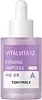
This anti-aging ampoule is formulated around Niacinamide and Adenosine to soften the look of wrinkles and strengthen the skin barrier.
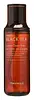
This anti-aging toner is formulated around Camellia Sinensis Leaf Extract and Niacinamide to soften the look of wrinkles and hydrate skin.

What's inside
What's inside
 Key Ingredients
Benefits
Concerns
Ingredients Side-by-side
Water
Skin ConditioningButylene Glycol
Humectant

Glycerin
Humectant
Niacinamide
Smoothing









Dimethicone
Emollient
Caprylic/Capric Triglyceride
Masking
Bis-PEG-15 Methyl Ether Dimethicone
Emulsifying
Cyclopentasiloxane
Emollient
PEG/PPG-17/6 Copolymer
SolventHydroxyacetophenone
Antioxidant
Polysorbate 20
Emulsifying

PPG-1-PEG-9 Lauryl Glycol Ether
EmulsifyingCoceth-7
EmulsifyingHydrogenated Poly(C6-14 Olefin)
EmollientEclipta Prostrata Extract
Skin Conditioning
PEG-20 Glyceryl Isostearate
Surfactant
Acrylates/C10-30 Alkyl Acrylate Crosspolymer
Emulsion StabilisingPentylene Glycol
Skin Conditioning
Panthenol
Skin Conditioning
Xanthan Gum
EmulsifyingBetaine
Humectant
Tromethamine
BufferingCentella Asiatica Extract
Cleansing
Polyglyceryl-2 Stearate
Emulsifying
PEG-40 Hydrogenated Castor Oil
Emulsifying
Ethylhexylglycerin
Skin ConditioningHydrogenated Lecithin
Emulsifying
1,2-Hexanediol
Skin Conditioning
PEG-8 Stearate
Emulsifying

Olea Europaea Fruit Oil
Masking
Melia Azadirachta Leaf Extract
Skin ConditioningAdenosine
Skin Conditioning
Portulaca Oleracea Extract
Skin Conditioning
Polyglyceryl-10 Laurate
Skin Conditioning
Disodium EDTA
ChelatingChamomilla Recutita Flower Extract
Masking
Vitex Agnus Castus Extract
AstringentTocopheryl Acetate
Antioxidant
Squalane
Emollient
Diglycerin
Humectant
Dimethicone/Vinyl Dimethicone Crosspolymer
Skin Conditioning
Lecithin
Emollient
Melia Azadirachta Flower Extract
Skin ConditioningPolycaprolactone
StabilisingRetinol
Skin Conditioning

Neopentyl Glycol Diheptanoate
EmollientCetyl Ethylhexanoate
EmollientCitrus Aurantium Bergamia Fruit Oil
Masking
Cymbopogon Martini Oil
Masking
Coccinia Indica Fruit Extract
Skin Conditioning
Arctium Lappa Root Extract
Skin Conditioning
Phellinus Linteus Extract
Skin ConditioningMoringa Oleifera Seed Oil
Emollient
Ceramide NP
Skin Conditioning
Hydrogenated Phosphatidylcholine
Emulsifying
Sodium Magnesium Silicate
Pelargonium Graveolens Flower Oil
Masking
BHT
Antioxidant
Aloe Barbadensis Flower Extract
EmollientSolanum Melongena Fruit Extract
Skin ConditioningPhaseolus Radiatus Seed Extract
Skin ConditioningPolyglyceryl-10 Myristate
Skin Conditioning
Eucalyptus Globulus Leaf Oil
Perfuming
Cetearyl Alcohol
Emollient

Stearic Acid
Cleansing
Simmondsia Chinensis Seed Oil
Emollient
Citrus Aurantium Dulcis Peel Oil
Masking
Michelia Alba Flower Oil
Masking
Oenothera Biennis Oil
Emollient
Carthamus Tinctorius Seed Oil
Masking
Avena Sativa Meal Extract
SoothingCorallina Officinalis Extract
Skin Conditioning
Curcuma Longa Root Extract
Antioxidant
Ocimum Sanctum Leaf Extract
Skin ConditioningOctyldodecanol
Emollient
PEG-35 Castor Oil
Emulsifying
Calcium Pantothenate
Maltodextrin
Absorbent
Sodium Starch Octenylsuccinate
AbsorbentAesculus Hippocastanum Seed Extract
Skin ConditioningCrithmum Maritimum Callus Culture Filtrate
Skin ProtectingPolyquaternium-51
Skin Conditioning
Alcohol
Antimicrobial

Sodium Ascorbyl Phosphate
Antioxidant
Acetyl Hexapeptide-8
Humectant
Pyridoxine Hcl
Skin ConditioningPvp
Emulsion StabilisingTocopherol
Antioxidant
Sodium Acetate
BufferingLysine
Skin ConditioningInositol
Humectant
Retinyl Palmitate
Skin Conditioning
Linoleic Acid
Cleansing
Silica
Abrasive
Oligopeptide-1
Skin Conditioning
Fullerenes
AntimicrobialBiotin
AntiseborrhoeicGlyceryl Arachidonate
Emollient
Glyceryl Linolenate
Emollient
Folic Acid
Skin ConditioningThiamine Hcl
MaskingPyridoxine
Skin ConditioningCyanocobalamin
Skin ConditioningWater, Butylene Glycol, Glycerin, Niacinamide, Dimethicone, Caprylic/Capric Triglyceride, Bis-PEG-15 Methyl Ether Dimethicone, Cyclopentasiloxane, PEG/PPG-17/6 Copolymer, Hydroxyacetophenone, Polysorbate 20, PPG-1-PEG-9 Lauryl Glycol Ether, Coceth-7, Hydrogenated Poly(C6-14 Olefin), Eclipta Prostrata Extract, PEG-20 Glyceryl Isostearate, Acrylates/C10-30 Alkyl Acrylate Crosspolymer, Pentylene Glycol, Panthenol, Xanthan Gum, Betaine, Tromethamine, Centella Asiatica Extract, Polyglyceryl-2 Stearate, PEG-40 Hydrogenated Castor Oil, Ethylhexylglycerin, Hydrogenated Lecithin, 1,2-Hexanediol, PEG-8 Stearate, Olea Europaea Fruit Oil, Melia Azadirachta Leaf Extract, Adenosine, Portulaca Oleracea Extract, Polyglyceryl-10 Laurate, Disodium EDTA, Chamomilla Recutita Flower Extract, Vitex Agnus Castus Extract, Tocopheryl Acetate, Squalane, Diglycerin, Dimethicone/Vinyl Dimethicone Crosspolymer, Lecithin, Melia Azadirachta Flower Extract, Polycaprolactone, Retinol, Neopentyl Glycol Diheptanoate, Cetyl Ethylhexanoate, Citrus Aurantium Bergamia Fruit Oil, Cymbopogon Martini Oil, Coccinia Indica Fruit Extract, Arctium Lappa Root Extract, Phellinus Linteus Extract, Moringa Oleifera Seed Oil, Ceramide NP, Hydrogenated Phosphatidylcholine, Sodium Magnesium Silicate, Pelargonium Graveolens Flower Oil, BHT, Aloe Barbadensis Flower Extract, Solanum Melongena Fruit Extract, Phaseolus Radiatus Seed Extract, Polyglyceryl-10 Myristate, Eucalyptus Globulus Leaf Oil, Cetearyl Alcohol, Stearic Acid, Simmondsia Chinensis Seed Oil, Citrus Aurantium Dulcis Peel Oil, Michelia Alba Flower Oil, Oenothera Biennis Oil, Carthamus Tinctorius Seed Oil, Avena Sativa Meal Extract, Corallina Officinalis Extract, Curcuma Longa Root Extract, Ocimum Sanctum Leaf Extract, Octyldodecanol, PEG-35 Castor Oil, Calcium Pantothenate, Maltodextrin, Sodium Starch Octenylsuccinate, Aesculus Hippocastanum Seed Extract, Crithmum Maritimum Callus Culture Filtrate, Polyquaternium-51, Alcohol, Sodium Ascorbyl Phosphate, Acetyl Hexapeptide-8, Pyridoxine Hcl, Pvp, Tocopherol, Sodium Acetate, Lysine, Inositol, Retinyl Palmitate, Linoleic Acid, Silica, Oligopeptide-1, Fullerenes, Biotin, Glyceryl Arachidonate, Glyceryl Linolenate, Folic Acid, Thiamine Hcl, Pyridoxine, Cyanocobalamin
Camellia Sinensis Leaf Extract
Antimicrobial
Glycereth-26
Humectant
Dipropylene Glycol
HumectantWater
Skin Conditioning1,2-Hexanediol
Skin Conditioning
Niacinamide
Smoothing
Helianthus Annuus Seed Oil
Emollient
Citrus Aurantium Bergamia Fruit Oil
Masking
Melaleuca Alternifolia Leaf Oil
Antioxidant
Biosaccharide Gum-1
Humectant
Theobroma Cacao Extract
Skin ConditioningC12-14 Pareth-12
EmulsifyingTrehalose
Humectant
Hydrolyzed Jojoba Esters
Skin Conditioning
Hydroxyethyl Acrylate/Sodium Acryloyldimethyl Taurate Copolymer
Emulsion StabilisingCyclomethicone
Emollient
Acrylates/C10-30 Alkyl Acrylate Crosspolymer
Emulsion StabilisingTromethamine
BufferingAdenosine
Skin Conditioning
Glycerin
Humectant
Phenyl Trimethicone
Skin Conditioning
Dextrin
AbsorbentDisodium EDTA
ChelatingGlyceryl Caprylate
EmollientCamellia Sinensis Leaf Extract, Glycereth-26, Dipropylene Glycol, Water, 1,2-Hexanediol, Niacinamide, Helianthus Annuus Seed Oil, Citrus Aurantium Bergamia Fruit Oil, Melaleuca Alternifolia Leaf Oil, Biosaccharide Gum-1, Theobroma Cacao Extract, C12-14 Pareth-12, Trehalose, Hydrolyzed Jojoba Esters, Hydroxyethyl Acrylate/Sodium Acryloyldimethyl Taurate Copolymer, Cyclomethicone, Acrylates/C10-30 Alkyl Acrylate Crosspolymer, Tromethamine, Adenosine, Glycerin, Phenyl Trimethicone, Dextrin, Disodium EDTA, Glyceryl Caprylate
Ingredients Explained
These ingredients are found in both products.
Ingredients higher up in an ingredient list are typically present in a larger amount.
1,2-Hexanediol is a synthetic liquid and another multi-functional powerhouse.
It is a:
- Humectant, drawing moisture into the skin
- Emollient, helping to soften skin
- Solvent, dispersing and stabilizing formulas
- Preservative booster, enhancing the antimicrobial activity of other preservatives
Acrylates/C10-30 Alkyl Acrylate Crosspolymer is a synthetic polymer. It is used to thicken, emulsify, and improve the texture of products.
As an emulsifier, it helps stabilize oil-in-water emulsions to give products an elegant feel when applied.
It can also form a thin protective film on skin. One study found that a formula using this polymer helped slow down how quickly other ingredients (like DEET) were absorbed through skin.
A 2024 study of over 1,300 patients confirmed that sensitization to this ingredient is rare. It is also non-mutagenic and has a clean track record.
Learn more about Acrylates/C10-30 Alkyl Acrylate CrosspolymerAdenosine is a purine nucleoside that your body already makes in every cell. In skincare, it acts mainly as a skin conditioning and anti-aging agent.
The way it works is fairly well mapped out:
Your skin has cells called fibroblasts that build collagen (the stuff that keeps skin firm and smooth). Adenosine basically flips a switch on these cells that tells them to get to work making more collagen and other proteins. These cells slow down on their own as skin ages, so Adenosine helps give them a little nudge to keep going.
The clinical backing is pretty solid too.
A blind, randomized, placebo-controlled trial of 126 women aged 45-65 tested a 0.1% cream twice daily and found real improvements in crow's feet and frown lines using a precise 3D skin-mapping technique; these changes showed up by week 3 and held at 2 months.
A later study using Adenosine-loaded dissolving microneedle patches reported gains in wrinkle depth, dermal density, elasticity, and hydration.
On concentrations, South Korea's Ministry of Food and Drug Safety has set 0.04% as the approved functional anti-wrinkle level. You'll typically see this ingredient used somewhere in the 0.04-0.1% range since it works at low doses.
This ingredient has been found safe for cosmetics with the data showing no irritation or sensitization.
Overall, this is a great ingredient for any anti-aging routine and has no photosensitizing effect, so it suits both AM and PM use.
Learn more about AdenosineCitrus Aurantium Bergamia Fruit Oil is the oil from the bergamot orange and is primarily used as a fragrance. It has a "fresh" and "bright orange" scent.
The main aroma compounds found in this ingredient are limonene (~27-52%), linalool (~2-22%), and linalyl acetate (~27-40%). These are known EU fragrance allergens.
The term 'fragrance' is not regulated in many countries. In many cases, it is up to the brand to define this term. For instance, many brands choose to label themselves as "fragrance-free" because they are not using synthetic fragrances. However, their products may still contain ingredients such as essential oils that are considered a fragrance.
When used topically, Citrus Aurantium Bergamia Fruit Oil is a photosensitizer due to the furanocoumarin content. Furanocoumarins absorb UV-A and cause phytophotodermatitis; this can look like redness, blistering, and lasting brown pigmentation on sun-exposed skin.
Due to this, this ingredient is capped at 0.4% in leave-on products applied to sun exposed skin.
Many modern formulas used a "furanocoumarin-free" version that sidesteps the phototoxicity issue, but still contains the fragrance allergens.
Learn more about Citrus Aurantium Bergamia Fruit OilDisodium EDTA is a chelating agent. It grabs onto and deactivates metal ions that sneak into your products from water, packaging, or air.
This ingredient mainly works behind the scenes and helps with:
On top of that, this ingredient can counteract the effects of hard water by binding to the minerals in it.
One thing worth knowing is that Disodium EDTA has been shown to be a mild penetration enhancer. It can help other ingredients absorb into skin more effectively which can be a double-edged sword (great for actives, but can also make the active too strong if you have sensitive skin).
Clinical patch testing showed no significant skin irritation at typical use concentrations and minimal dermal absorption.
You'll most likely see this ingredient near the end of an ingredient list. It's typically found in concentrations less than 1%.
Learn more about Disodium EDTAGlycerin (or glycerol) is a compound naturally found in your skin. It's a powerhouse humectant that pulls water into the stratum corneum.
Topically, glycerin does several things at once:
Your skin makes glycerin on its own (mostly from sebaceous oil breakdown) and shuttles it to your outermost layer of skin, or your epidermis, via aquaporin-3.
Aquaporin-3 is a transporter that is essential for normal skin hydration, elasticity, and repair. Interestingly, mice lacking in AQP3 have dry and less elastic skin that can be fully corrected with glycerin.
This ingredient is non-irritating, plays well with almost every ingredient, and works across all skin types. Typical use is anywhere between 3-10% but can go up to 79% in some leave-on products.
Just know very high concentrations (>40%) can feel tacky in low humidity.
Glycerin is the name for this ingredient in American English. British English uses Glycerol/Glycerine.
Learn more about GlycerinNiacinamide is a multitasking form of vitamin B3 that strengthens the skin barrier, reduces pores and dark spots, regulates oil, and improves signs of aging.
And the best part? It's gentle and well-tolerated by most skin types, including sensitive and reactive skin.
You might have heard of "niacin flush", or the reddening of skin that causes itchiness. Niacinamide has not been found to cause this.
In very rare cases, some individuals may not be able to tolerate niacinamide at all or experience an allergic reaction to it.
If you are experiencing flaking, irritation, and dryness with this ingredient, be sure to double check all your products as this ingredient can be found in all categories of skincare.
When incorporating niacinamide into your routine, look out for concentration amounts. Typically, 5% niacinamide provides benefits such as fading dark spots. However, if you have sensitive skin, it is better to begin with a smaller concentration.
When you apply niacinamide to your skin, your body converts it into nicotinamide adenine dinucleotide (NAD). NAD is an essential coenzyme that is already found in your cells as "fuel" and powers countless biological processes.
In your skin, NAD helps repair cell damage, produce new healthy cells, support collagen production, strengthen the skin barrier, and fight environmental stressors (like UV and pollution).
Our natural NAD levels start to decline with age, leading to slower skin repair, visible aging, and a weaker skin barrier. By providing your skin niacinamide, you're recharging your skin's NAD levels. This leads to stronger, healthier, and younger looking skin.
Another name for vitamin B3 is nicotinamide. This vitamin is water-soluble and our bodies don't store it. We obtain Vitamin B3 from either food or skincare. Meat, fish, wheat, yeast, and leafy greens contain vitamin B3.
The type of niacinamide used in skincare is synthetically created.
Learn more about NiacinamideTromethamine (aka THAM) is a synthetic amino acid that shows up in skincare as a helper ingredient.
It functions as a pH adjuster to help neutralize acidic ingredients and set a formula's pH to the right spot.
This matters a lot because a lot of actives (like vitamin C) needs a specific pH to work well and feel comfortable on skin.
Concentration use ranges from 0.1-1.0% depending on the formula.
Learn more about TromethamineWater. It's the most common cosmetic ingredient of all. You'll usually see it at the top of ingredient lists, meaning that it makes up the largest part of the product.
So why is it so popular? Water most often acts as a solvent - this means that it helps dissolve other ingredients into the formulation.
You'll also recognize water as that liquid we all need to stay alive. If you see this, drink a glass of water. Remember to stay hydrated!
Learn more about Water

