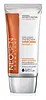
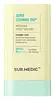
Neogen Dermalogy Day-Light Protection Sun Screen SPF 50 PA+++ Versus Neogen Sur.Medic+ Super Ceramide 100 Protection Perfect Sun Stick SPF50+ PA++++
This hybrid sunscreen covers the full UV range and blocks ~98% of UVB at SPF 50.
This chemical sunscreen covers the full UV range and blocks ~98% of UVB at SPF 50.

What's inside
What's inside
 Key Ingredients
Benefits
Concerns
Ingredients Side-by-side
Titanium Dioxide 0.9%
Cosmetic Colorant

Ethylhexyl Methoxycinnamate 7.5%
UV Absorber
Zinc Oxide 2.8%
Cosmetic Colorant
Water
Skin ConditioningGlycerin
Humectant


Butylene Glycol
Humectant
Bis-Ethylhexyloxyphenol Methoxyphenyl Triazine
UV Absorber
C12-15 Alkyl Benzoate
AntimicrobialHexanediol
SolventIsoamyl P-Methoxycinnamate
UV Absorber
Dicaprylyl Carbonate
EmollientCetearyl Alcohol
Emollient






Xanthan Gum
EmulsifyingPolysorbate 20
Emulsifying
Sodium Hyaluronate
Humectant


Glyceryl Stearate
Emollient
PEG-100 Stearate
Surfactant
Acrylates/C10-30 Alkyl Acrylate Crosspolymer
Emulsion StabilisingPortulaca Oleracea Extract
Skin Conditioning
Lavandula Angustifolia Oil
Masking



Phyllanthus Emblica Fruit Extract
HumectantRubus Idaeus Fruit Extract
AstringentVaccinium Angustifolium Fruit Extract
Skin Protecting
Euterpe Oleracea Fruit Extract
Ammonium Acryloyldimethyltaurate/Vp Copolymer
Carbomer
Emulsion StabilisingLippia Citriodora Leaf Extract
Astringent
Rosa Damascena Flower Extract
Masking
Tocopheryl Acetate
Antioxidant


Angelica Archangelica Root Extract
Masking
Beta-Glucan
Skin Conditioning
Hibiscus Sabdariffa Flower Extract
Skin ConditioningArtemisia Absinthium Extract
Skin ConditioningArnica Montana Flower Extract
Masking
Polyhydroxystearic Acid
Emulsifying
Alumina
Abrasive
Gentiana Lutea Root Extract
Skin ConditioningAchillea Millefolium Extract
CleansingLitsea Cubeba Fruit Oil
Masking
Citrus Limon Fruit Oil
Astringent
Eucalyptus Globulus Leaf Oil
Perfuming
Cedrus Atlantica Wood Oil
Perfuming
Disodium EDTA
ChelatingPotassium Hydroxide
BufferingCitrus Aurantium Dulcis Oil
Masking
Aluminum Stearate
Cosmetic ColorantTitanium Dioxide 0.9%, Ethylhexyl Methoxycinnamate 7.5%, Zinc Oxide 2.8%, Water, Glycerin, Butylene Glycol, Bis-Ethylhexyloxyphenol Methoxyphenyl Triazine, C12-15 Alkyl Benzoate, Hexanediol, Isoamyl P-Methoxycinnamate, Dicaprylyl Carbonate, Cetearyl Alcohol, Xanthan Gum, Polysorbate 20, Sodium Hyaluronate, Glyceryl Stearate, PEG-100 Stearate, Acrylates/C10-30 Alkyl Acrylate Crosspolymer, Portulaca Oleracea Extract, Lavandula Angustifolia Oil, Phyllanthus Emblica Fruit Extract, Rubus Idaeus Fruit Extract, Vaccinium Angustifolium Fruit Extract, Euterpe Oleracea Fruit Extract, Ammonium Acryloyldimethyltaurate/Vp Copolymer, Carbomer, Lippia Citriodora Leaf Extract, Rosa Damascena Flower Extract, Tocopheryl Acetate, Angelica Archangelica Root Extract, Beta-Glucan, Hibiscus Sabdariffa Flower Extract, Artemisia Absinthium Extract, Arnica Montana Flower Extract, Polyhydroxystearic Acid, Alumina, Gentiana Lutea Root Extract, Achillea Millefolium Extract, Litsea Cubeba Fruit Oil, Citrus Limon Fruit Oil, Eucalyptus Globulus Leaf Oil, Cedrus Atlantica Wood Oil, Disodium EDTA, Potassium Hydroxide, Citrus Aurantium Dulcis Oil, Aluminum Stearate
Dimethicone
Emollient
Silica
Abrasive
Polyethylene
Abrasive
Ethylhexyl Methoxycinnamate
UV Absorber
Ethylhexyl Salicylate
UV Absorber
Bis-Ethylhexyloxyphenol Methoxyphenyl Triazine
UV Absorber
Sodium Benzoate
Masking
Caprylic/Capric Triglyceride
Masking
Water
Skin ConditioningPolyhydroxystearic Acid
Emulsifying
Polyglyceryl-4 Isostearate
Emulsifying
Coco-Caprylate/Caprate
Emollient
Curcuma Longa Root Extract
Antioxidant
Polyglyceryl-3 Polyricinoleate
Emulsifying
Melia Azadirachta Flower Extract
Skin ConditioningHippophae Rhamnoides Oil
Emollient
Salvia Officinalis Oil
Masking
Prunus Amygdalus Dulcis Oil
Skin Conditioning
Squalane
Emollient
Bisabolol
Antioxidant
Argania Spinosa Kernel Oil
Emollient
Cocos Nucifera Oil
Masking
Melia Azadirachta Leaf Extract
Skin ConditioningHelianthus Annuus Seed Oil
Emollient
Melia Azadirachta Bark Extract
AntimicrobialCorallina Officinalis Extract
Skin Conditioning
Moringa Oleifera Seed Oil
Emollient
Ocimum Sanctum Leaf Extract
Skin ConditioningGlycerin
Humectant
Adansonia Digitata Seed Oil
Emollient
Hydrogenated Lecithin
Emulsifying
Disteardimonium Hectorite
StabilisingAdenosine
Skin Conditioning
Sorbitan Isostearate
Emulsifying
Sea Water
HumectantButylene Glycol
Humectant
1,2-Hexanediol
Skin Conditioning
Tocopheryl Acetate
Antioxidant
Camellia Sinensis Leaf Extract
Antimicrobial
Centella Asiatica Extract
Cleansing
Bifida Ferment Lysate
Skin Conditioning
Tocopherol
Antioxidant
Ceramide NP
Skin Conditioning
Gluconolactone
Chelating

Niacinamide
Smoothing
Allantoin
Skin Conditioning
Panthenol
Skin Conditioning
Ceramide Ns
Skin Conditioning
Ceramide As
Skin Conditioning
Ceramide EOP
Skin Conditioning
Ceramide AP
Skin Conditioning
Cymbopogon Schoenanthus Extract
Skin ConditioningAloe Barbadensis Leaf Extract
Emollient
Pearl Extract
Antioxidant
Collagen
Moisturising
Caprylyl Glycol
Emollient
Hyaluronic Acid
Humectant
Ethylhexylglycerin
Skin ConditioningPhellinus Linteus Extract
Skin ConditioningLinum Usitatissimum Seed Extract
Perfuming
Acetyl Hexapeptide-8
Humectant
Beta-Glucan
Skin Conditioning
Hydrolyzed Hyaluronic Acid
Humectant
Sodium Hyaluronate
Humectant
Oleic Acid
Emollient
Methicone
Emollient
Glyceryl Caprylate
EmollientParfum
Masking
Dimethicone, Silica, Polyethylene, Ethylhexyl Methoxycinnamate, Ethylhexyl Salicylate, Bis-Ethylhexyloxyphenol Methoxyphenyl Triazine, Sodium Benzoate, Caprylic/Capric Triglyceride, Water, Polyhydroxystearic Acid, Polyglyceryl-4 Isostearate, Coco-Caprylate/Caprate, Curcuma Longa Root Extract, Polyglyceryl-3 Polyricinoleate, Melia Azadirachta Flower Extract, Hippophae Rhamnoides Oil, Salvia Officinalis Oil, Prunus Amygdalus Dulcis Oil, Squalane, Bisabolol, Argania Spinosa Kernel Oil, Cocos Nucifera Oil, Melia Azadirachta Leaf Extract, Helianthus Annuus Seed Oil, Melia Azadirachta Bark Extract, Corallina Officinalis Extract, Moringa Oleifera Seed Oil, Ocimum Sanctum Leaf Extract, Glycerin, Adansonia Digitata Seed Oil, Hydrogenated Lecithin, Disteardimonium Hectorite, Adenosine, Sorbitan Isostearate, Sea Water, Butylene Glycol, 1,2-Hexanediol, Tocopheryl Acetate, Camellia Sinensis Leaf Extract, Centella Asiatica Extract, Bifida Ferment Lysate, Tocopherol, Ceramide NP, Gluconolactone, Niacinamide, Allantoin, Panthenol, Ceramide Ns, Ceramide As, Ceramide EOP, Ceramide AP, Cymbopogon Schoenanthus Extract, Aloe Barbadensis Leaf Extract, Pearl Extract, Collagen, Caprylyl Glycol, Hyaluronic Acid, Ethylhexylglycerin, Phellinus Linteus Extract, Linum Usitatissimum Seed Extract, Acetyl Hexapeptide-8, Beta-Glucan, Hydrolyzed Hyaluronic Acid, Sodium Hyaluronate, Oleic Acid, Methicone, Glyceryl Caprylate, Parfum
Reviews
Ingredients Explained
These ingredients are found in both products.
Ingredients higher up in an ingredient list are typically present in a larger amount.
Beta-Glucan is a soluble polysaccharide (a chain of glucose sugars) sourced from the cells walls of oats, baker's yeast, mushrooms, and seaweed.
It's a rare ingredient that pulls double-duty as a heavy-duty hydrator and skin-soothing repair agent.
On the surface, it acts as a humectant that holds water in place and reduces moisture loss for a plumper, smoother feel, while its anti-inflammatory and antioxidant properties make it a great pick for calming redness or sensitive skin
The more interesting story is underneath:
Despite its large molecular size, oat beta-glucan has been shown to penetrate the epidermis and reach the dermis by slipping between skin cells. Here, it interacts with fibroblasts and macrophages to nudge collagen synthesis and support wound repair.
A small 2005 split-face clinical study of 27 subjects found topical beta-glucan produced measurable reductions in wrinkle depth, height, and roughness after 8 weeks of use.
It is worth noting the trial was small and the penetration testing used frozen, irradiated skin so the anti-aging data is encouraging rather than definitive.
This ingredient gets along with pretty much everything and is typically used around 0.1-1%.
Fungal acne: This ingredient is not a food source for the Malassezia yeast because it is a glucose polysaccharide with no fatty acid or ester component.
Learn more about Beta-GlucanThis ingredient is better known as bemotrizinol or Tinosorb S and is one of the best broad-spectrum UV filters in modern sunscreen.
It works by absorbing UV light across a whole range (280-400 nm) with peaks around 310 nm (UVB) and 340-345 nm (UVA). This means it covers UVB plus the deeper UVA wavelengths that drive photoaging and pigmentation.
Another pro?
It's exceptionally photostable, barely degrades in sunlight, and acts as a "bodyguard" for less stable filters.
That's why you'll see it paired with avobenzone or octinoxate; this team up ensures they keep working through sun exposure.
Safety reviews have been reassuring across the board. This ingredient shows low absorption through the skin, rarely irritates, and lab studies found it doesn't act like a hormone in the body (a concern that's been raised about some older sunscreen filters).
On maximum concentrations:
In 2026, the US F.D.A finally added it as an OTC sunscreen ingredient at concentrations up to 6% for adults / children 6 months and older
Learn more about Bis-Ethylhexyloxyphenol Methoxyphenyl TriazineButylene Glycol (or BG) is used within cosmetic products for a few different reasons:
Overall, Butylene Glycol is a safe and well-rounded ingredient that works well with other ingredients.
Though this ingredient works well with most skin types, some people with sensitive skin may experience a reaction such as allergic rashes, closed comedones, or itchiness.
Learn more about Butylene GlycolThis ingredient is also known as Octinoxate and is one of the oldest and most widely used chemical UV filters in skincare.
It has a simple job: soap up UVB radiation (290-320 nm), the wavelengths responsible for sunburn and a big chunk of long-term sun damage.
In formulas, it's always paired with a separate UVA filter because octinoxate solely protects skin from UVB.
Because it's an oil-soluble liquid, it's easy to blend into the oil phase of lotions/creams and gives a cosmetically elegant feel.
The one quirk about formulating this ingredient is photostability; the molecule slowly changes shape into a less effective version when sunlight hits it. So the longer you're in the sun, the weaker its protection gets. The drop can be more than 30% in some formulas.
It also doesn't play nice with Avobenzone (the common UVA filter) since avobenzone destabilizes octinoxate and the two degrade each other. But don't worry: brands have solved this issue by adding photostabilizers like Tinosorb S to prevent degradation and keep SPF stable under heavy UV exposure.
The maximum allowed level is 10% in the EU and Australia, 7.5% in the US and Canada, and 20% in Japan.
The Cosmetic Ingredient Review Panel has concluded this ingredient to be safe in cosmetics up to 10%.
One last thing worth knowing for context:
Octinoxate has been the subject of ongoing review in Europe where the Scientific Committee on Consumer Safety's (SCCS) 2025 final opinion is that this ingredient is an endocrine-active substance.
Lab and animal studies suggest it can act a bit like a hormone in the body (mildly mimicking estrogen and slightly blocking male hormones). It's important to know this hasn't really been shown to happen in everyday human use.
This ingredient is also banned in Hawaii over coral reef concerns.
Learn more about Ethylhexyl MethoxycinnamateGlycerin (or glycerol) is a compound naturally found in your skin. It's a powerhouse humectant that pulls water into the stratum corneum.
Topically, glycerin does several things at once:
Your skin makes glycerin on its own (mostly from sebaceous oil breakdown) and shuttles it to your outermost layer of skin, or your epidermis, via aquaporin-3.
Aquaporin-3 is a transporter that is essential for normal skin hydration, elasticity, and repair. Interestingly, mice lacking in AQP3 have dry and less elastic skin that can be fully corrected with glycerin.
This ingredient is non-irritating, plays well with almost every ingredient, and works across all skin types. Typical use is anywhere between 3-10% but can go up to 79% in some leave-on products.
Just know very high concentrations (>40%) can feel tacky in low humidity.
Glycerin is the name for this ingredient in American English. British English uses Glycerol/Glycerine.
Learn more about GlycerinPolyhydroxystearic Acid is a vegetable-derived soft wax made from castor oil. It's an emulsion stabilizer, thickener, and film former.
You'll likely see it in sunscreens because it helps disperse pigments and UV-reflecting minerals like titanium dioxide and zinc oxide evenly.
Depending on the concentration, it can drastically change the texture of a product from pasty solid (like lipstick) to sprayable liquid.
The CIR Expert Panel for Cosmetic Ingredient Safety has concluded this ingredient to be safe in cosmetics. The highest reported use concentration is 14.2% in lipsticks.
Learn more about Polyhydroxystearic AcidSodium Hyaluronate is the salt form of hyaluronic acid. It is a long sugar chain that is naturally found in your skin, joints, and connective tissue that maintains hydration and elasticity.
In skincare, it works as a humectant. It pulls water from the environment and deeper layers of skin and binds it to the surface.
Interestingly, the size of the molecule affects its behavior:
Some clinical evidence links low molecular weight versions to improved wrinkle depth, elasticity, anti-inflammatory effects, and barrier repair.
Many serums use a blend of both weights so you can get surface hydration plus longer-lasting and deeper effects.
You'll typically see concentrations between 0.1-2% for this ingredient.
Learn more about Sodium HyaluronateTocopheryl Acetate is a stable, shelf-friendly form of vitamin E.
Formulators love it because plain vitamin E oxidizes quickly once it hits air. This acetate version stays stable and resists going off, helping to extend a product's shelf life.
It's actually inactive on its own and works like a slow-release "storage" form; the enzymes in your skin called esterases gradually convert it into active vitamin E over time.
One in vivo study showed 5% of the acetate in the living layer of the epidermis converted to vitamin E after 5 days of application. This study also found the skin gained protection against UV damage even though the conversion was slow and small.
Once converted, vitamin E acts as a skin's main fat-soluble antioxidant that fights free radicals to protect skin from damage.
Topical vitamin E generally boosts the skin's photoprotection, and it reduced UV-damage in animal models.
This ingredient has some brightening potential but it's more of a prevention ingredient than spot-fader. Cell studies show it can slow down melanin production but it's worth noting that it's not the most powerful brightener out there.
Overall, it has a pretty solid safety profile and has been found to be non-irritating and non-comedogenic. Allergic reactions may happen but stay rare due to how widely the ingredient gets used.
The concentration will vary depending on the formula; industry data shows 0.1% in baby lotions, 3% in lipsticks, and 5% in foot powders. You can also find this ingredient at 100% in a pure vitamin E oil.
Most leave-on skincare keeps it at the lower end, often between 0.5-1%.
Learn more about Tocopheryl AcetateWater. It's the most common cosmetic ingredient of all. You'll usually see it at the top of ingredient lists, meaning that it makes up the largest part of the product.
So why is it so popular? Water most often acts as a solvent - this means that it helps dissolve other ingredients into the formulation.
You'll also recognize water as that liquid we all need to stay alive. If you see this, drink a glass of water. Remember to stay hydrated!
Learn more about Water

