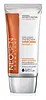
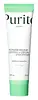
Neogen Dermalogy Day-Light Protection Sun Screen SPF 50 PA+++ Versus PURITO Wonder Releaf Centella Cream Unscented
This hybrid sunscreen covers the full UV range and blocks ~98% of UVB at SPF 50.
This calming moisturizer is formulated around Centella Asiatica Extract and Niacinamide to calm redness and strengthen the skin barrier.

What's inside
What's inside
 Key Ingredients
Benefits
Concerns
Ingredients Side-by-side
Titanium Dioxide 0.9%
Cosmetic Colorant

Ethylhexyl Methoxycinnamate 7.5%
UV Absorber
Zinc Oxide 2.8%
Cosmetic Colorant
Water
Skin ConditioningGlycerin
Humectant


Butylene Glycol
Humectant
Bis-Ethylhexyloxyphenol Methoxyphenyl Triazine
UV Absorber
C12-15 Alkyl Benzoate
AntimicrobialHexanediol
SolventIsoamyl P-Methoxycinnamate
UV Absorber
Dicaprylyl Carbonate
EmollientCetearyl Alcohol
Emollient






Xanthan Gum
EmulsifyingPolysorbate 20
Emulsifying
Sodium Hyaluronate
Humectant


Glyceryl Stearate
Emollient
PEG-100 Stearate
Surfactant
Acrylates/C10-30 Alkyl Acrylate Crosspolymer
Emulsion StabilisingPortulaca Oleracea Extract
Skin Conditioning
Lavandula Angustifolia Oil
Masking



Phyllanthus Emblica Fruit Extract
HumectantRubus Idaeus Fruit Extract
AstringentVaccinium Angustifolium Fruit Extract
Skin Protecting
Euterpe Oleracea Fruit Extract
Ammonium Acryloyldimethyltaurate/Vp Copolymer
Carbomer
Emulsion StabilisingLippia Citriodora Leaf Extract
Astringent
Rosa Damascena Flower Extract
Masking
Tocopheryl Acetate
Antioxidant


Angelica Archangelica Root Extract
Masking
Beta-Glucan
Skin Conditioning
Hibiscus Sabdariffa Flower Extract
Skin ConditioningArtemisia Absinthium Extract
Skin ConditioningArnica Montana Flower Extract
Masking
Polyhydroxystearic Acid
Emulsifying
Alumina
Abrasive
Gentiana Lutea Root Extract
Skin ConditioningAchillea Millefolium Extract
CleansingLitsea Cubeba Fruit Oil
Masking
Citrus Limon Fruit Oil
Astringent
Eucalyptus Globulus Leaf Oil
Perfuming
Cedrus Atlantica Wood Oil
Perfuming
Disodium EDTA
Potassium Hydroxide
BufferingCitrus Aurantium Dulcis Oil
Masking
Aluminum Stearate
Cosmetic ColorantTitanium Dioxide 0.9%, Ethylhexyl Methoxycinnamate 7.5%, Zinc Oxide 2.8%, Water, Glycerin, Butylene Glycol, Bis-Ethylhexyloxyphenol Methoxyphenyl Triazine, C12-15 Alkyl Benzoate, Hexanediol, Isoamyl P-Methoxycinnamate, Dicaprylyl Carbonate, Cetearyl Alcohol, Xanthan Gum, Polysorbate 20, Sodium Hyaluronate, Glyceryl Stearate, PEG-100 Stearate, Acrylates/C10-30 Alkyl Acrylate Crosspolymer, Portulaca Oleracea Extract, Lavandula Angustifolia Oil, Phyllanthus Emblica Fruit Extract, Rubus Idaeus Fruit Extract, Vaccinium Angustifolium Fruit Extract, Euterpe Oleracea Fruit Extract, Ammonium Acryloyldimethyltaurate/Vp Copolymer, Carbomer, Lippia Citriodora Leaf Extract, Rosa Damascena Flower Extract, Tocopheryl Acetate, Angelica Archangelica Root Extract, Beta-Glucan, Hibiscus Sabdariffa Flower Extract, Artemisia Absinthium Extract, Arnica Montana Flower Extract, Polyhydroxystearic Acid, Alumina, Gentiana Lutea Root Extract, Achillea Millefolium Extract, Litsea Cubeba Fruit Oil, Citrus Limon Fruit Oil, Eucalyptus Globulus Leaf Oil, Cedrus Atlantica Wood Oil, Disodium EDTA, Potassium Hydroxide, Citrus Aurantium Dulcis Oil, Aluminum Stearate
Water
Skin ConditioningCaprylic/Capric Triglyceride
Masking
Macadamia Ternifolia Seed Oil
Emollient
Squalane
Emollient
Butylene Glycol
Humectant
Cetearyl Alcohol
Emollient
Glycerin
Humectant
Centella Asiatica Extract
Cleansing
Niacinamide
Smoothing



1,2-Hexanediol
Skin Conditioning
Potassium Cetyl Phosphate
EmulsifyingCeramide NP
Skin Conditioning
Madecassic Acid
Skin Conditioning
Asiaticoside
Antioxidant
Asiatic Acid
Skin Conditioning
Behenic Acid
Cleansing
Betaine
Humectant
Tromethamine
BufferingButyrospermum Parkii Butter
Skin Conditioning
Hydrogenated Lecithin
Emulsifying
Palmitic Acid
Emollient
Stearic Acid
Cleansing
Caprylyl Glycol
Emollient
Candida Bombicola/Glucose/Methyl Rapeseedate Ferment
AntimicrobialCarbomer
Emulsion StabilisingXanthan Gum
EmulsifyingHydroxyethylcellulose
Emulsion StabilisingOryza Sativa Germ Oil
Emollient
Cocos Nucifera Oil
Masking
Sodium Carbomer
Emulsion StabilisingAdenosine
Skin Conditioning
Phytosphingosine
Skin Conditioning
Myristic Acid
Cleansing
Arachidic Acid
Cleansing
Tremella Fuciformis Extract
Humectant
Perilla Ocymoides Seed Extract
Antioxidant
Sodium Hyaluronate
Humectant
Beta-Glucan
Skin Conditioning
Water, Caprylic/Capric Triglyceride, Macadamia Ternifolia Seed Oil, Squalane, Butylene Glycol, Cetearyl Alcohol, Glycerin, Centella Asiatica Extract, Niacinamide, 1,2-Hexanediol, Potassium Cetyl Phosphate, Ceramide NP, Madecassic Acid, Asiaticoside, Asiatic Acid, Behenic Acid, Betaine, Tromethamine, Butyrospermum Parkii Butter, Hydrogenated Lecithin, Palmitic Acid, Stearic Acid, Caprylyl Glycol, Candida Bombicola/Glucose/Methyl Rapeseedate Ferment, Carbomer, Xanthan Gum, Hydroxyethylcellulose, Oryza Sativa Germ Oil, Cocos Nucifera Oil, Sodium Carbomer, Adenosine, Phytosphingosine, Myristic Acid, Arachidic Acid, Tremella Fuciformis Extract, Perilla Ocymoides Seed Extract, Sodium Hyaluronate, Beta-Glucan
Reviews
Ingredients Explained
These ingredients are found in both products.
Ingredients higher up in an ingredient list are typically present in a larger amount.
Beta-Glucan is a soluble polysaccharide (a chain of glucose sugars) sourced from the cells walls of oats, baker's yeast, mushrooms, and seaweed.
It's a rare ingredient that pulls double-duty as a heavy-duty hydrator and skin-soothing repair agent.
On the surface, it acts as a humectant that holds water in place and reduces moisture loss for a plumper, smoother feel, while its anti-inflammatory and antioxidant properties make it a great pick for calming redness or sensitive skin
The more interesting story is underneath:
Despite its large molecular size, oat beta-glucan has been shown to penetrate the epidermis and reach the dermis by slipping between skin cells. Here, it interacts with fibroblasts and macrophages to nudge collagen synthesis and support wound repair.
A small 2005 split-face clinical study of 27 subjects found topical beta-glucan produced measurable reductions in wrinkle depth, height, and roughness after 8 weeks of use.
It is worth noting the trial was small and the penetration testing used frozen, irradiated skin so the anti-aging data is encouraging rather than definitive.
This ingredient gets along with pretty much everything and is typically used around 0.1-1%.
Fungal acne: This ingredient is not a food source for the Malassezia yeast because it is a glucose polysaccharide with no fatty acid or ester component.
Learn more about Beta-GlucanButylene Glycol (or BG) is used within cosmetic products for a few different reasons:
Overall, Butylene Glycol is a safe and well-rounded ingredient that works well with other ingredients.
Though this ingredient works well with most skin types, some people with sensitive skin may experience a reaction such as allergic rashes, closed comedones, or itchiness.
Learn more about Butylene GlycolCarbomer is a synthetic thickening and gelling agent. It's basically the ingredient that gives a lot of serums, gels, creams, and sunscreens their smooth, non-sticky texture.
Although legally permitted at very high levels, carbomers are normally used at concentrations below 1%.
It also needs to be neutralized to actually thicken, and because it is a large molecule, it doesn't really penetrate the skin barrier.
Allergy-wise, the risk is very low. Clinical studies show carbomers have low potential for skin irritation/sensitization even at concentrations up to 100%.
A 2024 UK study patch-tested 1,302 patients and found true allergy to the parent group of carbomer to be rare with no confirmed relevant reactions.
Learn more about CarbomerCetearyl alcohol is a waxy mixture of two fatty alcohols: cetyl alcohol and stearyl alcohol. It is an emollient and emulsifier.
Despite having "alcohol" in its name, it has nothing to do with drying solvent alcohols; the FDA also allows "alcohol-free" products to contain fatty alcohols like this ingredient.
It plays several roles in a formula:
Typical use levels for this ingredient sit around 1-10% and the Cosmetic Ingredient Review Expert Panel has affirmed safety at concentrations up to 25% in leave-on products.
Multiple assessments have found it to be non-irritating and non-sensitizing to most people.
However, there have been some cases of allergic contact dermatitis in patients with chronically compromised skin barriers.
Cetearyl alcohol has a comedogenic rating of 2 and irritancy rating of 1. Both of these numbers come from the 1989 study that used rabbit ears; a "2" means mildly comedogenic and a "1" means low irritancy.
Here's the catch: rabbit skin is more sensitive than human skin and throws a lot of false positives. A 1996 reappraisal found that ingredients rated 1-2 in the rabbit ear tests are generally safe for humans.
Remember comedogenic ratings are unable to assess the entire formula of a product or how it will react on your skin. Just be sure to patch test if you are unsure about certain ingredients.
This ingredient is not fungal acne safe. Cetearyl alcohol is a fatty alcohol with chain lengths that fall within the range that Malassezia can metabolize.
A 2019 study has also observed Malassezia growth in the presence of this ingredient, confirming it to be not-fungal acne safe.
Learn more about Cetearyl AlcoholGlycerin (or glycerol) is a compound naturally found in your skin. It's a powerhouse humectant that pulls water into the stratum corneum.
Topically, glycerin does several things at once:
Your skin makes glycerin on its own (mostly from sebaceous oil breakdown) and shuttles it to your outermost layer of skin, or your epidermis, via aquaporin-3.
Aquaporin-3 is a transporter that is essential for normal skin hydration, elasticity, and repair. Interestingly, mice lacking in AQP3 have dry and less elastic skin that can be fully corrected with glycerin.
This ingredient is non-irritating, plays well with almost every ingredient, and works across all skin types. Typical use is anywhere between 3-10% but can go up to 79% in some leave-on products.
Just know very high concentrations (>40%) can feel tacky in low humidity.
Glycerin is the name for this ingredient in American English. British English uses Glycerol/Glycerine.
Learn more about GlycerinSodium Hyaluronate is the salt form of hyaluronic acid. It is a long sugar chain that is naturally found in your skin, joints, and connective tissue that maintains hydration and elasticity.
In skincare, it works as a humectant. It pulls water from the environment and deeper layers of skin and binds it to the surface.
Interestingly, the size of the molecule affects its behavior:
Some clinical evidence links low molecular weight versions to improved wrinkle depth, elasticity, anti-inflammatory effects, and barrier repair.
Many serums use a blend of both weights so you can get surface hydration plus longer-lasting and deeper effects.
You'll typically see concentrations between 0.1-2% for this ingredient.
Learn more about Sodium HyaluronateWater. It's the most common cosmetic ingredient of all. You'll usually see it at the top of ingredient lists, meaning that it makes up the largest part of the product.
So why is it so popular? Water most often acts as a solvent - this means that it helps dissolve other ingredients into the formulation.
You'll also recognize water as that liquid we all need to stay alive. If you see this, drink a glass of water. Remember to stay hydrated!
Learn more about WaterXanthan gum is used as a stabilizer and thickener within cosmetic products. It helps give products a sticky, thick feeling - preventing them from being too runny.
On the technical side of things, xanthan gum is a polysaccharide - a combination consisting of multiple sugar molecules bonded together.
Xanthan gum is a pretty common and great ingredient. It is a natural, non-toxic, non-irritating ingredient that is also commonly used in food products.
Learn more about Xanthan Gum

