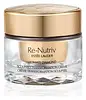
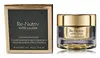
Estée Lauder Re-Nutriv Ultimate Diamond Sculpted Transformation Creme Versus Estée Lauder Re-Nutriv Ultimate Diamond Transformative Energy Creme Rich
This anti-aging moisturizer is formulated around Acetyl Hexapeptide-8 and Sodium Hyaluronate to soften the look of wrinkles and hydrate skin.
This anti-aging moisturizer is formulated around Glycine Soja Oil and Acetyl Hexapeptide-8 to soften the look of wrinkles and hydrate skin.

What's inside
What's inside
 Key Ingredients
Benefits
Concerns
Ingredients Side-by-side
Water
Skin ConditioningC12-20 Acid PEG-8 Ester
Emulsifying

Coco-Caprylate/Caprate
Emollient
Caprylic/Capric Triglyceride
Masking

Butylene Glycol
Humectant
Dimethicone
Emollient

Glycerin
Humectant
Cetyl Ricinoleate
Emollient
Cetyl Alcohol
Emollient
Algae Extract
Emollient

Tuber Melanosporum Extract
HumectantAcetyl Hexapeptide-8
Humectant

Sodium Hyaluronate
Humectant

Prunus Persica Flower Extract
MoisturisingLaminaria Digitata Extract
Skin Protecting
Narcissus Tazetta Bulb Extract
Astringent

Hydrolyzed Yeast Protein
Skin ConditioningSigesbeckia Orientalis Extract
Skin ConditioningGold
Cosmetic ColorantPearl Powder
Squalane
Emollient
Caffeine
Skin Conditioning
Molasses Extract
Skin ConditioningHydrolyzed Rice Protein
Skin ConditioningHydrolyzed Rice Extract
Skin Conditioning
Hydrolyzed Wheat Protein
Skin ConditioningCoffea Arabica Seed Oil
Masking
Cordyceps Sinensis Extract
Antioxidant
Cucumis Sativus Fruit Extract
Emollient
Helianthus Annuus Seed Extract
Skin Conditioning
Hordeum Distichon Extract
Skin ProtectingPhoenix Dactylifera Fruit Extract
EmollientFaex Extract
Skin ConditioningHordeum Vulgare Extract
EmollientTriticum Vulgare Germ Oil
Emollient
Inonotus Obliquus Extract
Skin ConditioningBoswellia Serrata Extract
Skin Conditioning
Brassica Campestris Sterols
EmollientDipotassium Glycyrrhizate
Humectant
Artemia Extract
Skin ConditioningGlucose
Humectant
Xanthan Gum
EmulsifyingCellulose
Absorbent
Tocopheryl Acetate
Antioxidant

Hydrogenated Polydecene
EmollientAminopropyl Ascorbyl Phosphate
Antioxidant


Lecithin
Emollient
Potassium Cetyl Phosphate
EmulsifyingCarbomer
Emulsion StabilisingTromethamine
BufferingSodium Acrylate/Sodium Acryloyldimethyl Taurate Copolymer
Emulsion StabilisingPolymethylsilsesquioxane
Caprylyl Glycol
Emollient
Propylene Glycol Dicaprate
EmollientDisodium EDTA
ChelatingHexylene Glycol
EmulsifyingPentylene Glycol
Skin Conditioning
Laureth-8
EmulsifyingPEG-100 Stearate
Surfactant
Parfum
Masking

BHT
Antioxidant
Phenoxyethanol
Preservative
Potassium Sorbate
Preservative
Sodium Benzoate
Masking
CI 17200
Cosmetic ColorantCI 19140
Cosmetic ColorantWater, C12-20 Acid PEG-8 Ester, Coco-Caprylate/Caprate, Caprylic/Capric Triglyceride, Butylene Glycol, Dimethicone, Glycerin, Cetyl Ricinoleate, Cetyl Alcohol, Algae Extract, Tuber Melanosporum Extract, Acetyl Hexapeptide-8, Sodium Hyaluronate, Prunus Persica Flower Extract, Laminaria Digitata Extract, Narcissus Tazetta Bulb Extract, Hydrolyzed Yeast Protein, Sigesbeckia Orientalis Extract, Gold, Pearl Powder, Squalane, Caffeine, Molasses Extract, Hydrolyzed Rice Protein, Hydrolyzed Rice Extract, Hydrolyzed Wheat Protein, Coffea Arabica Seed Oil, Cordyceps Sinensis Extract, Cucumis Sativus Fruit Extract, Helianthus Annuus Seed Extract, Hordeum Distichon Extract, Phoenix Dactylifera Fruit Extract, Faex Extract, Hordeum Vulgare Extract, Triticum Vulgare Germ Oil, Inonotus Obliquus Extract, Boswellia Serrata Extract, Brassica Campestris Sterols, Dipotassium Glycyrrhizate, Artemia Extract, Glucose, Xanthan Gum, Cellulose, Tocopheryl Acetate, Hydrogenated Polydecene, Aminopropyl Ascorbyl Phosphate, Lecithin, Potassium Cetyl Phosphate, Carbomer, Tromethamine, Sodium Acrylate/Sodium Acryloyldimethyl Taurate Copolymer, Polymethylsilsesquioxane, Caprylyl Glycol, Propylene Glycol Dicaprate, Disodium EDTA, Hexylene Glycol, Pentylene Glycol, Laureth-8, PEG-100 Stearate, Parfum, BHT, Phenoxyethanol, Potassium Sorbate, Sodium Benzoate, CI 17200, CI 19140
Water
Skin ConditioningGlycine Soja Oil
Emollient
Caprylic/Capric/Myristic/Stearic Triglyceride
EmollientGlycerin
Humectant
Prunus Amygdalus Dulcis Oil
Skin Conditioning
Butylene Glycol
Humectant
Dimethicone
Emollient
Stearyl Alcohol
Emollient
Steareth-2
EmulsifyingCocos Nucifera Oil
Masking
Helianthus Annuus Seed Oil
Emollient
Glyceryl Stearate
Emollient
Vitis Vinifera Seed Oil
Emollient
Propanediol
Solvent
Steareth-21
CleansingLimnanthes Alba Seed Oil
Skin Conditioning
Silybum Marianum Seed Oil
Skin Conditioning
Hypnea Musciformis Extract
Skin Protecting
Oxycoccus Palustris Seed Oil
Antioxidant
Laminaria Ochroleuca Extract
Skin Conditioning
Oenothera Biennis Oil
Emollient
Inonotus Obliquus Extract
Skin ConditioningNarcissus Tazetta Bulb Extract
Astringent
Cucumis Sativus Fruit Extract
Emollient
Pyrus Malus Fruit Extract
Skin Conditioning
Scutellaria Baicalensis Root Extract
Astringent
Hydrolyzed Wheat Protein
Skin ConditioningBoswellia Serrata Extract
Skin Conditioning
Butyrospermum Parkii Butter
Skin Conditioning
Gelidiella Acerosa Extract
Skin Protecting
Sigesbeckia Orientalis Extract
Skin ConditioningMacadamia Integrifolia Seed Oil
Skin Conditioning
Simmondsia Chinensis Seed Oil
Emollient
Laminaria Digitata Extract
Skin Protecting
Hydrolyzed Rice Extract
Skin Conditioning
Cholesterol
Emollient
Rosmarinus Officinalis Leaf Extract
AntimicrobialAcetyl Glucosamine
Skin Conditioning
Sorbitol
Humectant
Tuber Melanosporum Extract
HumectantPearl Powder
Lactoperoxidase
StabilisingGlucose Oxidase
StabilisingDextrin Palmitate
Emulsifying
Urea
Buffering
Acetyl Hexapeptide-8
Humectant
Hydrolyzed Yeast Protein
Skin ConditioningAlgae Extract
Emollient
Hydrolyzed Rice Protein
Skin ConditioningArtemia Extract
Skin ConditioningCaffeine
Skin Conditioning
Gold
Cosmetic ColorantCaprylyl Glycol
Emollient
Tocopheryl Acetate
Antioxidant
Caprylic/Capric Triglyceride
Masking
Trehalose
Humectant
Lactobionic Acid
Buffering

Glycine Soja Sterols
Emollient
Sodium PCA
Humectant
Glucose
Humectant
Dipotassium Glycyrrhizate
Humectant
Aminopropyl Ascorbyl Phosphate
Antioxidant
Behenyl Alcohol
Emollient
Carbomer
Emulsion StabilisingSodium Hydroxide
BufferingCetyl Alcohol
Emollient
Myristyl Alcohol
Emollient
Sodium Hyaluronate
Humectant
Polyquaternium-51
Skin Conditioning
Citric Acid
Buffering
Polymethylsilsesquioxane
Triacetin
AntimicrobialSodium Sulfite
Preservative
Sodium Metabisulfite
Antioxidant
Potassium Phosphate
BufferingSodium Chloride
MaskingTocopherol
Antioxidant
Cellulose
Absorbent
Parfum
Masking
Disodium EDTA
ChelatingBHT
Antioxidant
Chlorphenesin
Antimicrobial
Potassium Sorbate
Preservative
Sorbic Acid
Preservative
Sodium Benzoate
Masking
Phenoxyethanol
Preservative
CI 19140
Cosmetic ColorantCI 17200
Cosmetic ColorantWater, Glycine Soja Oil, Caprylic/Capric/Myristic/Stearic Triglyceride, Glycerin, Prunus Amygdalus Dulcis Oil, Butylene Glycol, Dimethicone, Stearyl Alcohol, Steareth-2, Cocos Nucifera Oil, Helianthus Annuus Seed Oil, Glyceryl Stearate, Vitis Vinifera Seed Oil, Propanediol, Steareth-21, Limnanthes Alba Seed Oil, Silybum Marianum Seed Oil, Hypnea Musciformis Extract, Oxycoccus Palustris Seed Oil, Laminaria Ochroleuca Extract, Oenothera Biennis Oil, Inonotus Obliquus Extract, Narcissus Tazetta Bulb Extract, Cucumis Sativus Fruit Extract, Pyrus Malus Fruit Extract, Scutellaria Baicalensis Root Extract, Hydrolyzed Wheat Protein, Boswellia Serrata Extract, Butyrospermum Parkii Butter, Gelidiella Acerosa Extract, Sigesbeckia Orientalis Extract, Macadamia Integrifolia Seed Oil, Simmondsia Chinensis Seed Oil, Laminaria Digitata Extract, Hydrolyzed Rice Extract, Cholesterol, Rosmarinus Officinalis Leaf Extract, Acetyl Glucosamine, Sorbitol, Tuber Melanosporum Extract, Pearl Powder, Lactoperoxidase, Glucose Oxidase, Dextrin Palmitate, Urea, Acetyl Hexapeptide-8, Hydrolyzed Yeast Protein, Algae Extract, Hydrolyzed Rice Protein, Artemia Extract, Caffeine, Gold, Caprylyl Glycol, Tocopheryl Acetate, Caprylic/Capric Triglyceride, Trehalose, Lactobionic Acid, Glycine Soja Sterols, Sodium PCA, Glucose, Dipotassium Glycyrrhizate, Aminopropyl Ascorbyl Phosphate, Behenyl Alcohol, Carbomer, Sodium Hydroxide, Cetyl Alcohol, Myristyl Alcohol, Sodium Hyaluronate, Polyquaternium-51, Citric Acid, Polymethylsilsesquioxane, Triacetin, Sodium Sulfite, Sodium Metabisulfite, Potassium Phosphate, Sodium Chloride, Tocopherol, Cellulose, Parfum, Disodium EDTA, BHT, Chlorphenesin, Potassium Sorbate, Sorbic Acid, Sodium Benzoate, Phenoxyethanol, CI 19140, CI 17200
Ingredients Explained
These ingredients are found in both products.
Ingredients higher up in an ingredient list are typically present in a larger amount.
Acetyl Hexapeptide-8 (also known as Argireline) is a synthetic hexapeptide that is often called a "topical Botox alternative".
It works by mimicking how Botox relaxes muscles; it interferes with the signaling process that tells your facial muscles to contract. This can help soften expression lines like forehead wrinkles or crow's feet over time.
The comparison to Botox does have limits because the molecule is water-loving and relatively large.
Acetyl Hexapeptide-8 has a hard time absorbing deeply enough through the skin's outer barrier to actually reach the muscles.
So whether it truly works the way Botox does at a biological level is still up for debate, but early clinical outcomes are fairly encouraging.
A 12 week human study of a multi-ingredient regimen containing this ingredient saw:
While some studies have observed improvements in wrinkle appearance, it is important to note that more consistent results are seen in multi-ingredient formulations (vs just Acetyl Hexapeptide-8 alone).
Some research studies also used higher concentrations (up to 10%) while this ingredient is usually found in concentrations up to 0.005% in leave-on formulations.
Learn more about Acetyl Hexapeptide-8Algae Extract is one of the vaguest names on any label because it just means "extract of some alga" (and there are thousands of species and dozens of ways to extract them). This just means two products listing it can contain completely different things.
This ingredient name was actually officially retired in the INCI dictionary in 2015 and brands were pushed toward species-specific names instead (like Laminaria Digitata Extract or Chondrus Crispus Extract).
Generally, it is used to hold water and soften skin in a formula. Algae are rich in polysaccharides, pigments, and amino-acids that act as humectants, emollients, and skin-conditioning agents.
It isn't on standard cosmetic-patch test panels and "seaweed dermatitis" is actually an acute irritant reaction to algal toxins in seawater and not the cosmetic ingredient.
You'll see algae listed as a 5/5 on a lot of pore-clogging charts and that number doesn't come from anywhere; it's not in the original rabbit-ear studies that most comedogenic ratings trace back to.
The reasoning behind the reputation is that seaweed is high in iodine and iodine can trigger acne-like breakouts when eaten. This traces back to a 1976 letter in Archives of Dermatology describing two women whose breakouts cleared after they stopped taking high-dose kelp supplements orally.
And the reaction of these two women wasn't clogged pores at all: it was an iodine-triggered pustular rash. Later research found normal dietary iodine doesn't meaningfully affect acne either and nobody has shown topical algae delivers enough iodine to matter.
What we do have is dozens of brown and red algae ingredients found to be non-irritating and non-sensitizing, and a handful of studies that found algae compounds may actually help acne.
However, plenty of people do report breaking out from algae-containing products. Skin is individual and it's worth avoiding if yours has reacted to algae before.
Learn more about Algae ExtractAminopropyl Ascorbyl Phosphate (AAP) is a form of Vitamin C. AAP was made as a more stable alternative to Ascorbic Acid by combining Ascorbic Acid (pure Vitamin C) with 3-aminoproply dehydrogen phosphate.
As a type of Vitamin C, it has antioxidant properties. Antioxidants help fight free-radical molecules, or molecules that may damage your skin cells.
AAP has been shown to help reduce signs of hyperigmentation and age-spots.
AAP is water soluble.
Vitamin C can help to reduce redness, improve skin texture, reduce the effects of aging, and reduce the visibility of dark spots.
Read more about other types of Vitamin C:
Learn more about Aminopropyl Ascorbyl PhosphateWe don't have a description for Artemia Extract yet.
BHT is a synthetic antioxidant and preservative.
As an antioxidant, it helps your body fight off free-radicals. Free-radicals are molecules that may damage your skin cells.
As a preservative, it is used to stabilize products and prevent them from degrading. Specifically, BHT prevents degradation from oxidation.
The concerns related to BHT come from oral studies; this ingredient is currently allowed for use by both the FDA and EU.
However, it was recently restricted for use in the UK as of April 2024.
Learn more about BHTBoswellia Serrata Extract is the extract of the whole plant, Boswellia serrata, Burseraceae.
AKA Indian Frankincense Extract
Butylene Glycol (or BG) is used within cosmetic products for a few different reasons:
Overall, Butylene Glycol is a safe and well-rounded ingredient that works well with other ingredients.
Though this ingredient works well with most skin types, some people with sensitive skin may experience a reaction such as allergic rashes, closed comedones, or itchiness.
Learn more about Butylene GlycolCaffeine is a naturally occurring plant compound found in coffee beans, tea leaves, cocoa pods, and guarana.
As an antioxidant, caffeine protects your skin from free radical damage caused by UV exposure and envionrmnetal stressors.
Early research also shows that caffeine can help calm redness, soothe irritated skin, and support hair growth by stimulating microcirculation in the scalp.
You might have seen eye creams marketing caffeine as a depuffing ingredient. This is because it is a vasoconstrictor meaning it can temporarily constrict blood vessels, though clinical evidence for this specific use is still limited.
Most skincare products contain this ingredient at concentrations between 1-6%. It is able to penetrate skin easily regardless of skin type or thickness.
Just so you know, a very small number of case reports describe caffeine-induced allergy. This ingredient is generally well-tolerated, non-irritating, and non-sensitizing for the majority of people.
Learn more about CaffeineCaprylic/Capric Triglyceride (aka MCT Oil) is a lightweight emollient, solvent, and texture enhancer. It is considered a skin-softener by helping to prevent moisture loss.
Though it behaves like an oil, it is not technically one due to its chemical composition. One perk of this ingredient is that it is very stable, resistant to oxidation, and unlikely to go rancid.
In practice, that translates to a long shelf life and a consistently elegant skin feel.
While there is an assumption Caprylic Triglyceride can clog pores due to it being derived from coconut oil, there is no research supporting this. Just patch test if you have concerns.
Fractionated coconut oil and MCT Oil are both listed as Caprylic/Capric Triglyceride according to INCI. This is because INCI names are based on the ingredient’s final chemical composition and not its marketing name or source.
This ingredient is treated as the gold standard fungal acne safe oil. Even though it is coconut derived, the problematic lauric acid is stripped out.
This leaves just caprylic (C8) and capric (C10) acid. These chain lengths actually trend antifungal; a 2020 study found caprylic acid was enough to disrupt Malassezia furfur cell membrane, with a caprylic acid derivative damaging membrane structures at concentrations as low as 0.2%.
Learn more about Caprylic/Capric TriglycerideCaprylyl Glycol is a humectant, skin conditioner, emollient, and preservative booster derived from either caprylic acid or synthetically created.
Typical use levels vary from 0.3-1% as a preservative booster and go up to 2% to condition skin.
Because it is not a free-fatty acid, this ingredient is fungal acne safe (there's nothing for Malassezia to feed on).
Learn more about Caprylyl GlycolCarbomer is a synthetic thickening and gelling agent. It's basically the ingredient that gives a lot of serums, gels, creams, and sunscreens their smooth, non-sticky texture.
Although legally permitted at very high levels, carbomers are normally used at concentrations below 1%.
It also needs to be neutralized to actually thicken, and because it is a large molecule, it doesn't really penetrate the skin barrier.
Allergy-wise, the risk is very low. Clinical studies show carbomers have low potential for skin irritation/sensitization even at concentrations up to 100%.
A 2024 UK study patch-tested 1,302 patients and found true allergy to the parent group of carbomer to be rare with no confirmed relevant reactions.
Learn more about CarbomerCellulose is the main component of plant cell walls. It is used as an emulsifier, absorbent, and texture enhancer.
This ingredient has many functions:
Fun fact: Cellulose is the most abundant form of organic polymer on Earth.
Learn more about CelluloseCetyl Alcohol is a fatty alcohol. Fatty Alcohols are most often used as an emollient or to thicken a product.
Its main roles are:
Though it has "alcohol" in the name, it is not related to denatured alcohol or ethyl alcohol.
The FDA allows products labeled "alcohol-free" to have fatty alcohols.
This ingredient may not be fungal acne safe. It is a primary fatty alcohol with a chain length above 12 carbons. A study from 2019 show Malassezia can feed on fatty alcohols in this range, so it may trigger fungal acne in those prone to it.
Learn more about Cetyl AlcoholCI 17200 is a synthetic, water-soluble, reddish-pink dye. It is used purely as a cosmetic colorant.
In the US, the FDA permits this ingredient in cosmetics but it is not approved for use around the eyes while the EU allows this to be used in all cosmetic products.
The FDA requires batch-to-batch certification for this ingredient that is held to a pretty rigorous standard. That means the CI 17200 in your cosmetics has been tested and approved before it ever reaches you.
Contact allergy to cosmetic-grade dyes used at low concentrations are uncommon but has been documented before.
This ingredient also goes by the name D&C RED NO. 33.
CI 17200 has a comedogenic rating of 1 and an irritancy rating of 2 on a scale of 0-5. This is based on peer-reviewed research from the man who invented the comedogenic scale.
A 1 on the comedogenic scale is about as low as it gets without being a flat zero, and makes sense for CI 17200.
It's a water-soluble dye used at very small concentrations (typically 0.001-0.1%), so it dissolves into the water phase of a formula rather than sitting on your skin the way an oil or wax would.
The irritancy rating of 2 reflects that, like most synthetic dyes, there's a small possibility of mild irritation ( particularly for people with existing dye sensitivities).
For the vast majority of people, it's a non-issue at typical use levels.
It's also worth keeping in mind that comedogenic and irritancy ratings are tested on individual ingredients, not finished formulas. The final product's formulation, concentration, and other ingredients all play a role in how something actually behaves on your skin.
Just so you know, the FDA ban on Red Dye No. 3 refers to CI 45430, not this ingredient. CI 45430 and CI 17200 are different chemical compounds with distinct safety and regulatory histories.
It's also worth noting that Red No. 3 (CI 45430) was already banned from cosmetics back in 1990, so the 2025 action just extended the ban to food and oral drugs. CI 17200 was never part of any of this.
Learn more about CI 17200CI 19140 is also known as Tartrazine. Tartrazine is a synthetic dye used in cosmetics, foods, and medicine to add a yellow color.
Tartrazine is created from petroleum and is water-soluble.
Some people may experience allergies from this dye, especially asthmatics and those with an aspirin intolerance.
Learn more about CI 19140This extract comes from cucumber. Cucumbers are mostly made up of water (95%), and the other 5% is composed of: vitamin C, caffeic acid, fatty acids, amino acids, and other minerals.
Cucumbers have anti-inflammatory, barrier repair, and hydrating properties.
They contain shikimate dehydrigenase, an enzyme shown to help reduce inflammation and soothe the skin.
The amino acids found in cucumbers help nourish our skin's natural acid mantle (it's an important part of our skin barrier). This slightly acidic film acts as a barrier to protect us from bacteria, viruses, and other contaminants.
Unless you have an allergy to cucumbers, this is generally a non-irritating ingredient.
Fun fact: Cucumis Sativus is native to South Asia and can now be found on every continent.
Learn more about Cucumis Sativus Fruit ExtractDimethicone is a type of synthetic silicone created from natural materials such as quartz. It is also known as polydimethylsiloxane.
What it does:
Dimethicone comes in different viscosities:
Depending on the viscosity, dimethicone has different properties.
Ingredients lists don't always show which type is used, so we recommend reaching out to the brand if you have questions about the viscosity.
This ingredient is unlikely to cause irritation because it does not get absorbed into skin. However, people with silicone allergies should be careful about using this ingredient.
Note: Dimethicone may contribute to pilling. This is because it is not oil or water soluble, so pilling may occur when layered with products. When mixed with heavy oils in a formula, the outcome is also quite greasy.
Learn more about DimethiconeDipotassium Glycyrrhizate comes from licorice root.
Extracts of licorice have demonstrated to have antibacterial, anti‐inflammatory, antiviral, antioxidant properties.
One component, glabridin, has extra potent antioxidant and soothing properties. It has also been found to block pigmentation from UVB rays in guinea pigs.
Licorice Root also contains a flavonoid. Flavonoids are a natural substance from in plants. Flavonoids also have antioxidant properties.
Another component, glycyrrhizin, has been found to have anti-inflammatory and antimicrobial benefits. This may make licorice root extract effective at treating acne. However, more research is needed to support this.
Liquiritin is one of the flavone compounds found in licorice. It has been found to help lighten skin by preventing tyrosinase from reacting with tyrosine. When the two react, protein is converted to melanin. Melanin is the substance in your body that gives your features pigmentation.
Licorice root is native to Southern Europe and Asia. It has been used in traditional Chinese medicine to help with respiratory issues.
Learn more about Dipotassium GlycyrrhizateDisodium EDTA is a chelating agent. It grabs onto and deactivates metal ions that sneak into your products from water, packaging, or air.
This ingredient mainly works behind the scenes and helps with:
On top of that, this ingredient can counteract the effects of hard water by binding to the minerals in it.
One thing worth knowing is that Disodium EDTA has been shown to be a mild penetration enhancer. It can help other ingredients absorb into skin more effectively which can be a double-edged sword (great for actives, but can also make the active too strong if you have sensitive skin).
Clinical patch testing showed no significant skin irritation at typical use concentrations and minimal dermal absorption.
You'll most likely see this ingredient near the end of an ingredient list. It's typically found in concentrations less than 1%.
Learn more about Disodium EDTAGlucose is a simple sugar (a monosaccharide). In skincare, it is mostly a humectant and skin conditioning agent.
Mechanistically, it has multiple hydroxyl groups that hydrogen-bond to water. This pulls moisture into the upper layers of skin to keep the surface soft and hydrated.
It's worth knowing sugars are already a natural component of the skin's NMF (natural moisturizing factor) so it's a molecule that your stratum corneum is well-acquainted with.
Just so you know, glucose is hydrophilic (water-loving) and the stratum corneum is a strong barrier to hydrophilic compounds. This just means penetration is slow and most of the action is happening on the surface.
Gram-to-gram, glucose is not as efficient as a humectant as glycerin. This is why you'll likely see glycose paired with stronger humectants for a bigger hydration payoff.
In skincare, glucose is typically derived from corn or other starch sources.
Learn more about GlucoseGlycerin (or glycerol) is a compound naturally found in your skin. It's a powerhouse humectant that pulls water into the stratum corneum.
Topically, glycerin does several things at once:
Your skin makes glycerin on its own (mostly from sebaceous oil breakdown) and shuttles it to your outermost layer of skin, or your epidermis, via aquaporin-3.
Aquaporin-3 is a transporter that is essential for normal skin hydration, elasticity, and repair. Interestingly, mice lacking in AQP3 have dry and less elastic skin that can be fully corrected with glycerin.
This ingredient is non-irritating, plays well with almost every ingredient, and works across all skin types. Typical use is anywhere between 3-10% but can go up to 79% in some leave-on products.
Just know very high concentrations (>40%) can feel tacky in low humidity.
Glycerin is the name for this ingredient in American English. British English uses Glycerol/Glycerine.
Learn more about GlycerinGold is a metallic element mostly used to impart a metallic color in cosmetics.
Gold flakes and colloidal/nano gold are often marketed for being skin soothing, anti-aging, and revitalizing.
While lab studies suggest gold nanoparticles may have anti-inflammatory or antioxidant potential, there is limited high-quality human evidence showing clear skin benefits at typical cosmetic use levels.
The EU has raised safety concerns around gold nanomaterials due to insufficient data on skin penetration and long term exposure. Additionally, gold is a known contact allergen. This means it may trigger irritation or allergic reactions in individuals sensitive to gold.
In the EU, gold is listed as CI 77480 and only permitted for use as a cosmetic colorant. The US and FDA does not list it as an approved cosmetic color additive. This affects how products that contain gold are labeled or formulated in the US market.
Learn more about GoldHydrolyzed rice protein is a plant-derived ingredient with hydrating, antibacterial and anti-aging properties.
This fine, white-ish powder is protein rich. The protein is hydrolyzed into smaller peptides and amino acids.
It has the following skin benefits:
In hair care, this ingredient can help reduce breakage, enhance shine, and reduce frizz.
Read more about the benefits of rice extract here.
Learn more about Hydrolyzed Rice ExtractHydrolyzed Rice Protein is protein extracted from rice. This ingredient is rich in antioxidants and peptides.
Studies show this ingredient may help with blocking the melanin creation process when skin is exposed to UV.
This ingredient is a plant-derived protein made by breaking down wheat proteins into smaller amino acids and peptides. It has skin and hair conditioning properties.
People with known wheat allergy or a history of immediate reactions should be cautious with leave-on products containing hydrolyzed wheat proteins.
We don't have a description for Hydrolyzed Yeast Protein yet.
This ingredient is also known as the chaga mushroom. It is a fungus that grows on birch trees.
Laminaria Digitata Extract comes from the big brown seaweed (or kelp) that grows in the North Atlantic. In skincare, it's mostly used as a skin protectant and conditioning agent.
The most interesting stuff inside is mostly just sugars and minerals: fucoidan (a sulfated polysaccharide), laminarin (a beta-glucan), alginates, and phlorotannins (seaweed polyphenols).
Any antioxidant and soothing claims mostly come from those polysaccharides; crude laminarin and fucoidan from Laminaria digitata do show antioxidant and anti-inflammatory activity in lab assays.
Just know that the lab assays are test-tube work on isolated compounds and not clinical trials on the finished extract.
Realistically, this ingredient is a nice-feeling and hydrating skin conditioner (not really an active).
Safety-wise, it's one of the better documented seaweeds and safe to be used in cosmetics according to the CIR Expert Panel.
Industry surveys find that usage concentrations run can be found up to 5% in bubble baths and leave-on usage is more likely 0.1-3%.
The risk of allergy is also quite low as human repeat insult patch tests (under 5% and blends containing 8-12%) came back non-irritating and non-sensitizing. Rabbit studies came back negative too, though one trade mixture at 1.5-2.5% in water + propylene glycol did cause moderate irritation at 30 minutes.
Reported seaweed allergies in the literature are almost all occupational (people handling wet kelp) or from a totally unrelated blue/green alga.
You'll see seaweed listed as a 5/5 on a lot of pore-clogging charts and that number doesn't come from anywhere; it's not in the original rabbit-ear studies that most comedogenic ratings trace back to.
The reasoning behind the reputation is that seaweed is high in iodine and iodine can trigger acne-like breakouts when eaten. This traces back to a 1976 letter in Archives of Dermatology describing two women whose breakouts cleared after they stopped taking high-dose kelp supplements orally.
And the reaction of these two women wasn't clogged pores at all: it was an iodine-triggered pustular rash. Later research found normal dietary iodine doesn't meaningfully affect acne either and nobody has shown topical algae delivers enough iodine to matter.
What we do have is dozens of brown and red algae ingredients found to be non-irritating and non-sensitizing, and a handful of studies that found algae compounds may actually help acne.
However, plenty of people do report breaking out from algae-containing products. Skin is individual and it's worth avoiding if yours has reacted to algae before.
The 0-5 scale comes from applying ingredients to the inside of an albino rabbit's ear. Rabbit follicles are far more reactive than human ones so it over-predicts. Even petrolatum was reassigned as non-comedogenic by the original scientist, Kligman.
Here are three more problems of comedogenic ratings:
Learn more about Laminaria Digitata ExtractNarcissus Tazetta Bulb Extract can cause irritation.
Parfum is a catch-all term for an ingredient or more that is used to give a scent to products.
Also called "fragrance", this ingredient can be a blend of hundreds of chemicals or plant oils. This means every product with "fragrance" or "parfum" in the ingredients list is a different mixture.
For instance, Habanolide is a proprietary trade name for a specific aroma chemical. When used as a fragrance ingredient in cosmetics, most aroma chemicals fall under the broad labeling category of “FRAGRANCE” or “PARFUM” according to EU and US regulations.
The term 'parfum' or 'fragrance' is not regulated in many countries. In many cases, it is up to the brand to define this term.
For instance, many brands choose to label themselves as "fragrance-free" because they are not using synthetic fragrances. However, their products may still contain ingredients such as essential oils that are considered a fragrance by INCI standards.
One example is Calendula flower extract. Calendula is an essential oil that still imparts a scent or 'fragrance'.
Depending on the blend, the ingredients in the mixture can cause allergies and sensitivities on the skin. Some ingredients that are known EU allergens include linalool and citronellol.
Parfum can also be used to mask or cover an unpleasant scent.
The bottom line is: not all fragrances/parfum/ingredients are created equally. If you are worried about fragrances, we recommend taking a closer look at an ingredient. And of course, we always recommend speaking with a professional.
Learn more about ParfumPearl Powder is made by grinding up fresh-water or salt-water pearls. Pearls are rich in amino-acids, magnesium, potassium, calcium, and antioxidant compounds.
Two antioxidants found in pearls include: superoxide dismutase (SOD) and glutathione. Antioxidants aid in reducing the signs of aging. Gluthatione has been shown to help prevent the melanin creation process, though further research is needed.
Studies show pearls can aid in wound healing.
Pearls are harvested from oysters. To be vegan, an ingredient cannot be from an animal source.
Learn more about Pearl PowderPhenoxyethanol is one of the most widely used preservatives in skincare (and for good reason!).
It has a large spectrum of antimicrobial activity and especially effective bacteria, yeast, and mold while only having a weak effect on your skin's natural microbiome.
On a cellular level, it disrupts the cell membranes of microbes by poking holes that make the cell leak. This shuts down the chemical reactions the microbe needs to make energy so it can no longer survive.
Another perk of this ingredient is that it stays functional across a wide pH range (3-10).
You'll often see it paired with boosters like Ethylhexylglycerin; one study showed that a 1:9 ratio of Ethylhexylglycerin to Phenoxyethanol damages bacterial membranes as effectively as doubling the Phenoxyethanol concentration on its own.
Typical use concentrations range from 0.3-1% depending on the formula, and this ingredient is capped at 1% int the EU.
Safety-wise, the fear mongering does not hold up to the evidence. The EU's Scientific Committee on Consumer Safety and FDA consider it safe as a preservative at up to 1%, including for children of all ages.
Adverse systemic effects only showed up in animal studies at exposures roughly 200x higher than what people get from cosmetics. And despite its very widespread use, this ingredient is a rare sensitizer and allergic reactions are uncommon.
Learn more about PhenoxyethanolPolymethylsilsesquioxane is a silicone used as a film forming agent.
When applied to the skin, this ingredient creates an invisible film on the surface. This film still allows oxygen to pass through, but prevents moisture from escaping. This can help condition and hydrate the skin. It also leaves a silky feel when applied.
Polymethylsilsesquioxane has not been shown to clog pores. It has been deemed safe to use up to 55%, but most cosmetics use much less.
If you have concerns about using this ingredient, we recommend speaking with a professional.
Learn more about PolymethylsilsesquioxanePotassium Sorbate is a preservative used to prevent yeast and mold in products. It is commonly found in both cosmetic and food products.
This ingredient comes from potassium salt derived from sorbic acid. Sorbic acid is a natural antibiotic and effective against fungus.
Both potassium sorbate and sorbic acid can be found in baked goods, cheeses, dried meats, dried fruit, ice cream, pickles, wine, yogurt, and more.
You'll often find this ingredient used with other preservatives.
Learn more about Potassium SorbateWe don't have a description for Sigesbeckia Orientalis Extract yet.
Sodium Benzoate is a preservative. It's used in both cosmetic and food products to inhibit the growth of mold and bacteria. It is typically produced synthetically.
Both the US FDA and EU Health Committee have approved the use of sodium benzoate. In the US, levels of 0.1% (of the total product) are allowed.
Sodium benzoate works as a preservative by inhibiting the growth of bacteria inside of cells. It prevents the cell from fermenting a type of sugar using an enzyme called phosphofructokinase.
It is the salt of benzoic acid. Foods containing sodium benzoate include soda, salad dressings, condiments, fruit juices, wines, and snack foods.
Studies for using ascorbic acid and sodium benzoate in cosmetics are lacking, especially in skincare routines with multiple steps.
We always recommend speaking with a professional, such as a dermatologist, if you have any concerns.
Learn more about Sodium BenzoateSodium Hyaluronate is the salt form of hyaluronic acid. It is a long sugar chain that is naturally found in your skin, joints, and connective tissue that maintains hydration and elasticity.
In skincare, it works as a humectant. It pulls water from the environment and deeper layers of skin and binds it to the surface.
Interestingly, the size of the molecule affects its behavior:
Some clinical evidence links low molecular weight versions to improved wrinkle depth, elasticity, anti-inflammatory effects, and barrier repair.
Many serums use a blend of both weights so you can get surface hydration plus longer-lasting and deeper effects.
You'll typically see concentrations between 0.1-2% for this ingredient.
Learn more about Sodium HyaluronateTocopheryl Acetate is a stable, shelf-friendly form of vitamin E.
Formulators love it because plain vitamin E oxidizes quickly once it hits air. This acetate version stays stable and resists going off, helping to extend a product's shelf life.
It's actually inactive on its own and works like a slow-release "storage" form; the enzymes in your skin called esterases gradually convert it into active vitamin E over time.
One in vivo study showed 5% of the acetate in the living layer of the epidermis converted to vitamin E after 5 days of application. This study also found the skin gained protection against UV damage even though the conversion was slow and small.
Once converted, vitamin E acts as a skin's main fat-soluble antioxidant that fights free radicals to protect skin from damage.
Topical vitamin E generally boosts the skin's photoprotection, and it reduced UV-damage in animal models.
This ingredient has some brightening potential but it's more of a prevention ingredient than spot-fader. Cell studies show it can slow down melanin production but it's worth noting that it's not the most powerful brightener out there.
Overall, it has a pretty solid safety profile and has been found to be non-irritating and non-comedogenic. Allergic reactions may happen but stay rare due to how widely the ingredient gets used.
The concentration will vary depending on the formula; industry data shows 0.1% in baby lotions, 3% in lipsticks, and 5% in foot powders. You can also find this ingredient at 100% in a pure vitamin E oil.
Most leave-on skincare keeps it at the lower end, often between 0.5-1%.
Learn more about Tocopheryl AcetateWe don't have a description for Tuber Melanosporum Extract yet.
Water. It's the most common cosmetic ingredient of all. You'll usually see it at the top of ingredient lists, meaning that it makes up the largest part of the product.
So why is it so popular? Water most often acts as a solvent - this means that it helps dissolve other ingredients into the formulation.
You'll also recognize water as that liquid we all need to stay alive. If you see this, drink a glass of water. Remember to stay hydrated!
Learn more about Water

