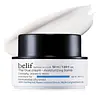
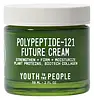
Belif The True Cream Moisturizing Bomb Versus Youth To The People Polypeptide-121 Future Cream with Peptides and Ceramides
This barrier-repair moisturizer is formulated around Avena Sativa Kernel Extract and Ceramide NP to strengthen the skin barrier and hydrate skin.
This anti-aging moisturizer is formulated around Hydrolyzed Hyaluronic Acid and Acetyl Tetrapeptide-9 to soften the look of wrinkles and hydrate skin.


What's inside
What's inside
 Key Ingredients
Benefits
Concerns
Ingredients Side-by-side
Water
Skin ConditioningGlycerin
Humectant


Cyclohexasiloxane
Emollient
Hydrogenated Polydecene
EmollientDipropylene Glycol
HumectantMacadamia Ternifolia Seed Oil
Emollient


1,2-Hexanediol
Skin Conditioning
Triethylhexanoin
MaskingBis-PEG-18 Methyl Ether Dimethyl Silane
EmollientStearyl Alcohol
Emollient
Glyceryl Stearate
Emollient
PEG-40 Stearate
Emulsifying
Pentaerythrityl Tetraethylhexanoate
Emollient
Symphytum Officinale Leaf Extract
Skin ConditioningAvena Sativa Kernel Extract
Abrasive



Calendula Officinalis Flower Extract
Masking
Nepeta Cataria Extract
TonicRubus Idaeus Leaf Extract
Skin ConditioningBaptisia Tinctoria Root Extract
Skin ConditioningStellaria Media Extract
Skin ConditioningAlchemilla Vulgaris Leaf Extract
Antioxidant
Viola Tricolor Extract
EmollientRosa Damascena Flower Extract
Masking
Spiraea Ulmaria Flower Extract
Skin ConditioningAlthaea Officinalis Root Extract
Skin Conditioning
Euphrasia Officinalis Extract
AntimicrobialThuja Occidentalis Leaf Extract
Antioxidant
Achillea Millefolium Flower Extract
Antioxidant
Trifolium Pratense Flower Extract
AstringentMenyanthes Trifoliata Leaf Extract
Skin ConditioningSalix Alba Bark Extract
Astringent

Poncirus Trifoliata Fruit Extract
Skin ConditioningImperata Cylindrica Root Extract
Skin ConditioningC14-22 Alcohols
Emulsion Stabilising
Squalane
Emollient
Butyrospermum Parkii Butter
Skin Conditioning


Arachidyl Glucoside
EmulsifyingCeramide NP
Skin Conditioning
Cholesterol
Emollient
Caprylyl Glycol
Emollient
Acetyl Hexapeptide-8
Humectant
Tocopherol
Antioxidant

Panthenol
Skin Conditioning
Hydroxyethylpiperazine Ethane Sulfonic Acid
BufferingUrea
Buffering

Saccharomyces Ferment Filtrate
Humectant
Viscum Album Extract
Skin ConditioningGlycosyl Trehalose
Emulsion StabilisingLactobacillus/Soybean Ferment Extract
Skin ConditioningStearic Acid
Cleansing
Tromethamine
BufferingPEG-100 Stearate
Surfactant
Cetearyl Olivate
Palmitic Acid
Emollient
Sorbitan Olivate
Emulsifying
Hydrogenated Lecithin
Emulsifying
Acrylates/C10-30 Alkyl Acrylate Crosspolymer
Emulsion StabilisingDimethicone/Vinyl Dimethicone Crosspolymer
Skin Conditioning
Carbomer
Emulsion StabilisingHydrogenated Starch Hydrolysate
HumectantXanthan Gum
EmulsifyingTrisodium EDTA
ChelatingCetearyl Alcohol
Emollient
Butylene Glycol
Humectant
Dimethicone
Emollient
Sorbitan Stearate
Emulsifying
Citrus Aurantium Dulcis Peel Oil
Masking
Citrus Aurantifolia Oil
Cleansing

Rosmarinus Officinalis Leaf Oil
Masking
Pelargonium Graveolens Flower Oil
Masking
Limonene
Perfuming
Citronellol
Perfuming
Geraniol
Perfuming
Citral
Perfuming
Linalool
Perfuming
Water, Glycerin, Cyclohexasiloxane, Hydrogenated Polydecene, Dipropylene Glycol, Macadamia Ternifolia Seed Oil, 1,2-Hexanediol, Triethylhexanoin, Bis-PEG-18 Methyl Ether Dimethyl Silane, Stearyl Alcohol, Glyceryl Stearate, PEG-40 Stearate, Pentaerythrityl Tetraethylhexanoate, Symphytum Officinale Leaf Extract, Avena Sativa Kernel Extract, Calendula Officinalis Flower Extract, Nepeta Cataria Extract, Rubus Idaeus Leaf Extract, Baptisia Tinctoria Root Extract, Stellaria Media Extract, Alchemilla Vulgaris Leaf Extract, Viola Tricolor Extract, Rosa Damascena Flower Extract, Spiraea Ulmaria Flower Extract, Althaea Officinalis Root Extract, Euphrasia Officinalis Extract, Thuja Occidentalis Leaf Extract, Achillea Millefolium Flower Extract, Trifolium Pratense Flower Extract, Menyanthes Trifoliata Leaf Extract, Salix Alba Bark Extract, Poncirus Trifoliata Fruit Extract, Imperata Cylindrica Root Extract, C14-22 Alcohols, Squalane, Butyrospermum Parkii Butter, Arachidyl Glucoside, Ceramide NP, Cholesterol, Caprylyl Glycol, Acetyl Hexapeptide-8, Tocopherol, Panthenol, Hydroxyethylpiperazine Ethane Sulfonic Acid, Urea, Saccharomyces Ferment Filtrate, Viscum Album Extract, Glycosyl Trehalose, Lactobacillus/Soybean Ferment Extract, Stearic Acid, Tromethamine, PEG-100 Stearate, Cetearyl Olivate, Palmitic Acid, Sorbitan Olivate, Hydrogenated Lecithin, Acrylates/C10-30 Alkyl Acrylate Crosspolymer, Dimethicone/Vinyl Dimethicone Crosspolymer, Carbomer, Hydrogenated Starch Hydrolysate, Xanthan Gum, Trisodium EDTA, Cetearyl Alcohol, Butylene Glycol, Dimethicone, Sorbitan Stearate, Citrus Aurantium Dulcis Peel Oil, Citrus Aurantifolia Oil, Rosmarinus Officinalis Leaf Oil, Pelargonium Graveolens Flower Oil, Limonene, Citronellol, Geraniol, Citral, Linalool
Water
Skin ConditioningDicaprylyl Carbonate
EmollientHydrolyzed Hyaluronic Acid
Humectant
Trimethylolpropane Tricaprylate/Tricaprate
EmollientTridecyl Trimellitate
EmollientPropanediol
Solvent
Sh-Polypeptide-121
Skin Conditioning
Polyglyceryl-3 Methylglucose Distearate
Emulsifying
Panthenol
Skin Conditioning
Niacinamide
Smoothing


Proline
Skin Conditioning
Tocopheryl Acetate
Antioxidant
Aloe Barbadensis Leaf Juice
Skin Conditioning
Hydrolyzed Cannabis Sativa Seed Extract
Skin ConditioningHydrolyzed Rice Protein
Skin ConditioningHydrolyzed Pea Protein
EmollientSalvia Hispanica Seed Extract
Emollient
Acetyl Tetrapeptide-11
Skin Conditioning
Acetyl Tetrapeptide-9
Skin Conditioning
Acetyl Tetrapeptide-2
Skin Conditioning
Hibiscus Sabdariffa Fruit Extract
Ammonium Acryloyldimethyltaurate/Beheneth-25 Methacrylate Crosspolymer
Emulsion StabilisingHydrolyzed Linseed Seed
HumectantCastor Oil/Ipdi Copolymer
Ceramide AP
Skin Conditioning
Ceramide NP
Skin Conditioning
Cetearyl Alcohol
Emollient
Cetearyl Glucoside
Emulsifying
Glycerin
Humectant
Hydrolyzed Sodium Hyaluronate
Skin Conditioning
Coco-Caprylate/Caprate
Emollient
Dilinoleic Acid
Emollient
Benzyl Alcohol
Perfuming


Zingiber Officinale Root Extract
Masking
Bisabolol
Antioxidant
Caprylyl Glycol
Emollient
Carbomer
Emulsion StabilisingDimethyl Isosorbide
SolventDipropylene Glycol
HumectantErythritol
Humectant
Ethylhexylglycerin
Skin ConditioningGlucose
Humectant
1,2-Hexanediol
Skin Conditioning
Trisodium Ethylenediamine Disuccinate
ChelatingGlyceryl Stearate
Emollient
Phytosphingosine
Skin Conditioning
Polyacrylate Crosspolymer-6
Emulsion StabilisingPolysorbate 20
Emulsifying
Caprylhydroxamic Acid
ChelatingPotassium Sorbate
Preservative
Glycine
Buffering
Hydroxyacetophenone
Antioxidant
Sodium Benzoate
Masking
T-Butyl Alcohol
Perfuming
Citric Acid
Buffering
Sodium Citrate
BufferingSodium Lactate
Buffering
Triheptanoin
Skin ConditioningXanthan Gum
EmulsifyingWater, Dicaprylyl Carbonate, Hydrolyzed Hyaluronic Acid, Trimethylolpropane Tricaprylate/Tricaprate, Tridecyl Trimellitate, Propanediol, Sh-Polypeptide-121, Polyglyceryl-3 Methylglucose Distearate, Panthenol, Niacinamide, Proline, Tocopheryl Acetate, Aloe Barbadensis Leaf Juice, Hydrolyzed Cannabis Sativa Seed Extract, Hydrolyzed Rice Protein, Hydrolyzed Pea Protein, Salvia Hispanica Seed Extract, Acetyl Tetrapeptide-11, Acetyl Tetrapeptide-9, Acetyl Tetrapeptide-2, Hibiscus Sabdariffa Fruit Extract, Ammonium Acryloyldimethyltaurate/Beheneth-25 Methacrylate Crosspolymer, Hydrolyzed Linseed Seed, Castor Oil/Ipdi Copolymer, Ceramide AP, Ceramide NP, Cetearyl Alcohol, Cetearyl Glucoside, Glycerin, Hydrolyzed Sodium Hyaluronate, Coco-Caprylate/Caprate, Dilinoleic Acid, Benzyl Alcohol, Zingiber Officinale Root Extract, Bisabolol, Caprylyl Glycol, Carbomer, Dimethyl Isosorbide, Dipropylene Glycol, Erythritol, Ethylhexylglycerin, Glucose, 1,2-Hexanediol, Trisodium Ethylenediamine Disuccinate, Glyceryl Stearate, Phytosphingosine, Polyacrylate Crosspolymer-6, Polysorbate 20, Caprylhydroxamic Acid, Potassium Sorbate, Glycine, Hydroxyacetophenone, Sodium Benzoate, T-Butyl Alcohol, Citric Acid, Sodium Citrate, Sodium Lactate, Triheptanoin, Xanthan Gum
Reviews
Ingredients Explained
These ingredients are found in both products.
Ingredients higher up in an ingredient list are typically present in a larger amount.
1,2-Hexanediol is a synthetic liquid and another multi-functional powerhouse.
It is a:
- Humectant, drawing moisture into the skin
- Emollient, helping to soften skin
- Solvent, dispersing and stabilizing formulas
- Preservative booster, enhancing the antimicrobial activity of other preservatives
Caprylyl Glycol is a humectant, skin conditioner, emollient, and preservative booster derived from either caprylic acid or synthetically created.
Typical use levels vary from 0.3-1% as a preservative booster and go up to 2% to condition skin.
Because it is not a free-fatty acid, this ingredient is fungal acne safe (there's nothing for Malassezia to feed on).
Learn more about Caprylyl GlycolCarbomer is a synthetic thickening and gelling agent. It's basically the ingredient that gives a lot of serums, gels, creams, and sunscreens their smooth, non-sticky texture.
Although legally permitted at very high levels, carbomers are normally used at concentrations below 1%.
It also needs to be neutralized to actually thicken, and because it is a large molecule, it doesn't really penetrate the skin barrier.
Allergy-wise, the risk is very low. Clinical studies show carbomers have low potential for skin irritation/sensitization even at concentrations up to 100%.
A 2024 UK study patch-tested 1,302 patients and found true allergy to the parent group of carbomer to be rare with no confirmed relevant reactions.
Learn more about CarbomerCeramide NP (formerly known as Ceramide 3) is one of the skin's naturally occurring lipids.
Since ceramides are the major lipid components of the skin, they are crucial for maintaining skin barrier and hydration. Ceramide NP most closely mirrors the dominant kind in human skin amongst ceramide subtypes.
This ceramide works by slotting into gaps within the stratum corneum's lipid matrix to limit trans-epidermal water loss (TEWL) and shield the skin against external irritants.
A study with 312 patients found that using a ceramide-containing routine for 4 weeks reduced the severity of atopic dermatitis by over 61%.
Another clinical study in subjects aged 60 and older found that a ceramide body wash and moisturizer improved skin dryness and itchy skin in 15 days.
Overall, ceramides are considered non-irritating and safety tests have found little to no observable adverse effects from using this ingredient.
Ceramide NP is usually sourced from plants (like soybean or rice bran), or produced synthetically.
Learn more about Ceramide NPCetearyl alcohol is a waxy mixture of two fatty alcohols: cetyl alcohol and stearyl alcohol. It is an emollient and emulsifier.
Despite having "alcohol" in its name, it has nothing to do with drying solvent alcohols; the FDA also allows "alcohol-free" products to contain fatty alcohols like this ingredient.
It plays several roles in a formula:
Typical use levels for this ingredient sit around 1-10% and the Cosmetic Ingredient Review Expert Panel has affirmed safety at concentrations up to 25% in leave-on products.
Multiple assessments have found it to be non-irritating and non-sensitizing to most people.
However, there have been some cases of allergic contact dermatitis in patients with chronically compromised skin barriers.
Cetearyl alcohol has a comedogenic rating of 2 and irritancy rating of 1. Both of these numbers come from the 1989 study that used rabbit ears; a "2" means mildly comedogenic and a "1" means low irritancy.
Here's the catch: rabbit skin is more sensitive than human skin and throws a lot of false positives. A 1996 reappraisal found that ingredients rated 1-2 in the rabbit ear tests are generally safe for humans.
Remember comedogenic ratings are unable to assess the entire formula of a product or how it will react on your skin. Just be sure to patch test if you are unsure about certain ingredients.
This ingredient is not fungal acne safe. Cetearyl alcohol is a fatty alcohol with chain lengths that fall within the range that Malassezia can metabolize.
A 2019 study has also observed Malassezia growth in the presence of this ingredient, confirming it to be not-fungal acne safe.
Learn more about Cetearyl AlcoholDipropylene Glycol is a synthetically created humectant, stabilizer, and solvent.
This ingredient helps:
Dipropylene glycol is technically an alcohol, but it belongs to the glycol family (often considered part of the ‘good’ alcohols). This means it is hydrating and gentle on skin unlike drying solvent alcohols like denatured alcohol.
As a masking agent, Dipropylene Glycol can be used to cover the smell of other ingredients. However, it does not have a scent.
Studies show Dipropylene Glycol is considered safe to use in skincare.
Learn more about Dipropylene GlycolGlycerin (or glycerol) is a compound naturally found in your skin. It's a powerhouse humectant that pulls water into the stratum corneum.
Topically, glycerin does several things at once:
Your skin makes glycerin on its own (mostly from sebaceous oil breakdown) and shuttles it to your outermost layer of skin, or your epidermis, via aquaporin-3.
Aquaporin-3 is a transporter that is essential for normal skin hydration, elasticity, and repair. Interestingly, mice lacking in AQP3 have dry and less elastic skin that can be fully corrected with glycerin.
This ingredient is non-irritating, plays well with almost every ingredient, and works across all skin types. Typical use is anywhere between 3-10% but can go up to 79% in some leave-on products.
Just know very high concentrations (>40%) can feel tacky in low humidity.
Glycerin is the name for this ingredient in American English. British English uses Glycerol/Glycerine.
Learn more about GlycerinGlyceryl Stearate is made by reacting glycerin with stearic acid (typically sourced from plant oils like palm or coconut). It's an emulsifier, emollient, and mild occlusive.
Emulsifiers help ingredients like oil and water stay mixed so your formula stays nicely blended and uniform in texture.
This ingredient is typically used in concentrations between 1-10%. Studies have found it to be non-sensitizing, non-phototoxic, and non-photoallergenic.
A close cousin of this ingredient is Glyceryl Stearate SE ("self-emulsifying"). This just has a small amount of sodium or potassium stearate added so it can emulsify without a co-emulsifier.
Since this ingredient is an ester of a C18 fatty acid, it may not be fungal acne safe. The Malassezia yeast can potentially metabolize within the C11-C24 range.
Fun fact: The human body also creates Glyceryl Stearate naturally.
Learn more about Glyceryl StearatePanthenol is a common ingredient that helps hydrate and soothe the skin. It is found naturally in our skin and hair.
There are two forms of panthenol: D and L.
D-panthenol is also known as dexpanthenol. Most cosmetics use dexpanthenol or a mixture of D and L-panthenol.
Panthenol is famous due to its ability to go deeper into the skin's layers. Using this ingredient has numerous pros (and no cons):
Like hyaluronic acid, panthenol is a humectant. Humectants are able to bind and hold large amounts of water to keep skin hydrated.
This ingredient works well for wound healing. It works by increasing tissue in the wound and helps close open wounds.
Once oxidized, panthenol converts to pantothenic acid. Panthothenic acid is found in all living cells.
This ingredient is also referred to as pro-vitamin B5.
Learn more about PanthenolWater. It's the most common cosmetic ingredient of all. You'll usually see it at the top of ingredient lists, meaning that it makes up the largest part of the product.
So why is it so popular? Water most often acts as a solvent - this means that it helps dissolve other ingredients into the formulation.
You'll also recognize water as that liquid we all need to stay alive. If you see this, drink a glass of water. Remember to stay hydrated!
Learn more about WaterXanthan gum is used as a stabilizer and thickener within cosmetic products. It helps give products a sticky, thick feeling - preventing them from being too runny.
On the technical side of things, xanthan gum is a polysaccharide - a combination consisting of multiple sugar molecules bonded together.
Xanthan gum is a pretty common and great ingredient. It is a natural, non-toxic, non-irritating ingredient that is also commonly used in food products.
Learn more about Xanthan Gum

