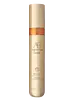
This calming serum is formulated around Centella Asiatica Leaf Extract and Galactomyces Ferment Filtrate to calm redness and strengthen the skin barrier.
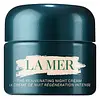
This anti-aging night moisturizer is formulated around Butyrospermum Parkii Butter and Palmitoyl Tripeptide-1 to soften the look of wrinkles and hydrate skin.


What's inside
What's inside
 Key Ingredients
Benefits
Concerns
Ingredients Side-by-side
Centella Asiatica Leaf Extract
Skin Conditioning



Galactomyces Ferment Filtrate
Humectant



Glycerin
Humectant
Triethylhexanoin
MaskingPentylene Glycol
Skin Conditioning
Propanediol
Solvent
Niacinamide
Smoothing





Water
Skin ConditioningCetearyl Alcohol
Emollient




Lauroyl Lysine
Skin Conditioning
Sucrose Polystearate
EmollientChlorella Vulgaris Extract
Skin ConditioningTriolein
Skin Conditioning
Glyceryl Caprylate
EmollientTocopherol
Antioxidant

Tocopheryl Acetate
Antioxidant
Hydroxyacetophenone
Antioxidant
Xanthan Gum
EmulsifyingBehenyl Alcohol
Emollient
Potassium Cetyl Phosphate
EmulsifyingCollagen Amino Acids
Moisturising
Ceramide NP
Skin Conditioning
Glyceryl Dioleate
Emollient
Haematococcus Pluvialis Extract
Antioxidant
Hippophae Rhamnoides Oil
Emollient
Levulinic Acid
Perfuming

Caprylhydroxamic Acid
ChelatingSodium Phytate
ChelatingSodium Levulinate
Skin ConditioningMaltodextrin
Absorbent
Trehalose
Humectant
Elastin
Skin ConditioningOlea Europaea Oil Unsaponifiables
Skin Conditioning
Theobroma Cacao Extract
Skin ConditioningHelianthus Annuus Seed Oil
Emollient
Adenosine
Skin Conditioning
Cyclodextrin
AbsorbentHydrolyzed Rice Bran Protein
Skin ConditioningOlea Europaea Fruit Extract
BleachingLecithin
Emollient
Citric Acid
Buffering
Lactic Acid
Buffering
Ananas Sativus Fruit Extract
Skin ConditioningArginine
Masking
Brassica Alba Seed Extract
Skin ConditioningCamellia Sinensis Leaf Extract
Antimicrobial
Oligopeptide-6
Skin Conditioning
Oligopeptide-195
Oligopeptide-196
Skin Conditioning
Oligopeptide-197
Skin Conditioning
Oligopeptide-198
Oligopeptide-199
Brassica Oleracea Acephala Leaf Extract
HumectantSodium Hydroxide
BufferingRosmarinus Officinalis Leaf Extract
AntimicrobialCentella Asiatica Leaf Extract, Galactomyces Ferment Filtrate, Glycerin, Triethylhexanoin, Pentylene Glycol, Propanediol, Niacinamide, Water, Cetearyl Alcohol, Lauroyl Lysine, Sucrose Polystearate, Chlorella Vulgaris Extract, Triolein, Glyceryl Caprylate, Tocopherol, Tocopheryl Acetate, Hydroxyacetophenone, Xanthan Gum, Behenyl Alcohol, Potassium Cetyl Phosphate, Collagen Amino Acids, Ceramide NP, Glyceryl Dioleate, Haematococcus Pluvialis Extract, Hippophae Rhamnoides Oil, Levulinic Acid, Caprylhydroxamic Acid, Sodium Phytate, Sodium Levulinate, Maltodextrin, Trehalose, Elastin, Olea Europaea Oil Unsaponifiables, Theobroma Cacao Extract, Helianthus Annuus Seed Oil, Adenosine, Cyclodextrin, Hydrolyzed Rice Bran Protein, Olea Europaea Fruit Extract, Lecithin, Citric Acid, Lactic Acid, Ananas Sativus Fruit Extract, Arginine, Brassica Alba Seed Extract, Camellia Sinensis Leaf Extract, Oligopeptide-6, Oligopeptide-195, Oligopeptide-196, Oligopeptide-197, Oligopeptide-198, Oligopeptide-199, Brassica Oleracea Acephala Leaf Extract, Sodium Hydroxide, Rosmarinus Officinalis Leaf Extract
Water
Skin ConditioningAlgae Extract
Emollient
Butyrospermum Parkii Butter
Skin Conditioning
Dimethicone
Emollient
Butylene Glycol
Humectant
Caprylic/Capric/Myristic/Stearic Triglyceride
EmollientPolyglyceryl-3 Methylglucose Distearate
Emulsifying
Glycerin
Humectant
Silica
Abrasive
Coco-Caprylate/Caprate
Emollient
Simmondsia Chinensis Seed Oil
Emollient
Mangifera Indica Seed Butter
Skin Conditioning
Polyglyceryl-10 Pentastearate
Skin Conditioning
Glyceryl Stearate
Emollient
Behenyl Alcohol
Emollient
PEG-100 Stearate
Surfactant
Dimethicone/Vinyl Dimethicone Crosspolymer
Skin Conditioning
Sesamum Indicum Seed Oil
Emollient
Medicago Sativa Seed Powder
Skin ConditioningHelianthus Annuus Seedcake
Abrasive
Prunus Amygdalus Dulcis Seed Meal
Abrasive
Eucalyptus Globulus Leaf Oil
Perfuming

Sodium Gluconate
ChelatingCopper Gluconate
Skin Conditioning
Calcium Gluconate
HumectantMagnesium Gluconate
Skin ConditioningZinc Gluconate
Skin Conditioning
Tocopheryl Succinate
Antioxidant
Niacin
SmoothingSesamum Indicum Seed Powder
Skin ConditioningPalmitoyl Tripeptide-1
Skin Conditioning
Palmitoyl Tetrapeptide-7
Skin Conditioning
Palmitoyl Hexapeptide-12
Skin Conditioning
Acetyl Hexapeptide-8
Humectant
Sodium Hyaluronate
Humectant
Crithmum Maritimum Extract
Skin ConditioningLaminaria Digitata Extract
Skin Protecting
Faex Extract
Skin ConditioningCrithmum Maritimum Callus Culture Filtrate
Skin ProtectingBambusa Vulgaris Extract
Skin Conditioning
Citrus Aurantifolia Peel Extract
Cleansing
Coffea Arabica Seed Extract
Masking
Pisum Sativum Extract
Skin ConditioningMagnesium Ascorbyl Phosphate
Antioxidant
Caffeine
Skin Conditioning
Tocopherol
Antioxidant
Tocopheryl Acetate
Antioxidant
Lecithin
Emollient
Caprylic/Capric Triglyceride
Masking
Ethylhexylglycerin
Skin ConditioningPotassium Cetyl Phosphate
EmulsifyingHydroxyethyl Acrylate/Sodium Acryloyldimethyl Taurate Copolymer
Emulsion StabilisingPEG-8
HumectantAcrylates/C10-30 Alkyl Acrylate Crosspolymer
Emulsion StabilisingSodium Stearoyl Lactylate
EmulsifyingGlyceryl Polymethacrylate
Carbomer
Emulsion StabilisingSodium Hydroxide
BufferingPolysorbate 60
Emulsifying
Glucosamine Hcl
Sorbitan Isostearate
Emulsifying
Polysorbate 20
Emulsifying
Hydrogenated Vegetable Oil
Emollient
Caprylyl Glycol
Emollient
Hexylene Glycol
EmulsifyingAlcohol Denat.
Antimicrobial

Parfum
Masking
Limonene
Perfuming
Linalool
Perfuming
Hydroxycitronellal
Perfuming
Citronellol
Perfuming
Geraniol
Perfuming
Benzyl Salicylate
Perfuming
Benzyl Benzoate
Antimicrobial
BHT
Antioxidant
Disodium EDTA
ChelatingPhenoxyethanol
Preservative
Chlorphenesin
Antimicrobial
Potassium Sorbate
Preservative
CI 15985
Cosmetic ColorantWater, Algae Extract, Butyrospermum Parkii Butter, Dimethicone, Butylene Glycol, Caprylic/Capric/Myristic/Stearic Triglyceride, Polyglyceryl-3 Methylglucose Distearate, Glycerin, Silica, Coco-Caprylate/Caprate, Simmondsia Chinensis Seed Oil, Mangifera Indica Seed Butter, Polyglyceryl-10 Pentastearate, Glyceryl Stearate, Behenyl Alcohol, PEG-100 Stearate, Dimethicone/Vinyl Dimethicone Crosspolymer, Sesamum Indicum Seed Oil, Medicago Sativa Seed Powder, Helianthus Annuus Seedcake, Prunus Amygdalus Dulcis Seed Meal, Eucalyptus Globulus Leaf Oil, Sodium Gluconate, Copper Gluconate, Calcium Gluconate, Magnesium Gluconate, Zinc Gluconate, Tocopheryl Succinate, Niacin, Sesamum Indicum Seed Powder, Palmitoyl Tripeptide-1, Palmitoyl Tetrapeptide-7, Palmitoyl Hexapeptide-12, Acetyl Hexapeptide-8, Sodium Hyaluronate, Crithmum Maritimum Extract, Laminaria Digitata Extract, Faex Extract, Crithmum Maritimum Callus Culture Filtrate, Bambusa Vulgaris Extract, Citrus Aurantifolia Peel Extract, Coffea Arabica Seed Extract, Pisum Sativum Extract, Magnesium Ascorbyl Phosphate, Caffeine, Tocopherol, Tocopheryl Acetate, Lecithin, Caprylic/Capric Triglyceride, Ethylhexylglycerin, Potassium Cetyl Phosphate, Hydroxyethyl Acrylate/Sodium Acryloyldimethyl Taurate Copolymer, PEG-8, Acrylates/C10-30 Alkyl Acrylate Crosspolymer, Sodium Stearoyl Lactylate, Glyceryl Polymethacrylate, Carbomer, Sodium Hydroxide, Polysorbate 60, Glucosamine Hcl, Sorbitan Isostearate, Polysorbate 20, Hydrogenated Vegetable Oil, Caprylyl Glycol, Hexylene Glycol, Alcohol Denat., Parfum, Limonene, Linalool, Hydroxycitronellal, Citronellol, Geraniol, Benzyl Salicylate, Benzyl Benzoate, BHT, Disodium EDTA, Phenoxyethanol, Chlorphenesin, Potassium Sorbate, CI 15985
Ingredients Explained
These ingredients are found in both products.
Ingredients higher up in an ingredient list are typically present in a larger amount.
Behenyl Alcohol is a type of fatty alcohol (these are different from the drying, solvent alcohols).
Fatty Alcohols have hydrating properties and are most often used as an emollient or to thicken a product. They are usually derived from natural fats and oils; behenyl alcohol is derived from the fats of vegetable oils.
Emollients help keep your skin soft and hydrated by creating a film that traps moisture in.
In 2000, Behenyl Alcohol was approved by the US as medicine to reduce the duration of cold sores.
Learn more about Behenyl AlcoholGlycerin (or glycerol) is a compound naturally found in your skin. It's a powerhouse humectant that pulls water into the stratum corneum.
Topically, glycerin does several things at once:
Your skin makes glycerin on its own (mostly from sebaceous oil breakdown) and shuttles it to your outermost layer of skin, or your epidermis, via aquaporin-3.
Aquaporin-3 is a transporter that is essential for normal skin hydration, elasticity, and repair. Interestingly, mice lacking in AQP3 have dry and less elastic skin that can be fully corrected with glycerin.
This ingredient is non-irritating, plays well with almost every ingredient, and works across all skin types. Typical use is anywhere between 3-10% but can go up to 79% in some leave-on products.
Just know very high concentrations (>40%) can feel tacky in low humidity.
Glycerin is the name for this ingredient in American English. British English uses Glycerol/Glycerine.
Learn more about GlycerinLecithin is a term for a group of substances found in the cell membranes of plants, animals, and humans. They are made up of phospholipids.
Thanks to its amphiphilic structure (water-loving head and oil-loving tail), it is a true multitasker:
It plays well with most ingredients and is typically used at 0.1-1%. However, concentrations up to 50% have been reported in moisturizers.
Learn more about LecithinPotassium Cetyl Phosphate is the potassium salt of a mixture. This mixture consists of the esters from phosphoricacid and cetyl alcohol.
Potassium Cetyl Phosphate is an emulsifier and cleansing agent. Emulsifiers help stabilize a product. It does this by preventing certain ingredients from separating.
As a cleansing agent, Potassium Cetyl Phosphate helps gather oils, dirts, and pollutants from your skin. This makes it easier to rinse them away with water.
Learn more about Potassium Cetyl PhosphateSodium Hydroxide is also known as lye or caustic soda. It is used to adjust the pH of products; many ingredients require a specific pH to be effective.
In small amounts, sodium hydroxide is considered safe to use. However, large amounts may cause chemical burns due to its high alkaline.
Your skin has a natural pH and acid mantle. This acid mantle helps prevent harmful bacteria from breaking through. The acid mantle also helps keep your skin hydrated.
"Alkaline" refers to a high pH level. A low pH level would be considered acidic.
Learn more about Sodium HydroxideTocopherol is a fat-soluble antioxidant known as Vitamin E.
You'll find this ingredient in the vast majority of skincare (for good reason). It works to neutralize free radicals, or unstable molecules generated by UV exposure, pollution, and other environmental stressors, before they can cause oxidative damage to your skin cells.
Topically applied tocopherol has been shown to protect against UV damage by ramping up the skin's own natural defense enzymes.
It also acts as a skin conditioning agent; some studies show that regular topical use can improve the skin's water-binding capacity over 2-4 weeks.
This ingredient is especially loved for being a team player. When combined with Vitamin C, the photoprotective effect of both ingredients roughly doubles and the combo also helps reduce UV-induced DNA damage.
This ingredient has some brightening potential but it's more of a prevention ingredient than spot-fader. Cell studies show it can slow down melanin production but it's worth noting that it's not the most powerful brightener out there.
In formulations, it also serves as a stabilizer that helps protect other oxidation-prone ingredients from degrading.
Concentrations usually range from 0.1-1% in most leave-on products.
Learn more about TocopherolTocopheryl Acetate is a stable, shelf-friendly form of vitamin E.
Formulators love it because plain vitamin E oxidizes quickly once it hits air. This acetate version stays stable and resists going off, helping to extend a product's shelf life.
It's actually inactive on its own and works like a slow-release "storage" form; the enzymes in your skin called esterases gradually convert it into active vitamin E over time.
One in vivo study showed 5% of the acetate in the living layer of the epidermis converted to vitamin E after 5 days of application. This study also found the skin gained protection against UV damage even though the conversion was slow and small.
Once converted, vitamin E acts as a skin's main fat-soluble antioxidant that fights free radicals to protect skin from damage.
Topical vitamin E generally boosts the skin's photoprotection, and it reduced UV-damage in animal models.
This ingredient has some brightening potential but it's more of a prevention ingredient than spot-fader. Cell studies show it can slow down melanin production but it's worth noting that it's not the most powerful brightener out there.
Overall, it has a pretty solid safety profile and has been found to be non-irritating and non-comedogenic. Allergic reactions may happen but stay rare due to how widely the ingredient gets used.
The concentration will vary depending on the formula; industry data shows 0.1% in baby lotions, 3% in lipsticks, and 5% in foot powders. You can also find this ingredient at 100% in a pure vitamin E oil.
Most leave-on skincare keeps it at the lower end, often between 0.5-1%.
Learn more about Tocopheryl AcetateWater. It's the most common cosmetic ingredient of all. You'll usually see it at the top of ingredient lists, meaning that it makes up the largest part of the product.
So why is it so popular? Water most often acts as a solvent - this means that it helps dissolve other ingredients into the formulation.
You'll also recognize water as that liquid we all need to stay alive. If you see this, drink a glass of water. Remember to stay hydrated!
Learn more about Water

