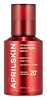
This brightening serum is formulated around Ascorbic Acid and Tocopheryl Acetate to brighten dull-looking skin and fade the look of dark spots.
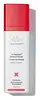
This anti-aging treatment is formulated around Retinol and Niacinamide to soften the look of wrinkles and refine skin texture.


What's inside
What's inside
 Key Ingredients
Benefits
Concerns
Ingredients Side-by-side
Water
Skin ConditioningAscorbic Acid
Antioxidant






Propanediol
Solvent

Tocopheryl Acetate
Antioxidant
Phenyl Trimethicone
Skin Conditioning
Panthenol
Skin Conditioning

Methylpropanediol
SolventDicaprylyl Carbonate
EmollientPolyglyceryl-3 Distearate
Emulsifying

Hydrogenated Poly(C6-14 Olefin)
Emollient1,2-Hexanediol
Skin Conditioning
Squalane
Emollient
C12-14 Pareth-12
EmulsifyingSodium Hydroxide
BufferingGlyceryl Stearate
Emollient
Rosa Canina Fruit Oil
Emollient
Bisabolol
Antioxidant
Microcrystalline Cellulose
AbsorbentSodium Hyaluronate
Humectant
Xanthan Gum
EmulsifyingSodium Stearoyl Glutamate
CleansingGlutathione
Glyceryl Stearate Citrate
Emollient
Cellulose Gum
Emulsion StabilisingEthylhexylglycerin
Skin ConditioningDipotassium Glycyrrhizate
Humectant
Allantoin
Skin Conditioning
Citrus Nobilis Peel Extract
Masking
Cupressus Sempervirens Leaf/Stem Extract
Skin ConditioningBeta-Glucan
Skin Conditioning
Adenosine
Skin Conditioning
Butylene Glycol
Humectant
Hedera Helix Leaf/Stem Extract
AntimicrobialCitrus Aurantium Bergamia Fruit Oil
Masking

Disodium EDTA
ChelatingRibes Nigrum Leaf Extract
Perfuming
Litsea Cubeba Fruit Oil
Masking
Glycerin
Humectant
Saccharide Hydrolysate
HumectantFructooligosaccharides
Humectant
Sorbitol
Humectant
Pullulan
Pentylene Glycol
Skin Conditioning
Caprylic/Capric Triglyceride
Masking
Hyaluronic Acid
Humectant
Helianthus Annuus Seed Oil
Emollient
Sucrose Stearate
EmollientMadecassoside
Antioxidant
Ceramide NP
Skin Conditioning
Sodium Hyaluronate Crosspolymer
Humectant
Macadamia Ternifolia Seed Oil
Emollient
Hydrolyzed Sodium Hyaluronate
Skin Conditioning
Hydrolyzed Hyaluronic Acid
Humectant
Indigofera Tinctoria Extract
MaskingBeta-Carotene
Skin ConditioningHydrogenated Lecithin
Emulsifying
Tocopherol
Antioxidant
Hemerocallis Fulva Flower Extract
Skin ConditioningCholesterol
Emollient
Retinal
Skin Conditioning



Sodium Acetylated Hyaluronate
Humectant
Silica
Abrasive
Water, Ascorbic Acid, Propanediol, Tocopheryl Acetate, Phenyl Trimethicone, Panthenol, Methylpropanediol, Dicaprylyl Carbonate, Polyglyceryl-3 Distearate, Hydrogenated Poly(C6-14 Olefin), 1,2-Hexanediol, Squalane, C12-14 Pareth-12, Sodium Hydroxide, Glyceryl Stearate, Rosa Canina Fruit Oil, Bisabolol, Microcrystalline Cellulose, Sodium Hyaluronate, Xanthan Gum, Sodium Stearoyl Glutamate, Glutathione, Glyceryl Stearate Citrate, Cellulose Gum, Ethylhexylglycerin, Dipotassium Glycyrrhizate, Allantoin, Citrus Nobilis Peel Extract, Cupressus Sempervirens Leaf/Stem Extract, Beta-Glucan, Adenosine, Butylene Glycol, Hedera Helix Leaf/Stem Extract, Citrus Aurantium Bergamia Fruit Oil, Disodium EDTA, Ribes Nigrum Leaf Extract, Litsea Cubeba Fruit Oil, Glycerin, Saccharide Hydrolysate, Fructooligosaccharides, Sorbitol, Pullulan, Pentylene Glycol, Caprylic/Capric Triglyceride, Hyaluronic Acid, Helianthus Annuus Seed Oil, Sucrose Stearate, Madecassoside, Ceramide NP, Sodium Hyaluronate Crosspolymer, Macadamia Ternifolia Seed Oil, Hydrolyzed Sodium Hyaluronate, Hydrolyzed Hyaluronic Acid, Indigofera Tinctoria Extract, Beta-Carotene, Hydrogenated Lecithin, Tocopherol, Hemerocallis Fulva Flower Extract, Cholesterol, Retinal, Sodium Acetylated Hyaluronate, Silica
Water
Skin ConditioningGlycerin
Humectant
Coco-Caprylate
Emollient
Stearic Acid
Cleansing
Coconut Alkanes
Emollient

Glyceryl Stearate
Emollient
Niacinamide
Smoothing
Caprylic/Capric Triglyceride
Masking
Cetearyl Alcohol
Emollient
Pentylene Glycol
Skin Conditioning
Passiflora Edulis Seed Oil
Emollient
Retinol
Skin Conditioning
Simmondsia Chinensis Seed Oil
Emollient
Sclerocarya Birrea Seed Oil
Humectant
Prunus Armeniaca Kernel Oil
Masking
Cetyl Ethylhexanoate
EmollientPalmitoyl Tripeptide-1
Skin Conditioning
Palmitoyl Tetrapeptide-7
Skin Conditioning
Brassica Oleracea Acephala Leaf Extract
HumectantBrassica Oleracea Italica Extract
AstringentTetrahexyldecyl Ascorbate
Antioxidant
Chrysin
Skin ConditioningPersea Gratissima Oil
Skin Conditioning
Linoleic Acid
Cleansing
Linolenic Acid
Cleansing
Ceramide NP
Skin Conditioning
Xanthophylls
Skin ConditioningPhytosphingosine
Skin Conditioning
Phytosterols
Skin Conditioning
Jojoba Esters
Emollient
Physalis Pubescens Fruit Juice
Skin ConditioningStearyl Glycyrrhetinate
Skin ConditioningOryza Sativa Extract
Absorbent
Glycine Soja Oil
Emollient
Carthamus Tinctorius Seed Oil
Masking
Palmitoyl Hexapeptide-12
Skin Conditioning
Cetyl Palmitate
Emollient
Trehalose
Humectant
Lauric Acid
Cleansing
Sodium Hyaluronate Crosspolymer
Humectant
Olea Europaea Fruit Oil
Masking
Glucosamine Hcl
Tocopheryl Acetate
Antioxidant
Coco-Caprylate/Caprate
Emollient
Pisum Sativum Extract
Skin ConditioningTocopherol
Antioxidant
Bambusa Vulgaris Leaf/Stem Extract
HumectantPhenoxyethanol
Preservative
Caprylyl Glycol
Emollient
Carbomer
Emulsion StabilisingTrideceth-6 Phosphate
EmulsifyingN-Hydroxysuccinimide
Skin ConditioningCeteareth-20
Cleansing
Sodium Hydroxide
BufferingLaureth-23
Cleansing
Steareth-20
CleansingPropanediol
Solvent
Chlorhexidine Digluconate
Antimicrobial
Polysorbate 20
Emulsifying
Trisodium Ethylenediamine Disuccinate
ChelatingChlorphenesin
Antimicrobial
Potassium Sorbate
Preservative
Ethylhexylglycerin
Skin ConditioningWater, Glycerin, Coco-Caprylate, Stearic Acid, Coconut Alkanes, Glyceryl Stearate, Niacinamide, Caprylic/Capric Triglyceride, Cetearyl Alcohol, Pentylene Glycol, Passiflora Edulis Seed Oil, Retinol, Simmondsia Chinensis Seed Oil, Sclerocarya Birrea Seed Oil, Prunus Armeniaca Kernel Oil, Cetyl Ethylhexanoate, Palmitoyl Tripeptide-1, Palmitoyl Tetrapeptide-7, Brassica Oleracea Acephala Leaf Extract, Brassica Oleracea Italica Extract, Tetrahexyldecyl Ascorbate, Chrysin, Persea Gratissima Oil, Linoleic Acid, Linolenic Acid, Ceramide NP, Xanthophylls, Phytosphingosine, Phytosterols, Jojoba Esters, Physalis Pubescens Fruit Juice, Stearyl Glycyrrhetinate, Oryza Sativa Extract, Glycine Soja Oil, Carthamus Tinctorius Seed Oil, Palmitoyl Hexapeptide-12, Cetyl Palmitate, Trehalose, Lauric Acid, Sodium Hyaluronate Crosspolymer, Olea Europaea Fruit Oil, Glucosamine Hcl, Tocopheryl Acetate, Coco-Caprylate/Caprate, Pisum Sativum Extract, Tocopherol, Bambusa Vulgaris Leaf/Stem Extract, Phenoxyethanol, Caprylyl Glycol, Carbomer, Trideceth-6 Phosphate, N-Hydroxysuccinimide, Ceteareth-20, Sodium Hydroxide, Laureth-23, Steareth-20, Propanediol, Chlorhexidine Digluconate, Polysorbate 20, Trisodium Ethylenediamine Disuccinate, Chlorphenesin, Potassium Sorbate, Ethylhexylglycerin
Reviews
Ingredients Explained
These ingredients are found in both products.
Ingredients higher up in an ingredient list are typically present in a larger amount.
Caprylic/Capric Triglyceride (aka MCT Oil) is a lightweight emollient, solvent, and texture enhancer. It is considered a skin-softener by helping to prevent moisture loss.
Though it behaves like an oil, it is not technically one due to its chemical composition. One perk of this ingredient is that it is very stable, resistant to oxidation, and unlikely to go rancid.
In practice, that translates to a long shelf life and a consistently elegant skin feel.
While there is an assumption Caprylic Triglyceride can clog pores due to it being derived from coconut oil, there is no research supporting this. Just patch test if you have concerns.
Fractionated coconut oil and MCT Oil are both listed as Caprylic/Capric Triglyceride according to INCI. This is because INCI names are based on the ingredient’s final chemical composition and not its marketing name or source.
This ingredient is treated as the gold standard fungal acne safe oil. Even though it is coconut derived, the problematic lauric acid is stripped out.
This leaves just caprylic (C8) and capric (C10) acid. These chain lengths actually trend antifungal; a 2020 study found caprylic acid was enough to disrupt Malassezia furfur cell membrane, with a caprylic acid derivative damaging membrane structures at concentrations as low as 0.2%.
Learn more about Caprylic/Capric TriglycerideCeramide NP (formerly known as Ceramide 3) is one of the skin's naturally occurring lipids.
Since ceramides are the major lipid components of the skin, they are crucial for maintaining skin barrier and hydration. Ceramide NP most closely mirrors the dominant kind in human skin amongst ceramide subtypes.
This ceramide works by slotting into gaps within the stratum corneum's lipid matrix to limit trans-epidermal water loss (TEWL) and shield the skin against external irritants.
A study with 312 patients found that using a ceramide-containing routine for 4 weeks reduced the severity of atopic dermatitis by over 61%.
Another clinical study in subjects aged 60 and older found that a ceramide body wash and moisturizer improved skin dryness and itchy skin in 15 days.
Overall, ceramides are considered non-irritating and safety tests have found little to no observable adverse effects from using this ingredient.
Ceramide NP is usually sourced from plants (like soybean or rice bran), or produced synthetically.
Learn more about Ceramide NPEthylhexylglycerin is created from glycerin. It is a multitasker ingredient that:
The CIR Expert Panel found minimal skin absorption or sensitization of any kind in a safety assessment. Though this ingredient is considered well-tolerated, a small number of cases of allergic dermatitis have been published since 2002. Just be sure to patch test if you are unsure.
Industry-reported use ranges from 8% in rinse-off products and 2% in leave-on formulations.
Learn more about EthylhexylglycerinGlycerin (or glycerol) is a compound naturally found in your skin. It's a powerhouse humectant that pulls water into the stratum corneum.
Topically, glycerin does several things at once:
Your skin makes glycerin on its own (mostly from sebaceous oil breakdown) and shuttles it to your outermost layer of skin, or your epidermis, via aquaporin-3.
Aquaporin-3 is a transporter that is essential for normal skin hydration, elasticity, and repair. Interestingly, mice lacking in AQP3 have dry and less elastic skin that can be fully corrected with glycerin.
This ingredient is non-irritating, plays well with almost every ingredient, and works across all skin types. Typical use is anywhere between 3-10% but can go up to 79% in some leave-on products.
Just know very high concentrations (>40%) can feel tacky in low humidity.
Glycerin is the name for this ingredient in American English. British English uses Glycerol/Glycerine.
Learn more about GlycerinGlyceryl Stearate is made by reacting glycerin with stearic acid (typically sourced from plant oils like palm or coconut). It's an emulsifier, emollient, and mild occlusive.
Emulsifiers help ingredients like oil and water stay mixed so your formula stays nicely blended and uniform in texture.
This ingredient is typically used in concentrations between 1-10%. Studies have found it to be non-sensitizing, non-phototoxic, and non-photoallergenic.
A close cousin of this ingredient is Glyceryl Stearate SE ("self-emulsifying"). This just has a small amount of sodium or potassium stearate added so it can emulsify without a co-emulsifier.
Since this ingredient is an ester of a C18 fatty acid, it may not be fungal acne safe. The Malassezia yeast can potentially metabolize within the C11-C24 range.
Fun fact: The human body also creates Glyceryl Stearate naturally.
Learn more about Glyceryl StearatePentylene Glycol (1,2-pentanediol) is a multitasking little diol with three main roles in a formula:
Research on alkanediols (the family pentylene glycol belongs to) show they work by disrupting microbial cell membranes. This disruption helps the primary preservative system in a product work more effectively at lower doses.
On the safety side, the Cosmetic Ingredient Review Expert Panel has concluded this ingredient to be safe as used in current cosmetic practices + concentrations.
Typical use levels in a formula run about 1-5%.
Learn more about Pentylene GlycolPropanediol is an all-star ingredient. It softens, hydrates, and smooths the skin.
It’s often used to:
Propanediol is not likely to cause sensitivity and considered safe to use. It is derived from corn or petroleum with a clear color and no scent.
Learn more about PropanediolSodium Hyaluronate Crosspolymer is a crosslinked version of sodium hyaluronate. This just means it's linked into a 3D mesh network that lets it be more stable and sit on skin as a cohesive, gel-like film rather than sinking into skin.
A 2016 human skin study found crosslinked HA increased epidermal water content by 7.6% over the control group and reduced transepidermal water loss by 27.8%.
A follow-up clinical trial found that a topical crosslinked HA serum applied after fillers, microneedling, or chemical peels was well-tolerated and enhanced skin quality at 14 / 28 days.
More recent research suggests that concentrations as low as 0.03% can act as a penetration enhancer for other skincare actives.
Learn more about Sodium Hyaluronate CrosspolymerSodium Hydroxide is also known as lye or caustic soda. It is used to adjust the pH of products; many ingredients require a specific pH to be effective.
In small amounts, sodium hydroxide is considered safe to use. However, large amounts may cause chemical burns due to its high alkaline.
Your skin has a natural pH and acid mantle. This acid mantle helps prevent harmful bacteria from breaking through. The acid mantle also helps keep your skin hydrated.
"Alkaline" refers to a high pH level. A low pH level would be considered acidic.
Learn more about Sodium HydroxideTocopherol is a fat-soluble antioxidant known as Vitamin E.
You'll find this ingredient in the vast majority of skincare (for good reason). It works to neutralize free radicals, or unstable molecules generated by UV exposure, pollution, and other environmental stressors, before they can cause oxidative damage to your skin cells.
Topically applied tocopherol has been shown to protect against UV damage by ramping up the skin's own natural defense enzymes.
It also acts as a skin conditioning agent; some studies show that regular topical use can improve the skin's water-binding capacity over 2-4 weeks.
This ingredient is especially loved for being a team player. When combined with Vitamin C, the photoprotective effect of both ingredients roughly doubles and the combo also helps reduce UV-induced DNA damage.
This ingredient has some brightening potential but it's more of a prevention ingredient than spot-fader. Cell studies show it can slow down melanin production but it's worth noting that it's not the most powerful brightener out there.
In formulations, it also serves as a stabilizer that helps protect other oxidation-prone ingredients from degrading.
Concentrations usually range from 0.1-1% in most leave-on products.
Learn more about TocopherolTocopheryl Acetate is a stable, shelf-friendly form of vitamin E.
Formulators love it because plain vitamin E oxidizes quickly once it hits air. This acetate version stays stable and resists going off, helping to extend a product's shelf life.
It's actually inactive on its own and works like a slow-release "storage" form; the enzymes in your skin called esterases gradually convert it into active vitamin E over time.
One in vivo study showed 5% of the acetate in the living layer of the epidermis converted to vitamin E after 5 days of application. This study also found the skin gained protection against UV damage even though the conversion was slow and small.
Once converted, vitamin E acts as a skin's main fat-soluble antioxidant that fights free radicals to protect skin from damage.
Topical vitamin E generally boosts the skin's photoprotection, and it reduced UV-damage in animal models.
This ingredient has some brightening potential but it's more of a prevention ingredient than spot-fader. Cell studies show it can slow down melanin production but it's worth noting that it's not the most powerful brightener out there.
Overall, it has a pretty solid safety profile and has been found to be non-irritating and non-comedogenic. Allergic reactions may happen but stay rare due to how widely the ingredient gets used.
The concentration will vary depending on the formula; industry data shows 0.1% in baby lotions, 3% in lipsticks, and 5% in foot powders. You can also find this ingredient at 100% in a pure vitamin E oil.
Most leave-on skincare keeps it at the lower end, often between 0.5-1%.
Learn more about Tocopheryl AcetateWater. It's the most common cosmetic ingredient of all. You'll usually see it at the top of ingredient lists, meaning that it makes up the largest part of the product.
So why is it so popular? Water most often acts as a solvent - this means that it helps dissolve other ingredients into the formulation.
You'll also recognize water as that liquid we all need to stay alive. If you see this, drink a glass of water. Remember to stay hydrated!
Learn more about Water

