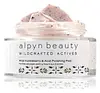
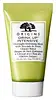
alpyn beauty Wild Huckleberry 8-Acid Polishing Peel Versus Origins Drink Up™ Intensive Overnight Hydrating Mask with Avocado & Swiss Glacier Water
This wash off mask is formulated around Lactic Acid to exfoliate and smooth skin.
This hydrating overnight mask is formulated around Niacinamide and Persea Gratissima Oil to hydrate skin and strengthen the skin barrier.

What's inside
What's inside
 Key Ingredients
Benefits
Concerns
Ingredients Side-by-side
Water
Skin ConditioningGlycerin
Humectant


Hydrated Silica
Abrasive
Cetearyl Alcohol
Emollient






Hydroxypropyl Starch Phosphate
Glyceryl Stearate Se
Emulsifying
Helianthus Annuus Seed Oil
Emollient
Bentonite
Absorbent


Vaccinium Uliginosum Berry Extract
Skin ConditioningSalix Alba Extract
Skin ConditioningBambusa Arundinacea Stem Extract
Skin ConditioningXanthan Gum
EmulsifyingSodium Stearoyl Lactylate
EmulsifyingTitanium Dioxide
Cosmetic Colorant

Sodium Phytate
Azelaic Acid
Buffering





Ferulic Acid
Antimicrobial

Sodium Hyaluronate
Humectant
Aloe Barbadensis Leaf Juice
Skin Conditioning
Carrageenan
Glucose
Humectant
Arnica Montana Flower Extract
Masking
Simmondsia Chinensis Seed Wax
Skin Conditioning
Borago Officinalis Extract
Emollient
Calendula Officinalis Flower Extract
Masking
Chamomilla Recutita Flower Extract
Masking
Salvia Officinalis Leaf Extract
CleansingEclipta Prostrata Extract
Skin Conditioning
Melia Azadirachta Leaf Extract
Skin ConditioningMoringa Oleifera Seed Oil
Emollient
Pyrus Malus Fruit Extract
Skin Conditioning
Lactobacillus/Pumpkin Ferment Extract
Skin ConditioningDehydroacetic Acid
Preservative
Benzyl Alcohol
Perfuming



Menthyl Lactate
Masking
Lactobacillus/Capsicum Frutescens Fruit Ferment Extract
Skin ConditioningPotassium Sorbate
Preservative
Lactic Acid
Buffering
Glycolic Acid
Buffering
Vaccinium Myrtillus Fruit Extract
Skin ConditioningSaccharum Officinarum Extract
MoisturisingCitric Acid
Buffering
Citrus Aurantium Dulcis Fruit Extract
MaskingCitrus Limon Fruit Extract
Masking
Acer Saccharum Extract
Skin ConditioningTartaric Acid
Buffering
Malic Acid
Buffering
Decyl Glucoside
Cleansing
Lauryl Glucoside
CleansingVaccinium Angustifolium Fruit Extract
Skin Protecting
Caprylic/Capric Triglyceride
Masking
Citrus Aurantium Dulcis Peel Extract
Emulsion Stabilising
Vanilla Planifolia Fruit Extract
Skin Conditioning
Rosa Damascena Extract
MaskingRubus Idaeus Fruit Extract
AstringentMusa Sapientum Fruit Extract
Skin ConditioningCitrus Aurantium Amara Leaf/Twig Extract
Skin ConditioningCinnamomum Camphora Linalooliferum Wood Extract
Perfuming
Alcohol
Antimicrobial
Vitis Vinifera Fruit Cell Extract
Skin ConditioningIsomalt
HumectantLecithin
Emollient
Vaccinium Macrocarpon Seed Powder
Abrasive
Water, Glycerin, Hydrated Silica, Cetearyl Alcohol, Hydroxypropyl Starch Phosphate, Glyceryl Stearate Se, Helianthus Annuus Seed Oil, Bentonite, Vaccinium Uliginosum Berry Extract, Salix Alba Extract, Bambusa Arundinacea Stem Extract, Xanthan Gum, Sodium Stearoyl Lactylate, Titanium Dioxide, Sodium Phytate, Azelaic Acid, Ferulic Acid, Sodium Hyaluronate, Aloe Barbadensis Leaf Juice, Carrageenan, Glucose, Arnica Montana Flower Extract, Simmondsia Chinensis Seed Wax, Borago Officinalis Extract, Calendula Officinalis Flower Extract, Chamomilla Recutita Flower Extract, Salvia Officinalis Leaf Extract, Eclipta Prostrata Extract, Melia Azadirachta Leaf Extract, Moringa Oleifera Seed Oil, Pyrus Malus Fruit Extract, Lactobacillus/Pumpkin Ferment Extract, Dehydroacetic Acid, Benzyl Alcohol, Menthyl Lactate, Lactobacillus/Capsicum Frutescens Fruit Ferment Extract, Potassium Sorbate, Lactic Acid, Glycolic Acid, Vaccinium Myrtillus Fruit Extract, Saccharum Officinarum Extract, Citric Acid, Citrus Aurantium Dulcis Fruit Extract, Citrus Limon Fruit Extract, Acer Saccharum Extract, Tartaric Acid, Malic Acid, Decyl Glucoside, Lauryl Glucoside, Vaccinium Angustifolium Fruit Extract, Caprylic/Capric Triglyceride, Citrus Aurantium Dulcis Peel Extract, Vanilla Planifolia Fruit Extract, Rosa Damascena Extract, Rubus Idaeus Fruit Extract, Musa Sapientum Fruit Extract, Citrus Aurantium Amara Leaf/Twig Extract, Cinnamomum Camphora Linalooliferum Wood Extract, Alcohol, Vitis Vinifera Fruit Cell Extract, Isomalt, Lecithin, Vaccinium Macrocarpon Seed Powder
Water
Skin ConditioningGlycerin
Humectant
Cetyl Alcohol
Emollient
Glyceryl Polymethacrylate
Niacinamide
Smoothing
Hydroxyethyl Urea
Humectant
PEG-75
HumectantDimethicone
Emollient
Persea Gratissima Oil
Skin Conditioning
PPG-15 Stearyl Ether
EmollientPEG-8
HumectantGlycereth-26
Humectant
Sorbitan Stearate
Emulsifying
Citrus Aurantium Amara Leaf/Twig Oil
Masking
Citrus Aurantium Dulcis Peel Oil
Masking
Ricinus Communis Seed Oil
Masking
Osmanthus Fragrans Flower Extract
MaskingRosa Damascena Extract
MaskingRibes Nigrum Bud Extract
Perfuming
Cinnamomum Camphora Leaf Extract
MaskingBenzaldehyde
Masking
Hexenyl Acetate
Masking
Gamma-Decalactone
Perfuming
Ionone
Astringent
Ethyl Acetate
Perfuming
Alcohol
Antimicrobial
Linalool
Perfuming
Limonene
Perfuming
Isopropyl Isostearate
Emollient
PEG-100 Stearate
Surfactant
Citrus Aurantium Dulcis Peel Wax
Skin ConditioningPrunus Armeniaca Kernel Oil
Masking
Mangifera Indica Seed Butter
Skin Conditioning
Sucrose
Humectant
Hypnea Musciformis Extract
Skin Protecting
Avena Sativa Kernel Extract
Abrasive
Triticum Vulgare Bran Extract
Skin ConditioningCladosiphon Okamuranus Extract
Skin Conditioning
Cetearyl Alcohol
Emollient
Caffeine
Skin Conditioning
Oryza Sativa Extract
Absorbent
Gelidiella Acerosa Extract
Skin Protecting
Butylene Glycol
Humectant
Aloe Barbadensis Leaf Extract
Emollient
Pantethine
EmollientOlea Europaea Fruit Extract
BleachingCocos Nucifera Oil
Masking
Punica Granatum Sterols
Skin Conditioning
Sorbitol
Humectant
Caprylyl Glycol
Emollient
Tocopheryl Acetate
Antioxidant
Oryzanol
Skin ConditioningTrehalose
Humectant
Bisabolol
Antioxidant
Cetyl Ethylhexanoate
EmollientSodium Hyaluronate
Humectant
Carbomer
Emulsion StabilisingHexylene Glycol
EmulsifyingPotassium Hydroxide
BufferingDextrin
AbsorbentDisodium EDTA
Potassium Sorbate
Preservative
Phenoxyethanol
Preservative
Essential Oils
Water, Glycerin, Cetyl Alcohol, Glyceryl Polymethacrylate, Niacinamide, Hydroxyethyl Urea, PEG-75, Dimethicone, Persea Gratissima Oil, PPG-15 Stearyl Ether, PEG-8, Glycereth-26, Sorbitan Stearate, Citrus Aurantium Amara Leaf/Twig Oil, Citrus Aurantium Dulcis Peel Oil, Ricinus Communis Seed Oil, Osmanthus Fragrans Flower Extract, Rosa Damascena Extract, Ribes Nigrum Bud Extract, Cinnamomum Camphora Leaf Extract, Benzaldehyde, Hexenyl Acetate, Gamma-Decalactone, Ionone, Ethyl Acetate, Alcohol, Linalool, Limonene, Isopropyl Isostearate, PEG-100 Stearate, Citrus Aurantium Dulcis Peel Wax, Prunus Armeniaca Kernel Oil, Mangifera Indica Seed Butter, Sucrose, Hypnea Musciformis Extract, Avena Sativa Kernel Extract, Triticum Vulgare Bran Extract, Cladosiphon Okamuranus Extract, Cetearyl Alcohol, Caffeine, Oryza Sativa Extract, Gelidiella Acerosa Extract, Butylene Glycol, Aloe Barbadensis Leaf Extract, Pantethine, Olea Europaea Fruit Extract, Cocos Nucifera Oil, Punica Granatum Sterols, Sorbitol, Caprylyl Glycol, Tocopheryl Acetate, Oryzanol, Trehalose, Bisabolol, Cetyl Ethylhexanoate, Sodium Hyaluronate, Carbomer, Hexylene Glycol, Potassium Hydroxide, Dextrin, Disodium EDTA, Potassium Sorbate, Phenoxyethanol, Essential Oils
Reviews
Ingredients Explained
These ingredients are found in both products.
Ingredients higher up in an ingredient list are typically present in a larger amount.
This ingredient is also called ethanol or ethyl alcohol. It is denatured, meaning made undrinkable for cosmetic use.
In formulas, it:
Is it bad for your skin?
The answer comes down to concentration. Patch and wash studies have found highly concentrated alcohol-based hand rubs (60-100%) cause less barrier disruption than washing with a basic detergent like SLS. The only measurable effect in these studies was a temporary dip in skin hydration.
Concentrations below 12-15% in leave-on cosmetics is generally well-tolerated. Concentrations above start to see increased transepidermal water loss (TEWL) and reduced hydration.
In concentrations about 58%, it creates temporary channels in your skin's lipid layers to become more permeable and allow other ingredients to slip through easily.
This ingredient can be up to 80% of the formula in alcohol-based perfumes.
Overall, this ingredient is probably harmless if found lower down an ingredients list but worth side-eyeing if it's high up (especially if your barrier is already struggling).
Alcohol can worsen dry skin, eczema, and oily skin, especially at higher concentrations. This is because it can increase transepidermal water loss and decrease hydration to disrupt the skin barrier.
According to the National Rosacea Society based in the US, you should be mindful of products with these alcohols in the top half of ingredients.
True allergic contact dermatitis to ethanol is uncommon, but be sure to patch test if you have dry or sensitive skin.
Learn more about AlcoholCetearyl alcohol is a waxy mixture of two fatty alcohols: cetyl alcohol and stearyl alcohol. It is an emollient and emulsifier.
Despite having "alcohol" in its name, it has nothing to do with drying solvent alcohols; the FDA also allows "alcohol-free" products to contain fatty alcohols like this ingredient.
It plays several roles in a formula:
Typical use levels for this ingredient sit around 1-10% and the Cosmetic Ingredient Review Expert Panel has affirmed safety at concentrations up to 25% in leave-on products.
Multiple assessments have found it to be non-irritating and non-sensitizing to most people.
However, there have been some cases of allergic contact dermatitis in patients with chronically compromised skin barriers.
Cetearyl alcohol has a comedogenic rating of 2 and irritancy rating of 1. Both of these numbers come from the 1989 study that used rabbit ears; a "2" means mildly comedogenic and a "1" means low irritancy.
Here's the catch: rabbit skin is more sensitive than human skin and throws a lot of false positives. A 1996 reappraisal found that ingredients rated 1-2 in the rabbit ear tests are generally safe for humans.
Remember comedogenic ratings are unable to assess the entire formula of a product or how it will react on your skin. Just be sure to patch test if you are unsure about certain ingredients.
This ingredient is not fungal acne safe. Cetearyl alcohol is a fatty alcohol with chain lengths that fall within the range that Malassezia can metabolize.
A 2019 study has also observed Malassezia growth in the presence of this ingredient, confirming it to be not-fungal acne safe.
Learn more about Cetearyl AlcoholGlycerin (or glycerol) is a compound naturally found in your skin. It's a powerhouse humectant that pulls water into the stratum corneum.
Topically, glycerin does several things at once:
Your skin makes glycerin on its own (mostly from sebaceous oil breakdown) and shuttles it to your outermost layer of skin, or your epidermis, via aquaporin-3.
Aquaporin-3 is a transporter that is essential for normal skin hydration, elasticity, and repair. Interestingly, mice lacking in AQP3 have dry and less elastic skin that can be fully corrected with glycerin.
This ingredient is non-irritating, plays well with almost every ingredient, and works across all skin types. Typical use is anywhere between 3-10% but can go up to 79% in some leave-on products.
Just know very high concentrations (>40%) can feel tacky in low humidity.
Glycerin is the name for this ingredient in American English. British English uses Glycerol/Glycerine.
Learn more about GlycerinPotassium Sorbate is a preservative used to prevent yeast and mold in products. It is commonly found in both cosmetic and food products.
This ingredient comes from potassium salt derived from sorbic acid. Sorbic acid is a natural antibiotic and effective against fungus.
Both potassium sorbate and sorbic acid can be found in baked goods, cheeses, dried meats, dried fruit, ice cream, pickles, wine, yogurt, and more.
You'll often find this ingredient used with other preservatives.
Learn more about Potassium SorbateRosa Damascena Extract comes from the Damask rose.
The Damask Roses' petals have been found to help sooth skin. The petals also contain antioxidant compounds.
Rosa Damascena Extract is a tonic. Tonics are used to remove soap residues. They also help moisturize the skin.
Learn more about Rosa Damascena ExtractSodium Hyaluronate is the salt form of hyaluronic acid. It is a long sugar chain that is naturally found in your skin, joints, and connective tissue that maintains hydration and elasticity.
In skincare, it works as a humectant. It pulls water from the environment and deeper layers of skin and binds it to the surface.
Interestingly, the size of the molecule affects its behavior:
Some clinical evidence links low molecular weight versions to improved wrinkle depth, elasticity, anti-inflammatory effects, and barrier repair.
Many serums use a blend of both weights so you can get surface hydration plus longer-lasting and deeper effects.
You'll typically see concentrations between 0.1-2% for this ingredient.
Learn more about Sodium HyaluronateWater. It's the most common cosmetic ingredient of all. You'll usually see it at the top of ingredient lists, meaning that it makes up the largest part of the product.
So why is it so popular? Water most often acts as a solvent - this means that it helps dissolve other ingredients into the formulation.
You'll also recognize water as that liquid we all need to stay alive. If you see this, drink a glass of water. Remember to stay hydrated!
Learn more about Water

