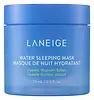
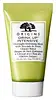
Laneige Water Sleeping Mask Versus Origins Drink Up™ Intensive Overnight Hydrating Mask with Avocado & Swiss Glacier Water
This hydrating overnight mask is formulated around Ceramide AP and Squalane to hydrate skin and strengthen the skin barrier.
This hydrating overnight mask is formulated around Niacinamide and Persea Gratissima Oil to hydrate skin and strengthen the skin barrier.


What's inside
What's inside
 Key Ingredients
Benefits
Concerns
Ingredients Side-by-side
Water
Skin ConditioningButylene Glycol
Humectant

Glycerin
Humectant
Methyl Trimethicone
Skin Conditioning
Ceramide AP
Skin Conditioning



1,2-Hexanediol
Skin Conditioning
Squalane
Emollient
Phenyl Trimethicone
Skin Conditioning
PCA Dimethicone
Skin Conditioning
Caprylyl Methicone
Skin Conditioning
Ammonium Acryloyldimethyltaurate/Vp Copolymer
Lactobacillus Ferment Lysate
Skin Conditioning
Carbomer
Emulsion StabilisingPropanediol
Solvent
Tromethamine
BufferingAcrylates/C10-30 Alkyl Acrylate Crosspolymer
Emulsion StabilisingGlyceryl Caprylate
EmollientEthylhexylglycerin
Skin ConditioningDisodium EDTA
ChelatingRaffinose
Skin ConditioningStearyl Behenate
Emollient

Malachite Extract
Antioxidant
Parfum
Masking



Polyglyceryl-3 Methylglucose Distearate
Emulsifying
Inulin Lauryl Carbamate
Emulsion StabilisingNiacinamide
Smoothing






Tryptophan
MaskingHydroxypropyl Bispalmitamide Mea
Emollient
Beta-Glucan
Skin Conditioning
Limonene
Perfuming
Saururus Chinensis Extract
Skin ConditioningAcorus Gramineus Extract
HumectantLinalool
Perfuming
Tocopherol
Antioxidant
Water, Butylene Glycol, Glycerin, Methyl Trimethicone, Ceramide AP, 1,2-Hexanediol, Squalane, Phenyl Trimethicone, PCA Dimethicone, Caprylyl Methicone, Ammonium Acryloyldimethyltaurate/Vp Copolymer, Lactobacillus Ferment Lysate, Carbomer, Propanediol, Tromethamine, Acrylates/C10-30 Alkyl Acrylate Crosspolymer, Glyceryl Caprylate, Ethylhexylglycerin, Disodium EDTA, Raffinose, Stearyl Behenate, Malachite Extract, Parfum, Polyglyceryl-3 Methylglucose Distearate, Inulin Lauryl Carbamate, Niacinamide, Tryptophan, Hydroxypropyl Bispalmitamide Mea, Beta-Glucan, Limonene, Saururus Chinensis Extract, Acorus Gramineus Extract, Linalool, Tocopherol
Water
Skin ConditioningGlycerin
Humectant
Cetyl Alcohol
Emollient

Glyceryl Polymethacrylate
Niacinamide
Smoothing
Hydroxyethyl Urea
Humectant
PEG-75
HumectantDimethicone
Emollient
Persea Gratissima Oil
Skin Conditioning

PPG-15 Stearyl Ether
EmollientPEG-8
HumectantGlycereth-26
Humectant
Sorbitan Stearate
Emulsifying
Citrus Aurantium Amara Leaf/Twig Oil
Masking
Citrus Aurantium Dulcis Peel Oil
Masking
Ricinus Communis Seed Oil
Masking
Osmanthus Fragrans Flower Extract
MaskingRosa Damascena Extract
MaskingRibes Nigrum Bud Extract
Perfuming
Cinnamomum Camphora Leaf Extract
MaskingBenzaldehyde
Masking
Hexenyl Acetate
Masking
Gamma-Decalactone
Perfuming
Ionone
Astringent
Ethyl Acetate
Perfuming
Alcohol
Antimicrobial

Linalool
Perfuming
Limonene
Perfuming
Isopropyl Isostearate
Emollient
PEG-100 Stearate
Surfactant
Citrus Aurantium Dulcis Peel Wax
Skin ConditioningPrunus Armeniaca Kernel Oil
Masking
Mangifera Indica Seed Butter
Skin Conditioning
Sucrose
Humectant
Hypnea Musciformis Extract
Skin Protecting
Avena Sativa Kernel Extract
Abrasive
Triticum Vulgare Bran Extract
Skin ConditioningCladosiphon Okamuranus Extract
Skin Conditioning
Cetearyl Alcohol
Emollient
Caffeine
Skin Conditioning
Oryza Sativa Extract
Absorbent
Gelidiella Acerosa Extract
Skin Protecting
Butylene Glycol
Humectant
Aloe Barbadensis Leaf Extract
Emollient
Pantethine
EmollientOlea Europaea Fruit Extract
BleachingCocos Nucifera Oil
Masking
Punica Granatum Sterols
Skin Conditioning
Sorbitol
Humectant
Caprylyl Glycol
Emollient
Tocopheryl Acetate
Antioxidant
Oryzanol
Skin ConditioningTrehalose
Humectant
Bisabolol
Antioxidant
Cetyl Ethylhexanoate
EmollientSodium Hyaluronate
Humectant
Carbomer
Emulsion StabilisingHexylene Glycol
EmulsifyingPotassium Hydroxide
BufferingDextrin
AbsorbentDisodium EDTA
ChelatingPotassium Sorbate
Preservative
Phenoxyethanol
Preservative
Essential Oils
Water, Glycerin, Cetyl Alcohol, Glyceryl Polymethacrylate, Niacinamide, Hydroxyethyl Urea, PEG-75, Dimethicone, Persea Gratissima Oil, PPG-15 Stearyl Ether, PEG-8, Glycereth-26, Sorbitan Stearate, Citrus Aurantium Amara Leaf/Twig Oil, Citrus Aurantium Dulcis Peel Oil, Ricinus Communis Seed Oil, Osmanthus Fragrans Flower Extract, Rosa Damascena Extract, Ribes Nigrum Bud Extract, Cinnamomum Camphora Leaf Extract, Benzaldehyde, Hexenyl Acetate, Gamma-Decalactone, Ionone, Ethyl Acetate, Alcohol, Linalool, Limonene, Isopropyl Isostearate, PEG-100 Stearate, Citrus Aurantium Dulcis Peel Wax, Prunus Armeniaca Kernel Oil, Mangifera Indica Seed Butter, Sucrose, Hypnea Musciformis Extract, Avena Sativa Kernel Extract, Triticum Vulgare Bran Extract, Cladosiphon Okamuranus Extract, Cetearyl Alcohol, Caffeine, Oryza Sativa Extract, Gelidiella Acerosa Extract, Butylene Glycol, Aloe Barbadensis Leaf Extract, Pantethine, Olea Europaea Fruit Extract, Cocos Nucifera Oil, Punica Granatum Sterols, Sorbitol, Caprylyl Glycol, Tocopheryl Acetate, Oryzanol, Trehalose, Bisabolol, Cetyl Ethylhexanoate, Sodium Hyaluronate, Carbomer, Hexylene Glycol, Potassium Hydroxide, Dextrin, Disodium EDTA, Potassium Sorbate, Phenoxyethanol, Essential Oils
Reviews
Ingredients Explained
These ingredients are found in both products.
Ingredients higher up in an ingredient list are typically present in a larger amount.
Butylene Glycol (or BG) is used within cosmetic products for a few different reasons:
Overall, Butylene Glycol is a safe and well-rounded ingredient that works well with other ingredients.
Though this ingredient works well with most skin types, some people with sensitive skin may experience a reaction such as allergic rashes, closed comedones, or itchiness.
Learn more about Butylene GlycolCarbomer is a synthetic thickening and gelling agent. It's basically the ingredient that gives a lot of serums, gels, creams, and sunscreens their smooth, non-sticky texture.
Although legally permitted at very high levels, carbomers are normally used at concentrations below 1%.
It also needs to be neutralized to actually thicken, and because it is a large molecule, it doesn't really penetrate the skin barrier.
Allergy-wise, the risk is very low. Clinical studies show carbomers have low potential for skin irritation/sensitization even at concentrations up to 100%.
A 2024 UK study patch-tested 1,302 patients and found true allergy to the parent group of carbomer to be rare with no confirmed relevant reactions.
Learn more about CarbomerDisodium EDTA is a chelating agent. It grabs onto and deactivates metal ions that sneak into your products from water, packaging, or air.
This ingredient mainly works behind the scenes and helps with:
On top of that, this ingredient can counteract the effects of hard water by binding to the minerals in it.
One thing worth knowing is that Disodium EDTA has been shown to be a mild penetration enhancer. It can help other ingredients absorb into skin more effectively which can be a double-edged sword (great for actives, but can also make the active too strong if you have sensitive skin).
Clinical patch testing showed no significant skin irritation at typical use concentrations and minimal dermal absorption.
You'll most likely see this ingredient near the end of an ingredient list. It's typically found in concentrations less than 1%.
Learn more about Disodium EDTAGlycerin (or glycerol) is a compound naturally found in your skin. It's a powerhouse humectant that pulls water into the stratum corneum.
Topically, glycerin does several things at once:
Your skin makes glycerin on its own (mostly from sebaceous oil breakdown) and shuttles it to your outermost layer of skin, or your epidermis, via aquaporin-3.
Aquaporin-3 is a transporter that is essential for normal skin hydration, elasticity, and repair. Interestingly, mice lacking in AQP3 have dry and less elastic skin that can be fully corrected with glycerin.
This ingredient is non-irritating, plays well with almost every ingredient, and works across all skin types. Typical use is anywhere between 3-10% but can go up to 79% in some leave-on products.
Just know very high concentrations (>40%) can feel tacky in low humidity.
Glycerin is the name for this ingredient in American English. British English uses Glycerol/Glycerine.
Learn more about GlycerinLimonene is the compound that gives citrus peel its smell.
In skincare, it shows up as a standalone fragrance ingredient or as a natural compound of citrus and other essential oils.
You'll typically see this ingredient used in very small amounts; anything above 0.001% in a leave-on product or 0.01% in a rinse-off has to be named on the label in the EU. The citrus oils that carry it sit around 0.5-1% in a finished formula.
Fresh limonene is a weak allergen; the real issue is that it slowly reacts with air and then breaks down from oxidation to create hydroperoxides (which are strong sensitizers). This is why suppliers are required to keep the peroxide value below 20 mmol.
Positive reactions in people being investigated for eczema vary:
It's worth skipping if you have a known fragrance allergy or a compromised barrier, but the risk is low for most people.
Older or long-opened products are also more likely to bother you than fresh ones due to oxidation.
Learn more about LimoneneLinalool is a small, naturally occurring scent molecule found in plants like lavender, coriander, bergamot, and more.
It is one of the two most-used fragrance ingredients in cosmetics and added purely for smell. Since it's not used for a skin benefit, there's no "effective dose". Concentration depends on the fragrance load of the product.
The EU requires it to be named on the label above 0.001% in leave-on and 0.01% in rinse-off products.
Fresh linalool is a weak sensitizer but air exposure turns some of it into hydroperoxides, which are strong sensitizers. Those oxidation products are the actual allergy concern.
Patch-test clinics see positive reactions to linalool hydroperoxides in about 4% to 12% of dermatitis patients depending on country and test concentration.
Resassuringly, one analytical study found hydroperoxide levels in real fragranced products to be orders of magnitude below what induced sensitization in animal studies with no evidence of oxidation building up during normal storage.
The practical takeaway is that linalool is fine for most people but worth avoiding if you have a confirmed fragrance contact allergy or a badly compromised barrier.
Products stored a long time after opening are also the high-risk scenario since that is when oxidation happens.
The scent of linalool is described as floral, spicy tropical, and citrus-like.
Learn more about LinaloolNiacinamide is a multitasking form of vitamin B3 that strengthens the skin barrier, reduces pores and dark spots, regulates oil, and improves signs of aging.
And the best part? It's gentle and well-tolerated by most skin types, including sensitive and reactive skin.
You might have heard of "niacin flush", or the reddening of skin that causes itchiness. Niacinamide has not been found to cause this.
In very rare cases, some individuals may not be able to tolerate niacinamide at all or experience an allergic reaction to it.
If you are experiencing flaking, irritation, and dryness with this ingredient, be sure to double check all your products as this ingredient can be found in all categories of skincare.
When incorporating niacinamide into your routine, look out for concentration amounts. Typically, 5% niacinamide provides benefits such as fading dark spots. However, if you have sensitive skin, it is better to begin with a smaller concentration.
When you apply niacinamide to your skin, your body converts it into nicotinamide adenine dinucleotide (NAD). NAD is an essential coenzyme that is already found in your cells as "fuel" and powers countless biological processes.
In your skin, NAD helps repair cell damage, produce new healthy cells, support collagen production, strengthen the skin barrier, and fight environmental stressors (like UV and pollution).
Our natural NAD levels start to decline with age, leading to slower skin repair, visible aging, and a weaker skin barrier. By providing your skin niacinamide, you're recharging your skin's NAD levels. This leads to stronger, healthier, and younger looking skin.
Another name for vitamin B3 is nicotinamide. This vitamin is water-soluble and our bodies don't store it. We obtain Vitamin B3 from either food or skincare. Meat, fish, wheat, yeast, and leafy greens contain vitamin B3.
The type of niacinamide used in skincare is synthetically created.
Learn more about NiacinamideWater. It's the most common cosmetic ingredient of all. You'll usually see it at the top of ingredient lists, meaning that it makes up the largest part of the product.
So why is it so popular? Water most often acts as a solvent - this means that it helps dissolve other ingredients into the formulation.
You'll also recognize water as that liquid we all need to stay alive. If you see this, drink a glass of water. Remember to stay hydrated!
Learn more about Water

