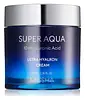
This barrier-repair moisturizer is formulated around Niacinamide and Panthenol to strengthen the skin barrier and hydrate skin.
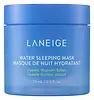
This hydrating overnight mask is formulated around Ceramide AP and Squalane to hydrate skin and strengthen the skin barrier.

What's inside
What's inside
 Key Ingredients
Benefits
Concerns
Ingredients Side-by-side
Water
Skin ConditioningButylene Glycol
Humectant

Glycerin
Humectant
Niacinamide
Smoothing









Phenyl Trimethicone
Skin Conditioning
1,2-Hexanediol
Skin Conditioning
Cetyl Ethylhexanoate
EmollientPentaerythrityl Tetraethylhexanoate
Emollient
Pentylene Glycol
Skin Conditioning
Cetearyl Alcohol
Emollient






Butyrospermum Parkii Butter
Skin Conditioning
Panthenol
Skin Conditioning
Raffinose
Skin ConditioningAmmonium Acryloyldimethyltaurate/Vp Copolymer
Simmondsia Chinensis Seed Oil
Emollient
Dimethicone/Vinyl Dimethicone Crosspolymer
Skin Conditioning
Tromethamine
BufferingCarbomer
Emulsion StabilisingCetearyl Glucoside
Emulsifying
Acrylates/C10-30 Alkyl Acrylate Crosspolymer
Emulsion StabilisingXanthan Gum
EmulsifyingEthylhexylglycerin
Skin ConditioningCaprylyl Glycol
Emollient
Citrus Aurantium Bergamia Fruit Oil
Masking


Adenosine
Skin Conditioning
Sodium Phytate
ChelatingLavandula Angustifolia Oil
Masking
Citrus Aurantium Dulcis Peel Oil
Masking
Silica
Abrasive
Sodium Hyaluronate
Humectant
Hydrolyzed Hibiscus Esculentus Extract
Skin ConditioningLupinus Albus Seed Extract
Skin ConditioningMoringa Oleifera Seed Extract
Skin Conditioning
Trehalose
Humectant
Glyceryl Glucoside
Humectant
Pinus Sylvestris Leaf Oil
Masking
Propanediol
Solvent
Hydrogenated Lecithin
Emulsifying
Xylitylglucoside
Humectant
Ceramide NP
Skin Conditioning
Anhydroxylitol
Humectant
Glucose
Humectant
Sucrose Stearate
EmollientXylitol
Humectant
Hydroxypropyltrimonium Hyaluronate
Stearic Acid
Cleansing
Palmitic Acid
Emollient
Sucrose Palmitate
EmollientBenzyl Glycol
SolventHydrolyzed Glycosaminoglycans
HumectantCholesterol
Emollient
Macadamia Ternifolia Seed Oil
Emollient
Olea Europaea Fruit Oil
Masking
Vitis Vinifera Seed Oil
Emollient
Sodium Hyaluronate Crosspolymer
Humectant
Hydrolyzed Hyaluronic Acid
Humectant
Glyceryl Caprylate
EmollientGlycosphingolipids
EmollientSodium Acetylated Hyaluronate
Humectant
Actinidia Polygama Fruit Extract
Skin ConditioningHyaluronic Acid
Humectant
Hydrolyzed Sodium Hyaluronate
Skin Conditioning
Potassium Hyaluronate
Skin ConditioningLimonene
Perfuming
Linalool
Perfuming
Water, Butylene Glycol, Glycerin, Niacinamide, Phenyl Trimethicone, 1,2-Hexanediol, Cetyl Ethylhexanoate, Pentaerythrityl Tetraethylhexanoate, Pentylene Glycol, Cetearyl Alcohol, Butyrospermum Parkii Butter, Panthenol, Raffinose, Ammonium Acryloyldimethyltaurate/Vp Copolymer, Simmondsia Chinensis Seed Oil, Dimethicone/Vinyl Dimethicone Crosspolymer, Tromethamine, Carbomer, Cetearyl Glucoside, Acrylates/C10-30 Alkyl Acrylate Crosspolymer, Xanthan Gum, Ethylhexylglycerin, Caprylyl Glycol, Citrus Aurantium Bergamia Fruit Oil, Adenosine, Sodium Phytate, Lavandula Angustifolia Oil, Citrus Aurantium Dulcis Peel Oil, Silica, Sodium Hyaluronate, Hydrolyzed Hibiscus Esculentus Extract, Lupinus Albus Seed Extract, Moringa Oleifera Seed Extract, Trehalose, Glyceryl Glucoside, Pinus Sylvestris Leaf Oil, Propanediol, Hydrogenated Lecithin, Xylitylglucoside, Ceramide NP, Anhydroxylitol, Glucose, Sucrose Stearate, Xylitol, Hydroxypropyltrimonium Hyaluronate, Stearic Acid, Palmitic Acid, Sucrose Palmitate, Benzyl Glycol, Hydrolyzed Glycosaminoglycans, Cholesterol, Macadamia Ternifolia Seed Oil, Olea Europaea Fruit Oil, Vitis Vinifera Seed Oil, Sodium Hyaluronate Crosspolymer, Hydrolyzed Hyaluronic Acid, Glyceryl Caprylate, Glycosphingolipids, Sodium Acetylated Hyaluronate, Actinidia Polygama Fruit Extract, Hyaluronic Acid, Hydrolyzed Sodium Hyaluronate, Potassium Hyaluronate, Limonene, Linalool
Water
Skin ConditioningButylene Glycol
Humectant
Glycerin
Humectant
Methyl Trimethicone
Skin Conditioning
Ceramide AP
Skin Conditioning
1,2-Hexanediol
Skin Conditioning
Squalane
Emollient
Phenyl Trimethicone
Skin Conditioning
PCA Dimethicone
Skin Conditioning
Caprylyl Methicone
Skin Conditioning
Ammonium Acryloyldimethyltaurate/Vp Copolymer
Lactobacillus Ferment Lysate
Skin Conditioning
Carbomer
Emulsion StabilisingPropanediol
Solvent
Tromethamine
BufferingAcrylates/C10-30 Alkyl Acrylate Crosspolymer
Emulsion StabilisingGlyceryl Caprylate
EmollientEthylhexylglycerin
Skin ConditioningDisodium EDTA
ChelatingRaffinose
Skin ConditioningStearyl Behenate
Emollient
Malachite Extract
Antioxidant
Parfum
Masking
Polyglyceryl-3 Methylglucose Distearate
Emulsifying
Inulin Lauryl Carbamate
Emulsion StabilisingNiacinamide
Smoothing
Tryptophan
MaskingHydroxypropyl Bispalmitamide Mea
Emollient
Beta-Glucan
Skin Conditioning
Limonene
Perfuming
Saururus Chinensis Extract
Skin ConditioningAcorus Gramineus Extract
HumectantLinalool
Perfuming
Tocopherol
Antioxidant
Water, Butylene Glycol, Glycerin, Methyl Trimethicone, Ceramide AP, 1,2-Hexanediol, Squalane, Phenyl Trimethicone, PCA Dimethicone, Caprylyl Methicone, Ammonium Acryloyldimethyltaurate/Vp Copolymer, Lactobacillus Ferment Lysate, Carbomer, Propanediol, Tromethamine, Acrylates/C10-30 Alkyl Acrylate Crosspolymer, Glyceryl Caprylate, Ethylhexylglycerin, Disodium EDTA, Raffinose, Stearyl Behenate, Malachite Extract, Parfum, Polyglyceryl-3 Methylglucose Distearate, Inulin Lauryl Carbamate, Niacinamide, Tryptophan, Hydroxypropyl Bispalmitamide Mea, Beta-Glucan, Limonene, Saururus Chinensis Extract, Acorus Gramineus Extract, Linalool, Tocopherol
Reviews
Ingredients Explained
These ingredients are found in both products.
Ingredients higher up in an ingredient list are typically present in a larger amount.
1,2-Hexanediol is a synthetic liquid and another multi-functional powerhouse.
It is a:
- Humectant, drawing moisture into the skin
- Emollient, helping to soften skin
- Solvent, dispersing and stabilizing formulas
- Preservative booster, enhancing the antimicrobial activity of other preservatives
Acrylates/C10-30 Alkyl Acrylate Crosspolymer is a synthetic polymer. It is used to thicken, emulsify, and improve the texture of products.
As an emulsifier, it helps stabilize oil-in-water emulsions to give products an elegant feel when applied.
It can also form a thin protective film on skin. One study found that a formula using this polymer helped slow down how quickly other ingredients (like DEET) were absorbed through skin.
A 2024 study of over 1,300 patients confirmed that sensitization to this ingredient is rare. It is also non-mutagenic and has a clean track record.
Learn more about Acrylates/C10-30 Alkyl Acrylate CrosspolymerAmmonium Acryloyldimethyltaurate/Vp Copolymer is a synthetically created polymer. It's used as a film-forming agent and used to thicken the consistency of products.
Think of it as a supportive ingredient that helps your gel-creams feel silky, "cloud cream-like", and spread evenly without being greasy.
The Cosmetic Ingredient Review (CIR) Expert Panel evaluated it (along with 22 other acryloyldimethyltaurate polymers) and concluded it's:
Due to its large molecular size, it sits on the surface of skin rather than penetrating it.
Learn more about Ammonium Acryloyldimethyltaurate/Vp CopolymerButylene Glycol (or BG) is used within cosmetic products for a few different reasons:
Overall, Butylene Glycol is a safe and well-rounded ingredient that works well with other ingredients.
Though this ingredient works well with most skin types, some people with sensitive skin may experience a reaction such as allergic rashes, closed comedones, or itchiness.
Learn more about Butylene GlycolCarbomer is a synthetic thickening and gelling agent. It's basically the ingredient that gives a lot of serums, gels, creams, and sunscreens their smooth, non-sticky texture.
Although legally permitted at very high levels, carbomers are normally used at concentrations below 1%.
It also needs to be neutralized to actually thicken, and because it is a large molecule, it doesn't really penetrate the skin barrier.
Allergy-wise, the risk is very low. Clinical studies show carbomers have low potential for skin irritation/sensitization even at concentrations up to 100%.
A 2024 UK study patch-tested 1,302 patients and found true allergy to the parent group of carbomer to be rare with no confirmed relevant reactions.
Learn more about CarbomerEthylhexylglycerin is created from glycerin. It is a multitasker ingredient that:
The CIR Expert Panel found minimal skin absorption or sensitization of any kind in a safety assessment. Though this ingredient is considered well-tolerated, a small number of cases of allergic dermatitis have been published since 2002. Just be sure to patch test if you are unsure.
Industry-reported use ranges from 8% in rinse-off products and 2% in leave-on formulations.
Learn more about EthylhexylglycerinGlycerin (or glycerol) is a compound naturally found in your skin. It's a powerhouse humectant that pulls water into the stratum corneum.
Topically, glycerin does several things at once:
Your skin makes glycerin on its own (mostly from sebaceous oil breakdown) and shuttles it to your outermost layer of skin, or your epidermis, via aquaporin-3.
Aquaporin-3 is a transporter that is essential for normal skin hydration, elasticity, and repair. Interestingly, mice lacking in AQP3 have dry and less elastic skin that can be fully corrected with glycerin.
This ingredient is non-irritating, plays well with almost every ingredient, and works across all skin types. Typical use is anywhere between 3-10% but can go up to 79% in some leave-on products.
Just know very high concentrations (>40%) can feel tacky in low humidity.
Glycerin is the name for this ingredient in American English. British English uses Glycerol/Glycerine.
Learn more about GlycerinGlyceryl Caprylate comes from glycerin and caprylic acid. It is an emollient, co-emulsifier, and preservative booster.
Its short C8 fatty acid chain makes it behave differently from its longer-chain emollient cousins like Glyceryl Stearate. It feels more lightweight, fast-absorbing, and silky instead of rich and waxy.
As a co-emulsifier, its "head" and "tail" sit at the oil-water interface. But overall, the short C8 tail and not being water soluble means it doesn't really have the muscle to emulsify a formula on its own. That's why you'll often see it paired with a primary emulsifier like Cetearyl Glucoside.
Interestingly, Glyceryl Caprylate acts as a preservative booster. This is because its fatty-acid backbone disrupts microbial lipid membranes. It shows excellent activity against bacteria and yeast but is weaker against mold.
Typical concentrations range from 0.5-1% and this ingredient is generally non-irritating.
Because this ingredient has a C8 fatty acid chain, it is outside the range that the Malassezia yeast metabolizes (making it fungal acne safe).
Learn more about Glyceryl CaprylateLimonene is the compound that gives citrus peel its smell.
In skincare, it shows up as a standalone fragrance ingredient or as a natural compound of citrus and other essential oils.
You'll typically see this ingredient used in very small amounts; anything above 0.001% in a leave-on product or 0.01% in a rinse-off has to be named on the label in the EU. The citrus oils that carry it sit around 0.5-1% in a finished formula.
Fresh limonene is a weak allergen; the real issue is that it slowly reacts with air and then breaks down from oxidation to create hydroperoxides (which are strong sensitizers). This is why suppliers are required to keep the peroxide value below 20 mmol.
Positive reactions in people being investigated for eczema vary:
It's worth skipping if you have a known fragrance allergy or a compromised barrier, but the risk is low for most people.
Older or long-opened products are also more likely to bother you than fresh ones due to oxidation.
Learn more about LimoneneLinalool is a small, naturally occurring scent molecule found in plants like lavender, coriander, bergamot, and more.
It is one of the two most-used fragrance ingredients in cosmetics and added purely for smell. Since it's not used for a skin benefit, there's no "effective dose". Concentration depends on the fragrance load of the product.
The EU requires it to be named on the label above 0.001% in leave-on and 0.01% in rinse-off products.
Fresh linalool is a weak sensitizer but air exposure turns some of it into hydroperoxides, which are strong sensitizers. Those oxidation products are the actual allergy concern.
Patch-test clinics see positive reactions to linalool hydroperoxides in about 4% to 12% of dermatitis patients depending on country and test concentration.
Resassuringly, one analytical study found hydroperoxide levels in real fragranced products to be orders of magnitude below what induced sensitization in animal studies with no evidence of oxidation building up during normal storage.
The practical takeaway is that linalool is fine for most people but worth avoiding if you have a confirmed fragrance contact allergy or a badly compromised barrier.
Products stored a long time after opening are also the high-risk scenario since that is when oxidation happens.
The scent of linalool is described as floral, spicy tropical, and citrus-like.
Learn more about LinaloolNiacinamide is a multitasking form of vitamin B3 that strengthens the skin barrier, reduces pores and dark spots, regulates oil, and improves signs of aging.
And the best part? It's gentle and well-tolerated by most skin types, including sensitive and reactive skin.
You might have heard of "niacin flush", or the reddening of skin that causes itchiness. Niacinamide has not been found to cause this.
In very rare cases, some individuals may not be able to tolerate niacinamide at all or experience an allergic reaction to it.
If you are experiencing flaking, irritation, and dryness with this ingredient, be sure to double check all your products as this ingredient can be found in all categories of skincare.
When incorporating niacinamide into your routine, look out for concentration amounts. Typically, 5% niacinamide provides benefits such as fading dark spots. However, if you have sensitive skin, it is better to begin with a smaller concentration.
When you apply niacinamide to your skin, your body converts it into nicotinamide adenine dinucleotide (NAD). NAD is an essential coenzyme that is already found in your cells as "fuel" and powers countless biological processes.
In your skin, NAD helps repair cell damage, produce new healthy cells, support collagen production, strengthen the skin barrier, and fight environmental stressors (like UV and pollution).
Our natural NAD levels start to decline with age, leading to slower skin repair, visible aging, and a weaker skin barrier. By providing your skin niacinamide, you're recharging your skin's NAD levels. This leads to stronger, healthier, and younger looking skin.
Another name for vitamin B3 is nicotinamide. This vitamin is water-soluble and our bodies don't store it. We obtain Vitamin B3 from either food or skincare. Meat, fish, wheat, yeast, and leafy greens contain vitamin B3.
The type of niacinamide used in skincare is synthetically created.
Learn more about NiacinamidePhenyl Trimethicone is a silicon-based polymer. It is derived from silica.
Phenyl Trimethicone is used as an emollient and prevents products from foaming.
As an emollient, it helps trap moisture in the skin. It is considered an occlusive.
Learn more about Phenyl TrimethiconePropanediol is an all-star ingredient. It softens, hydrates, and smooths the skin.
It’s often used to:
Propanediol is not likely to cause sensitivity and considered safe to use. It is derived from corn or petroleum with a clear color and no scent.
Learn more about PropanediolWe don't have a description for Raffinose yet.
Tromethamine (aka THAM) is a synthetic amino acid that shows up in skincare as a helper ingredient.
It functions as a pH adjuster to help neutralize acidic ingredients and set a formula's pH to the right spot.
This matters a lot because a lot of actives (like vitamin C) needs a specific pH to work well and feel comfortable on skin.
Concentration use ranges from 0.1-1.0% depending on the formula.
Learn more about TromethamineWater. It's the most common cosmetic ingredient of all. You'll usually see it at the top of ingredient lists, meaning that it makes up the largest part of the product.
So why is it so popular? Water most often acts as a solvent - this means that it helps dissolve other ingredients into the formulation.
You'll also recognize water as that liquid we all need to stay alive. If you see this, drink a glass of water. Remember to stay hydrated!
Learn more about Water

