This wash off mask is formulated around Lactic Acid to exfoliate and smooth skin.
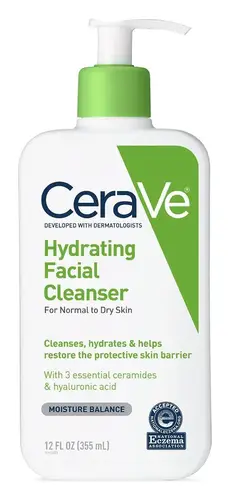
This lactic acid gel cleanser is formulated around Lactic Acid to exfoliate and smooth skin.

What's inside
What's inside
 Key Ingredients
Benefits
Concerns
Ingredients Side-by-side
Water
Skin ConditioningGlycerin
Humectant


Hydrated Silica
Abrasive
Cetearyl Alcohol
Emollient






Hydroxypropyl Starch Phosphate
Glyceryl Stearate Se
Emulsifying
Helianthus Annuus Seed Oil
Emollient
Bentonite
Absorbent


Vaccinium Uliginosum Berry Extract
Skin ConditioningSalix Alba Extract
Skin ConditioningBambusa Arundinacea Stem Extract
Skin ConditioningXanthan Gum
EmulsifyingSodium Stearoyl Lactylate
EmulsifyingTitanium Dioxide
Cosmetic Colorant

Sodium Phytate
ChelatingAzelaic Acid
Buffering





Ferulic Acid
Antimicrobial

Sodium Hyaluronate
Humectant
Aloe Barbadensis Leaf Juice
Skin Conditioning
Carrageenan
Glucose
Humectant
Arnica Montana Flower Extract
Masking
Simmondsia Chinensis Seed Wax
Skin Conditioning
Borago Officinalis Extract
Emollient
Calendula Officinalis Flower Extract
Masking
Chamomilla Recutita Flower Extract
Masking
Salvia Officinalis Leaf Extract
CleansingEclipta Prostrata Extract
Skin Conditioning
Melia Azadirachta Leaf Extract
Skin ConditioningMoringa Oleifera Seed Oil
Emollient
Pyrus Malus Fruit Extract
Skin Conditioning
Lactobacillus/Pumpkin Ferment Extract
Skin ConditioningDehydroacetic Acid
Preservative
Benzyl Alcohol
Perfuming



Menthyl Lactate
Masking
Lactobacillus/Capsicum Frutescens Fruit Ferment Extract
Skin ConditioningPotassium Sorbate
Preservative
Lactic Acid
Buffering
Glycolic Acid
Buffering
Vaccinium Myrtillus Fruit Extract
Skin ConditioningSaccharum Officinarum Extract
MoisturisingCitric Acid
Buffering
Citrus Aurantium Dulcis Fruit Extract
MaskingCitrus Limon Fruit Extract
Masking
Acer Saccharum Extract
Skin ConditioningTartaric Acid
Buffering
Malic Acid
Buffering
Decyl Glucoside
Cleansing
Lauryl Glucoside
CleansingVaccinium Angustifolium Fruit Extract
Skin Protecting
Caprylic/Capric Triglyceride
Masking
Citrus Aurantium Dulcis Peel Extract
Emulsion Stabilising
Vanilla Planifolia Fruit Extract
Skin Conditioning
Rosa Damascena Extract
MaskingRubus Idaeus Fruit Extract
AstringentMusa Sapientum Fruit Extract
Skin ConditioningCitrus Aurantium Amara Leaf/Twig Extract
Skin ConditioningCinnamomum Camphora Linalooliferum Wood Extract
Perfuming
Alcohol
Antimicrobial
Vitis Vinifera Fruit Cell Extract
Skin ConditioningIsomalt
HumectantLecithin
Emollient
Vaccinium Macrocarpon Seed Powder
Abrasive
Water, Glycerin, Hydrated Silica, Cetearyl Alcohol, Hydroxypropyl Starch Phosphate, Glyceryl Stearate Se, Helianthus Annuus Seed Oil, Bentonite, Vaccinium Uliginosum Berry Extract, Salix Alba Extract, Bambusa Arundinacea Stem Extract, Xanthan Gum, Sodium Stearoyl Lactylate, Titanium Dioxide, Sodium Phytate, Azelaic Acid, Ferulic Acid, Sodium Hyaluronate, Aloe Barbadensis Leaf Juice, Carrageenan, Glucose, Arnica Montana Flower Extract, Simmondsia Chinensis Seed Wax, Borago Officinalis Extract, Calendula Officinalis Flower Extract, Chamomilla Recutita Flower Extract, Salvia Officinalis Leaf Extract, Eclipta Prostrata Extract, Melia Azadirachta Leaf Extract, Moringa Oleifera Seed Oil, Pyrus Malus Fruit Extract, Lactobacillus/Pumpkin Ferment Extract, Dehydroacetic Acid, Benzyl Alcohol, Menthyl Lactate, Lactobacillus/Capsicum Frutescens Fruit Ferment Extract, Potassium Sorbate, Lactic Acid, Glycolic Acid, Vaccinium Myrtillus Fruit Extract, Saccharum Officinarum Extract, Citric Acid, Citrus Aurantium Dulcis Fruit Extract, Citrus Limon Fruit Extract, Acer Saccharum Extract, Tartaric Acid, Malic Acid, Decyl Glucoside, Lauryl Glucoside, Vaccinium Angustifolium Fruit Extract, Caprylic/Capric Triglyceride, Citrus Aurantium Dulcis Peel Extract, Vanilla Planifolia Fruit Extract, Rosa Damascena Extract, Rubus Idaeus Fruit Extract, Musa Sapientum Fruit Extract, Citrus Aurantium Amara Leaf/Twig Extract, Cinnamomum Camphora Linalooliferum Wood Extract, Alcohol, Vitis Vinifera Fruit Cell Extract, Isomalt, Lecithin, Vaccinium Macrocarpon Seed Powder
Water
Skin ConditioningGlycerin
Humectant
Cocamidopropyl Hydroxysultaine
Cleansing
Lactic Acid
Buffering
Glycolic Acid
Buffering
Aloe Barbadensis Leaf Juice
Skin Conditioning
Sodium Hydroxide
BufferingXanthan Gum
EmulsifyingCalophyllum Inophyllum Seed Oil
Antimicrobial
Glyceryl Stearate Se
Emulsifying
Mandelic Acid
Antimicrobial
Microcitrus Australasica Fruit Extract
Rosa Canina Fruit Oil
Emollient
Tartaric Acid
Buffering
Caprylic/Capric Triglyceride
Masking
Bentonite
Absorbent
Sodium Chloride
MaskingSodium Gluconate
ChelatingHydrogenated Lecithin
Emulsifying
Citric Acid
Buffering
Sodium Stearoyl Lactylate
EmulsifyingQuartz
Abrasive
Sodium Benzoate
Masking
Sodium Dehydroacetate
Preservative
Water, Glycerin, Cocamidopropyl Hydroxysultaine, Lactic Acid, Glycolic Acid, Aloe Barbadensis Leaf Juice, Sodium Hydroxide, Xanthan Gum, Calophyllum Inophyllum Seed Oil, Glyceryl Stearate Se, Mandelic Acid, Microcitrus Australasica Fruit Extract, Rosa Canina Fruit Oil, Tartaric Acid, Caprylic/Capric Triglyceride, Bentonite, Sodium Chloride, Sodium Gluconate, Hydrogenated Lecithin, Citric Acid, Sodium Stearoyl Lactylate, Quartz, Sodium Benzoate, Sodium Dehydroacetate
Reviews
Ingredients Explained
These ingredients are found in both products.
Ingredients higher up in an ingredient list are typically present in a larger amount.
Aloe Barbadensis Leaf Juice is the filtered, stabilized liquid pressed from the inner gel of the aloe vera leaf.
In cosmetics, it shows up as either soothing active or a water-replacement base. It is roughly 98-99% water and the last 1-2% is an interesting mix of polysaccharides, amino acids, vitamins, minerals, and enzymes.
The polysaccharides do most of the work: they bind water at the skin surface for a light, non-greasy hydration boost. And one of the polysaccharides, glycomannan, is linked to fibroblast stimulation + collagen synthesis. This is also why aloe has such a long track record in wound and burn healing.
This ingredient is also calming with anti-inflammatory and mild antimicrobial activity, making it a great pick for sensitive, irritated, or post-sun skin.
Realistic expectations matter though; the solid evidence is mostly limited to hydration, soothing, and wound support. Deeper claims about anti-aging or sun protection are not well backed, and science reviews note it does not prevent radiation-induced skin injury.
Because it plays well with almost everything, it's commonly used as a base alongside other actives like niacinamide or vitamin C.
Typical usage concentrations range from 0.5% (where hydration benefits already show up) all the way to 90%+ (where it replaces water as the main base).
The safety for this ingredient is well-establish as well. Overall, this is a great supporting ingredient for those who want a boost in hydration.
Learn more about Aloe Barbadensis Leaf JuiceBentonite is an aluminium phyllosilicate clay with great absorbent properties. The name 'bentonite' comes from the area where the largest source is found: Fort Benton, Wyoming.
As a clay, bentonite is often used to absorb excess oil and provide exfoliation. It has also been shown to have some antibacterial and anti-inflammatory properties. Studies show bentonite was effective at calming dermatitis from poison ivy and in diaper dermatitis of infants. Bentonite has also been shown to act as a barrier against toxic compounds on your skin.
Sunscreens containing bentonite display higher water resistance and stay on the skin for much longer. The sunscreens containing bentonite also show higher potency and UV light absorbtion.
Bentonite is naturally created from volcanic ash and several natural weathering/hydrothermal processes.
A common usage of bentonite is removing excess protein from white wines. Bentonite contains a property of being able to absorb large amounts of protein from aqueous solutions.
Phyllosilicate clay has a structure formed by sheets.
Learn more about BentoniteCaprylic/Capric Triglyceride (aka MCT Oil) is a lightweight emollient, solvent, and texture enhancer. It is considered a skin-softener by helping to prevent moisture loss.
Though it behaves like an oil, it is not technically one due to its chemical composition. One perk of this ingredient is that it is very stable, resistant to oxidation, and unlikely to go rancid.
In practice, that translates to a long shelf life and a consistently elegant skin feel.
While there is an assumption Caprylic Triglyceride can clog pores due to it being derived from coconut oil, there is no research supporting this. Just patch test if you have concerns.
Fractionated coconut oil and MCT Oil are both listed as Caprylic/Capric Triglyceride according to INCI. This is because INCI names are based on the ingredient’s final chemical composition and not its marketing name or source.
This ingredient is treated as the gold standard fungal acne safe oil. Even though it is coconut derived, the problematic lauric acid is stripped out.
This leaves just caprylic (C8) and capric (C10) acid. These chain lengths actually trend antifungal; a 2020 study found caprylic acid was enough to disrupt Malassezia furfur cell membrane, with a caprylic acid derivative damaging membrane structures at concentrations as low as 0.2%.
Learn more about Caprylic/Capric TriglycerideCitric Acid is an alpha hydroxy acid (AHA) naturally found in citrus fruits like oranges, lemons, and limes.
Like other AHAs, citric acid can exfoliate skin by breaking down the bonds that hold dead skin cells together. This helps reveal smoother and brighter skin underneath.
However, this exfoliating effect only happens at high concentrations (20%) which can be hard to find in cosmetic products.
Due to this, citric acid is usually included in small amounts as a pH adjuster. This helps keep products slightly more acidic and compatible with skin's natural pH.
In skincare formulas, citric acid can:
While it can provide some skin benefits, research shows lactic acid and glycolic acid are generally more effective and less irritating exfoliants.
Most citric acid used in skincare today is made by fermenting sugars (usually from molasses). This synthetic version is identical to the natural citrus form but easier to stabilize and use in formulations.
Rosacea skin has a lower threshold for acids generally, with 62.5% of rosacea subjects in one study reacting to lactic acid in a sting test. This is why we mark citric acid as a potential rosacea trigger.
However, this ingredient shows up as a pH adjuster or chelator at roughly 0.1-1% in many products. These low levels are unlikely to be an issue for rosacea skin and becomes a potential trigger at exfoliating concentrations (20%). Because everybody's skin is unique, we recommend a patch test if you are unsure.
Learn more about Citric AcidGlycerin (or glycerol) is a compound naturally found in your skin. It's a powerhouse humectant that pulls water into the stratum corneum.
Topically, glycerin does several things at once:
Your skin makes glycerin on its own (mostly from sebaceous oil breakdown) and shuttles it to your outermost layer of skin, or your epidermis, via aquaporin-3.
Aquaporin-3 is a transporter that is essential for normal skin hydration, elasticity, and repair. Interestingly, mice lacking in AQP3 have dry and less elastic skin that can be fully corrected with glycerin.
This ingredient is non-irritating, plays well with almost every ingredient, and works across all skin types. Typical use is anywhere between 3-10% but can go up to 79% in some leave-on products.
Just know very high concentrations (>40%) can feel tacky in low humidity.
Glycerin is the name for this ingredient in American English. British English uses Glycerol/Glycerine.
Learn more about GlycerinGlyceryl Stearate SE is a self-emulsifying (SE) form of Glyceryl Stearate. It comes with a small amount of soap (usually potassium or sodium stearate) that gives it the "SE" part.
That soap lets it pull oil and water together on its own which is why it shows up as an emulsifier, thickener, and emollient.
Industry survey data shows this ingredient is used around 1-5% but Glyceryl Stearate goes as high at 17% in a leave-on deodorant.
Safety-wise, it's pretty boring: it's been deemed safe for topical use in 1982 and again most recently in 2021 by the CIR. Human repeat insult patch tests come back non-irritating, non-sensitizing, non-phototoxic, and non-photoallergenic.
This ingredient does carry a comedogenic rating of 3 from the old rabbit-ear assay. Just remember testing finished products in humans showed that formulas built with "comedogenic" ingredients are not necessarily comedogenic themselves. It's worth patch testing if you're breakout prone, and always listen to your skin.
The Malassezia yeast can potentially metabolize the stearic acid in this ingredient, so it may not be fungal acne safe.
Allergy is rare: a 310-patient patch test study of common emulsifiers found this ingredient was not a meaningful reactor. Isolated case reports do exist so a true contact allergy is possible but uncommon.
Learn more about Glyceryl Stearate SeGlycolic Acid is arguably the most famous alpha hydroxy acid (AHA) with tons of research backing its benefits.
It is found naturally in sugar cane but the form used in skincare is usually synthetic for purity and stability.
Glycolic acid removes the top layer of dead skin cells to allow newer and fresher ones to emerge.
AHAs work by breaking down the structural “glue” that holds old skin cells in place. When that buildup is gone, your skin can renew itself more efficiently.
Research also shows glycolic acid stimulates collagen production, helping to firm and thicken the skin over time. This is one of its biggest advantages over other AHAs.
Overall, glycolic acid helps with:
Fun fact: Glycolic acid boosts skin hydration by helping it produce molecules that increase hyaluronic acid naturally.
To work best, glycolic acid products should have a pH between 3-4 (that’s where exfoliation is most effective but still gentle on skin).
The pH and concentration of a product are key to its effectiveness:
It is normal to feel a slight stinging sensation when using glycolic acid. This usually fades as your skin adjusts.
Because glycolic acid has the smallest molecular size in the AHA family, it can penetrate deeper, which enhances its effectiveness but also makes it more likely to irritate sensitive skin.
If your skin is very sensitive or prone to rosacea, glycolic acid may be too strong; in that case, try milder options like lactic acid or a PHA instead.
Recent studies suggest glycolic acid might even help protect against UV damage. But don’t skip sunscreen! Freshly exfoliated skin is more sensitive to the sun.
Glycolic acid is a skincare superstar. It smooths, brightens, hydrates, and firms the skin. Unless you’re highly sensitive, it’s well worth adding to your routine.
Read more about some other popular AHA's here:
Learn more about Glycolic AcidLactic Acid is another well-loved alpha hydroxy acid (AHA). It is gentler than glycolic acid but still highly effective.
Its main role is to exfoliate the surface of the skin by loosening the “glue” that holds dead skin cells together. Shedding those old cells leads to smoother, softer, and more even-toned skin.
Because lactic acid molecules are larger than glycolic acid, they don’t penetrate as deeply. This means they’re less likely to sting or irritate, making it a great choice for beginners or those with sensitive skin.
Like glycolic acid, it can:
Lactic acid also acts as a humectant (like hyaluronic acid). It can draw water into the skin to improve hydration and also plays a role in the skin's natural moisturizing factor (NMF) in the form of sodium lactate.
Studies show it can boost ceramide production to strengthen the skin barrier and even help balance the skin’s microbiome.
To get results, choose products with a pH between 3-4.
Lower strengths (5-12%) focus on surface exfoliation; higher strengths (12% and up) can reach deeper in the dermis (deeper, supportive layer) to improve skin texture and firmness over time.
Though it was originally derived from milk, most modern lactic acid used in skincare is vegan. It is made through non-dairy fermentation to create a bio-identical and stable form suitable for all formulations.
When lactic acid shows up near the end of an ingredient list, it usually means the brand added just a tiny amount to adjust the product’s pH.
Legend has it that Cleopatra used to bathe in sour milk to help reduce wrinkles.
Lactic acid is truly a gentle multitasker: it exfoliates, hydrates, strengthens, and brightens. It's a great ingredient for giving your skin a smooth, glowing, and healthy look without the harshness of stronger acids.
Read more about some other popular AHA's here:
Learn more about Lactic AcidThis ingredient also goes by the name SSL. It is a non-toxic, biodegradable ingredient made from renewable sources.
SSL is typically used as a surfactant and emulsifier in skincare to stabilize water-based formulas and improve texture. It can be synthetic or animal-derived.
Tartaric acid is an AHA with exfoliating and antioxidant properties. It is found in many fruits, such as tamarind, grapes, bananas, and avocados.
AHAs provide chemical exfoliation, helping to improve skin tone and texture.
Tartaric acid is not as well studied as other AHAs, such as glycolic acid.
Learn more about Tartaric AcidWater. It's the most common cosmetic ingredient of all. You'll usually see it at the top of ingredient lists, meaning that it makes up the largest part of the product.
So why is it so popular? Water most often acts as a solvent - this means that it helps dissolve other ingredients into the formulation.
You'll also recognize water as that liquid we all need to stay alive. If you see this, drink a glass of water. Remember to stay hydrated!
Learn more about WaterXanthan gum is used as a stabilizer and thickener within cosmetic products. It helps give products a sticky, thick feeling - preventing them from being too runny.
On the technical side of things, xanthan gum is a polysaccharide - a combination consisting of multiple sugar molecules bonded together.
Xanthan gum is a pretty common and great ingredient. It is a natural, non-toxic, non-irritating ingredient that is also commonly used in food products.
Learn more about Xanthan Gum