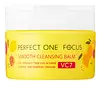
This oil-based makeup remover is made to dissolve makeup, sunscreen, and daily buildup.
This oil-based makeup remover is made to dissolve makeup, sunscreen, and daily buildup.

What's inside
What's inside
 Key Ingredients
Benefits
Concerns
Ingredients Side-by-side
Ethylhexyl Palmitate
Emollient




PEG-20 Glyceryl Triisostearate
Emollient
Caprylic/Capric Triglyceride
Masking


Hydrogenated Polyisobutene
EmollientSynthetic Wax
Abrasive
Stearic Acid
Cleansing
PEG-5 Glyceryl Triisostearate
Emollient
Soluble Collagen
Humectant
Hydrolyzed Collagen
Emollient
Succinoyl Atelocollagen
Skin Conditioning
Isostearoyl Hydrolyzed Collagen
Cleansing
Potassium Cocoyl Hydrolyzed Collagen
Skin Conditioning
Myristyl 3-Glyceryl Ascorbate
Antioxidant


Cysteine/Oligomeric Proanthocyanidin
Skin ConditioningInositol
Humectant
Chenopodium Quinoa Seed Extract
Skin Conditioning
Salvia Hispanica Seed Oil
Emollient
Adansonia Digitata Seed Oil
Emollient
Vitis Vinifera Seed Oil
Emollient
Macadamia Integrifolia Seed Oil
Skin Conditioning
Hamamelis Virginiana Leaf Extract
Skin Conditioning
Cynara Scolymus Leaf Extract
Skin ConditioningCitrus Unshiu Peel Extract
MaskingBerberis Vulgaris Fruit Extract
EmollientNiacinamide
Smoothing







Trisodium Ascorbyl Palmitate Phosphate
Antioxidant
Ascorbyl Tetraisopalmitate
Antioxidant
Potassium Ascorbyl Tocopheryl Phosphate
Antioxidant
Thiamine Hcl
MaskingRiboflavin
Cosmetic ColorantPyridoxine Tris-Hexyldecanoate
HumectantTocopherol
Antioxidant
Ceramide AP
Skin Conditioning
Sapindus Trifoliatus Fruit Extract
Skin ConditioningCitrus Grandis Fruit Extract
Astringent
Crataegus Monogyna Fruit Extract
Skin ConditioningZizyphus Jujuba Fruit Extract
Pyrus Malus Fruit Extract
Skin Conditioning
Citrus Aurantifolia Fruit Extract
Skin ConditioningCitrus Aurantium Dulcis Fruit Extract
MaskingCitrus Limon Juice
Skin Conditioning
Papain
Skin Conditioning
Sodium Hyaluronate
Humectant
Hydroxyproline
Skin ConditioningDioscorea Alata Root Extract
Water
Skin ConditioningButylene Glycol
Humectant
Glycerin
Humectant
Pentylene Glycol
Skin Conditioning
Chitosan
Sodium Polyglutamate
HumectantPolyglutamic Acid
Skin Conditioning
Kaolin
Abrasive
Talc
Abrasive
Silica Dimethyl Silylate
EmollientSqualane
Emollient
Isostearic Acid
Cleansing
Silica
Abrasive
Behenyl Alcohol
Emollient
Glycosphingolipids
EmollientPvp
Emulsion StabilisingAlgin
MaskingHydroxyethylcellulose
Emulsion StabilisingPhospholipids
Skin Conditioning
Polylysine
Cholesterol
Emollient
Cetearyl Glucoside
Emulsifying
Phenoxyethanol
Preservative
Citrus Aurantium Dulcis Peel Oil
Masking
Citrus Aurantium Bergamia Fruit Oil
Masking
Ethylhexyl Palmitate, PEG-20 Glyceryl Triisostearate, Caprylic/Capric Triglyceride, Hydrogenated Polyisobutene, Synthetic Wax, Stearic Acid, PEG-5 Glyceryl Triisostearate, Soluble Collagen, Hydrolyzed Collagen, Succinoyl Atelocollagen, Isostearoyl Hydrolyzed Collagen, Potassium Cocoyl Hydrolyzed Collagen, Myristyl 3-Glyceryl Ascorbate, Cysteine/Oligomeric Proanthocyanidin, Inositol, Chenopodium Quinoa Seed Extract, Salvia Hispanica Seed Oil, Adansonia Digitata Seed Oil, Vitis Vinifera Seed Oil, Macadamia Integrifolia Seed Oil, Hamamelis Virginiana Leaf Extract, Cynara Scolymus Leaf Extract, Citrus Unshiu Peel Extract, Berberis Vulgaris Fruit Extract, Niacinamide, Trisodium Ascorbyl Palmitate Phosphate, Ascorbyl Tetraisopalmitate, Potassium Ascorbyl Tocopheryl Phosphate, Thiamine Hcl, Riboflavin, Pyridoxine Tris-Hexyldecanoate, Tocopherol, Ceramide AP, Sapindus Trifoliatus Fruit Extract, Citrus Grandis Fruit Extract, Crataegus Monogyna Fruit Extract, Zizyphus Jujuba Fruit Extract, Pyrus Malus Fruit Extract, Citrus Aurantifolia Fruit Extract, Citrus Aurantium Dulcis Fruit Extract, Citrus Limon Juice, Papain, Sodium Hyaluronate, Hydroxyproline, Dioscorea Alata Root Extract, Water, Butylene Glycol, Glycerin, Pentylene Glycol, Chitosan, Sodium Polyglutamate, Polyglutamic Acid, Kaolin, Talc, Silica Dimethyl Silylate, Squalane, Isostearic Acid, Silica, Behenyl Alcohol, Glycosphingolipids, Pvp, Algin, Hydroxyethylcellulose, Phospholipids, Polylysine, Cholesterol, Cetearyl Glucoside, Phenoxyethanol, Citrus Aurantium Dulcis Peel Oil, Citrus Aurantium Bergamia Fruit Oil
Ethylhexyl Palmitate
Emollient
PEG-20 Glyceryl Triisostearate
Emollient
Caprylic/Capric Triglyceride
Masking
Hydrogenated Castor Oil Dimer Dilinoleate
Skin Conditioning
PEG-10 Isostearate
Emulsifying
Synthetic Wax
Abrasive
Helianthus Annuus Seed Wax
Skin Conditioning
Soluble Collagen
Humectant
Hydrolyzed Collagen
Emollient
Succinoyl Atelocollagen
Skin Conditioning
Isostearoyl Hydrolyzed Collagen
Cleansing
Potassium Cocoyl Hydrolyzed Collagen
Skin Conditioning
Myristyl 3-Glyceryl Ascorbate
Antioxidant
Cysteine/Oligomeric Proanthocyanidin
Skin ConditioningInositol
Humectant
Chenopodium Quinoa Seed Extract
Skin Conditioning
Salvia Hispanica Seed Oil
Emollient
Adansonia Digitata Seed Oil
Emollient
Vitis Vinifera Seed Oil
Emollient
Macadamia Integrifolia Seed Oil
Skin Conditioning
Aristotelia Chilensis Fruit Extract
Skin ConditioningTulipa Gesneriana Flower Extract
Skin ConditioningThymus Serpyllum Extract
Skin ConditioningCynara Scolymus Leaf Extract
Skin ConditioningOryza Sativa Bran Extract
Skin Conditioning
Schizosaccharomyces/Fig Fruit Ferment Filtrate
Skin Conditioning
Macroptilium Atropurpureum Flower/Leaf/Stem Extract
HumectantColloidal Gold
AntimicrobialGlutathione
Ascorbic Acid
Antioxidant
Trisodium Ascorbyl Palmitate Phosphate
Antioxidant
Peat
Skin ConditioningCharcoal
Abrasive
Ceramide NP
Skin Conditioning
Ceramide Ng
Skin Conditioning
Ceramide AP
Skin Conditioning
Plukenetia Volubilis Seed Oil
Emollient
Argania Spinosa Kernel Oil
Emollient
Sapindus Trifoliatus Fruit Extract
Skin ConditioningCitrus Grandis Fruit Extract
Astringent
Crataegus Oxyacantha Extract
Skin ConditioningZizyphus Jujuba Fruit Extract
Pyrus Malus Fruit Extract
Skin Conditioning
Citrus Aurantifolia Fruit Extract
Skin ConditioningCitrus Aurantium Dulcis Fruit Extract
MaskingCitrus Limon Juice
Skin Conditioning
Papain
Skin Conditioning
Lipase
Skin ConditioningProtease
Exfoliating
Sodium Hyaluronate
Humectant
Hydroxyproline
Skin ConditioningHydroxypropyltrimonium Hyaluronate
Syringa Vulgaris Extract
Skin ConditioningWater
Skin ConditioningButylene Glycol
Humectant
Glycerin
Humectant
Chitosan
Sodium Polyglutamate
HumectantPolyglutamic Acid
Skin Conditioning
Squalane
Emollient
Isostearic Acid
Cleansing
Maltodextrin
Absorbent
Sorbitol
Humectant
Propanediol
Solvent
1,2-Hexanediol
Skin Conditioning
Caprylyl Glycol
Emollient
Acetyl Hydroxyproline
EmollientMicrocrystalline Wax
Emulsion StabilisingTocopheryl Acetate
Antioxidant
Polyglyceryl-6 Dicaprate
EmulsifyingPolyglyceryl-10 Dioleate
Emulsifying
Silica
Abrasive
Hydrogenated Lecithin
Emulsifying
Phytosterols
Skin Conditioning
Pvp
Emulsion StabilisingTocopherol
Antioxidant
Hydroxyethylcellulose
Emulsion StabilisingBehenyl Alcohol
Emollient
Algin
MaskingCarbomer
Emulsion StabilisingXanthan Gum
EmulsifyingDisodium Phosphate
BufferingPotassium Phosphate
BufferingCetearyl Glucoside
Emulsifying
Lactic Acid
Buffering
Phenoxyethanol
Preservative
Cymbopogon Martini Oil
Masking
Pelargonium Graveolens Oil
Masking
Litsea Cubeba Fruit Oil
Masking
Juniperus Officinalis Oil
Citrus Aurantium Dulcis Peel Oil
Masking
Salvia Officinalis Oil
Masking
Anthemis Nobilis Flower Oil
Masking
Citrus Limon Peel Oil
Masking
Artemisia Pallens Flower/Leaf/Stem Oil
Masking
Cananga Odorata Flower Oil
Masking
Rosa Damascena Flower Oil
Masking
Ethylhexyl Palmitate, PEG-20 Glyceryl Triisostearate, Caprylic/Capric Triglyceride, Hydrogenated Castor Oil Dimer Dilinoleate, PEG-10 Isostearate, Synthetic Wax, Helianthus Annuus Seed Wax, Soluble Collagen, Hydrolyzed Collagen, Succinoyl Atelocollagen, Isostearoyl Hydrolyzed Collagen, Potassium Cocoyl Hydrolyzed Collagen, Myristyl 3-Glyceryl Ascorbate, Cysteine/Oligomeric Proanthocyanidin, Inositol, Chenopodium Quinoa Seed Extract, Salvia Hispanica Seed Oil, Adansonia Digitata Seed Oil, Vitis Vinifera Seed Oil, Macadamia Integrifolia Seed Oil, Aristotelia Chilensis Fruit Extract, Tulipa Gesneriana Flower Extract, Thymus Serpyllum Extract, Cynara Scolymus Leaf Extract, Oryza Sativa Bran Extract, Schizosaccharomyces/Fig Fruit Ferment Filtrate, Macroptilium Atropurpureum Flower/Leaf/Stem Extract, Colloidal Gold, Glutathione, Ascorbic Acid, Trisodium Ascorbyl Palmitate Phosphate, Peat, Charcoal, Ceramide NP, Ceramide Ng, Ceramide AP, Plukenetia Volubilis Seed Oil, Argania Spinosa Kernel Oil, Sapindus Trifoliatus Fruit Extract, Citrus Grandis Fruit Extract, Crataegus Oxyacantha Extract, Zizyphus Jujuba Fruit Extract, Pyrus Malus Fruit Extract, Citrus Aurantifolia Fruit Extract, Citrus Aurantium Dulcis Fruit Extract, Citrus Limon Juice, Papain, Lipase, Protease, Sodium Hyaluronate, Hydroxyproline, Hydroxypropyltrimonium Hyaluronate, Syringa Vulgaris Extract, Water, Butylene Glycol, Glycerin, Chitosan, Sodium Polyglutamate, Polyglutamic Acid, Squalane, Isostearic Acid, Maltodextrin, Sorbitol, Propanediol, 1,2-Hexanediol, Caprylyl Glycol, Acetyl Hydroxyproline, Microcrystalline Wax, Tocopheryl Acetate, Polyglyceryl-6 Dicaprate, Polyglyceryl-10 Dioleate, Silica, Hydrogenated Lecithin, Phytosterols, Pvp, Tocopherol, Hydroxyethylcellulose, Behenyl Alcohol, Algin, Carbomer, Xanthan Gum, Disodium Phosphate, Potassium Phosphate, Cetearyl Glucoside, Lactic Acid, Phenoxyethanol, Cymbopogon Martini Oil, Pelargonium Graveolens Oil, Litsea Cubeba Fruit Oil, Juniperus Officinalis Oil, Citrus Aurantium Dulcis Peel Oil, Salvia Officinalis Oil, Anthemis Nobilis Flower Oil, Citrus Limon Peel Oil, Artemisia Pallens Flower/Leaf/Stem Oil, Cananga Odorata Flower Oil, Rosa Damascena Flower Oil
Ingredients Explained
These ingredients are found in both products.
Ingredients higher up in an ingredient list are typically present in a larger amount.
This ingredient is also known as Baobab Seed Oil. Like most plant oils, it works by sitting on the skin's surface to slow water loss and keep skin soft.
The fatty acid content of this oil is roughly 25-36% linoleic acid, 20-30% oleic acid, and 25-30% palmitic acid. Plus, it has smaller amounts of stearic and linolenic acid.
Linoleic acid is the most abundant fatty acid naturally found in your epidermis and your skin uses it to build ceramides.
Baobab seed oil also brings some Vitamin E that provides mild antioxidant activity and helps keep the oil itself stable.
An actual human study that ran a 48-hour occlusive patch test found this ingredient caused no significant irritation.
Because this ingredient is full of C16-18 fatty acids that Malassezia feeds on, this ingredient may not be fungal acne safe.
Learn more about Adansonia Digitata Seed OilAlgin is the sodium salt of alginic acid, a sugar-based polymer pulled out of brown seaweed.
In cosmetics, it's a workhorse thickener, binder, and film former rather than an active; it's mostly there for texture and slip.
Industry survey data collected by the Cosmetic Ingredient Review put its maximum reported use at 50% in paste masks and mud packs with reported use going all the way down to 0.001% in aerosol products. Most formulas sit at the low end since a little goes a long way as a thickener.
Allergy-wise, this ingredient is about as low-risk as it gets topically:
The "algae causes acne" idea comes from three places that got tangled together:
None of that transfers to a purified polysaccharide like algin. Clogged pores are a lipid problem where an ingredient has to get into the follicle and mix with sebum to form a comedone. Algin is a big, water-loving sugar chain that does neither; it gels and then sits on the surface as a film until it's rinsed off.
Learn more about AlginBehenyl Alcohol is a type of fatty alcohol (these are different from the drying, solvent alcohols).
Fatty Alcohols have hydrating properties and are most often used as an emollient or to thicken a product. They are usually derived from natural fats and oils; behenyl alcohol is derived from the fats of vegetable oils.
Emollients help keep your skin soft and hydrated by creating a film that traps moisture in.
In 2000, Behenyl Alcohol was approved by the US as medicine to reduce the duration of cold sores.
Learn more about Behenyl AlcoholButylene Glycol (or BG) is used within cosmetic products for a few different reasons:
Overall, Butylene Glycol is a safe and well-rounded ingredient that works well with other ingredients.
Though this ingredient works well with most skin types, some people with sensitive skin may experience a reaction such as allergic rashes, closed comedones, or itchiness.
Learn more about Butylene GlycolCaprylic/Capric Triglyceride (aka MCT Oil) is a lightweight emollient, solvent, and texture enhancer. It is considered a skin-softener by helping to prevent moisture loss.
Though it behaves like an oil, it is not technically one due to its chemical composition. One perk of this ingredient is that it is very stable, resistant to oxidation, and unlikely to go rancid.
In practice, that translates to a long shelf life and a consistently elegant skin feel.
While there is an assumption Caprylic Triglyceride can clog pores due to it being derived from coconut oil, there is no research supporting this. Just patch test if you have concerns.
Fractionated coconut oil and MCT Oil are both listed as Caprylic/Capric Triglyceride according to INCI. This is because INCI names are based on the ingredient’s final chemical composition and not its marketing name or source.
This ingredient is treated as the gold standard fungal acne safe oil. Even though it is coconut derived, the problematic lauric acid is stripped out.
This leaves just caprylic (C8) and capric (C10) acid. These chain lengths actually trend antifungal; a 2020 study found caprylic acid was enough to disrupt Malassezia furfur cell membrane, with a caprylic acid derivative damaging membrane structures at concentrations as low as 0.2%.
Learn more about Caprylic/Capric TriglycerideCeramide AP is is a skin-identical lipid that mimics what your skin already makes naturally. Ceramides help maintain epidermal integrity and barrier function.
You'll often see this ingredient paired with other ceramides (like ceramide NP), cholesterol, or fatty acids because this combination best mimics the natural lipid mix your skin already has.
The skin's ability to produce ceramides gets disrupted in skin conditions like eczema. This in turn weakens the skin barrier and applying ceramides topically has been shown to replenish what's been lost to restore barrier function.
Most of the studies with Ceramide AP test it as part of a multi-ceramide complex; studies reinforce ceramide AP's role in rebalancing ceramides in skin and improving skin hydration.
Learn more about Ceramide APCetearyl Glucoside is a sugar-based emulsifier. It is usually made by combining cetearyl alcohol and glucose.
Belonging to the aklyl polyglucoside (APG) family, Cetearyl Glucoside has a sugar "head" that loves water and a fatty "tail" that loves oil. This means it can shuffle oil and water into a stable and smooth emulsion.
Typical use levels are between 1-5% and this ingredient is considered to be non-irritating by the CIR Expert Panel Review.
Once applied, your skin's glucoside hydrolases breaks it down to the parent fatty alcohol and glucose. This is why this ingredient may not be fungal acne safe.
Learn more about Cetearyl GlucosideThis ingredient is derived from the seeds of the quinoa plant. In skincare, it pulls double duty as a skin conditioning and antioxidant agent.
The key bioactives in this ingredient are hytoecdysteroids (especially 20-hydroxyecdysone), polyphenols, proteins, and essential amino acids like lysine and methionine.
20-Hydroxyecdysone has been shown to helps skin cells mature properly, makes skin thicker and firmer, and slows down the enzymes that break down collagen.
On the anti-aging front, quinoa's active compounds have been shown in lab studies to block the enzymes that break down collagen at pretty low concentrations. They also help reduce free radical damage so you're getting antioxidant protection too.
Quinoa extract helps the skin onto moisture better by boosting the production of two key proteins that keep the skin barrier intact.
And the cool part is that this ingredient is effective at concentrations anywhere from 0.001-5% in a finished product.
Overall, this is a well-tolerated and low-irritation ingredient with research backing its claims.
Learn more about Chenopodium Quinoa Seed ExtractWe don't have a description for Chitosan yet.
Citrus Aurantifolia Fruit Extract comes from key limes. It has skin conditioning properties.
Lime-derived ingredients are generally safe for cosmetic use when properly formulated according to the Cosmetic Ingredient Review (CIR) report. However, like other citrus extracts, they can cause photosensitivity or irritation if used in high concentrations or not handled according to safety guidelines.
Citrus Aurantium Dulcis Fruit Extract is more commonly known as the bitter orange. Native to Southeast Asia, this extract is commonly found in both cosmetics and foods.
The bitter orange possesses antibacterial and antioxidant properties.
It can also be mildly exfoliating due to the citric acid, an AHA.
Citrus fruits are rich in flavonoids, alkaloids, and vitamin C.
Learn more about Citrus Aurantium Dulcis Fruit ExtractCitrus Aurantium Dulcis Peel Oil is oil from the peel of an orange fruit.
Limonene and linalool make up the majority of oils from citrus peels. Limonene has a "citrus" fragrance. Citrus peels also contain flavonoids, which have anti-inflammatory properties.
Citrus peel is also a rich source of flavonoids. Flavonoids are natural antioxidants and help protect your skin against damage. Flavonoids are a group of compounds naturally found in vegetables and fruits.
The term 'fragrance' is not regulated in many countries. In many cases, it is up to the brand to define this term. For instance, many brands choose to label themselves as "fragrance-free" because they are not using synthetic fragrances. However, their products may still contain ingredients such as essential oils that are considered a fragrance.
Learn more about Citrus Aurantium Dulcis Peel OilThis ingredient is also known as grapefruit or citricidal extract. It has perfuming and astringent properties.
Astringents shrinks tissue by drawing water out of your skin. This leads to a temporary tightening effect in the skin.
Citrus Limon juice is also lemon juice.
While lemon juice contains antioxidants and vitamins, it can sensitize the skin.
The acidity of lemons may work as an astringent for acne. This can cause sensitivity. Lemon juice can also increase photosensitivity, or sensitivity to the sun.
Learn more about Citrus Limon JuiceThis ingredient is also known as artichoke leaf extract. Artichokes are a Mediterranean plant rich in antioxidants, vitamins, and minerals.
A 28-day manufacturer study with 22 women found:
Participants reported visible improvement and good tolerance.
Learn more about Cynara Scolymus Leaf ExtractWe don't have a description for Cysteine/Oligomeric Proanthocyanidin yet.
Ethylhexyl Palmitate, also known as octyl palmitate, is created from 2-ethylhexyl alcohol and palmitic acid.
In cosmetics, it plays many roles:
One thing worth noting: a controlled study found this ingredient applied under occlusion to acne-prone subjects increased microcomedones. Just keep in mind this was under occlusive conditions and don't reflect how most products are used day-to-day.
For most people, this is a well-tolerated and lightweight ingredient.
This ingredient may not be fungal acne safe because it is an ester of palmitic acid, a C16 fatty acid that falls within the C11-24 range that Malassezia can metabolize.
You'll see this one rated 4 comedogenic all over the internet. That number isn't from a single study, and the actual research is more interesting.
The original rating comes from 1980s rabbit ear tests (which are a shaky basis for anything). But Ethylhexyl Palmitate is one of the few ingredients with real human data behind it. A 2021 controlled trial found this ingredient increased microcomedones by an average of 365% over four weeks.
Just know that test used the pure ingredient under an occlusive pad on back skin; most products use it at much lower levels alongside other ingredients and plenty of people use those with no issue.
Learn more about Ethylhexyl PalmitateGlycerin (or glycerol) is a compound naturally found in your skin. It's a powerhouse humectant that pulls water into the stratum corneum.
Topically, glycerin does several things at once:
Your skin makes glycerin on its own (mostly from sebaceous oil breakdown) and shuttles it to your outermost layer of skin, or your epidermis, via aquaporin-3.
Aquaporin-3 is a transporter that is essential for normal skin hydration, elasticity, and repair. Interestingly, mice lacking in AQP3 have dry and less elastic skin that can be fully corrected with glycerin.
This ingredient is non-irritating, plays well with almost every ingredient, and works across all skin types. Typical use is anywhere between 3-10% but can go up to 79% in some leave-on products.
Just know very high concentrations (>40%) can feel tacky in low humidity.
Glycerin is the name for this ingredient in American English. British English uses Glycerol/Glycerine.
Learn more about GlycerinHydrolyzed Collagen is Collagen (usually sourced from fish, bovine, or porcine byproducts) that's been broken down into smaller peptides. This makes it water-soluble and easy to blend into formulations.
In a formula, it works mainly as a skin-conditioning and moisturizing agent.
The small peptides and amino acids (including Natural Moisturizing Factor components like Hydroxyproline, Serine, and Aspartic Acid) help the surface of the skin hold onto water, feel softer, and look temporarily plumper.
This ingredient also has mild film-forming and antioxidant properties with research showing the antioxidant effect is stronger the lower the molecular weight of the peptides.
It's worth being realistic here:
Topically applied Hydrolyzed Collagen conditions the upper layers of skin rather than rebuilding the structural collagen deep in your dermis (the wrinkle-and-firmness benefits people associate with Collagen mostly come from oral supplements in studies, not topicals).
However, recent lab and skin-model work on Hydrolyzed Fish Collagen has shown promising effects on cell viability and wound healing when used as an active.
Typical concentrations range from 0.2-2%, but the percentage can go much higher in rinse-off or hair products (sometimes even above 50%).
Clinical studies on this ingredient showed no irritation, sensitization, or phototoxicity.
If you are looking for vegan collagen, it usually goes by a different INCI name like hydrolyzed soy protein. Vegan collagen is derived from yeast, bacteria, or plant sources.
The results are varied.
A study from 2021 found hydrolyzed collagen increased elasticity and improved wrinkles in 1,125 participants between age 20 and 70. Another study found increased skin thickness in participants between the ages of 45 to 59.
However, It is difficult to prove that oral collagen will end up working on your skin. Many of the studies using hydrolyzed collagen also add several vitamins and nutrients into the test mixture as well.
Further studies are needed at this time.
Learn more about Hydrolyzed CollagenHydroxyethylcellulose is used to improve the texture of products. It is created from a chemical reaction involving ethylene oxide and alkali-cellulose. Cellulose is a sugar found in plant cell walls and help give plants structure.
This ingredient helps stabilize products by preventing ingredients from separating. It can also help thicken the texture of a product.
This ingredient can also be found in pill medicines to help our bodies digest other ingredients.
Learn more about HydroxyethylcelluloseWe don't have a description for Hydroxyproline yet.
Inositol is a sugar alcohol naturally found in the human body. Our bodies use this ingredient in the process of growing new cells.
Studies show inositol to be a key component for keratinocyte growth.
Keratinocytes make up the majority of the outermost layer of skin. These cells protect our skin from UV exposure, infection, and help keep skin hydrated.
This ingredient is also considered a humectant. Humectants help hydrate the skin by drawing moisture to it.
Learn more about InositolIsostearic Acid is a fatty acid and a structural cousin of stearic acid. It is an emulsifier.
The branched structure of this ingredient enhances fluidity and gives it a lighter, less greasy feel compared to other fatty acids. It helps improve texture and consistency because it prevents oil and water phases from separating.
This ingredient is sourced from plant-based oils like soybean or rapeseed.
Clinical studies found no signs of irritation from this ingredient.
Since Isostearic Acid is an 18-carbon fatty acid, it is in the range that Malassezia can feed on. This ingredient may not be fungal acne safe.
You might have seen sources that this ingredient is comedogenic. The original comedogenic testing on rabbit ear actually tested the ester, Isopropyl Isostearate and not Isostearic acid itself.
Any finished product with this ingredient won't automatically make you break out; it really comes down to concentration, formula, and your skin.
Because isostearic acid is a C18 fatty acid, this ingredient may not be fungal acne safe. The Malassezia yeast metabolizes fatty acids in the C11-24 range.
Learn more about Isostearic AcidIsostearoyl Hydrolyzed Collagen can help to reduce the effects of aging.
This ingredient is also known as Macadamia Seed Oil. It's an emollient with a fatty acid profile that closely mirrors the skin's own lipid makeup.
The palmitoleic acid content is especially notable as it's somewhat rare in plant oils. Palmitoleic acid is something your skin already makes naturally. It helps keep cell membranes structured and plays a role in fighting off harmful microbes.
This palmitoleic content is also part of why macademia seed oil absorbs quickly and doesn't leave much of a greasy residue.
It also contains oleic acid, linoleic acid, and phytosterols that can help reduce redness.
In vitro research has shown the oil to have meaningful antioxidant activity, protect fats in the skin from oxidative damage, and slow down the enzyme that breaks down hyaluronic acid.
A 2024 clinical study found it effective at improving skin hydratino and reducing wrinkle appearance when formulated into nanoemulsions.
Because it carries oleic acid (C18) and palmitic acid (C16), this ingredient may not be fungal acne safe. This is because the Malassezia yeast metabolizes in the C11-24 chain length range.
You'll also see this ingredient listed as: Macadamia Ternifolia Seed Oil.
This is the same ingredient; M. ternifolia is an older INCI naming convention for the edible macadamia nut, while M. integrifolia is the species actually cultivated for oil production. Both names refer to the same oil.
Learn more about Macadamia Integrifolia Seed OilMyristyl 3-Glyceryl Ascorbate is a form of Vitamin C and is an antioxidant. It can help to reduce the visibility of dark spots.
Papain is a proteolytic enzyme extracted from unripe papaya fruit. It is a gentle exfoliator that helps remove the dead skin cells from your outermost layer of skin.
Basically, papain works by dissolving the "glue" holding dead skin cells to your skin's surface. This also promotes cell turnover and smooths texture.
Unlike other exfoliants, papain can work without causing significant irritation.
Beyond exfoliation, its proteolytic action also helps soothe irritated skin and supports the healing of minor wounds.
A 2024 in vivo/in vitro study confirmed its potential to suppress skin inflammation and improve transepidermal water loss (TEWL) in atopic dermatitis models.
Just one thing worth noting: there are reports of allergic responses in individuals with a papaya or latex sensitivity. Be sure to patch test if you're in this camp.
Learn more about PapainPEG-20 Glyceryl Triisostearate is a synthetic, oil-loving helper ingredient that does two jobs:
This ingredient is made by joining three building blocks: PEG, Isostearic Acid and glycerin. The PEG gives it the oil-and-water blending power.
This ingredient has been found safe for use in cosmetics and broader PEG family testing shows minimal irritation/sensitization. The molecule's large size also means it isn't expected to penetrate skin to any meaningful degree.
Fungal acne note: This ingredient may not be fungal acne safe due to isostearic acid (C18). Isostearic acid falls into the C11-24 range that Malassezia can feed on.
Learn more about PEG-20 Glyceryl TriisostearatePhenoxyethanol is one of the most widely used preservatives in skincare (and for good reason!).
It has a large spectrum of antimicrobial activity and especially effective bacteria, yeast, and mold while only having a weak effect on your skin's natural microbiome.
On a cellular level, it disrupts the cell membranes of microbes by poking holes that make the cell leak. This shuts down the chemical reactions the microbe needs to make energy so it can no longer survive.
Another perk of this ingredient is that it stays functional across a wide pH range (3-10).
You'll often see it paired with boosters like Ethylhexylglycerin; one study showed that a 1:9 ratio of Ethylhexylglycerin to Phenoxyethanol damages bacterial membranes as effectively as doubling the Phenoxyethanol concentration on its own.
Typical use concentrations range from 0.3-1% depending on the formula, and this ingredient is capped at 1% int the EU.
Safety-wise, the fear mongering does not hold up to the evidence. The EU's Scientific Committee on Consumer Safety and FDA consider it safe as a preservative at up to 1%, including for children of all ages.
Adverse systemic effects only showed up in animal studies at exposures roughly 200x higher than what people get from cosmetics. And despite its very widespread use, this ingredient is a rare sensitizer and allergic reactions are uncommon.
Learn more about PhenoxyethanolPolyglutamic Acid is made up many glutamic acids chained together. It is created from bacterial fermentation.
This ingredient is an effective skin hydrator and may help speed up wound healing. As a humectant, it draws and holds water to the skin. This ingredient is often compared to hyaluronic acid or glycerin. Similarly to hyaluronic acid, it can vary in molecular weights. This means polyglutamic acid is capable of bringing hydration to lower levels of the skin.
Fun fact: Polyglutamic Acid is found in the Japanese food, natto. It is also being used in cancer treatment studies.
Learn more about Polyglutamic AcidPotassium Cocoyl Hydrolyzed Collagen can help to reduce the effects of aging.
Pvp is a water-soluble synthetic polymer and common hairstyling ingredient. It is a film-forming ingredient and used to "hold" specific shapes of hair.
In cosmetics, PVP helps products like sunscreens and color cosmetics last longer and wear more evenly.
It is less effective in high-humidity. It tends to draw moisture, but this moisture dismantles the structure and "hold".
PVP is generally well tolerated on skin and toxicity studies are negative for dermal irritation.
Learn more about PvpPyrus Malus Fruit Extract is extract from Apples. Apples are rich in Vitamin C, sugars, and antioxidants.
The sugar in Apples are humectants and help hydrate the skin. On top of that, apples also contain some acids, such as malic acid. These acids may have a mild exfoliating effect.
Last, the phytochemicals found in apples are strong antioxidants. These antioxidants help with anti-aging as they protect your skin cells against oxidative damage.
Learn more about Pyrus Malus Fruit ExtractThis ingredient is also known as Chia Seed Oil. It is rich in fatty acids, especially linolenic acid and linoleic acid.
Research shows topical application of chia seed oil improves skin hydration and barrier function. In vitro studies show the chia seed oil especially rich in linolenic acid can increase the skin's natural ability to hydrate and even boost natural hyaluronic acid.
Due to its fatty acid content, this ingredient may not be Malassezia folliculitis safe.
Learn more about Salvia Hispanica Seed OilWe don't have a description for Sapindus Trifoliatus Fruit Extract yet.
Silica, also known as silicon dioxide, is a naturally occurring mineral. It is used as a fine, spherical, and porous powder in cosmetics.
Though it has exfoliant properties, the function of silica varies depending on the product.
The unique structure of silica enhances the spreadability and adds smoothness, making it a great texture enhancer.
It is also used as an active carrier, emulsifier, and mattifier due to its ability to absorb excess oil.
In some products, tiny microneedles called spicules are made from silica or hydrolyzed sponge. When you rub them in, they lightly polish away dead skin layers and enhance the penetration of active ingredients.
Learn more about SilicaSodium Hyaluronate is the salt form of hyaluronic acid. It is a long sugar chain that is naturally found in your skin, joints, and connective tissue that maintains hydration and elasticity.
In skincare, it works as a humectant. It pulls water from the environment and deeper layers of skin and binds it to the surface.
Interestingly, the size of the molecule affects its behavior:
Some clinical evidence links low molecular weight versions to improved wrinkle depth, elasticity, anti-inflammatory effects, and barrier repair.
Many serums use a blend of both weights so you can get surface hydration plus longer-lasting and deeper effects.
You'll typically see concentrations between 0.1-2% for this ingredient.
Learn more about Sodium HyaluronateWe don't have a description for Sodium Polyglutamate yet.
Soluble collagen is a large, water-loving protein typically extracted from cattle hides or marine sources like fish skin.
In cosmetics, it works purely as a humectant and film-former.
Despite the marketing that surrounds the word "collagen", its molecule is far too large to penetrate skin so it can't rebuild the collagen in your dermis.
Instead, it sits on the surface and binds water to help reduce transepidermal water loss and leave skin feeling soft, plump, and temporarily tightened.
Suppliers commonly recommend using it around 3-6% though industry data shows concentrations are often much lower (down to a fraction of a percent).
This ingredient has been found safe to use in cosmetics with no reported irritation, sensitization, or phototoxicity.
Learn more about Soluble CollagenSqualane is the hydrogenated and shelf-stable form of squalene (a lipid that naturally occurs in human sebum).
It is an emollient and skin conditioning agent that is able to integrate seamlessly into the skin's lipid barrier without clogging pores.
This is due to how structurally similar it is to what your skin already produces.
Though it is mostly an emollient that helps soften and hydrate skin, it also has some humectant and occlusive action. Humectants help the skin retain moisture while occlusives seal it in, making squalane a triple-threat moisturizer.
Research shows it has antioxidant capabilities that help protect against stressors like UV exposure, specifically UVA induced oxidative stress. This study also found that it supports collagen biosynthesis in human dermal fibroblasts.
No clinical study has reported significant adverse effects and irritation reactions are very rare from this ingredient (even at 100% concentration).
Overall, it's a fantastic ingredient for hydration and is suitable for all skin types.
This depends on the source. Squalane can be derived from both plants and animals. Most squalane used in skincare comes from plants.
Please note: the source of squalane is only known if disclosed by the brand. We recommend reaching out to the brand if you have any questions about their squalane.
Read more about squalene with an "e".
Though squalane is often called an oil, it’s technically not one. It is a hydrocarbon, meaning it is only made of carbon and hydrogen. True oils are triglycerides and made of fatty acids and glycerol.
The term “oil-free” isn’t regulated so companies can define it however they want. Some exclude all oils, while others just avoid mineral oil or comedogenic oils.
Squalane has a comedogenic rating of 1 from the original 1972 study that tested raw ingredients under occlusion on rabbit ears. This system is not standardized or peer-reviewed, and using the raw ingredients is very different from how diluted cosmetic formulations are used on human skin.
A comedogenic rating of 1 means it is "unlikely to clog pores" according to the original rating system.
The overall formula of a product matters more than the individual ingredients on whether or not it will cause clogged pores.
Learn more about SqualaneSuccinoyl Atelocollagen can help to reduce the effects of aging.
Synthetic Wax is a manufactured hydrocarbon wax. In formulas, it works as an occlusive emollient that helps reduce water loss and improves the spreadability of products.
Research comparing synthetic wax to traditional mineral-derived products found that formulas containing it perform as well for skin hydration.
It is considered non-comedogenic and vegan-friendly.
This ingredient has a well-established safety record by the CIR Expert Panel for Cosmetic Ingredient Safety.
Synthetic Waxes are straight/branched-chain hydrocarbons with no ester bond or fatty acids. That means there is nothing for the Malassezia yeast to feed on.
Learn more about Synthetic WaxTocopherol is a fat-soluble antioxidant known as Vitamin E.
You'll find this ingredient in the vast majority of skincare (for good reason). It works to neutralize free radicals, or unstable molecules generated by UV exposure, pollution, and other environmental stressors, before they can cause oxidative damage to your skin cells.
Topically applied tocopherol has been shown to protect against UV damage by ramping up the skin's own natural defense enzymes.
It also acts as a skin conditioning agent; some studies show that regular topical use can improve the skin's water-binding capacity over 2-4 weeks.
This ingredient is especially loved for being a team player. When combined with Vitamin C, the photoprotective effect of both ingredients roughly doubles and the combo also helps reduce UV-induced DNA damage.
This ingredient has some brightening potential but it's more of a prevention ingredient than spot-fader. Cell studies show it can slow down melanin production but it's worth noting that it's not the most powerful brightener out there.
In formulations, it also serves as a stabilizer that helps protect other oxidation-prone ingredients from degrading.
Concentrations usually range from 0.1-1% in most leave-on products.
Learn more about TocopherolTrisodium Ascorbyl Palmitate Phosphate is an antioxidant. It can help to reduce redness, improve skin texture, and brighten skin.
Vitis Vinifera Seed Oil comes from the grape vine. Grape seeds are a byproduct of creating grape juice or wine.
The components of grape seeds have many skin benefits. Research has found it to be antimicrobial and anti-inflammatory. It also contains many potent antioxidants such as Vitamin E , Vitamin C, proanthocyanidins, polyphenols, flavonoids, and anthocyanins. Proanthocyanidin has been shown to help even out skin tone.
Antioxidants help fight free-radical molecules. Free-radical molecules are capable of damaging our cells and other genetic material. Antioxidants help stabilize free-radicals by donating extra electrons. Grape seed extract may help reduce the signs of aging.
The antimicrobial properties of grape seed may help treat acne. However, more research is needed to support this claim.
Grape seed has also been found to help absorb UV rays. Grape seed extract should not replace your sunscreen.
The fatty acids of grape seed oil give it emollient properties. Emollients help soothe and soften your skin by creating a film. This film traps moisture within, keeping your skin hydrated.
Learn more about Vitis Vinifera Seed OilWater. It's the most common cosmetic ingredient of all. You'll usually see it at the top of ingredient lists, meaning that it makes up the largest part of the product.
So why is it so popular? Water most often acts as a solvent - this means that it helps dissolve other ingredients into the formulation.
You'll also recognize water as that liquid we all need to stay alive. If you see this, drink a glass of water. Remember to stay hydrated!
Learn more about WaterWe don't have a description for Zizyphus Jujuba Fruit Extract yet.


