
What's inside
What's inside
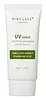 Key Ingredients
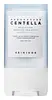
Benefits
Concerns
Ingredients Side-by-side
Water
Skin ConditioningAcrylates Copolymer
Butylene Glycol
Humectant

Ethylhexyl Palmitate
Emollient


Butyloctyl Salicylate
Skin Conditioning
Glycerin
Humectant
Ethylhexyl Triazone
UV Absorber
Diethylamino Hydroxybenzoyl Hexyl Benzoate
UV Filter
1,2-Hexanediol
Skin Conditioning
Niacinamide
Smoothing









Dicaprylyl Carbonate
EmollientC14-22 Alcohols
Emulsion Stabilising
Cetearyl Olivate
Bis-Ethylhexyloxyphenol Methoxyphenyl Triazine
Skin Conditioning
Vinyl Dimethicone/Methicone Silsesquioxane Crosspolymer

Sorbitan Olivate
Emulsifying
Poly C10-30 Alkyl Acrylate
Emulsion StabilisingC12-20 Alkyl Glucoside
EmulsifyingMethyl Glucose Sesquistearate
Emollient
Polyacrylate Crosspolymer-6
Emulsion StabilisingCetearyl Alcohol
Emollient
Glyceryl Stearate Se
Emulsifying
Prunus Amygdalus Amara Kernel Oil
Masking

Hedera Helix Leaf/Stem Extract
AntimicrobialAdenosine
Skin Conditioning
Pyrus Malus Fruit Extract
Skin Conditioning
Disodium EDTA
Stearic Acid
Cleansing
T-Butyl Alcohol
Perfuming

Vanilla Planifolia Fruit Extract
Skin Conditioning
Jasminum Officinale Flower Water
MaskingGlucose
Humectant
Macadamia Ternifolia Seed Oil
Emollient
Caprylic/Capric Triglyceride
Masking
Propanediol
Solvent
Hyaluronic Acid
Humectant
Tocopherol
Antioxidant

Brassica Campestris Sterols
EmollientCholesterol
Emollient
Phytosteryl/Behenyl/Octyldodecyl Lauroyl Glutamate
Skin ConditioningPhenoxyethanol
Preservative
Centella Asiatica Extract
Cleansing
Polyglyceryl-10 Oleate
Skin Conditioning
Hydrogenated Lecithin
Emulsifying
Ceramide NP
Skin Conditioning
Potassium Cetyl Phosphate
EmulsifyingBeta-Glucan
Skin Conditioning
Ethylhexylglycerin
Skin ConditioningMorinda Citrifolia Extract
AstringentCamellia Sinensis Leaf Extract
Antimicrobial
Houttuynia Cordata Extract
Skin Conditioning
Melaleuca Alternifolia Leaf Extract
Perfuming
Petroselinum Sativum Extract
Skin ConditioningMentha Piperita Leaf Extract
Skin ConditioningHippophae Rhamnoides Fruit Extract
Skin Conditioning
Aureobasidium Pullulans Ferment
Skin ConditioningCeramide Ns
Skin Conditioning
Ceramide EOP
Skin Conditioning
Water, Acrylates Copolymer, Butylene Glycol, Ethylhexyl Palmitate, Butyloctyl Salicylate, Glycerin, Ethylhexyl Triazone, Diethylamino Hydroxybenzoyl Hexyl Benzoate, 1,2-Hexanediol, Niacinamide, Dicaprylyl Carbonate, C14-22 Alcohols, Cetearyl Olivate, Bis-Ethylhexyloxyphenol Methoxyphenyl Triazine, Vinyl Dimethicone/Methicone Silsesquioxane Crosspolymer, Sorbitan Olivate, Poly C10-30 Alkyl Acrylate, C12-20 Alkyl Glucoside, Methyl Glucose Sesquistearate, Polyacrylate Crosspolymer-6, Cetearyl Alcohol, Glyceryl Stearate Se, Prunus Amygdalus Amara Kernel Oil, Hedera Helix Leaf/Stem Extract, Adenosine, Pyrus Malus Fruit Extract, Disodium EDTA, Stearic Acid, T-Butyl Alcohol, Vanilla Planifolia Fruit Extract, Jasminum Officinale Flower Water, Glucose, Macadamia Ternifolia Seed Oil, Caprylic/Capric Triglyceride, Propanediol, Hyaluronic Acid, Tocopherol, Brassica Campestris Sterols, Cholesterol, Phytosteryl/Behenyl/Octyldodecyl Lauroyl Glutamate, Phenoxyethanol, Centella Asiatica Extract, Polyglyceryl-10 Oleate, Hydrogenated Lecithin, Ceramide NP, Potassium Cetyl Phosphate, Beta-Glucan, Ethylhexylglycerin, Morinda Citrifolia Extract, Camellia Sinensis Leaf Extract, Houttuynia Cordata Extract, Melaleuca Alternifolia Leaf Extract, Petroselinum Sativum Extract, Mentha Piperita Leaf Extract, Hippophae Rhamnoides Fruit Extract, Aureobasidium Pullulans Ferment, Ceramide Ns, Ceramide EOP
Methyl Methacrylate Crosspolymer
Synthetic Wax
Abrasive
Coco-Caprylate/Caprate
Emollient
Cetyl Ethylhexanoate
EmollientButylene Glycol Dicaprylate/Dicaprate
EmollientDibutyl Adipate
EmollientButyloctyl Salicylate
Skin Conditioning
Vinyl Dimethicone/Methicone Silsesquioxane Crosspolymer
Silica
Abrasive
Diethylamino Hydroxybenzoyl Hexyl Benzoate
UV Filter
Dicaprylyl Carbonate
EmollientIsopropyl Palmitate
Emollient
Ethylhexyl Triazone
UV Absorber
Tocopheryl Acetate
Antioxidant
Diethylhexyl 2,6-Naphthalate
EmollientVinyldimethicone
Polysilicone-15
UV Filter
Bis-Ethylhexyloxyphenol Methoxyphenyl Triazine
Skin Conditioning
Ozokerite
Emulsion StabilisingMelia Azadirachta Leaf Extract
Skin ConditioningMelia Azadirachta Flower Extract
Skin ConditioningCoccinia Indica Fruit Extract
Skin ConditioningSolanum Melongena Fruit Extract
Skin ConditioningAloe Barbadensis Flower Extract
EmollientCurcuma Longa Root Extract
Masking
Corallina Officinalis Extract
Skin Conditioning
Ocimum Sanctum Leaf Extract
Skin ConditioningCentella Asiatica Extract
Cleansing
Agave Tequilana Leaf Extract
AstringentDiospyros Kaki Leaf Extract
Skin Protecting
Camellia Sinensis Leaf Extract
Antimicrobial
Castanea Crenata Shell Extract
Skin ConditioningCarthamus Tinctorius Flower Extract
Skin ConditioningZanthoxylum Piperitum Fruit Extract
Skin ConditioningCoffea Arabica Seed Extract
Masking
Vitis Vinifera Fruit Extract
Skin ConditioningPolygonum Cuspidatum Root Extract
Antioxidant
Simmondsia Chinensis Seed Oil
Emollient
Sodium Hyaluronate
Humectant
Bisabolol
Antioxidant
Glyceryl Caprylate
EmollientCaprylyl Glycol
Emollient
Polyglyceryl-4 Diisostearate/Polyhydroxystearate/Sebacate
Emulsifying
Ethylhexylglycerin
Skin ConditioningWater
Skin ConditioningHydrolyzed Hyaluronic Acid
Humectant
Butylene Glycol
Humectant
1,2-Hexanediol
Skin Conditioning
Glycerin
Humectant
Hyaluronic Acid
Humectant
Methyl Methacrylate Crosspolymer, Synthetic Wax, Coco-Caprylate/Caprate, Cetyl Ethylhexanoate, Butylene Glycol Dicaprylate/Dicaprate, Dibutyl Adipate, Butyloctyl Salicylate, Vinyl Dimethicone/Methicone Silsesquioxane Crosspolymer, Silica, Diethylamino Hydroxybenzoyl Hexyl Benzoate, Dicaprylyl Carbonate, Isopropyl Palmitate, Ethylhexyl Triazone, Tocopheryl Acetate, Diethylhexyl 2,6-Naphthalate, Vinyldimethicone, Polysilicone-15, Bis-Ethylhexyloxyphenol Methoxyphenyl Triazine, Ozokerite, Melia Azadirachta Leaf Extract, Melia Azadirachta Flower Extract, Coccinia Indica Fruit Extract, Solanum Melongena Fruit Extract, Aloe Barbadensis Flower Extract, Curcuma Longa Root Extract, Corallina Officinalis Extract, Ocimum Sanctum Leaf Extract, Centella Asiatica Extract, Agave Tequilana Leaf Extract, Diospyros Kaki Leaf Extract, Camellia Sinensis Leaf Extract, Castanea Crenata Shell Extract, Carthamus Tinctorius Flower Extract, Zanthoxylum Piperitum Fruit Extract, Coffea Arabica Seed Extract, Vitis Vinifera Fruit Extract, Polygonum Cuspidatum Root Extract, Simmondsia Chinensis Seed Oil, Sodium Hyaluronate, Bisabolol, Glyceryl Caprylate, Caprylyl Glycol, Polyglyceryl-4 Diisostearate/Polyhydroxystearate/Sebacate, Ethylhexylglycerin, Water, Hydrolyzed Hyaluronic Acid, Butylene Glycol, 1,2-Hexanediol, Glycerin, Hyaluronic Acid
Reviews
Ingredients Explained
These ingredients are found in both products.
Ingredients higher up in an ingredient list are typically present in a larger amount.
1,2-Hexanediol is a synthetic liquid and another multi-functional powerhouse.
It is a:
- Humectant, drawing moisture into the skin
- Emollient, helping to soften skin
- Solvent, dispersing and stabilizing formulas
- Preservative booster, enhancing the antimicrobial activity of other preservatives
This ingredient is better known as bemotrizinol or Tinosorb S and is one of the best broad-spectrum UV filters in modern sunscreen.
It works by absorbing UV light across a whole range (280-400 nm) with peaks around 310 nm (UVB) and 340-345 nm (UVA). This means it covers UVB plus the deeper UVA wavelengths that drive photoaging and pigmentation.
Another pro?
It's exceptionally photostable, barely degrades in sunlight, and acts as a "bodyguard" for less stable filters.
That's why you'll see it paired with avobenzone or octinoxate; this team up ensures they keep working through sun exposure.
Safety reviews have been reassuring across the board. This ingredient shows low absorption through the skin, rarely irritates, and lab studies found it doesn't act like a hormone in the body (a concern that's been raised about some older sunscreen filters).
On maximum concentrations:
In 2026, the US F.D.A finally added it as an OTC sunscreen ingredient at concentrations up to 6% for adults / children 6 months and older
Learn more about Bis-Ethylhexyloxyphenol Methoxyphenyl TriazineButylene Glycol (or BG) is used within cosmetic products for a few different reasons:
Overall, Butylene Glycol is a safe and well-rounded ingredient that works well with other ingredients.
Though this ingredient works well with most skin types, some people with sensitive skin may experience a reaction such as allergic rashes, closed comedones, or itchiness.
Learn more about Butylene GlycolButyloctyl Salicylate is a chemical UV filter structurally similar to octisalate. It is a photostabilizer, SPF booster, emollient and solvent. This ingredient helps evenly spread out ingredients.
According to a manufacturer, it is suitable for pairing with micro Titanium Dioxide, Zinc Oxide, and pigments.
Photostabilizers help stabilize UV-filters and prevents them from degrading quickly.
Learn more about Butyloctyl SalicylateCamellia Sinensis Leaf Extract (tea extract) is one of the most well-researched plant extracts in skincare with an impressive resume.
Black tea, green tea, and oolong tea are all harvested from the Camellia Sinensis plant.
Studies show green tea extract and its catechins (like epigallocatechin gallate (EGCG)) help your skin cells product energy more efficiently and reducing the number of free-radicals that can damage your skin from the inside.
In lab-grown skin models, this translated to younger, healthier, and stronger skin.
There's also good sun protection data; researchers saw less DNA damage and redness on human skin when green tea was applied before UVB exposure. And the more they applied, the better the protection.
Needless to say, this ingredient shouldn't replace your sunscreen. But it is a great supportive ingredient that you can already find in many sunscreens and antioxidant serums.
A 2009 study found a 2% green tea lotion was effective for mild-to-moderate acne thanks to its anti-inflammatory and mild antimicrobial activity.
The quality of the extract matters a lot here:
Good extracts contain 50-90% catechins while lower quality ones are mostly there for marketing. We recommend reaching out to the brand if you have questions about the quality or source of their ingredients.
Human Repeated Insult Patch Testing showed no irritation or sensitization at use concentrations (0.86% in leave-on products and up to 30% as leaf water).
Learn more about Camellia Sinensis Leaf ExtractCentella Asiatica Extract (Centella) is derived from an herb native to Southeast Asia. It is famous for its anti-inflammatory and soothing properties.
Centella is rich in antioxidants and amino acids, such as Madecassic Acid and Asiaticoside.
Studies show the compounds in centella help with:
The combination of all these properties makes centella effective at soothing, hydrating, and protecting the skin.
Other great components of centella include Vitamin A, vitamin C, several B vitamins, and Asiatic Acid.
Fun fact: Centella has been used as a medicine and in food for many centuries. As a medicine, it is used to treat burns, scratches, and wounds.
Learn more about Centella Asiatica ExtractDicaprylyl Carbonate comes from carbonic acid and caprylyl alcohol, a fatty alcohol. It is an emollient and gives skin a velvet feel. The sources of Dicaprylyl Carbonate may be synthetic or from animals.
As an emollient, Dicaprylyl Carbonate creates a film on the skin. This film traps moisture in, keeping your skin soft and hydrated.
Diethylamino Hydroxybenzoyl Hexyl Benzoate (DHHB) is a chemical UV-A absorber. It is formulated for high UVA protection (320-400 nm).
DHHB is well-liked for:
DHHB has been approved by the EU, Japan, Taiwan, and South America for use up to 10%. Unfortunately, it has not been approved for use in the US or Canada due to slow regulatory processes.
This ingredient is soluble in oils, fats, and lipids.
Learn more about Diethylamino Hydroxybenzoyl Hexyl BenzoateEthylhexyl Triazone (aka Octyl Triazone) is an oil-soluble organic UVB filter. It has peak absorption around 314 nm, right in the middle of the UVB range.
This ingredient is described as one of the most effective UVB filters available and small concentrations are enough to deliver a high SPF thanks to its strong UV absorbing power.
Formulators love it for its stability; its ability to filter UV stays practically unchanged even under intense radiation and it can also help boost the photostability of less stable filters like avobenzone.
It's also a great pick for water resistant products because it's insoluble in water and has a good affinity for keratin.
Because it's a big, heavy molecule, the European Scientific Committee has found to to have very low dermal penetration and negative results for allergenicity.
In vitro testing also showed a low absorption rate and clean results on irritation.
Typical use levels are 1-5% with 5% being the maximum in the EU, Japan, and other markets that allow it. However, this ingredient is not approved yet in the US or Canada.
Learn more about Ethylhexyl TriazoneEthylhexylglycerin is created from glycerin. It is a multitasker ingredient that:
The CIR Expert Panel found minimal skin absorption or sensitization of any kind in a safety assessment. Though this ingredient is considered well-tolerated, a small number of cases of allergic dermatitis have been published since 2002. Just be sure to patch test if you are unsure.
Industry-reported use ranges from 8% in rinse-off products and 2% in leave-on formulations.
Learn more about EthylhexylglycerinGlycerin (or glycerol) is a compound naturally found in your skin. It's a powerhouse humectant that pulls water into the stratum corneum.
Topically, glycerin does several things at once:
Your skin makes glycerin on its own (mostly from sebaceous oil breakdown) and shuttles it to your outermost layer of skin, or your epidermis, via aquaporin-3.
Aquaporin-3 is a transporter that is essential for normal skin hydration, elasticity, and repair. Interestingly, mice lacking in AQP3 have dry and less elastic skin that can be fully corrected with glycerin.
This ingredient is non-irritating, plays well with almost every ingredient, and works across all skin types. Typical use is anywhere between 3-10% but can go up to 79% in some leave-on products.
Just know very high concentrations (>40%) can feel tacky in low humidity.
Glycerin is the name for this ingredient in American English. British English uses Glycerol/Glycerine.
Learn more about GlycerinHyaluronic acid (HA) is a glycosaminoglycan (basically a long sugar chain) that your skin already makes on its own. In your skin, HA lives in the extracellular matrix and acts as the body's moisture reservoir.
Topically, HA is a humectant that binds water and helps skin look more plump, smooth, and hydrated.
The only catch is that HA isn't a single thing; it actually comes in a wide range of molecular weights (~50 - 2,000+ kDA) and size matters.
Some clinical evidence links low molecular weight versions to improved wrinkle depth, elasticity, anti-inflammatory effects, and barrier repair.
This is why the best HA serums blend the two sizes together so you get the best of both worlds.
The majority of cosmetic HA is produced by bacterial fermentation, typically using Streptococcus or Bacillus strains. Typical use levels in skincare sit around 0.1-2%.
A clinical study using a 0.2% low-molecular weight HA gel showed improvement in facial seborrheic dermatitis with excellent tolerance.
These are some other common types of Hyaluronic Acid:
Learn more about Hyaluronic AcidThis ingredient is used in makeup and skincare to thicken formulas, reduce shine, and give skin a silky-smooth feel.
It’s a white silicone powder that sits in fine lines and pores to blur their appearance though its effectiveness depends on the particle size.
You'll typically find this ingredient in amounts between 0.1-20%.
Learn more about Vinyl Dimethicone/Methicone Silsesquioxane CrosspolymerWater. It's the most common cosmetic ingredient of all. You'll usually see it at the top of ingredient lists, meaning that it makes up the largest part of the product.
So why is it so popular? Water most often acts as a solvent - this means that it helps dissolve other ingredients into the formulation.
You'll also recognize water as that liquid we all need to stay alive. If you see this, drink a glass of water. Remember to stay hydrated!
Learn more about Water
